3.4 - William I & Succession
Key facts and dates
The later years of William I's reign were marked by family disputes and succession challenges that tested the stability of Norman rule in England and Normandy. His death in 1087 triggered a crisis, leading to a baronial rebellion that ultimately strengthened his chosen successor's position.
Timeline of key events
- 1077–1080 – Robert Curthose rebels against William I in Normandy over power disputes.
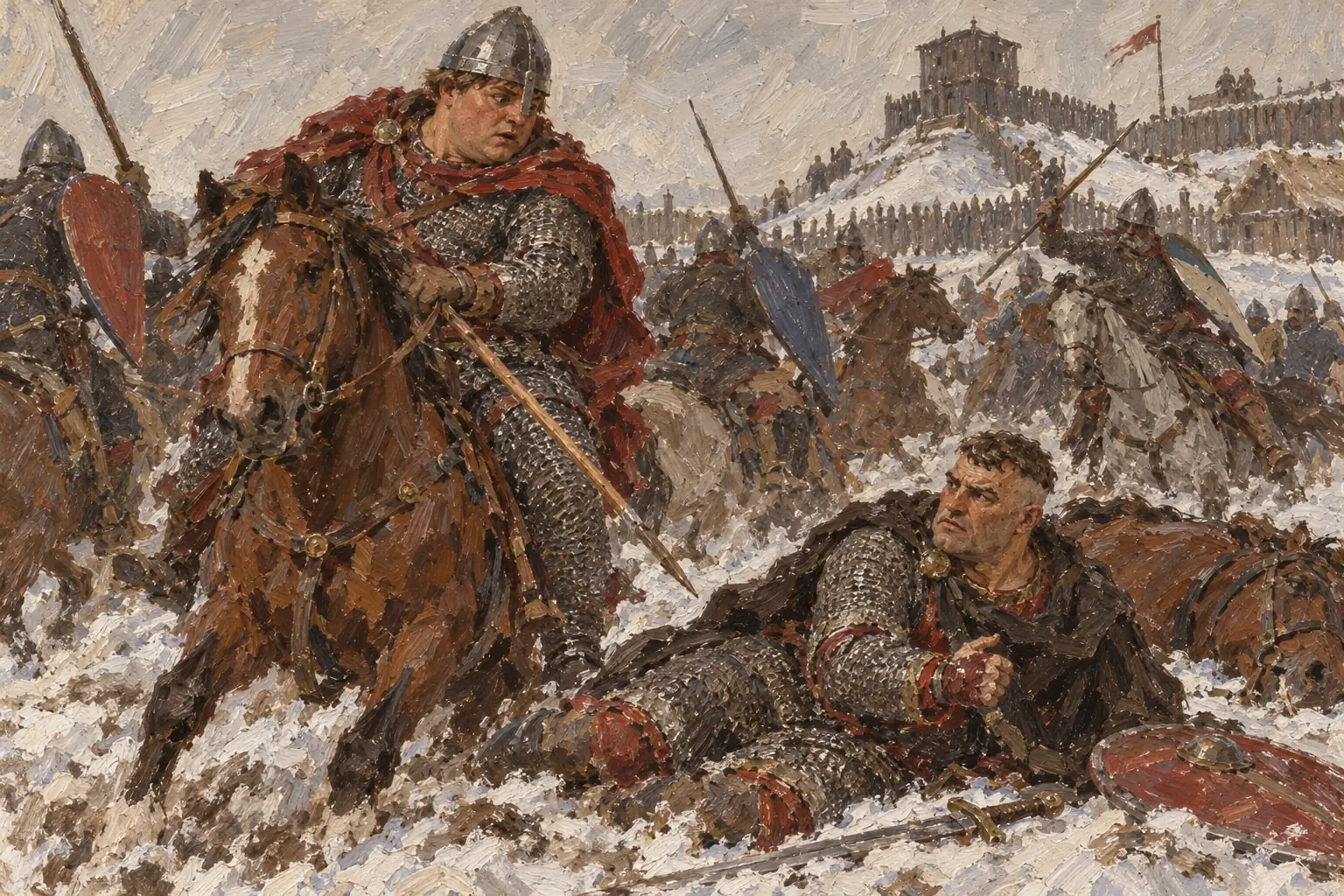
- 1079 – Robert fights and wounds his father William I in battle during the rebellion.
- 1087 – William I dies from injuries sustained during a military campaign in France.
- 1088 – Barons led by Bishop Odo launch a rebellion in England to replace William II with Robert.
William I's character and conflict with Robert
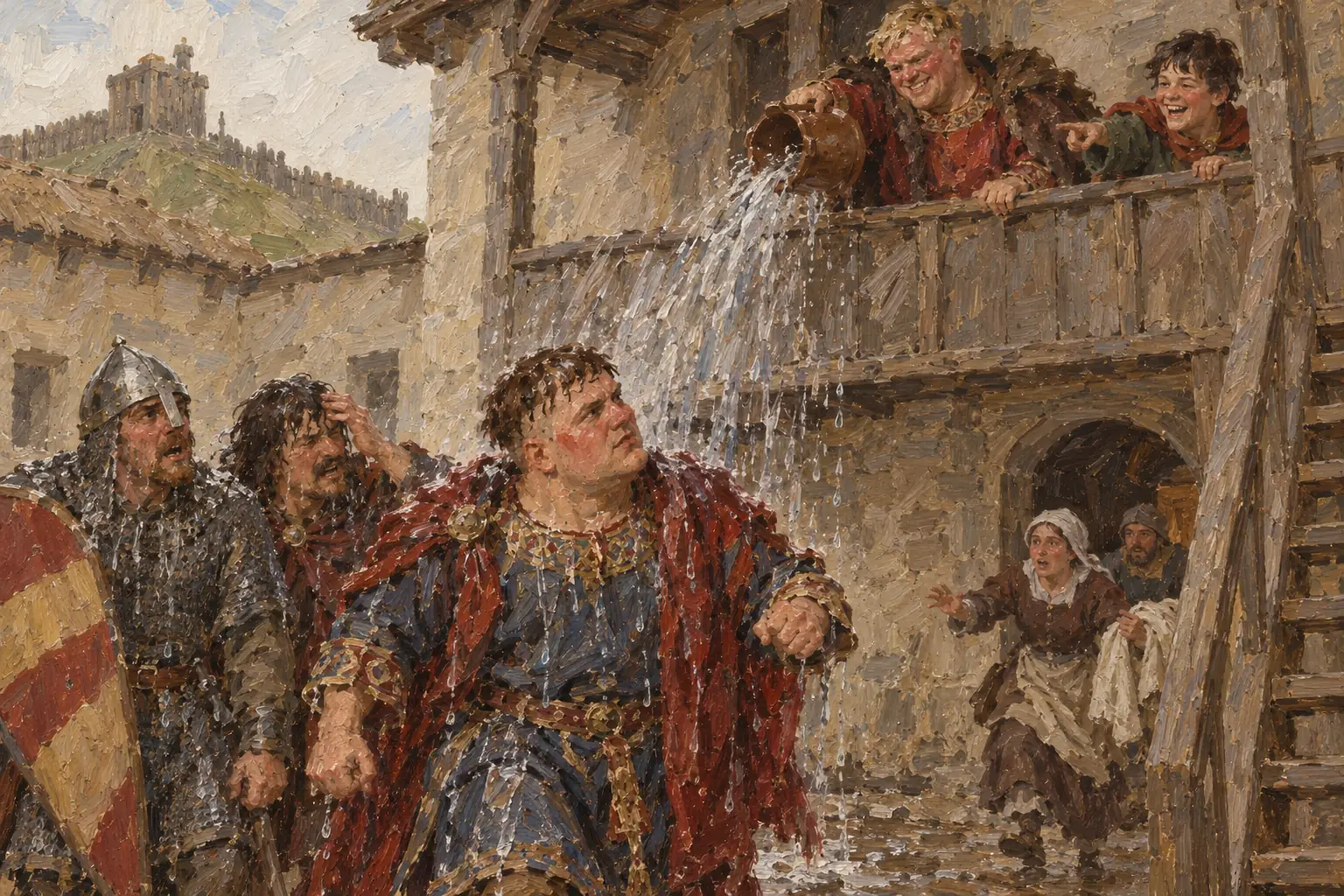
Image 1 of 2: In 1077 Robert was soaked by his younger brothers, and when William did not punish them Robert rebelled
William I, also known as William the Conqueror, was a dominant figure in medieval history, blending ruthless authority with administrative skill and religious devotion. His personal life, however, was strained by family tensions, particularly with his eldest son, Robert Curthose, which highlighted the challenges of maintaining control over his vast territories.
Key aspects of William I's character
- Ruthless leadership - William demonstrated brutality in actions like the Harrying of the North, where he devastated northern England to suppress resistance, showcasing his willingness to use extreme measures for control.
- Effective administration - He implemented strong governance, including the Domesday Book survey, which helped manage resources and taxation across England.
- Religious devotion - By the standards of the 11th century, William was a committed Christian, supporting church reforms and founding abbeys, which aligned with his image as a pious ruler.
Family conflicts with Robert Curthose
- Origins of the dispute - Tensions arose from Robert's frustration over limited power in Normandy, exacerbated by a playful incident that escalated into serious conflict.
- Rebellion in Normandy - Between 1077 and 1080, Robert led an uprising against his father, even wounding him in a 1079 battle, before a temporary reconciliation.
- Impact on rule - These disputes weakened family unity and foreshadowed succession issues, as Robert sought greater independence while William maintained tight control.
William I's death and succession arrangements
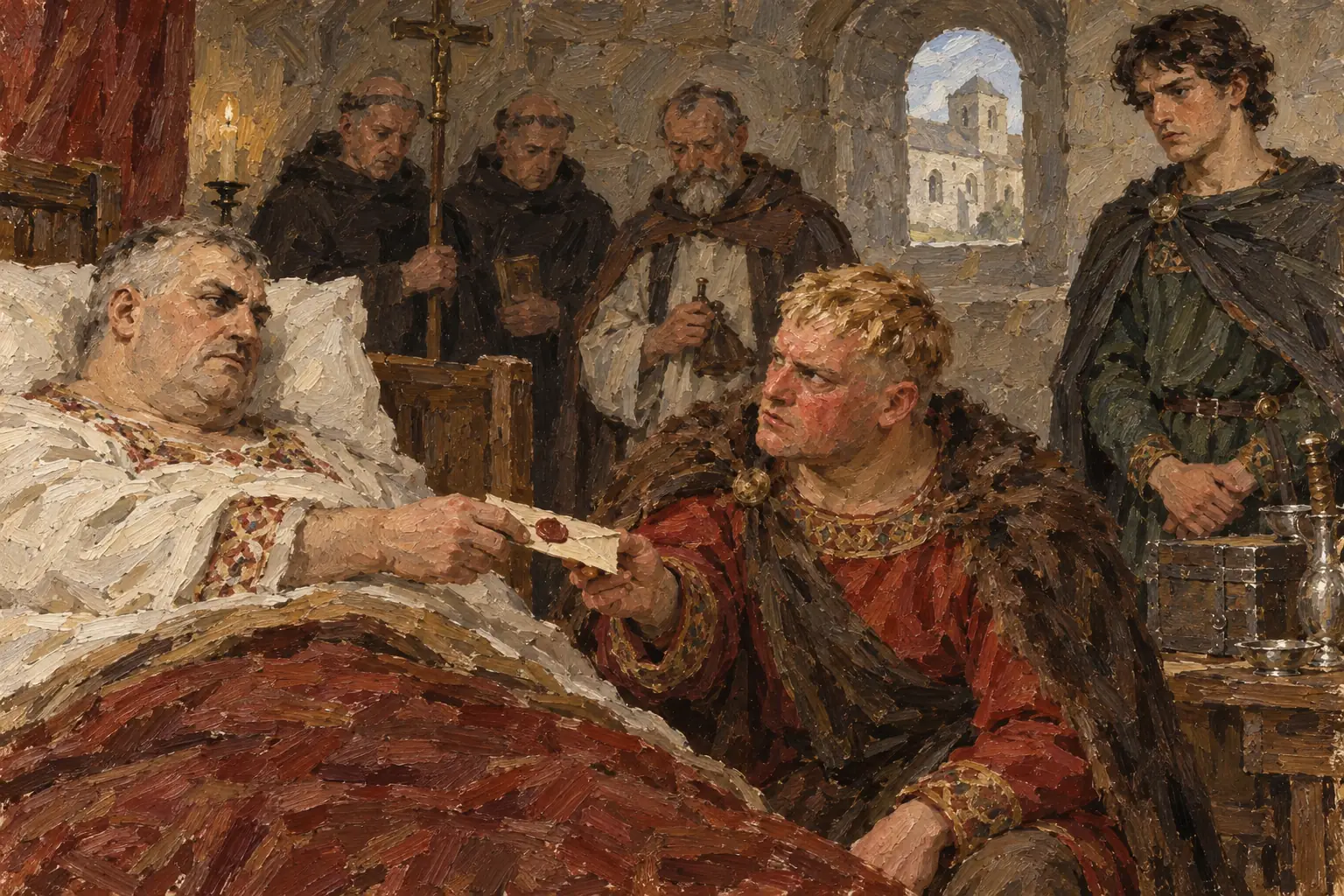
In 1087, William I's death created a pivotal moment for the Norman territories, as he chose to split his lands rather than pass them to a single heir. This decision reflected his strategic priorities but sowed seeds of division between England and Normandy.
Circumstances of William I's death
- Final campaign - William died from wounds received during a military expedition in France, marking the end of his 21-year reign over England.
- Division of territories - He bequeathed the duchy of Normandy to his eldest son, Robert Curthose, while granting the English throne to his second surviving son, William Rufus (later William II).
- Rationale behind the split - The arrangement aimed to honour Robert's birthright in Normandy while rewarding William Rufus's loyalty with the more valuable English crown.
Consequences of the succession split
- Territorial uncertainty - Separating England and Normandy created instability, as the realms had been united under William I since 1066.
- Baronial preferences - Many Anglo-Norman lords, who owned estates on both sides of the English Channel, favoured a single ruler to simplify governance and protect their interests.
Causes and events of the Rebellion of 1088
The Rebellion of 1088 stemmed from dissatisfaction with William I's succession plan, as barons sought to unite the territories under a leader they could influence more easily. Led by prominent figures, the uprising targeted William II's new rule in England.
Causes of the rebellion
- Support for Robert Curthose - Barons viewed Robert as the rightful elder heir and potentially easier to manipulate than the strong-willed William II.
- Cross-Channel landholdings - Lords with properties in both England and Normandy preferred unified rule to avoid divided loyalties and administrative complications.
- Opportunistic timing - The recent death of William I provided a window for dissent, with rebels hoping to capitalise on the transition.
Key events during the rebellion
- Leadership and launch - Bishop Odo of Bayeux, William I's half-brother, spearheaded the revolt, rallying barons to depose William II and install Robert as king.
- Rebel strategy - Insurgents seized castles and strongholds across England, aiming to force William II's surrender through coordinated attacks.
- Robert's absence - Despite expectations, Robert failed to cross from Normandy to support the rebels, weakening their position significantly.
Outcome of the rebellion and its significance
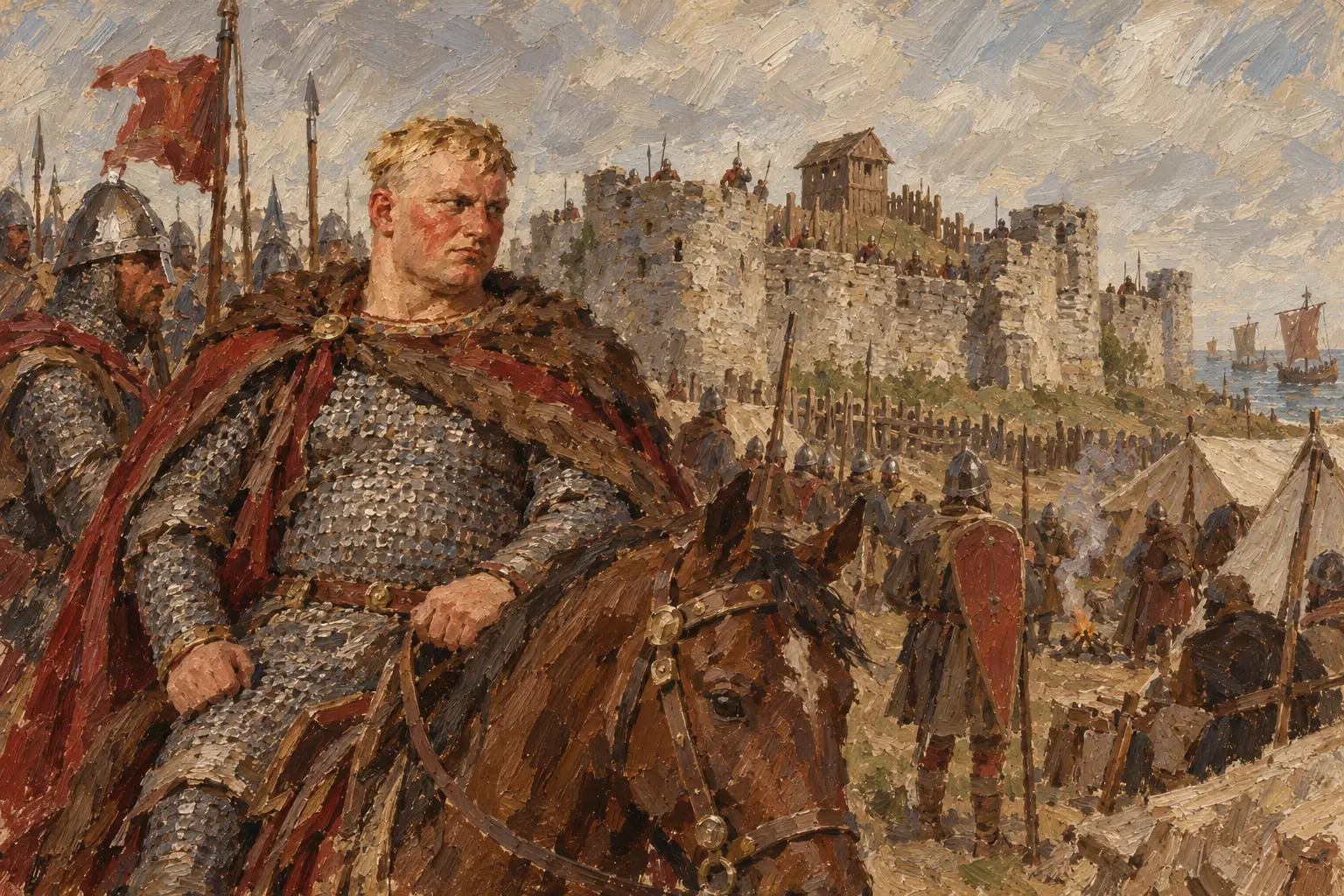
The Rebellion of 1088 ended in failure for the insurgents, thanks to William II's effective response and popular support. This victory solidified his authority and ensured the continuity of Norman rule in England.
How the rebellion was defeated
- William II's countermeasures - He rallied the English populace with pledges of fair rule and reduced taxes, while besieging rebel-held castles.
- Key defeats - The royal forces overcame the barons, leading to the capture and exile of leaders like Bishop Odo.
- Rapid collapse - Without Robert's aid, the uprising lost momentum and was suppressed within months.
Significance of the rebellion's failure
- Securing William II's throne - The outcome confirmed William Rufus as king, preventing further immediate challenges to his authority.
- Restoration of stability - Order was re-established, with penalties for rebels reinforcing loyalty to the crown.
- Long-term dynastic impact - It preserved the Norman dynasty's hold on England, setting a precedent for handling succession disputes without major interruption.