1.1 - Elizabeth’s Accession
Key facts and dates
When Elizabeth I ascended the throne in 1558, England faced significant internal divisions and external pressures that tested her rule. Her accession followed a period of religious turmoil and financial strain under previous monarchs, setting the stage for her efforts to stabilise the kingdom.
Timeline of key events
- 1509–1547 – Reign of Henry VIII, who breaks with the Catholic Church, initiating religious reforms.
- 1547–1553 – Edward VI's rule promotes Protestantism, deepening religious divides.
- 1553–1558 – Mary I restores Catholicism, leading to persecutions and wars that increase national debt.
- 1558 – Elizabeth I becomes queen, inheriting a divided society, financial debts, and foreign threats.
- 1559 – Elizabeth establishes her religious settlement, addressing immediate divisions.
- 1560s – Ongoing alliances between France and Scotland challenge English security.
Social and governmental structure in 1558
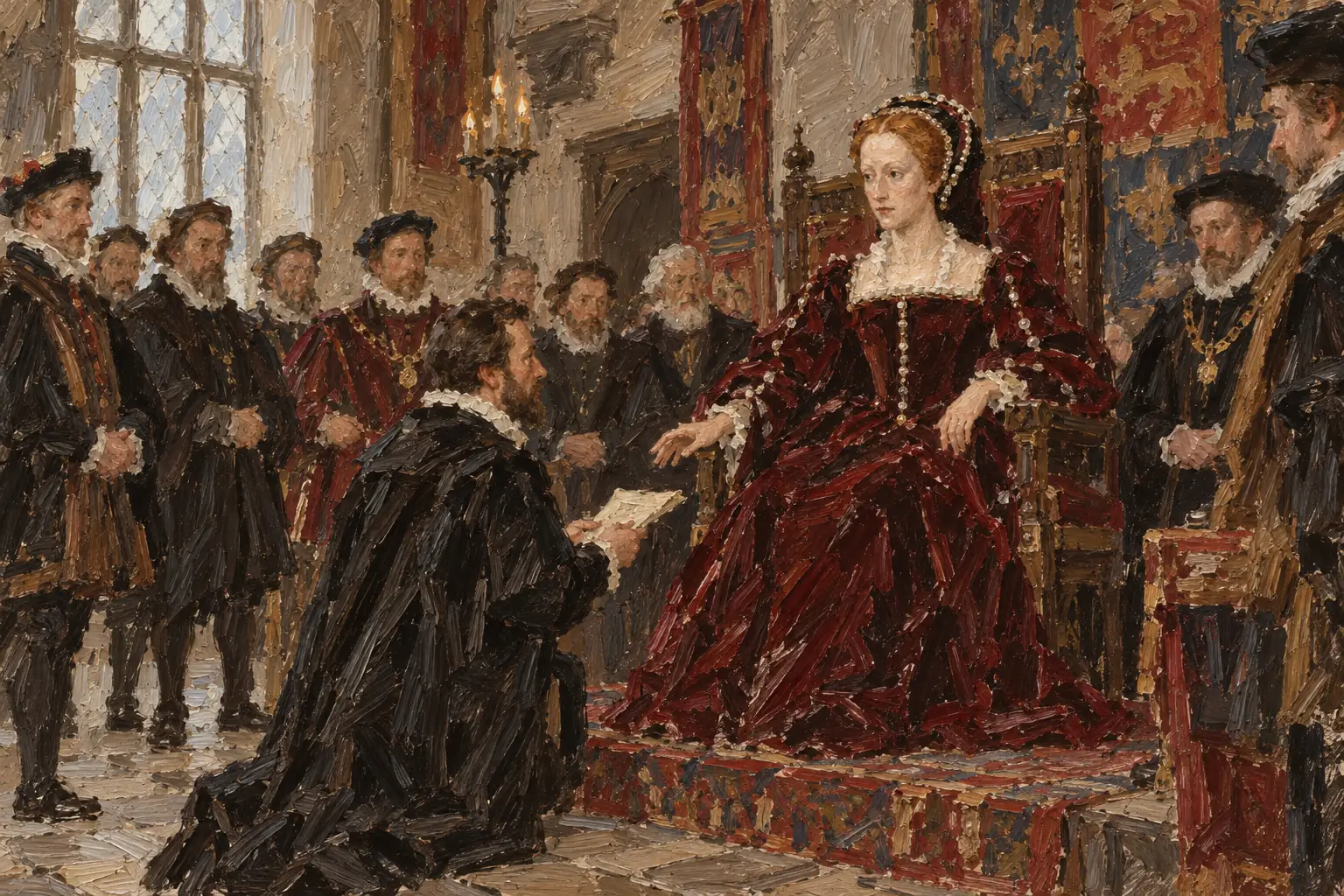
In 1558, English society operated under a strict hierarchy that placed the monarch at the pinnacle, with authority derived from the belief in divine right. This structure influenced governance, where the queen made key decisions on matters such as warfare, legislation, and parliamentary affairs, though she relied on advisors and local officials for implementation.
Layers of society and their roles
- Monarchy - The sovereign held supreme power, seen as chosen by God, with responsibilities including approving laws and commanding the military.
- Nobility - Wealthy landowners who advised the queen, served in court, and maintained order in regions through their influence and private armies.
- Gentry - Lesser landowners who acted as local administrators, such as justices of the peace, enforcing laws and managing community affairs.
- Lower classes - Comprising farmers, labourers, and merchants, they formed the bulk of the population but had limited political voice, often affected by economic policies and social expectations.
Challenges to Elizabeth's position
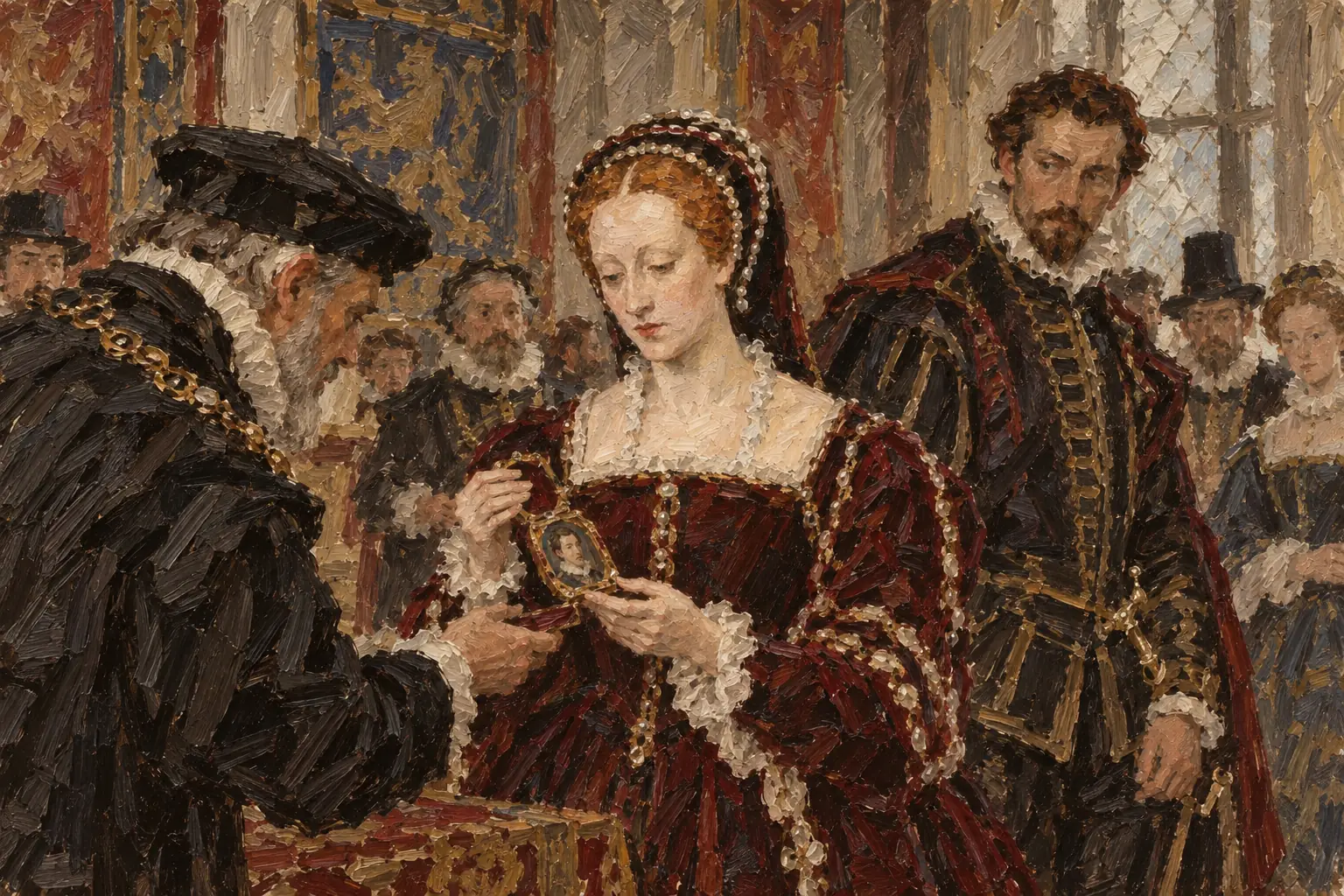
Elizabeth faced substantial obstacles upon taking the throne, which undermined her authority and created doubts about her ability to govern. These issues stemmed from her family background, societal norms, and the kingdom's economic state, requiring careful management to secure her rule.
Key challenges to Elizabeth's authority
- Questions of legitimacy - As the child of Henry VIII and Anne Boleyn, whose marriage was annulled, many Catholics considered her birth invalid, weakening her claim to the throne.
- Gender-based doubts - In a patriarchal society, a female ruler was seen as potentially ineffective, with concerns that she might be overly influenced or that an unsuitable marriage could transfer power abroad.
- Financial strains - The Crown inherited around £300,000 in debt from previous conflicts and the sale of royal properties, limiting resources for defence and administration.
Religious divisions and foreign threats
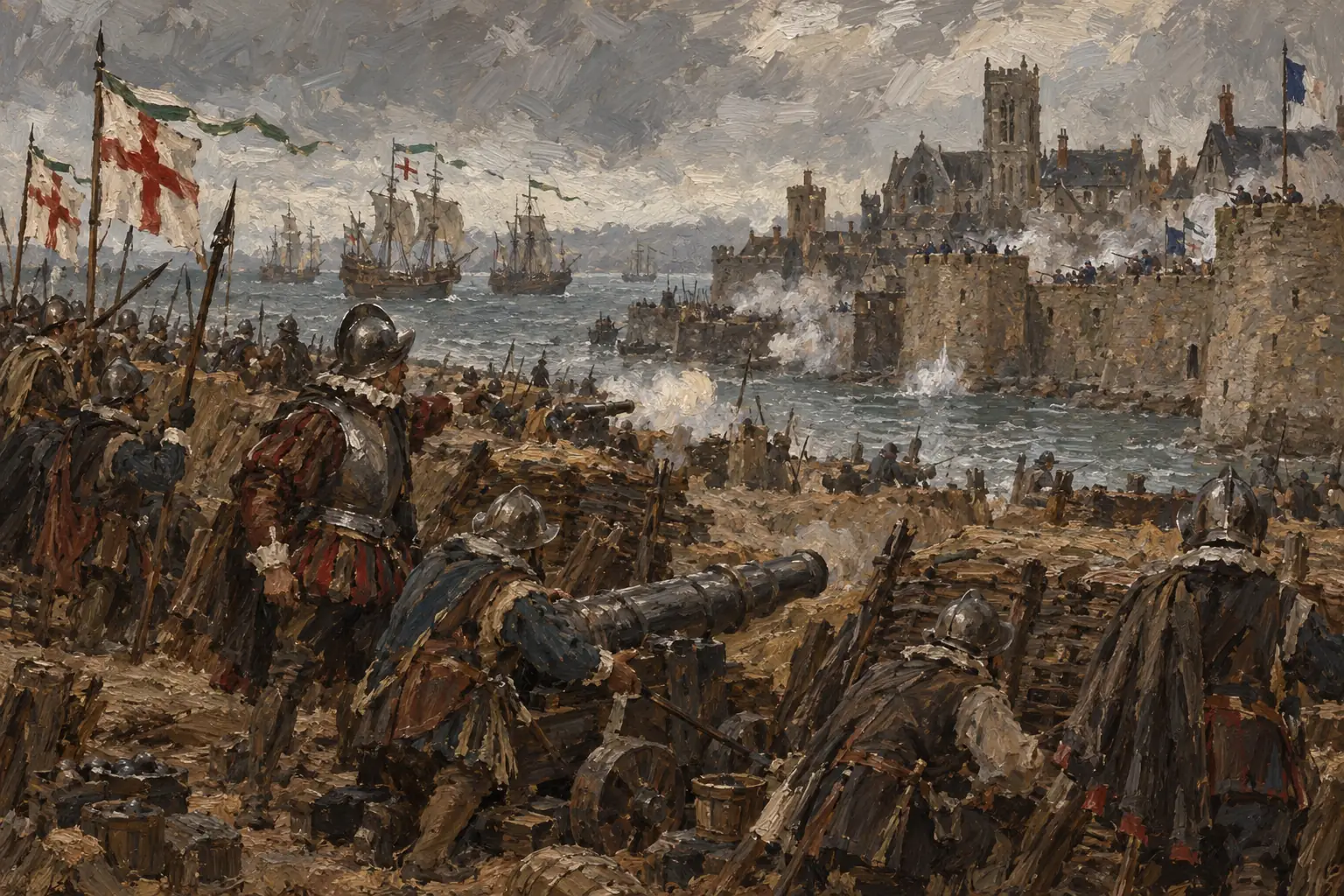
England in 1558 was deeply fractured along religious lines, following repeated changes in official faith under recent monarchs. These internal splits were compounded by dangers from Catholic nations abroad, which viewed Elizabeth's Protestant leanings as a provocation.
Internal religious tensions
- Catholic-Protestant split - Shifts from Catholicism under Henry VIII, to Protestantism under Edward VI, and back to Catholicism under Mary I had left the population divided, with lingering loyalties causing unrest and potential for rebellion.
- Impact on stability - These divisions fostered suspicion and violence, such as persecutions, making unified governance difficult.
External threats from abroad
- French and Scottish alliance - France, a Catholic power, supported Scotland, posing a risk of invasion or interference, especially with figures like Mary, Queen of Scots, asserting rival claims to the English throne.
- Spanish influence - Spain, another Catholic stronghold, represented a long-term danger through possible military or diplomatic actions against Protestant England.
Elizabeth's personal qualities and strategies
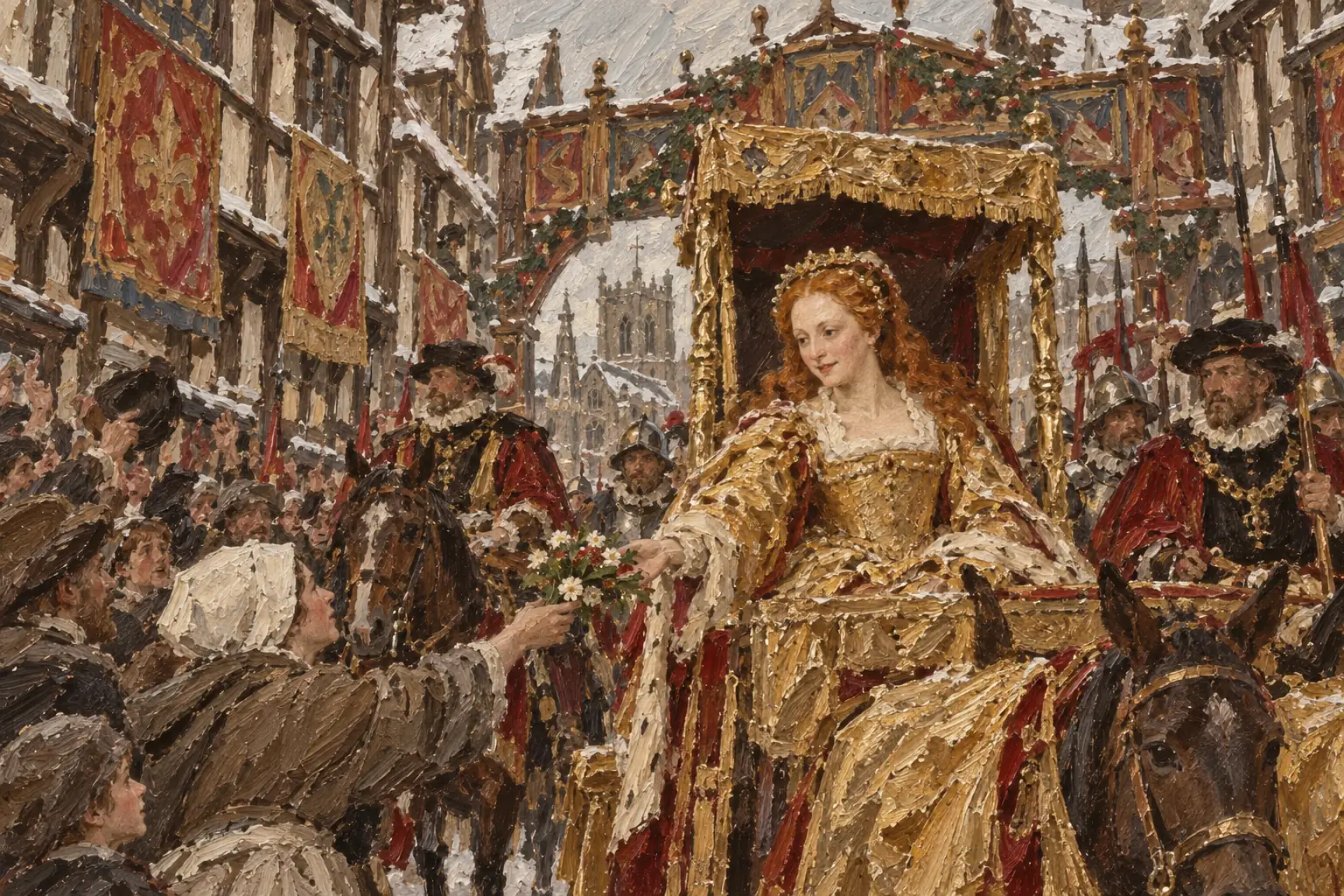
Despite the formidable challenges, Elizabeth's individual attributes played a crucial role in consolidating her power. Her intelligence and charisma, along with deliberate self-presentation, helped her overcome initial scepticism and build loyalty.
Elizabeth's strengths and approaches
- Education and shrewdness - Highly learned in languages, history, and politics, she demonstrated sharp judgement in decision-making and negotiations.
- Confidence and charisma - Her self-assured demeanour and ability to inspire others won over courtiers and the public, countering doubts about her gender.
- Image-crafting - By portraying herself as the "Virgin Queen" dedicated solely to England, she avoided the pitfalls of marriage while symbolising national purity and strength, gradually strengthening her position in the early reign.