1.6 - Opposition to Civil Rights
Key facts and dates
Opposition to civil rights in the United States during the mid-20th century was marked by intense white supremacist resistance, including violent groups, political factions, and economic tactics aimed at maintaining segregation. These efforts created significant barriers to racial equality, particularly in the South, and highlighted the challenges faced by early civil rights activists.
Timeline of key events
- 1865 – Founding of the Ku Klux Klan in Tennessee, initially as a social club that evolved into a terrorist organisation promoting white supremacy.
- 1948 – Formation of the Dixiecrats, a breakaway group of Southern Democrats opposing President Truman's civil rights policies.
- 1954 – Brown v. Board of Education Supreme Court ruling declares school segregation unconstitutional, sparking widespread Southern resistance.
- 1955 – Murder of 14-year-old Emmett Till in Mississippi, followed by his mother's decision for an open-casket funeral that galvanises national outrage.
- 1956 – Establishment of the first White Citizens' Council in Mississippi, using economic and political means to fight desegregation.
- 1957 – Southern Manifesto signed by over 100 congressmen, pledging Massive Resistance against school integration.
Climate of white supremacist resistance
In the mid-20th century, particularly in the Southern United States, white supremacist attitudes created a hostile environment for civil rights progress. This resistance stemmed from deeply entrenched beliefs in racial superiority and fears of social change following key legal decisions like the 1954 Brown v. Board of Education ruling, which outlawed segregated schools.
Key elements of white supremacist opposition
- Cultural and social norms - Many white Southerners viewed segregation as a way of life, reinforced by traditions, religion, and community pressures that portrayed racial integration as a threat to their society.
- Economic motivations - Resistance often protected white economic advantages, such as better jobs and resources, by maintaining systems that disadvantaged African Americans.
- Political backlash - Federal efforts to enforce civil rights met with organised defiance, including state-level laws and declarations that aimed to preserve the status quo of racial separation.
Intimidation and violence by the Ku Klux Klan
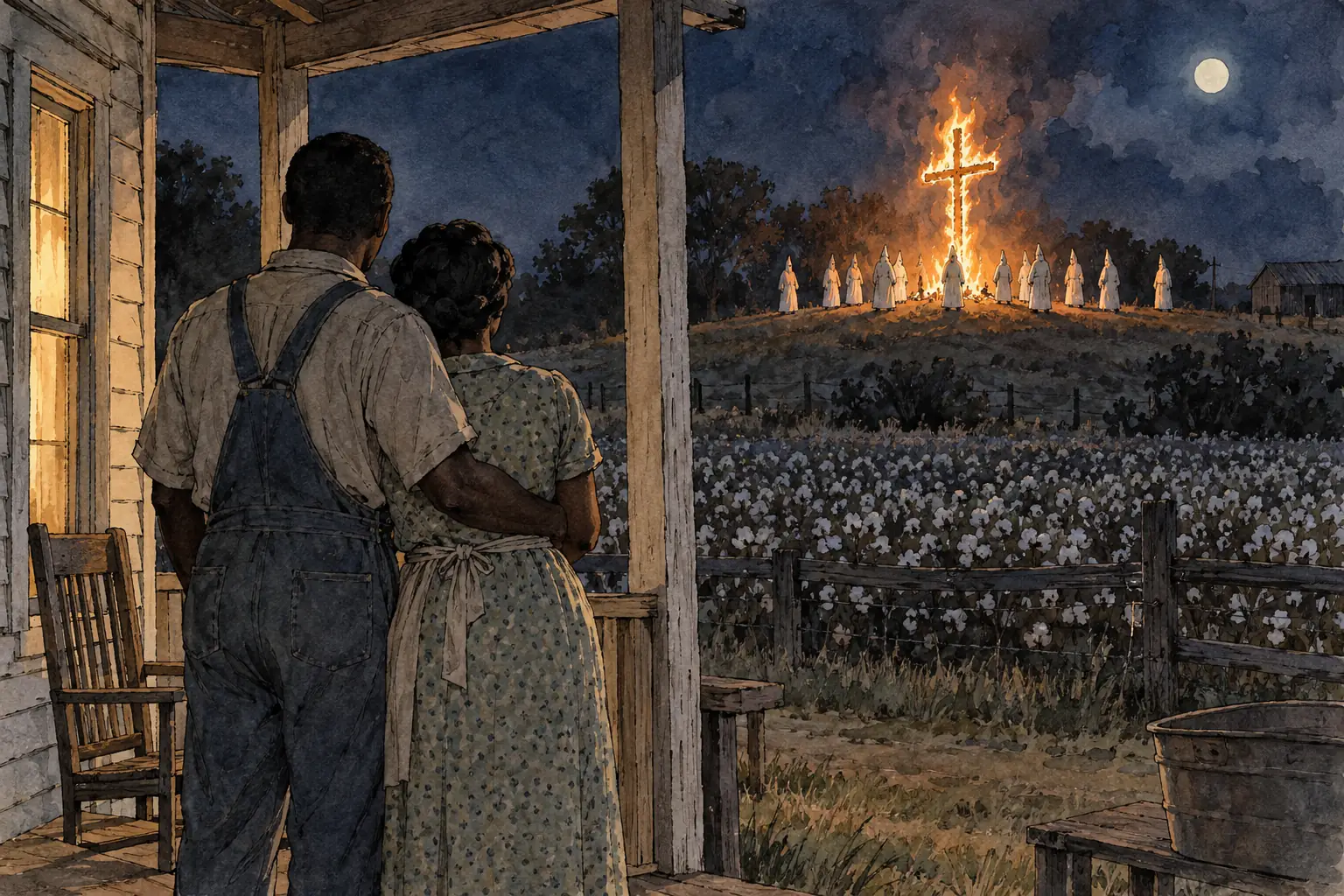
The Ku Klux Klan (KKK) emerged as a major force of terror against African Americans and civil rights supporters, using fear and brutality to uphold white dominance. Founded in the aftermath of the American Civil War, the group experienced revivals in the 1920s and again in the 1950s in response to growing civil rights demands.
Tactics employed by the Ku Klux Klan
- Acts of violence - Members carried out lynchings, bombings, and assaults, targeting individuals and communities to suppress voting, education, and economic advancement among African Americans.
- Intimidation methods - The KKK used cross burnings, night rides in hooded robes, and threats to instil widespread fear, often operating with impunity due to sympathetic local law enforcement.
- Broader impact - These actions not only deterred civil rights activism but also reinforced segregation by creating an atmosphere where challenging the racial order could result in severe repercussions.
The murder of Emmett Till in 1955
Image 1 of 2: Tens of thousands of mourners filed past Emmett Till's open coffin in Chicago in September 1955
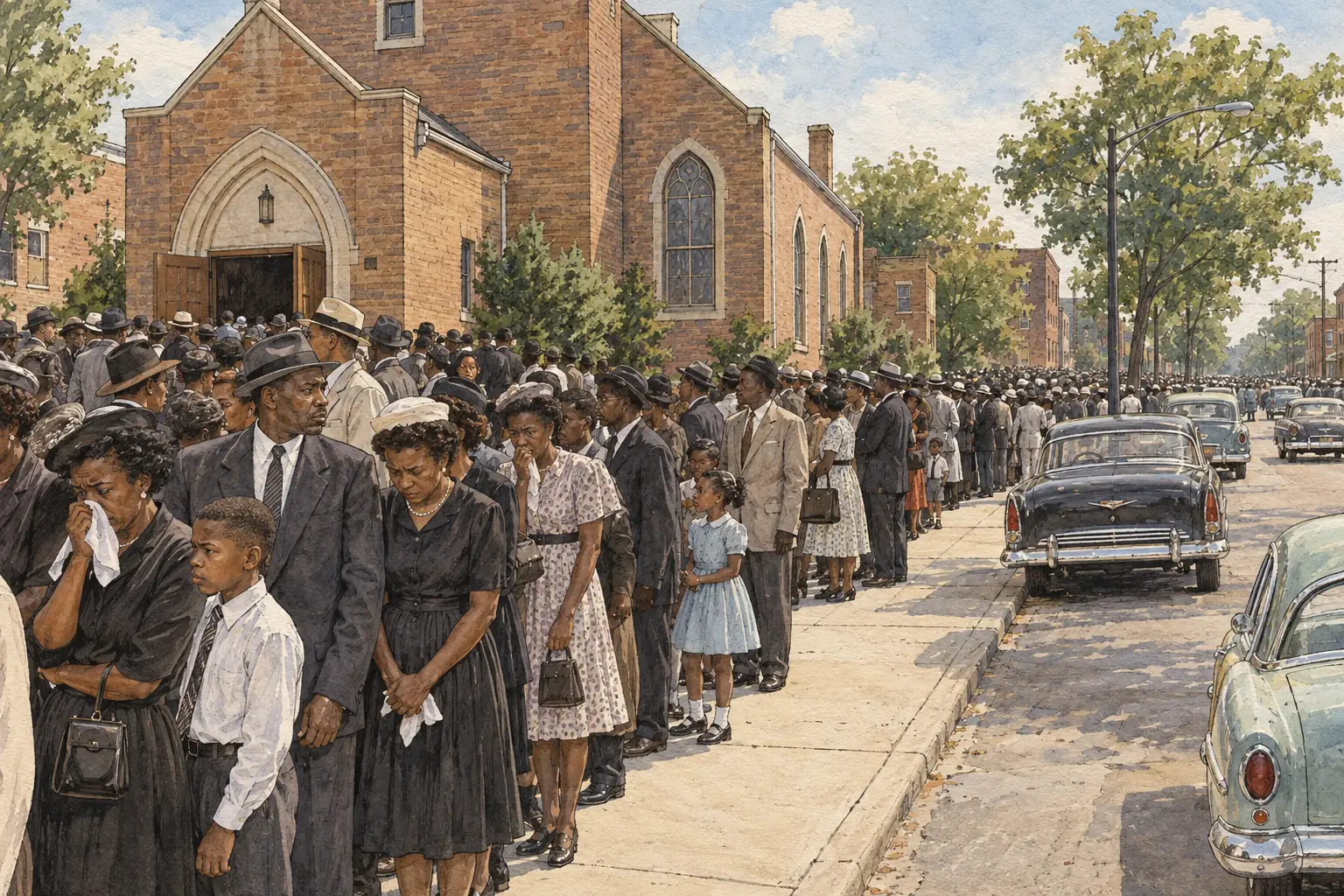
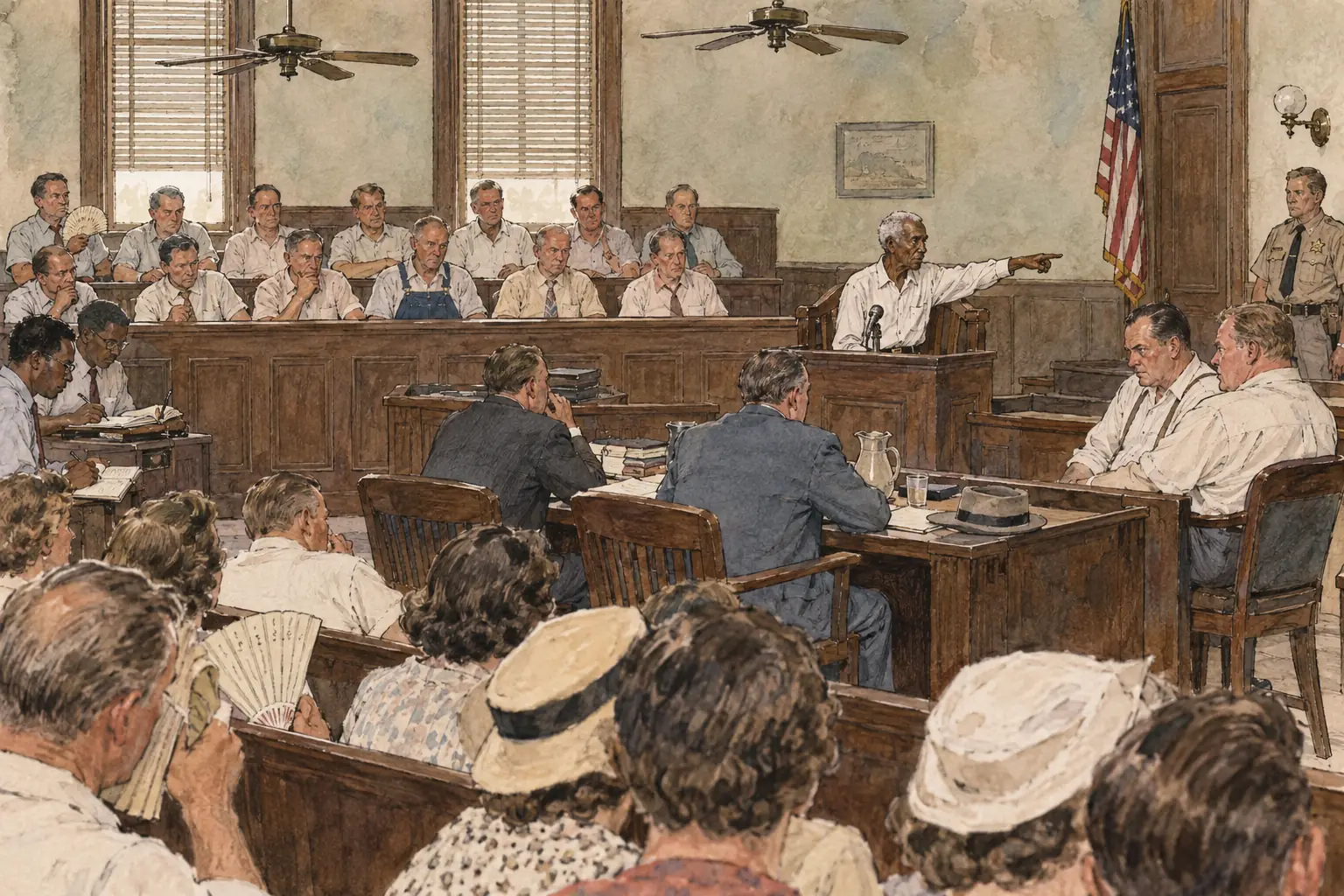
In 1955, the brutal killing of 14-year-old African American Emmett Till in Mississippi became a pivotal moment in exposing the horrors of racial violence. Till, visiting from Chicago, was accused of whistling at a white woman, leading to his abduction, torture, and murder by two white men.
Details and consequences of the Emmett Till case
- The incident - Till was beaten, shot, and dumped in a river with a heavy object tied to his body; his killers were acquitted by an all-white jury despite clear evidence, highlighting systemic injustice.
- Open-casket funeral - Till's mother chose to display his mutilated body in an open coffin, allowing thousands to witness the brutality and drawing massive media attention.
- Media coverage and public reaction - Photographs published in national magazines like Jet shocked the country, shifting public opinion and inspiring greater support for civil rights by illustrating the extreme violence of Southern racism.
The role of Dixiecrats in opposing civil rights
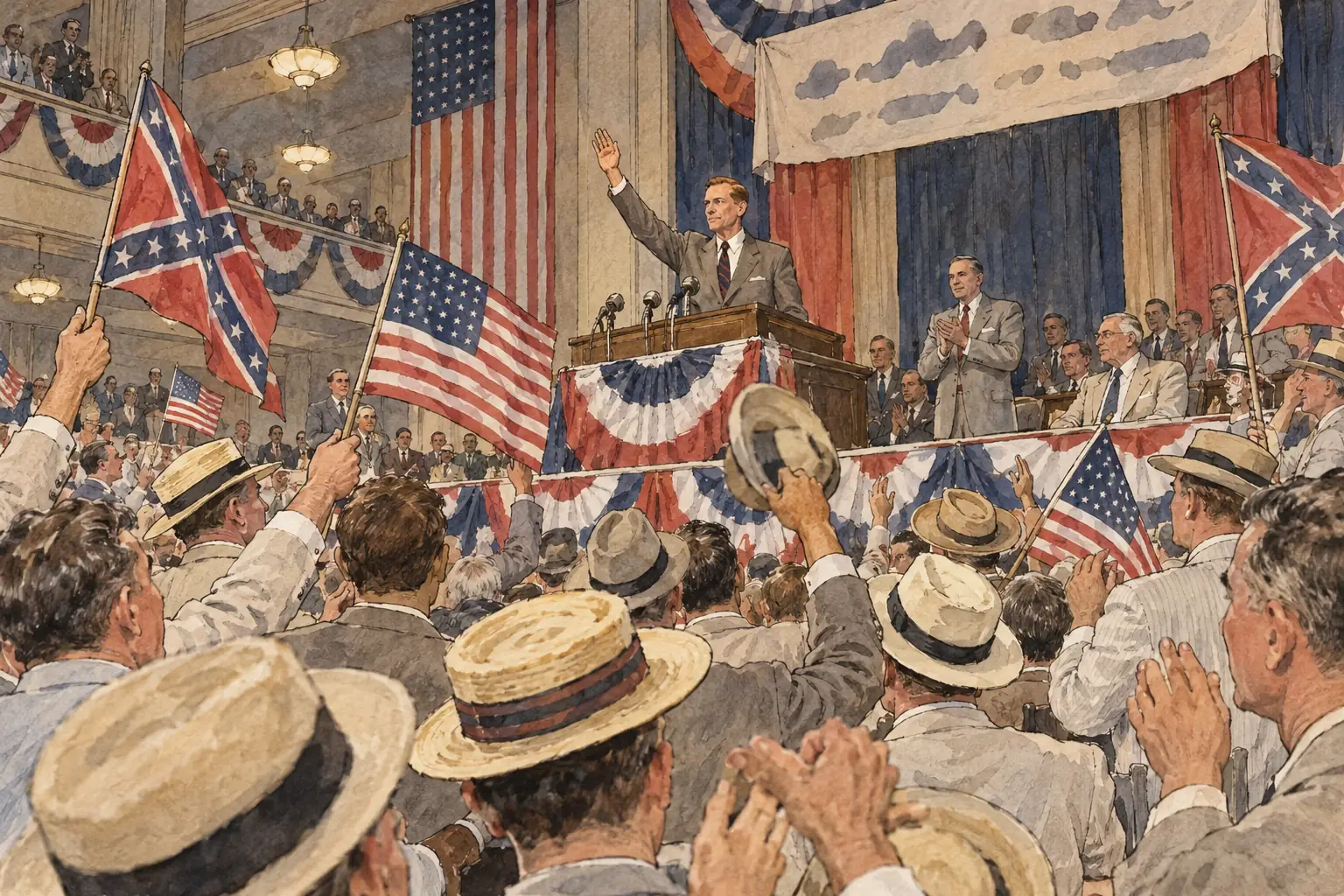
Dixiecrats were a faction of segregationist Southern Democrats who broke away from the national party to resist federal policies promoting racial equality. Emerging in the late 1940s, they sought to protect Southern traditions of segregation against growing national pressure for change.
Key aspects of Dixiecrat opposition
- Formation and ideology - In 1948, they formed the States' Rights Democratic Party to protest President Truman's civil rights platform, nominating their own presidential candidate to defend states' rights over federal intervention.
- Political strategies - Dixiecrats used their influence in Congress to block or weaken civil rights legislation, arguing that federal mandates infringed on Southern autonomy.
- Long-term effects - Their stance contributed to a broader Southern resistance, delaying national progress on issues like voting rights and desegregation until the 1960s.
White Citizens' Councils and Massive Resistance
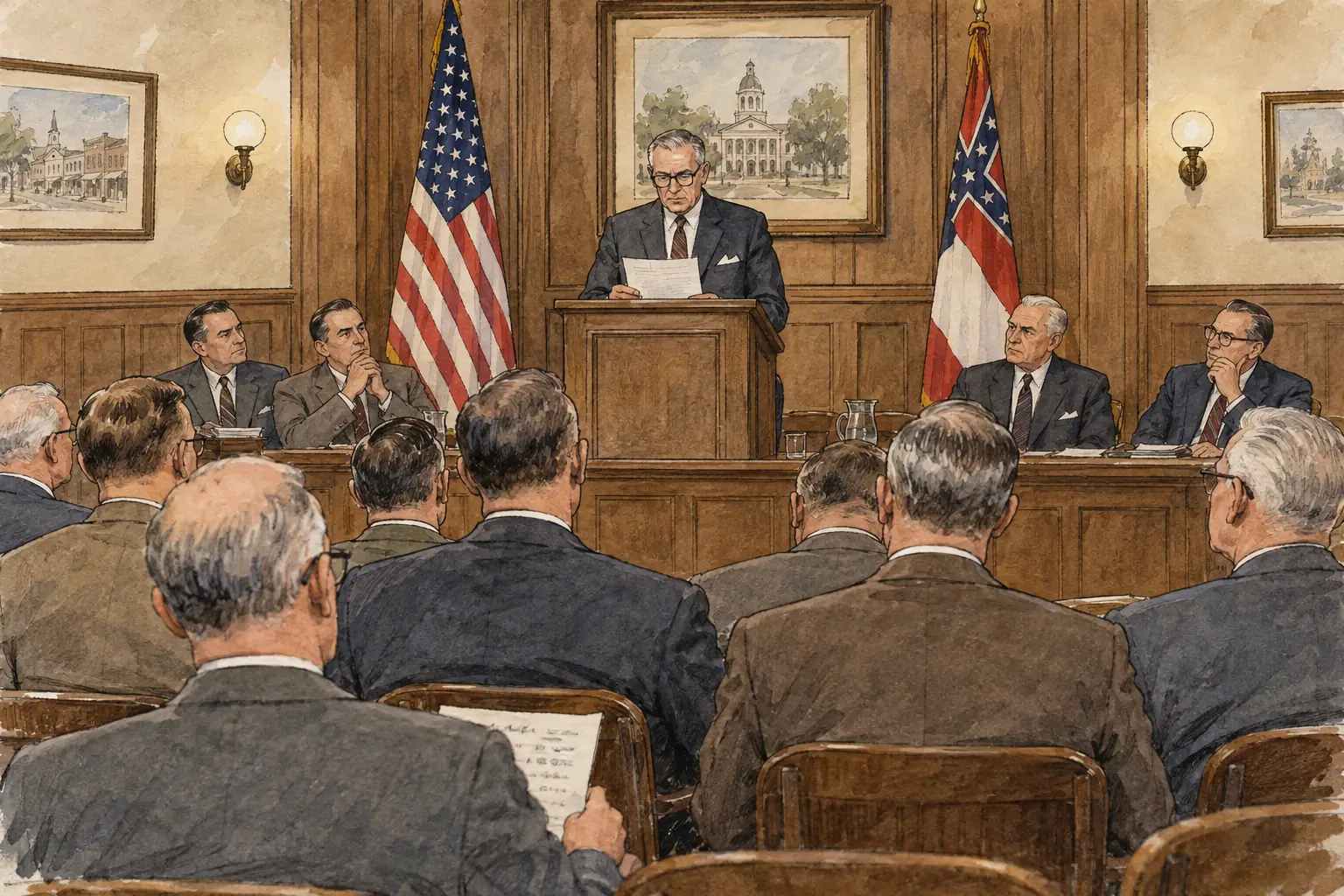
White Citizens' Councils arose in the 1950s as non-violent alternatives to groups like the KKK, focusing on economic and political tactics to maintain segregation. Often called "white-collar Klan," these organisations targeted desegregation efforts following the Brown ruling.
Strategies used by White Citizens' Councils
- Economic pressure - They boycotted businesses supporting integration and denied loans or jobs to African Americans involved in civil rights, using financial leverage to enforce compliance.
- Political lobbying - Councils influenced local and state governments to pass laws resisting federal desegregation orders, including school closures and voucher systems for white students.
- Connection to Massive Resistance - These efforts formed part of the broader "Massive Resistance" campaign, where Southern states collectively defied court rulings on school integration, creating significant obstacles for early civil rights campaigns by prolonging segregation and discouraging activism.