4.5 - Living Standards, Labour & Leisure
Key facts and dates
Under the Nazi regime from 1933 to 1945, policies aimed to control labour while promoting leisure and living standards to gain worker support. These initiatives, led by organisations like the German Labour Front, often prioritised state goals over individual rights, with mixed outcomes for different groups.
Timeline of key events
- 1933 – Trade unions dissolved and replaced by the German Labour Front (DAF), centralising control over workers.
- 1933 – Strength Through Joy (KdF) established to organise subsidised leisure and cultural events.
- 1934 – Beauty of Labour (SdA) launched as a DAF branch to enhance workplace environments.
- 1936 – Working hours extended in preparation for rearmament, affecting many industrial sectors.
- 1938 – Introduction of the Volkswagen savings scheme, promising affordable cars to participants.
- 1939 – Outbreak of war leads to wage freezes and further restrictions on labour conditions.
Replacement of trade unions with the DAF
Following the Nazi rise to power in 1933, independent trade unions were swiftly banned and replaced by the state-controlled German Labour Front (DAF). This organisation, led by Robert Ley, aimed to integrate workers into the national socialist framework, eliminating collective bargaining and strikes.
Key features of the DAF's role in labour control
- Membership and structure - All workers were required to join the DAF, which grew to over 25 million members by the late 1930s, functioning as a single entity that represented both employees and employers under Nazi oversight.
- Control over wages and conditions - The DAF set wage levels and working terms, often prioritising economic productivity for rearmament over worker benefits, with no room for negotiation or protest.
- Suppression of rights - Strikes became illegal, and any dissent was met with harsh penalties, shifting power from workers to the state and aligning labour with Nazi ideology.
Strength Through Joy (KdF) and leisure
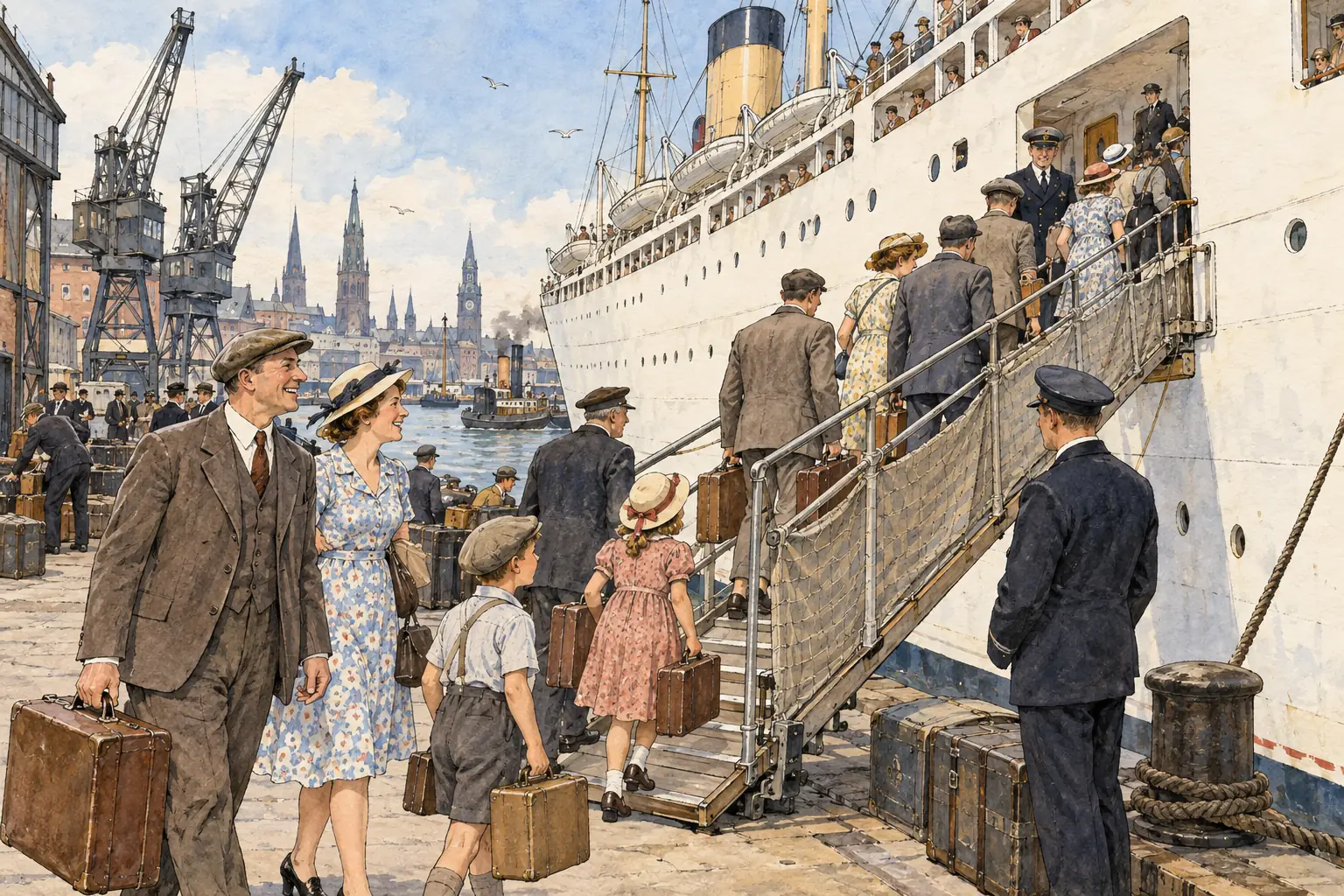
Strength Through Joy (KdF), founded in 1933 as a DAF subsidiary, sought to improve workers' morale by offering affordable leisure opportunities. It promoted the idea that recreation could enhance productivity and loyalty to the regime.
Main activities provided by KdF
- Subsidised holidays - Workers could access low-cost trips to resorts or cruises, with millions participating annually, though these were often overcrowded and propagandistic.
- Cultural events - Affordable access to theatre, concerts, and sports was provided, aiming to foster a sense of community and national pride.
- Broader initiatives - KdF organised hiking, gymnastics, and group outings, targeting urban workers to promote health and regime-approved values, but access was limited for rural or lower-paid groups.
Beauty of Labour (SdA) and workplace improvements
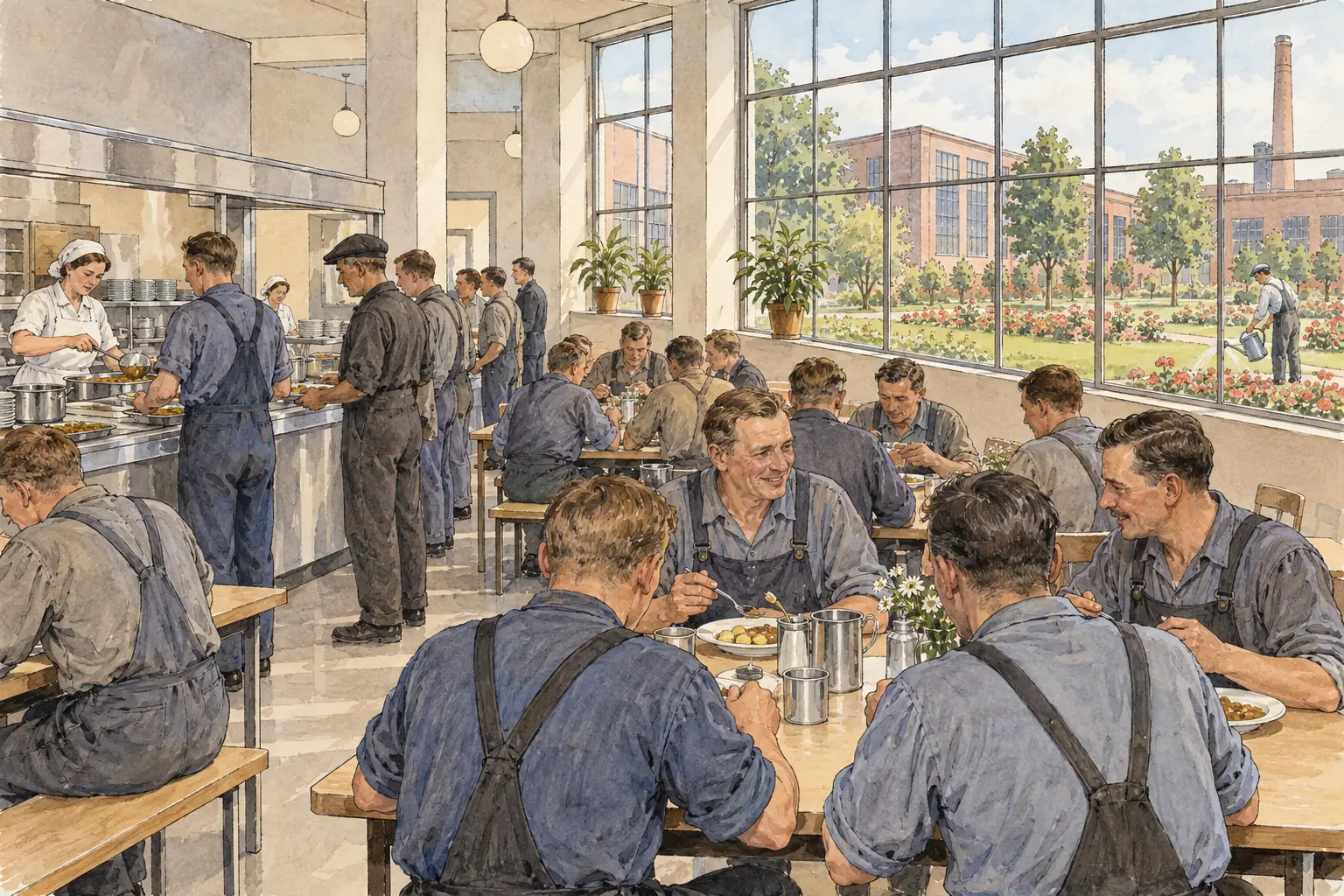
Beauty of Labour (SdA), established in 1934 under the DAF, focused on enhancing the aesthetic and functional aspects of workplaces. It encouraged employers to invest in better facilities to create a more appealing environment aligned with Nazi ideals of order and efficiency.
Improvements promoted by SdA
- Facility upgrades - Campaigns led to the installation of canteens, gardens, and cleaner workspaces in factories, with over 30,000 businesses participating by the late 1930s.
- Worker involvement - Employees were encouraged to contribute unpaid labour for these enhancements, framing it as a communal effort for national benefit.
- Limitations - While some factories saw real changes, the programme often served propaganda purposes, with funding shortages and wartime priorities reducing its impact.
Wage trends, working hours, and consumer schemes
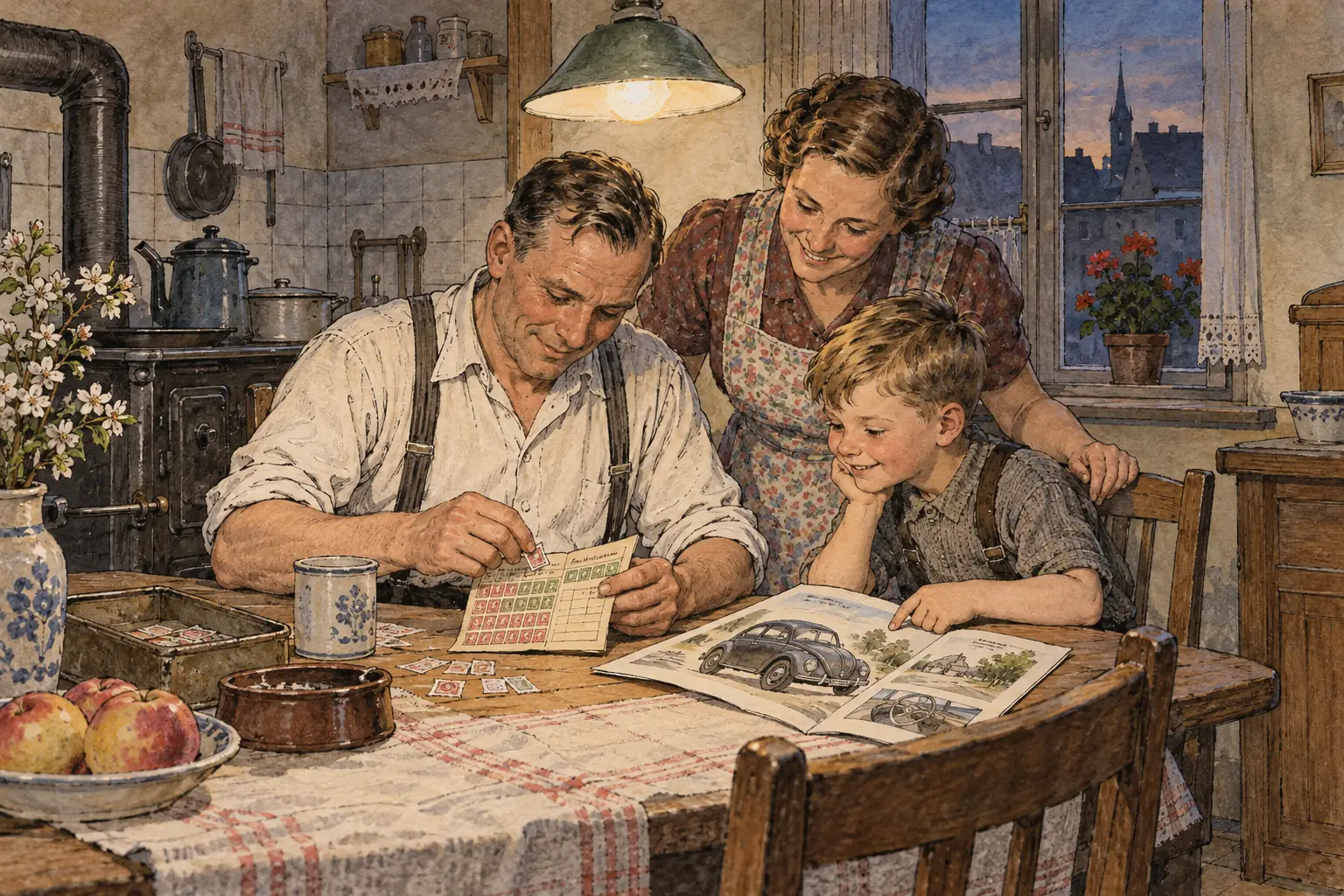
Nazi policies influenced economic aspects of workers' lives through controlled wage structures, extended hours, and incentive-based consumer programmes. These measures aimed to boost production but varied in their benefits across sectors.
Trends in wages and working hours
- Wage patterns - Real wages initially rose slightly in the mid-1930s due to reduced unemployment, but by 1939, they stagnated or fell due to inflation and war demands, particularly affecting unskilled labourers.
- Extended working hours - The standard workweek increased from around 40 hours in 1933 to over 50 hours by 1940, driven by rearmament needs, leading to fatigue among industrial workers.
- Consumer schemes - Initiatives like the Volkswagen savings plan allowed workers to save stamps towards a car, with millions enrolling, though few received vehicles due to wartime production shifts.
Comparison of economic impacts
| Aspect | Pre-1933 trends | 1933–1939 changes | Wartime effects (1939–1945) |
|---|---|---|---|
| Wages | High unemployment depressed pay | Modest increases for some sectors | Freezes and declines due to shortages |
| Working hours | Variable, with union protections | Extended for productivity | Further increases, mandatory overtime |
| Consumer access | Limited by economic crisis | Subsidised goods and savings plans | Rationing reduced availability |
Quality of life for ordinary Germans
Nazi labour and leisure policies had mixed effects on living standards, with some groups experiencing gains while others faced exploitation. Overall, improvements were often superficial and tied to propaganda, benefiting the regime more than individuals.
Factors influencing quality of life changes
- Positive aspects - Reduced unemployment and leisure schemes like KdF provided opportunities for skilled urban workers, enhancing morale and a sense of inclusion in the "people's community".
- Negative aspects - Loss of union rights, longer hours, and wage controls disadvantaged unskilled and female workers, with wartime hardships exacerbating inequalities.
- Who benefited most - Aryan industrial workers in key sectors saw the most gains, while minorities, forced labourers, and rural populations often experienced deterioration in conditions.