4.6 - The Racial State & Minorities
Key facts and dates
The Nazi regime in Germany pursued a racial state based on ideas of Aryan superiority, aiming to create a unified national community while excluding and persecuting minorities. These policies intensified from 1933, using laws, policing, and camps to enforce racial purity and social control.
Timeline of key events
| Date | Event |
|---|---|
| 1933 | Law for the Prevention of Hereditarily Diseased Offspring introduces compulsory sterilisation for those deemed genetically unfit. |
| 1935 | Nuremberg Laws expand racial definitions, targeting Jews and extending to Roma and Sinti as threats to German blood. |
| 1935 | Paragraph 175 of the criminal code strengthened to intensify repression of homosexuals, leading to arrests and convictions. |
| 1936 | Reich Central Office for Combating Homosexuality and Abortion established to coordinate persecution efforts. |
| 1938 | Decree on the Fight Against the Gypsy Plague formalises persecution of Roma and Sinti, including registration and internment. |
| Late 1930s | Concentration camps like Dachau increasingly used to incarcerate asocials, homosexuals, and other minorities. |
Nazi racial hierarchy and the Volksgemeinschaft
The Nazi ideology placed Germans of Aryan descent at the top of a strict racial order, viewing other groups as inferior or harmful. This hierarchy underpinned efforts to build a Volksgemeinschaft, or people's community, which sought to unite 'racially pure' Germans in a harmonious society free from perceived threats.
Core elements of Nazi racial ideology
- Aryan supremacy - Nazis promoted the idea that Nordic or Aryan people represented the ideal race, possessing superior physical and intellectual traits that justified their dominance.
- Inferior groups - Races such as Slavs, Jews, and Africans were ranked lower, seen as subhuman or degenerative, while groups like Roma were labelled as inherently criminal.
- Volksgemeinschaft objectives - The regime aimed to foster national unity by excluding minorities, encouraging loyalty through propaganda, youth organisations, and social programmes that rewarded conformity.
Compulsory sterilisation policies from 1933
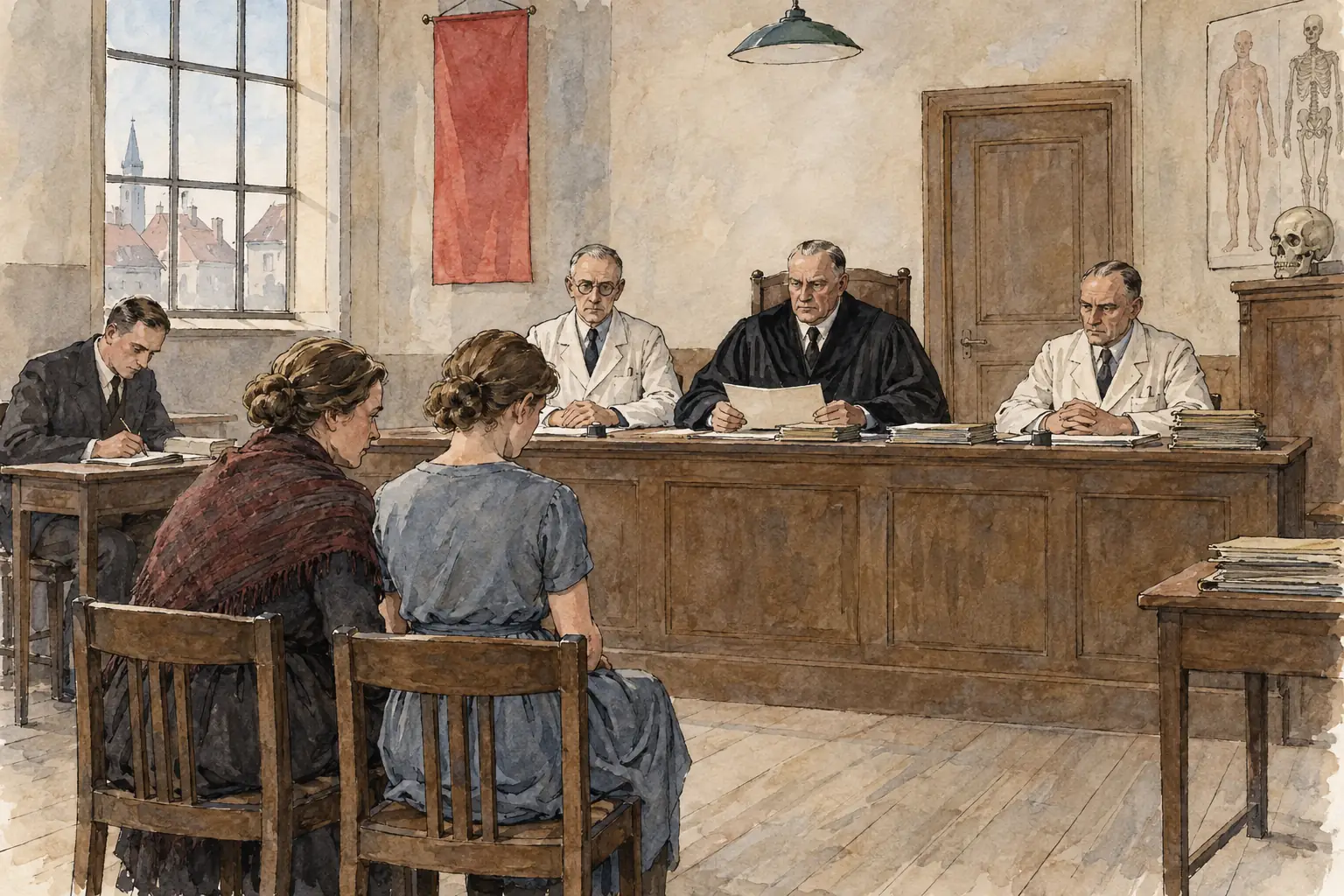
From 1933, the Nazis implemented eugenics-based measures to prevent the reproduction of individuals considered genetically flawed. These policies targeted those with physical or mental disabilities, aiming to 'purify' the German gene pool.
Key aspects of sterilisation laws
- Legislation and scope - The Law for the Prevention of Hereditarily Diseased Offspring allowed for forced sterilisation of people diagnosed with conditions like schizophrenia, epilepsy, or alcoholism, affecting an estimated 400,000 individuals by 1945.
- Implementation process - Genetic Health Courts, staffed by doctors and judges, reviewed cases and ordered procedures, often without consent, based on reports from medical professionals or welfare officials.
- Broader implications - These measures reflected Nazi beliefs in racial hygiene, setting a precedent for more extreme actions like euthanasia programmes in later years.
Persecution of Roma, Sinti, homosexuals, and asocials
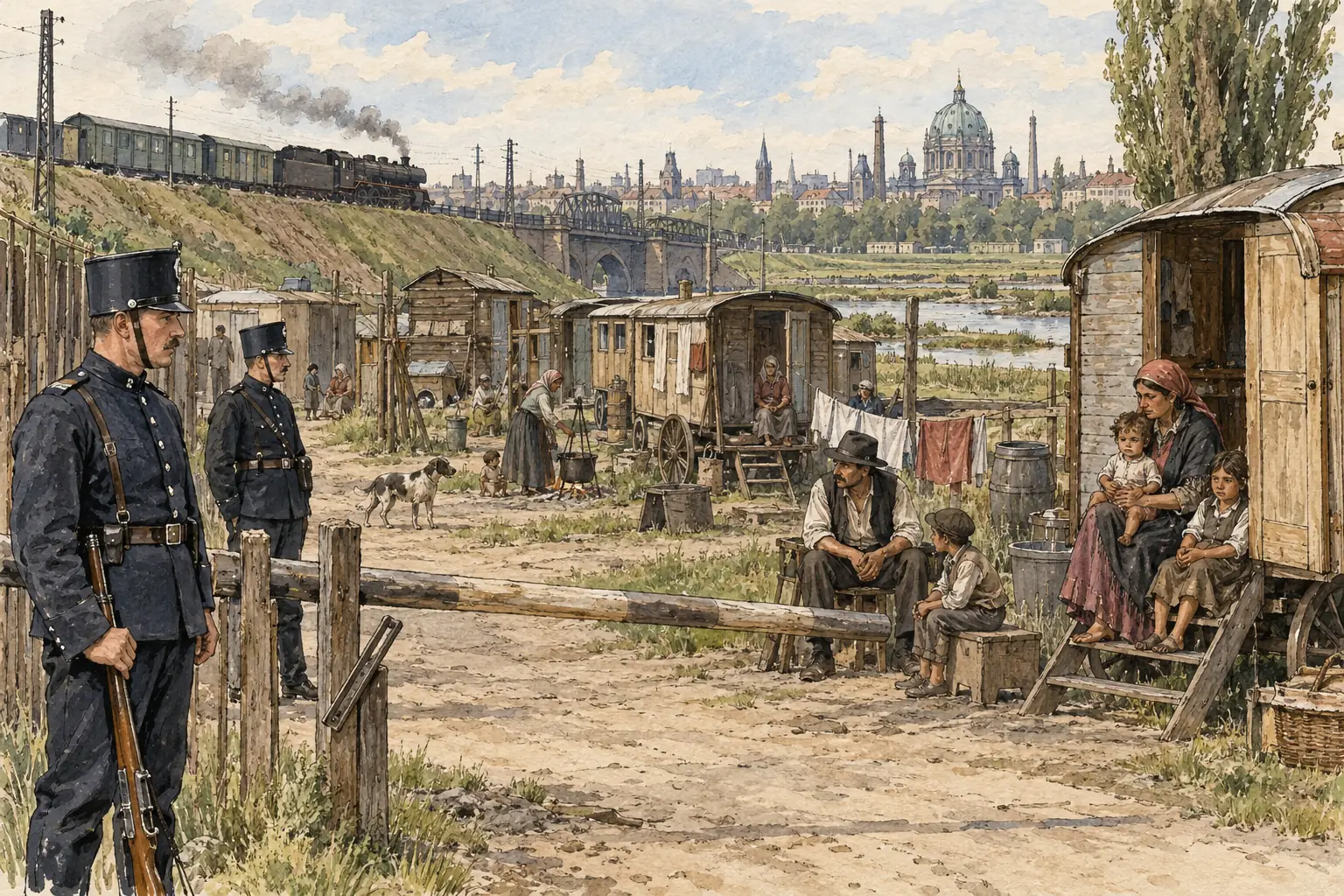
The regime systematically targeted various minority groups seen as deviating from Aryan norms, using laws and social stigma to isolate and punish them. This persecution escalated through the 1930s, blending racial and moral justifications.
Policies toward specific groups
- Roma and Sinti - Labelled as 'gypsies' and viewed as racially inferior and antisocial, they faced registration, forced labour, and internment; by 1938, many were sent to camps, with policies leading to widespread deportations.
- Homosexuals - Under revised criminal laws, male homosexuality was criminalised as a threat to population growth; thousands were arrested, convicted, and sent to camps, where they endured harsh treatment and medical experiments.
- Asocials - Individuals deemed lazy, criminal, or socially unproductive, such as beggars or alcoholics, were labelled and incarcerated; police rounded them up for indefinite detention in concentration camps to 'protect' society.
Marginalisation of Slavs in border regions
In areas bordering Slavic countries, the Nazis increasingly marginalised ethnic Slavs as part of their expansionist and racial policies. This involved cultural suppression and economic discrimination to assert German dominance.
Methods of marginalisation
- Cultural and linguistic restrictions - Slavs in regions like Poland or Czechoslovakia faced bans on their language in schools and public life, with Germanisation efforts promoting Aryan settlement.
- Economic discrimination - Access to jobs, land, and resources was limited for Slavs, who were often relegated to low-status work or displaced to make way for German farmers and workers.
- Ideological justification - Viewed as racially inferior and a barrier to Lebensraum (living space), these policies foreshadowed harsher wartime measures like forced labour and expulsions.
Enforcement through policing and camp systems
By the late 1930s, the Nazi state relied on an extensive network of police forces and concentration camps to implement and enforce its racial policies. These systems ensured compliance and isolated minorities from society.
Role of policing and camps in racial exclusion
- Policing mechanisms - The Gestapo and SS conducted surveillance, arrests, and interrogations, using informants and racial registries to identify and detain targeted groups.
- Concentration camp system - Camps like Dachau and Sachsenhausen expanded to hold 'undesirables', including asocials, homosexuals, and Roma; inmates faced forced labour, brutality, and experimentation under SS control.
- Overall impact - These enforcement tools created a climate of fear, enabling the regime to progressively exclude minorities and consolidate power within the Volksgemeinschaft.