5.1 - Housing & Poverty in Whitechapel
Key facts and dates
Whitechapel in the late 19th century was a stark example of urban poverty in London, with overcrowded slums and harsh living conditions that fuelled social issues and crime. Reform efforts and social studies highlighted the area's deprivation, influencing later improvements in housing and welfare.
Key facts to remember
- Rookeries – Overcrowded slum buildings where multiple families shared filthy, unsanitary spaces.
- Peabody Estate (1881) – Model housing project providing affordable, clean flats to replace slums.
- Whitechapel Workhouse – Institution on South Grove offering relief through hard labour and strict rules.
- Dorset Street and Thrawl Street – Notorious areas for crime due to dark, maze-like alleys.
- Charles Booth's poverty map – Identified Whitechapel as one of London's most impoverished districts.
- Life expectancy – Low due to disease from poor sanitation and overcrowding.
Housing conditions and overcrowding in Whitechapel
Image 1 of 2: In the rookeries a whole family often lived in a single damp room
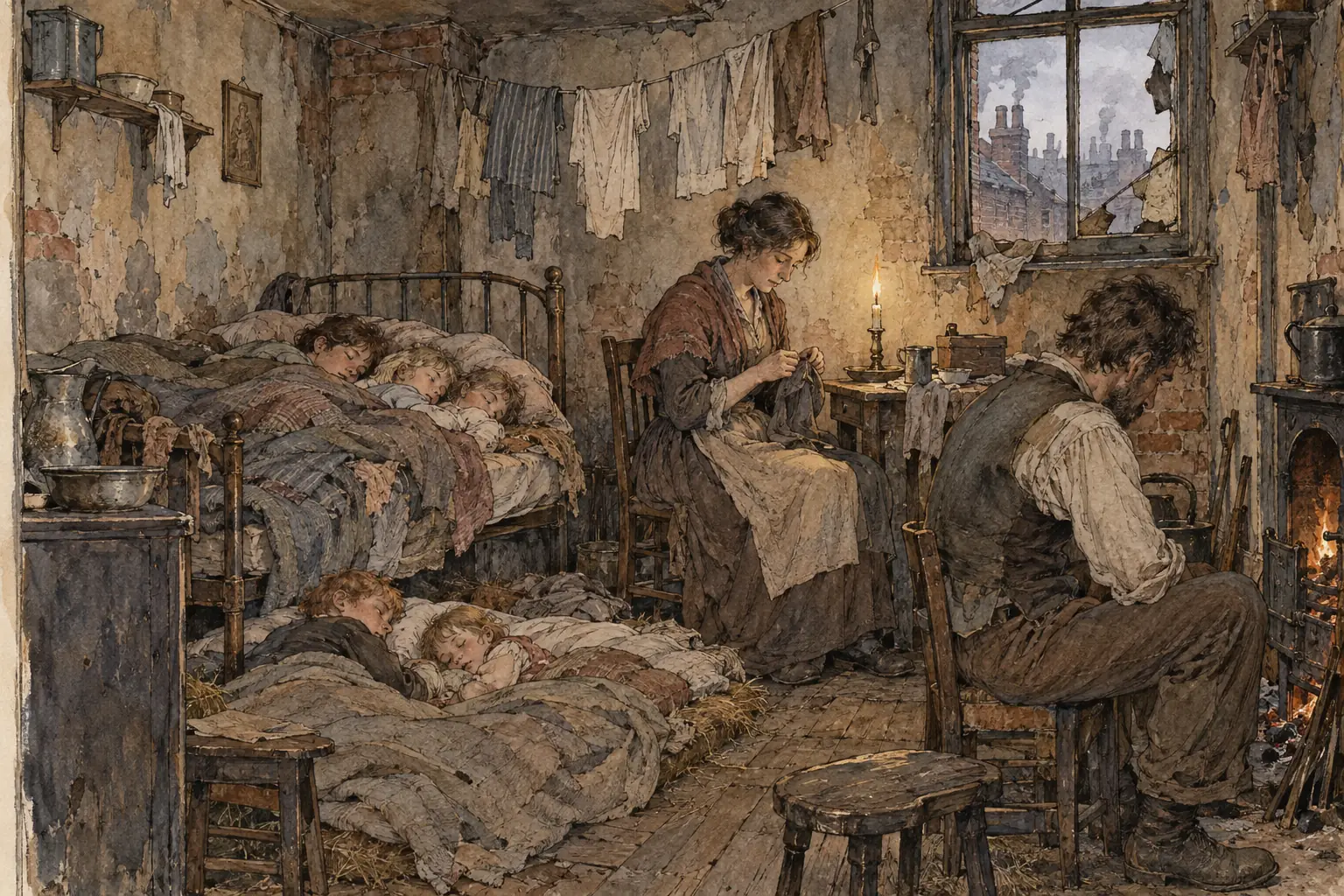
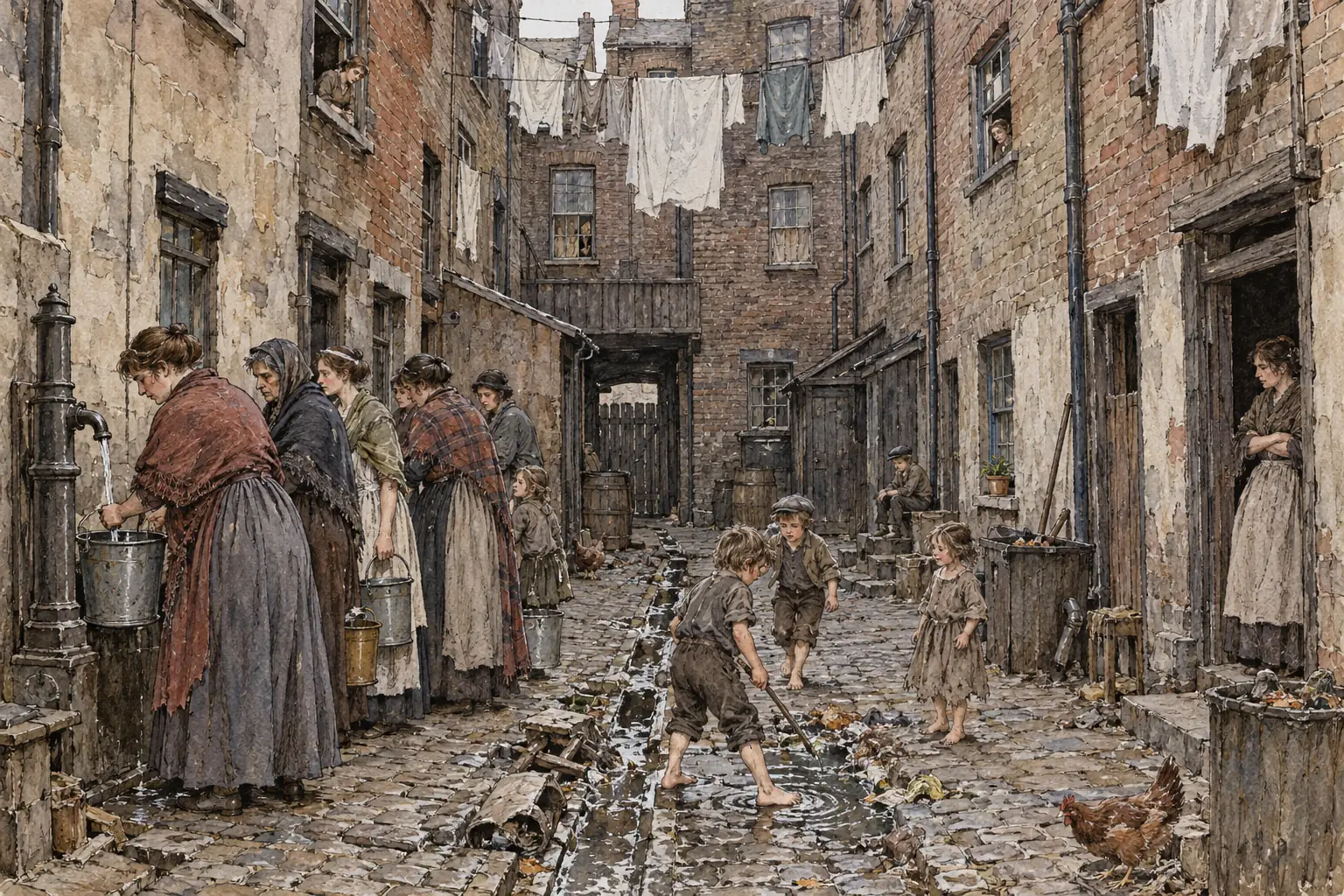
In the late 19th century, Whitechapel stood out as a densely populated inner-city district in London, plagued by extreme poverty. Its housing reflected the broader challenges of rapid urban growth, where inadequate infrastructure left residents in dire circumstances.
Features of slum housing in Whitechapel
- Rookeries and tenements - These rundown buildings housed large numbers of people in cramped conditions, with entire families often squeezed into a single, grimy room lacking basic amenities.
- Sanitation issues - Open drains and scarce access to fresh water created unsanitary environments, where waste accumulated and contributed to frequent outbreaks of illness.
- Health consequences - The combination of dirt, overcrowding, and poor hygiene led to widespread diseases, significantly shortening average lifespans in the area.
Attempts to improve housing
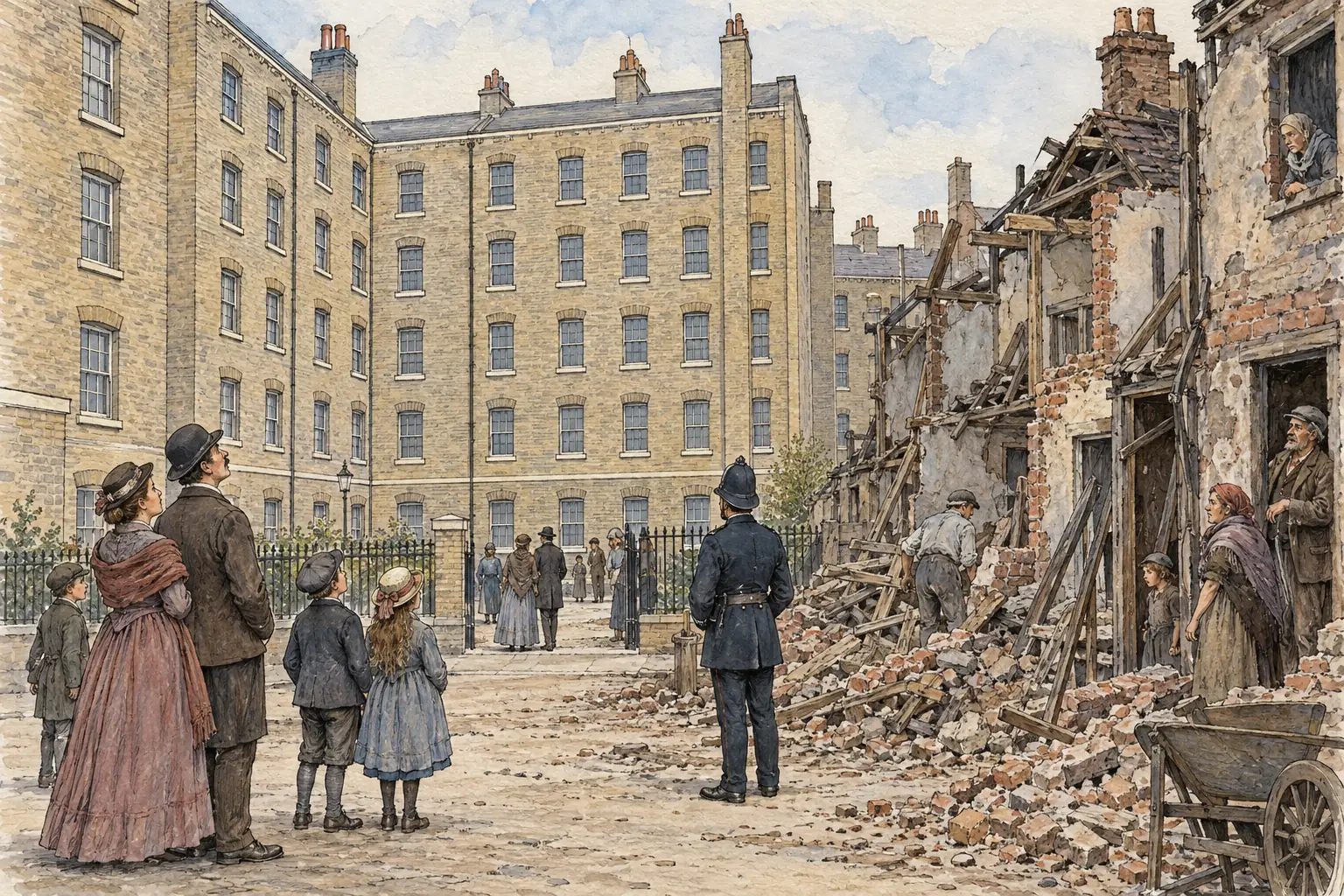
Efforts to address Whitechapel's housing crisis emerged in the late 19th century, driven by philanthropists and trusts aiming to replace the worst slums with better alternatives. These initiatives offered some progress but fell short of meeting the scale of need.
Key housing reform projects
- Peabody Estate (1881) - Funded by the Peabody Trust, this development introduced blocks of hygienic, low-cost flats designed to provide decent living spaces for working families.
- Limited impact - While such projects cleared some dilapidated areas and improved conditions for a small number of residents, they could not accommodate the majority facing homelessness or substandard lodgings.
Provision for the destitute through workhouses
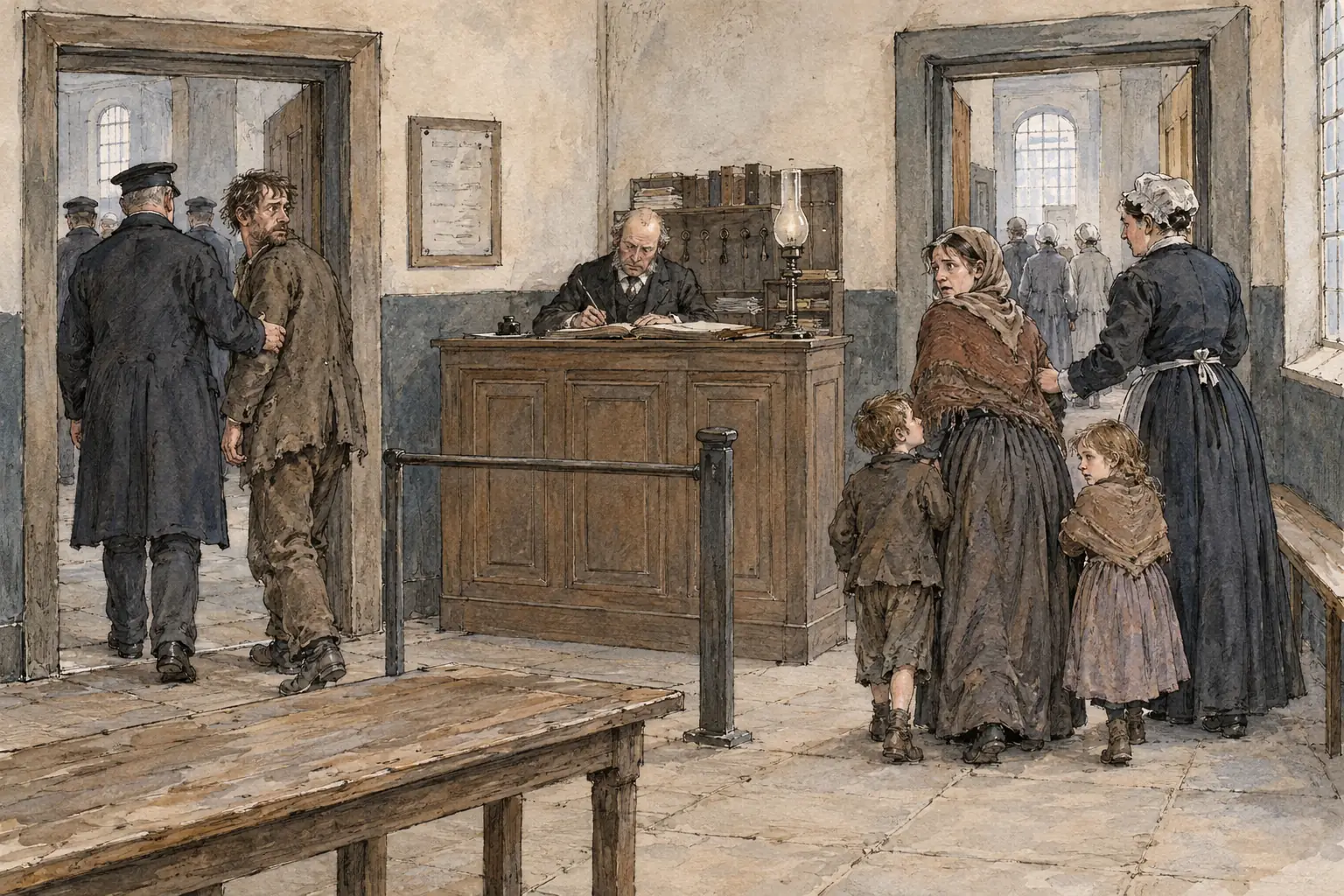
For those unable to afford even basic shelter, workhouses served as a grim safety net in Whitechapel. These institutions aimed to support the poorest while deterring reliance on public aid through punitive measures.
Characteristics of workhouse life
- Whitechapel Workhouse on South Grove - This facility required inmates to perform demanding tasks in return for food and lodging, enforcing a rigid daily routine to instil discipline.
- Harsh policies - Families were split apart upon entry, and conditions were made intentionally unpleasant to discourage applications, reflecting the era's view that poverty stemmed from personal failings.
- Public attitudes - Many locals dreaded the workhouse due to its humiliating atmosphere, yet it remained a vital option for those at risk of starvation amid widespread joblessness.
Link between poverty and crime
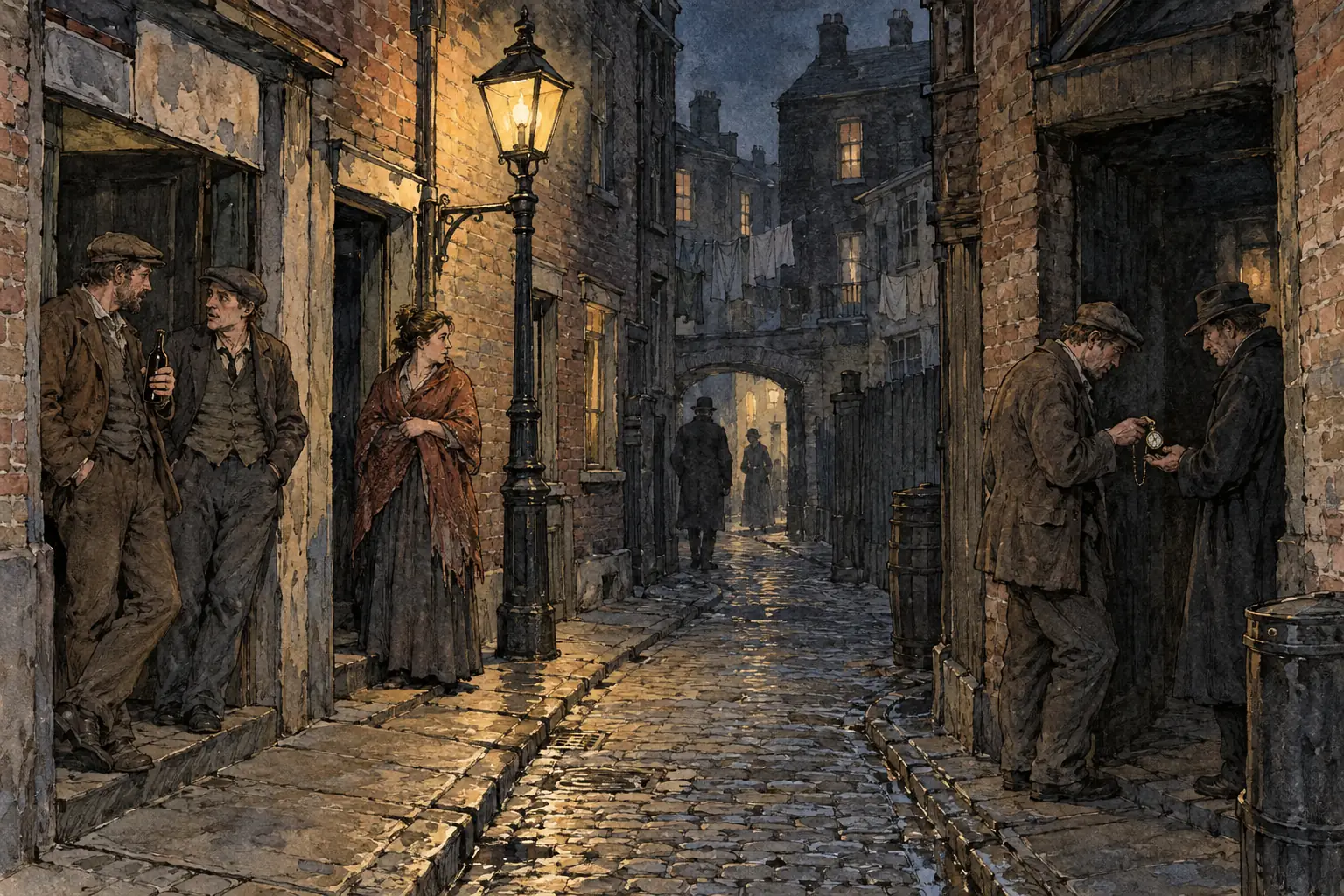
Whitechapel's economic hardships directly contributed to higher levels of criminality, as desperation pushed individuals towards illegal means of survival. The district's layout further complicated efforts to maintain order.
How poverty fuelled criminal activity
- Desperation-driven offences - Unemployment and financial strain led some to theft or sex work as ways to secure basic needs like food or rent.
- Environmental factors - Narrow, poorly lit streets created ideal spots for hiding illicit dealings, making it challenging for authorities to patrol effectively.
- Notorious locations - Areas such as Dorset Street and Thrawl Street gained reputations for danger, hosting a range of unlawful activities from smuggling to violent confrontations.
Social discontent and investigations into poverty
Residents of Whitechapel grappled with mounting frustration over their living conditions, exacerbated by exploitation and neglect from wealthier parts of society. This unrest drew attention from reformers and researchers.
Sources of social frustration
- High rents for poor quality - Landlords charged exorbitant fees for dilapidated properties, leaving tenants trapped in cycles of debt and dissatisfaction.
- Indifference from outsiders - Affluent Londoners often ignored the plight of Whitechapel, viewing its problems as distant or self-inflicted.
- Investigations by social reformers - Charles Booth's detailed poverty maps revealed Whitechapel as a hotspot of deprivation, using data to illustrate residents' hardships and advocate for change.