5.2 - Immigration & Life in Whitechapel
Key facts and dates
Whitechapel in the late 19th century was a densely populated, impoverished district in London's East End, characterised by economic hardship, transient residents, and waves of immigration that shaped its social fabric. These factors created a challenging environment for maintaining order and community cohesion.
Key facts to remember
- Mid-19th century – Irish immigrants arrive in large numbers, fleeing the Great Famine and seeking labouring jobs.
- 1880s – Fenian terrorist bombings by Irish nationalists heighten anti-Irish stereotypes and discrimination.
- 1881 onwards – Eastern European Jews flee pogroms in the Russian Empire, settling in areas like Brick Lane.
- By 1888 – Parts of Whitechapel have a majority Jewish population, leading to vibrant communities but also rising antisemitism.
- Common occupations – Unskilled casual labour in sweatshops, docks, or construction, often temporary and low-paid.
- Social features – Widespread use of lodging houses, numerous pubs contributing to alcohol abuse, and a transient population fostering isolation.
Work and employment conditions in Whitechapel
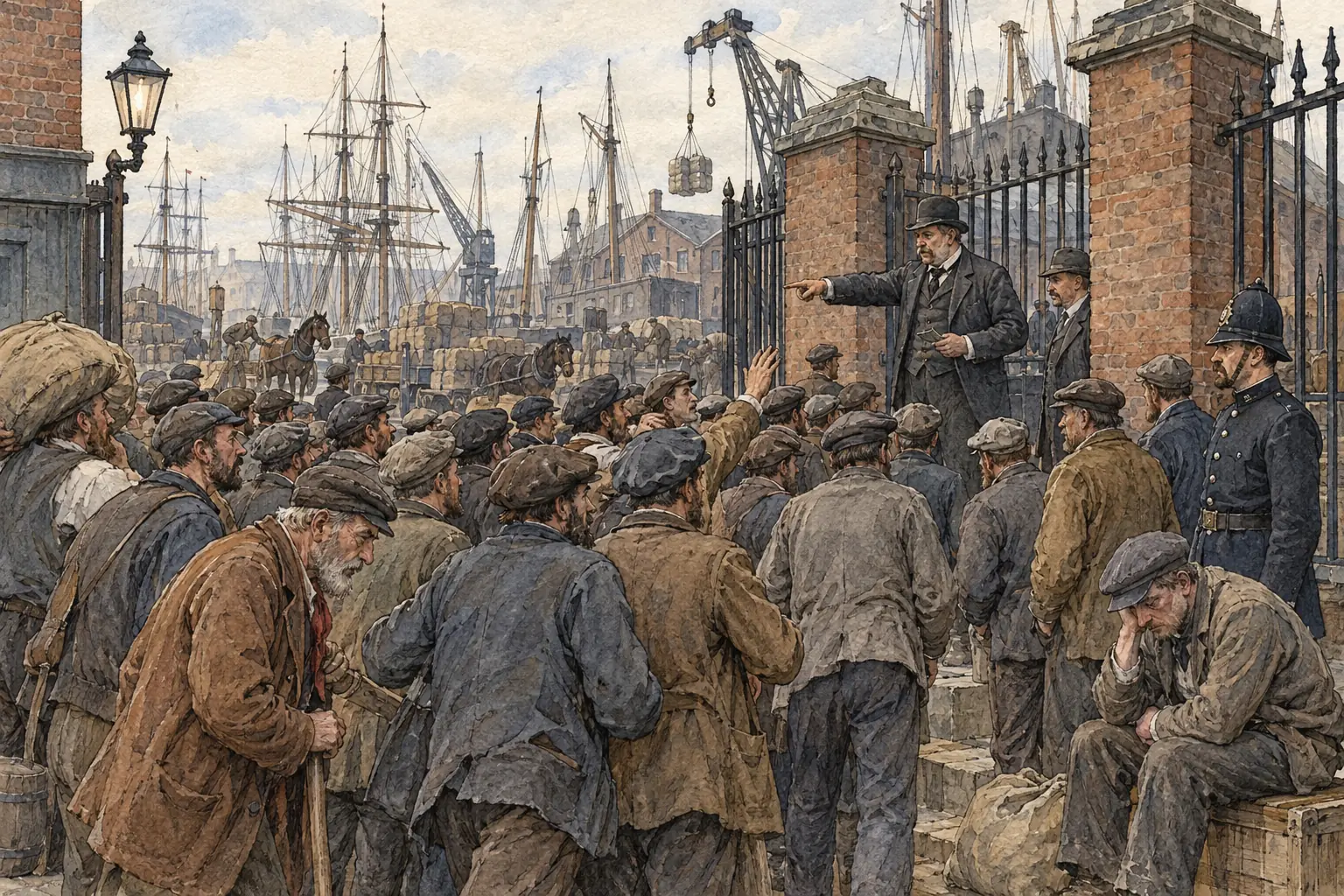
Whitechapel suffered from a persistent shortage of job opportunities, with most residents engaged in low-skilled or irregular work. This economic instability contributed to widespread hardship and made daily survival a constant struggle for many families.
Types of work and their challenges
- Casual and unskilled labour - Many people worked as temporary labourers in roles such as dock unloading, building sites, or garment-making in small workshops, where employment could end abruptly without notice.
- Low wages and underemployment - Even those with jobs earned minimal pay, often insufficient to cover basic needs, leading to cycles of poverty where individuals remained jobless for extended periods.
- Impact on living standards - The irregularity of work forced reliance on whatever opportunities arose, exacerbating financial insecurity and pushing families towards desperate measures to make ends meet.
Social issues arising from poverty
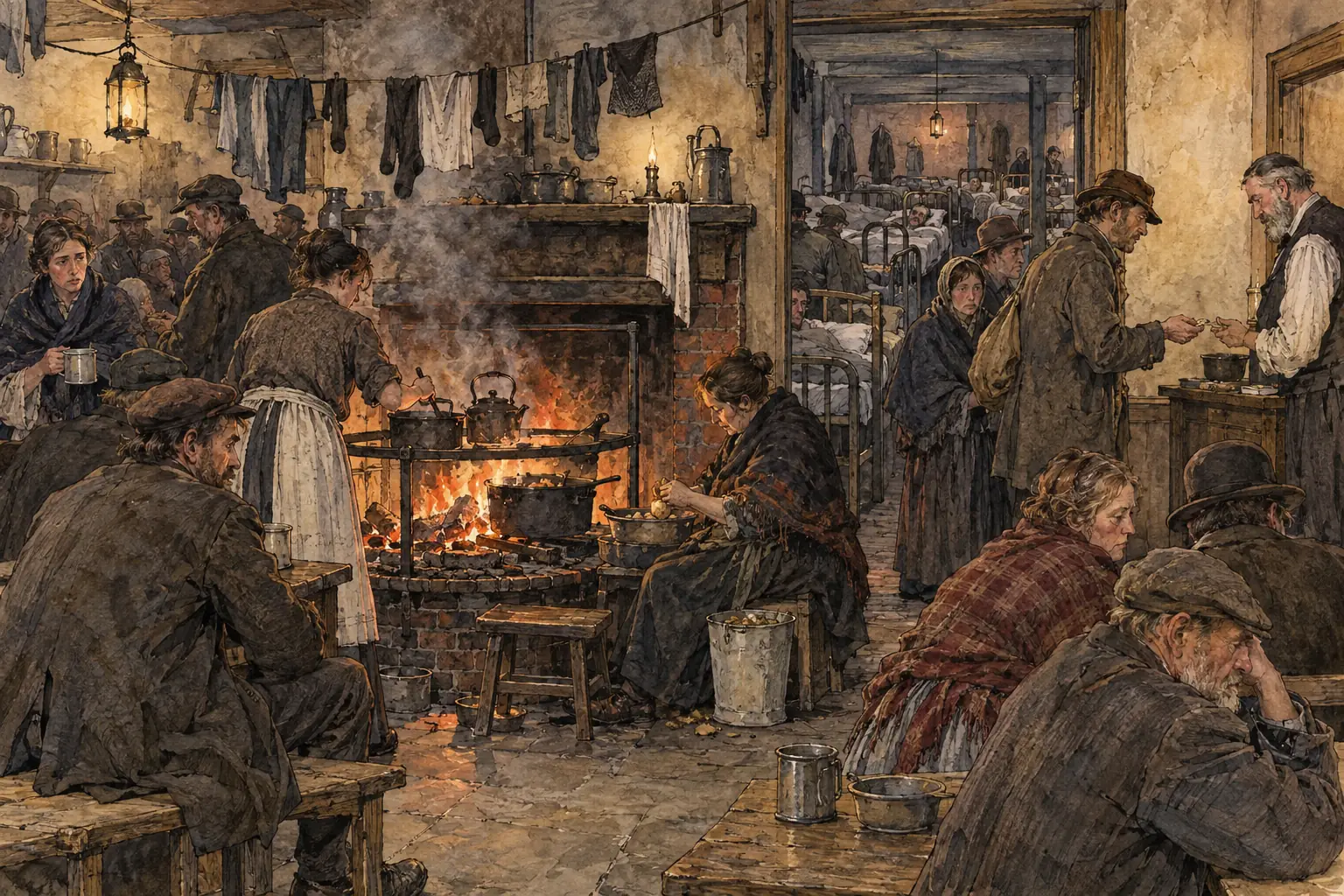
The extreme poverty in Whitechapel gave rise to numerous interconnected problems, affecting housing, community ties, and personal well-being. These conditions created an environment where social breakdown was common, influencing everything from family life to public order.
Key social problems linked to poverty
- Lodging houses - These provided affordable nightly accommodation in overcrowded rooms, attracting homeless or low-income individuals, but they resulted in a constantly changing population that hindered the formation of stable neighbourhoods.
- Isolation and crime - With residents frequently moving and having few ties to others, trust was low, which increased feelings of loneliness and made criminal activities more likely due to reduced community oversight.
- Alcohol abuse - The district had many public houses and drinking establishments where people turned to alcohol to cope with difficulties, often leading to domestic violence, family breakdown, and health issues.
Impact of Irish immigration on the community
Irish immigrants formed a significant part of Whitechapel's population from the mid-1800s, drawn by the availability of cheap housing and manual work. Their presence added to the area's diversity but also introduced specific social challenges.
Characteristics and experiences of Irish immigrants
- Reasons for migration - Many arrived after escaping the potato famine in the 1840s, seeking employment as general labourers in construction or at the docks.
- Discrimination and stereotypes - They encountered prejudice, often being labelled as prone to heavy drinking or aggression, with tensions escalating due to political violence like the nationalist bombings in the 1880s.
- Community integration - Despite hardships, Irish groups established support networks, though ongoing bias limited their acceptance and contributed to broader social divisions.
Impact of Eastern European Jewish immigration
Image 1 of 3: From 1881 thousands of Jewish families fleeing persecution in the Russian Empire arrived in London
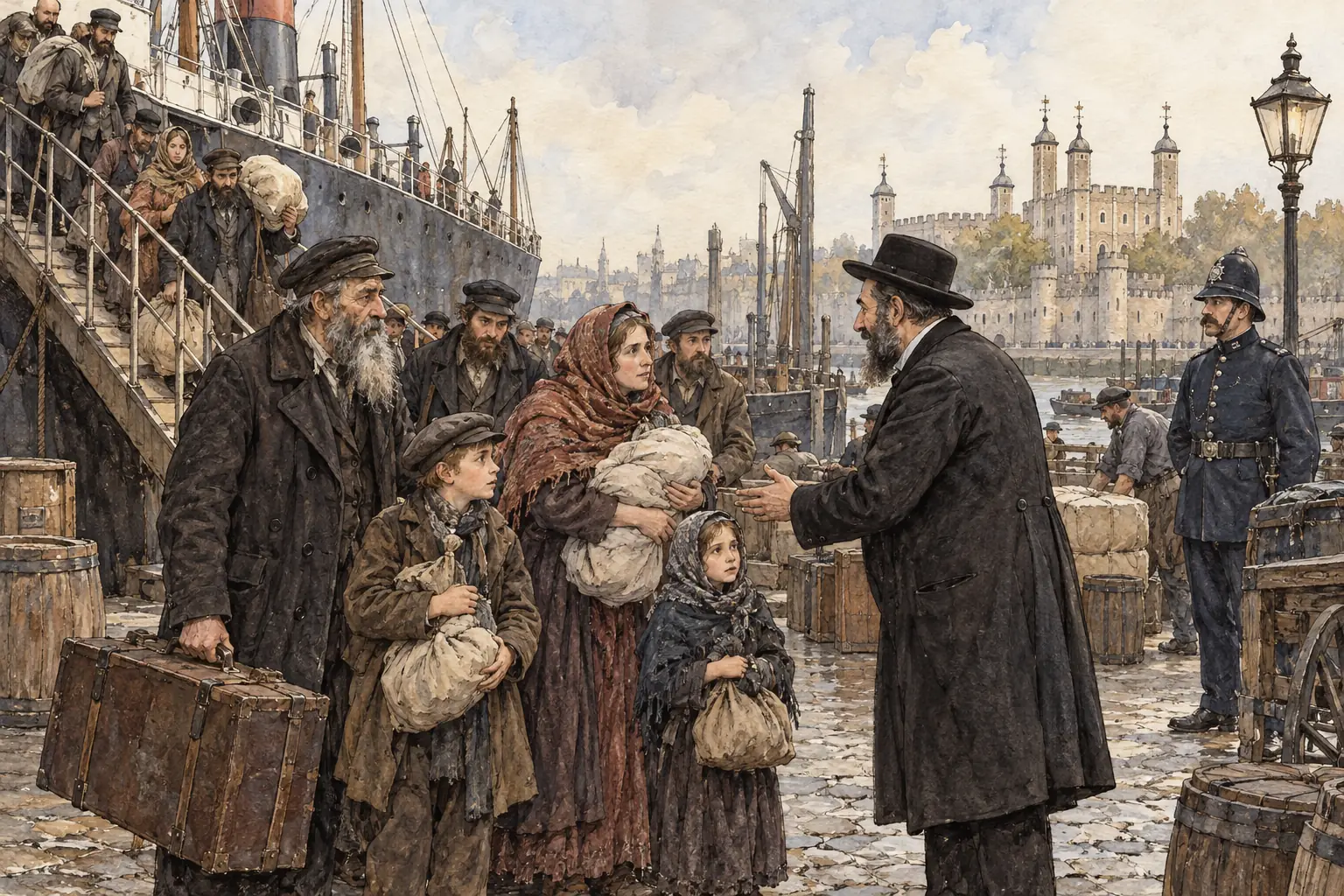
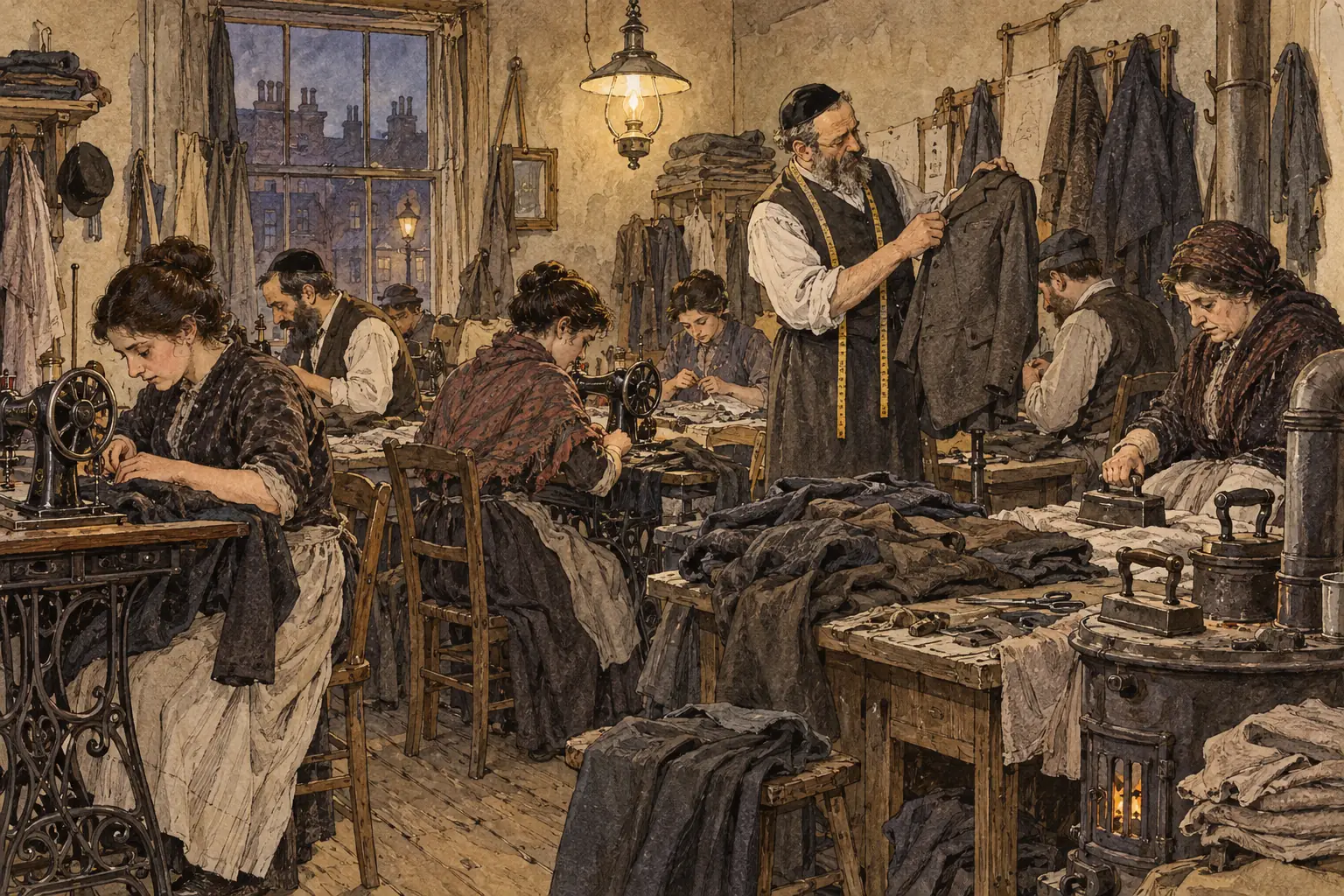
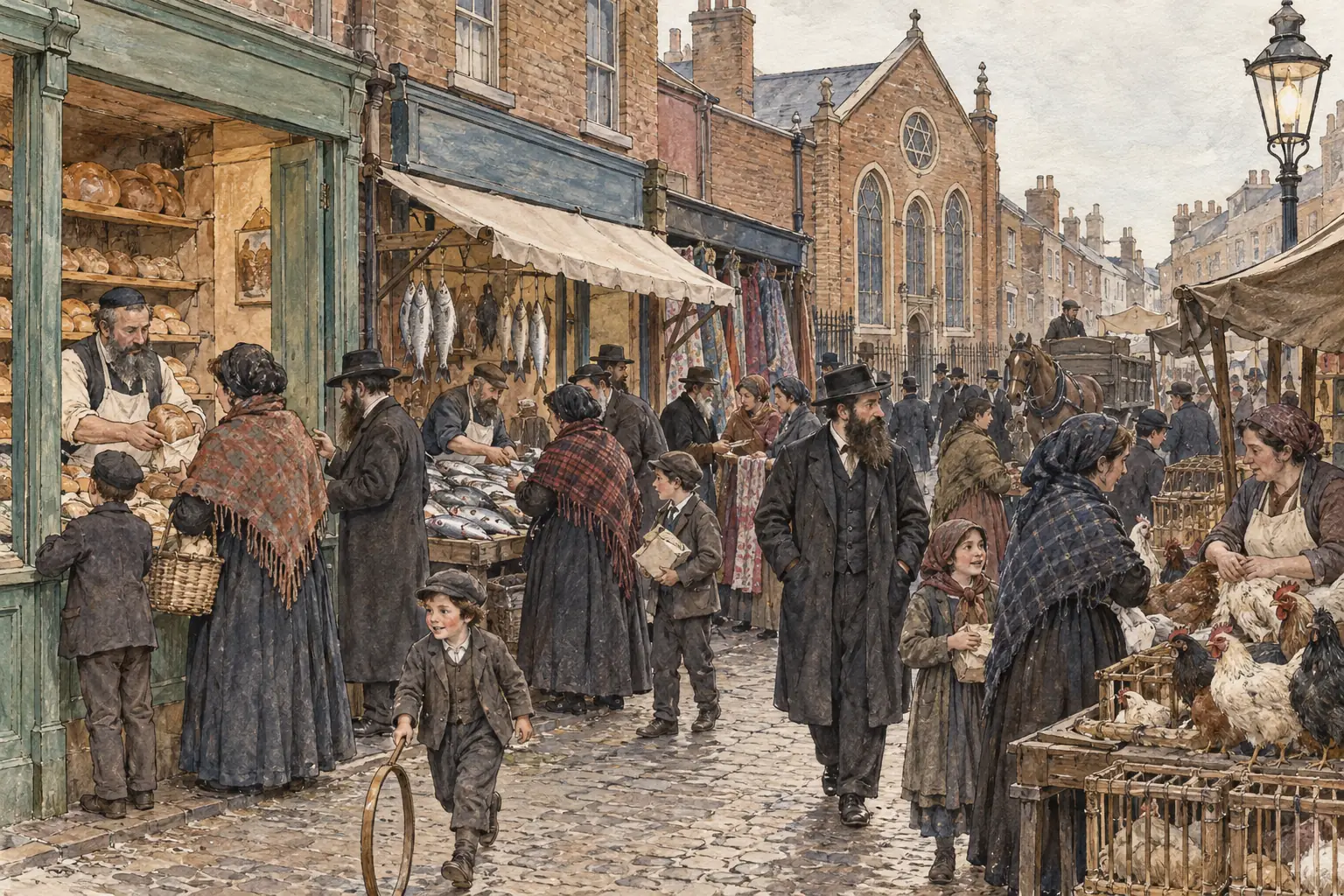
A major influx of Jewish immigrants from Eastern Europe occurred in the 1880s, transforming parts of Whitechapel into bustling ethnic enclaves. While they brought cultural richness, their arrival also strained local resources and relations.
Features of Jewish immigration and settlement
- Causes of arrival - Thousands escaped violent attacks and discrimination in places like Russia, particularly after intensified persecution from 1881, settling in affordable areas such as Wentworth Street.
- Community development - By the late 1880s, neighbourhoods like Brick Lane had predominantly Jewish residents who built synagogues, shops, and cultural institutions, fostering a sense of belonging.
- Economic contributions - Many worked in tailoring or small trades, adding to the local economy but competing with existing workers for limited jobs and accommodation.
Social tensions and community dynamics
The mix of native Londoners, Irish, and Jewish residents in Whitechapel created a diverse but often fractious society. Differences in culture, religion, and economic pressures frequently led to conflicts, complicating efforts to build unity.
Sources of tension and their effects
- Competition and resentment - Established locals often blamed immigrants for scarce housing and employment, viewing them as rivals who drove down wages through their willingness to accept poor conditions.
- Cultural and religious barriers - Language differences and distinct customs, such as Jewish traditions, created misunderstandings, while antisemitic attitudes unfairly linked Jewish people to local crimes or economic woes.
- Overall community impact - These frictions increased suspicion and occasional violence, yet the diversity also enriched Whitechapel's character, highlighting the complexities of managing a multicultural, impoverished district.