1.2 - The Religious Settlement
Key facts and dates
Elizabeth I's religious settlement in 1559 aimed to end years of religious conflict by creating a balanced approach that appealed to both Catholics and Protestants. This compromise helped stabilise England, though it faced some resistance from those with stronger religious views.
Timeline of key events
- 1558 – Elizabeth I ascends the throne, inheriting a nation divided by religious changes under previous monarchs.
- 1559 – Act of Supremacy establishes Elizabeth as Supreme Governor of the Church of England.
- 1559 – Act of Uniformity introduces a moderate Protestant form of worship and a new Book of Common Prayer.
- 1559 – Royal Injunctions enforce the new religious rules, including placing English Bibles in churches.
- Late 1559 – Around 80% of clergy accept the settlement, marking its broad initial success.
Elizabeth's religious settlement of 1559
Upon taking the throne, Elizabeth I prioritised addressing the religious divisions that had plagued England through the reigns of her predecessors. The settlement she introduced in 1559 sought to create a unified national church that could accommodate diverse beliefs without provoking widespread unrest.
Aims and nature of the religious settlement
- Resolving turmoil - The settlement responded to the shifts between Catholicism and Protestantism under Henry VIII, Edward VI, and Mary I, aiming to prevent further conflict by promoting a moderate path.
- Compromise approach - It blended elements of Protestant doctrine with some Catholic traditions, such as retaining certain rituals while emphasising scripture in English, to foster inclusivity.
- Unifying the nation - By establishing a single Church of England, the settlement intended to bring Catholics and Protestants together under one framework, reducing the risk of civil strife.
Act of Supremacy and Act of Uniformity
The religious settlement was underpinned by two major acts passed in 1559, which defined the structure and practices of the Church of England. These laws balanced authority and worship to appeal to a broad audience.
Provisions of the Act of Supremacy
- Elizabeth's title - Declared the queen as Supreme Governor of the Church of England, a less controversial role than Supreme Head to avoid offending Catholics who recognised the Pope.
- Oath of allegiance - Required all clergy and royal officials to swear loyalty to Elizabeth in her religious capacity, ensuring alignment with the new order.
- Enforcement measures - Those refusing the oath faced penalties, including loss of position, to secure compliance across the church hierarchy.
Provisions of the Act of Uniformity
- Worship standards - Mandated a moderate Protestant style of services, incorporating a new Book of Common Prayer written in English for accessibility.
- Church appearance - Specified guidelines for the layout of churches and conduct of services, mixing Protestant simplicity with Catholic familiarity to minimise alienation.
- National consistency - Aimed to standardise religious practices across England, promoting unity while allowing some flexibility in interpretation.
Role of Royal Injunctions
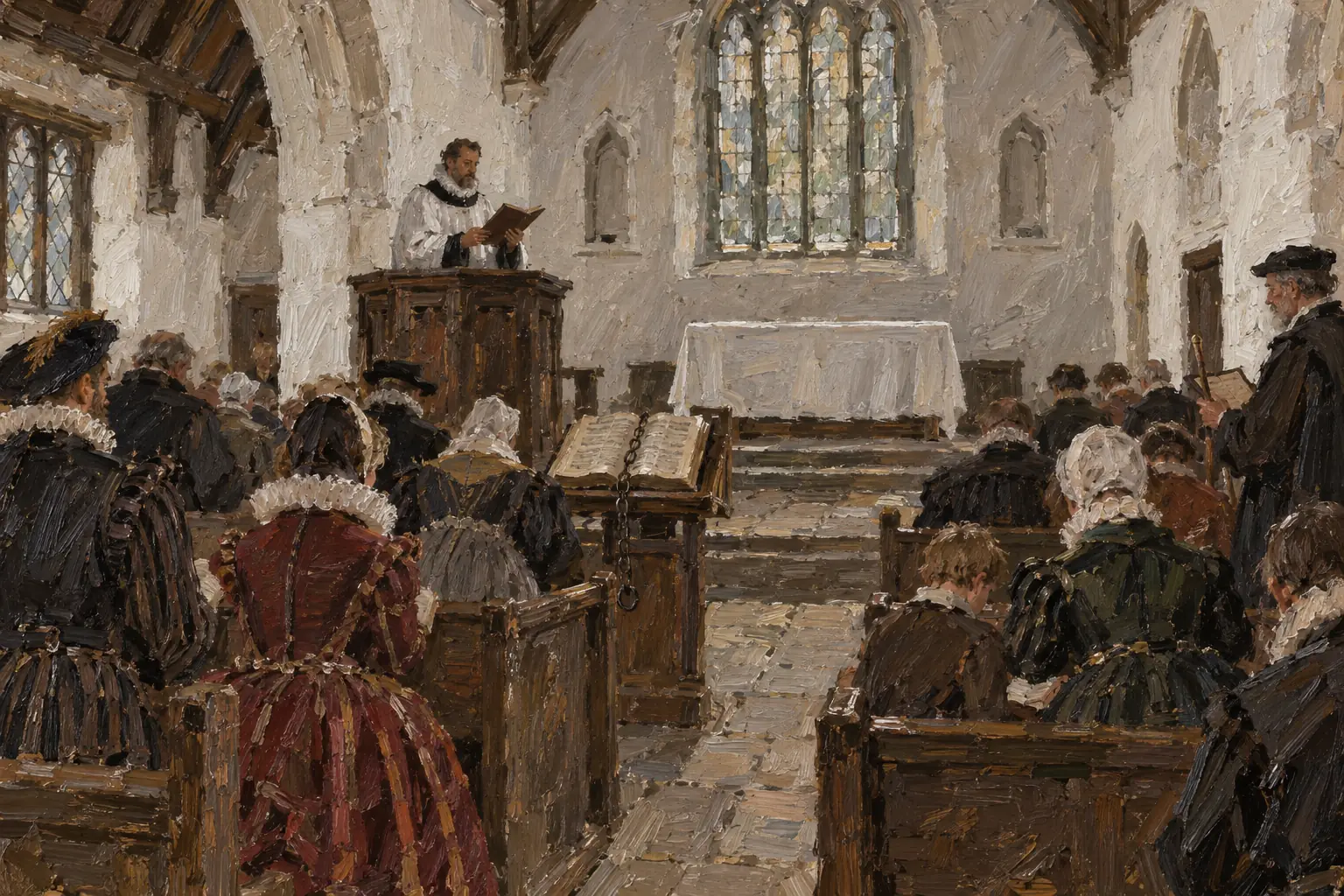
To implement and reinforce the Acts of Supremacy and Uniformity, Elizabeth issued a set of Royal Injunctions in 1559. These provided practical directives for clergy and parishes, bridging the gap between legislation and everyday practice.
Key instructions in the Royal Injunctions
- Service conduct - Detailed how sermons and rituals should be performed, emphasising Protestant teachings while retaining some traditional elements.
- Bible placement - Required every church to have an English Bible available, encouraging personal reading and aligning with Protestant values.
- Preaching and education - Mandated regular sermons to promote the settlement's principles, ensuring the message reached congregations nationwide.
Impact and acceptance of the settlement
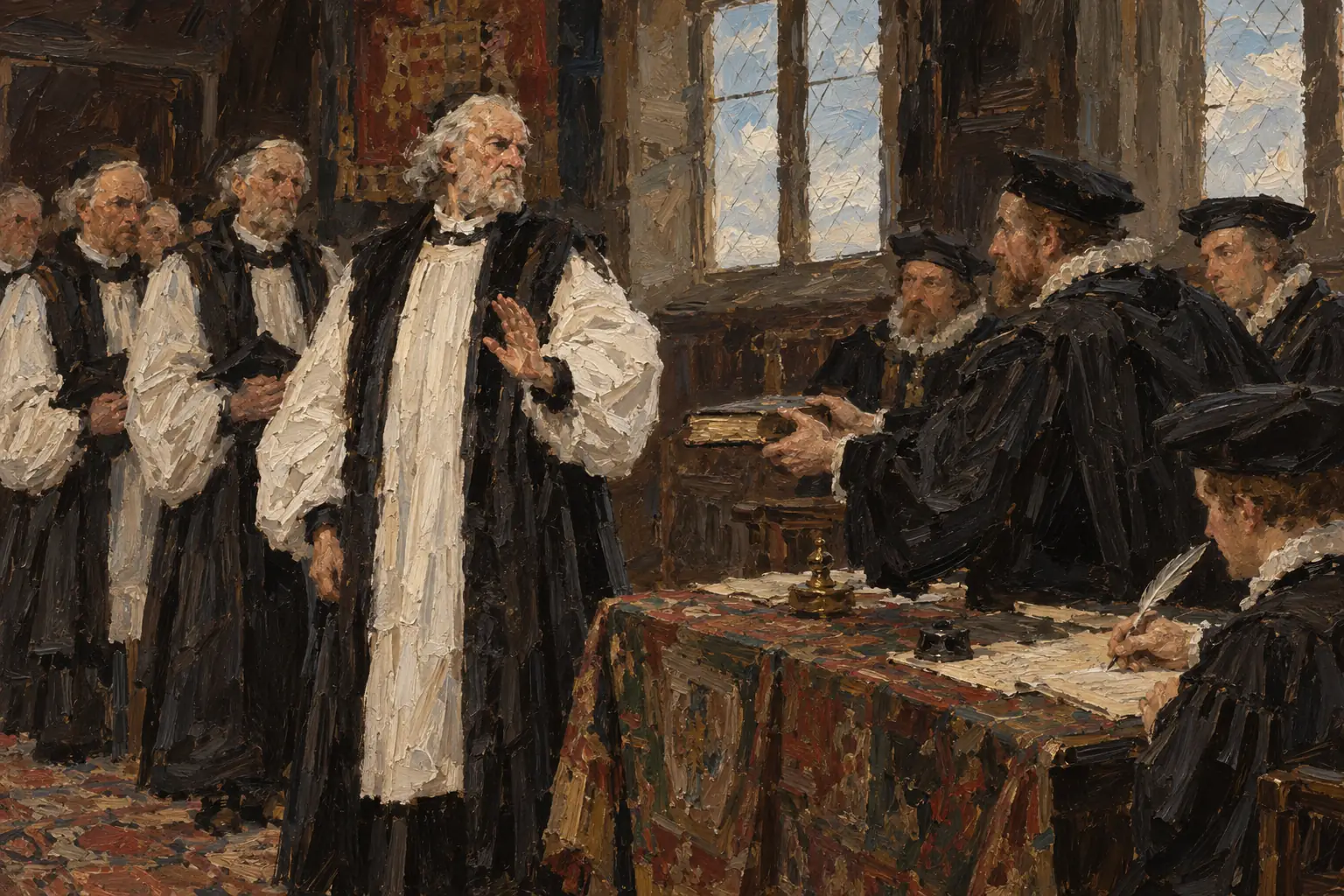
The religious settlement had a profound effect on England's religious landscape, shifting the country towards Protestantism while striving for broad acceptance. Its success was evident in the level of compliance it achieved.
Effects on England's religious identity
- Protestant transformation - The settlement positioned England as officially Protestant, marking a departure from Catholic dominance without a complete break from all traditions.
- Inclusivity efforts - By avoiding extremes, it aimed to include as many people as possible, reducing potential for rebellion among moderate Catholics and Protestants.
Levels of acceptance
- Clergy response - Approximately 8,000 out of 10,000 clergy agreed to the changes, indicating strong support within the church, though a minority resisted and were removed.
- Public conformity - Most ordinary citizens outwardly followed the new rules, suggesting the settlement effectively stabilised religion for the majority, even if private beliefs varied.
The Church of England's role in society
Under the settlement, the Church of England became more than a place of worship; it served as a key tool for governance and social cohesion. This integration helped Elizabeth maintain control and foster national unity.
Functions of the Church in governance and society
- Enforcing laws - The church upheld religious regulations and the queen's supremacy, using its network to monitor adherence across communities.
- Delivering messages - Sermons conveyed government policies and moral guidance, shaping public opinion and promoting loyalty to the crown.
- Community oversight - Bishops conducted visitations to inspect clergy compliance, ensuring consistent application of the settlement's rules.
- Mandatory participation - All subjects had to attend services on Sundays and holy days, with fines for non-attendance to encourage regular involvement.
- Financial support - A tithe, equivalent to 10% of income, funded church operations, reinforcing its central place in daily life and the economy.