1.3 - Challenges to the Settlement
Key facts and dates
Elizabeth I's religious settlement aimed for a middle way between Protestantism and Catholicism, but it faced challenges from both Puritans and Catholics during the early years of her reign. These tensions, driven by ideological differences and external influences, tested the stability of the settlement, though Elizabeth's pragmatic approach helped maintain control.
Timeline of key events
- 1558 – Elizabeth ascends the throne; her religious settlement is established, facing initial quiet Catholic opposition.
- 1559–1569 – Puritan challenges emerge, including the crucifix and vestments controversies, but remain limited in scale.
- 1569 – Revolt of the Northern Earls, a Catholic uprising, signals growing resistance.
- 1570 – Pope Pius V issues a papal bull excommunicating Elizabeth, encouraging Catholic dissent.
- Post-1570 – Laws against Catholics tighten, with stricter recusancy fines and measures against Jesuit priests.
Puritan challenges to the religious settlement
Image 1 of 2: Elizabeth favoured crucifixes in churches, which Puritans condemned as idolatrous
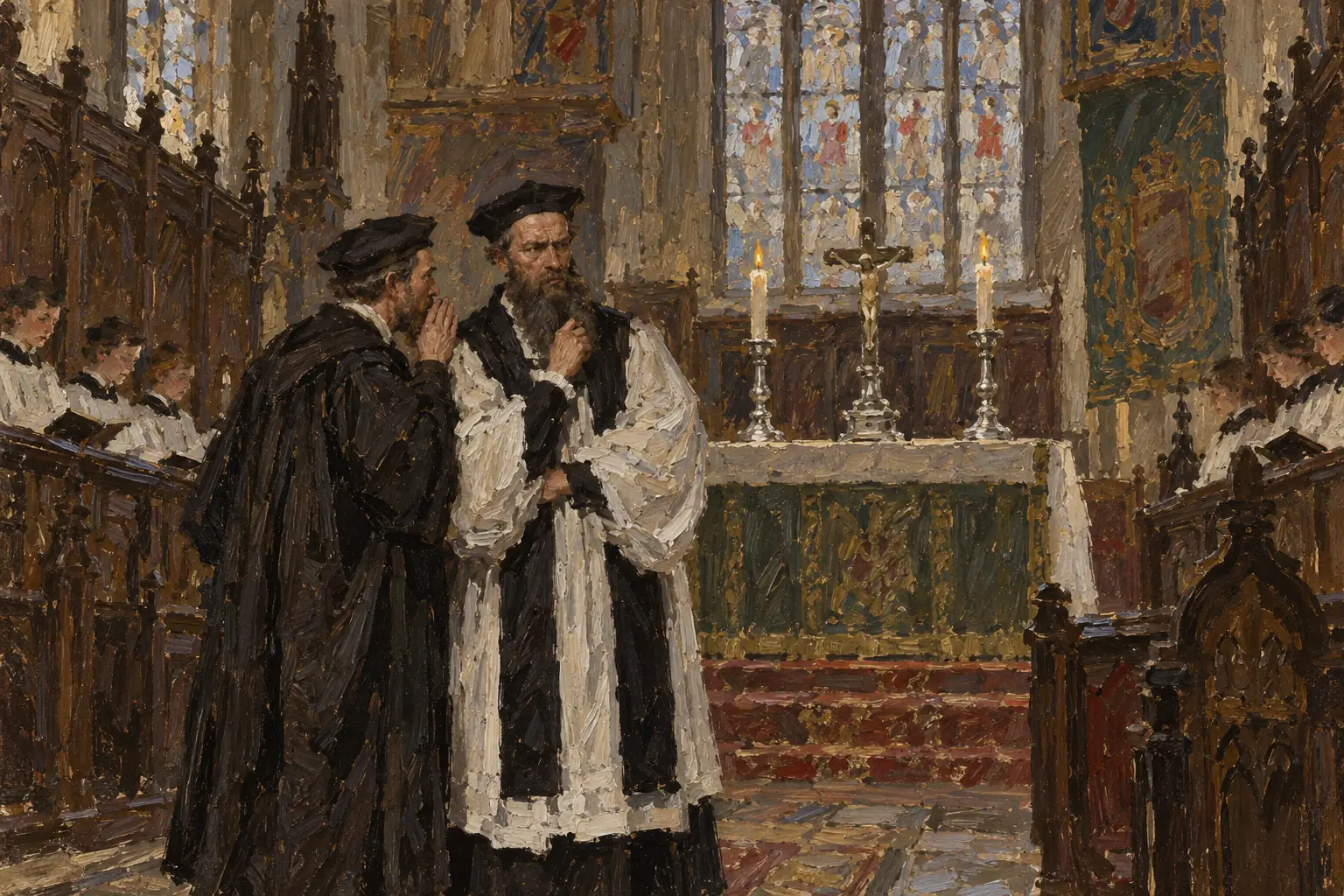
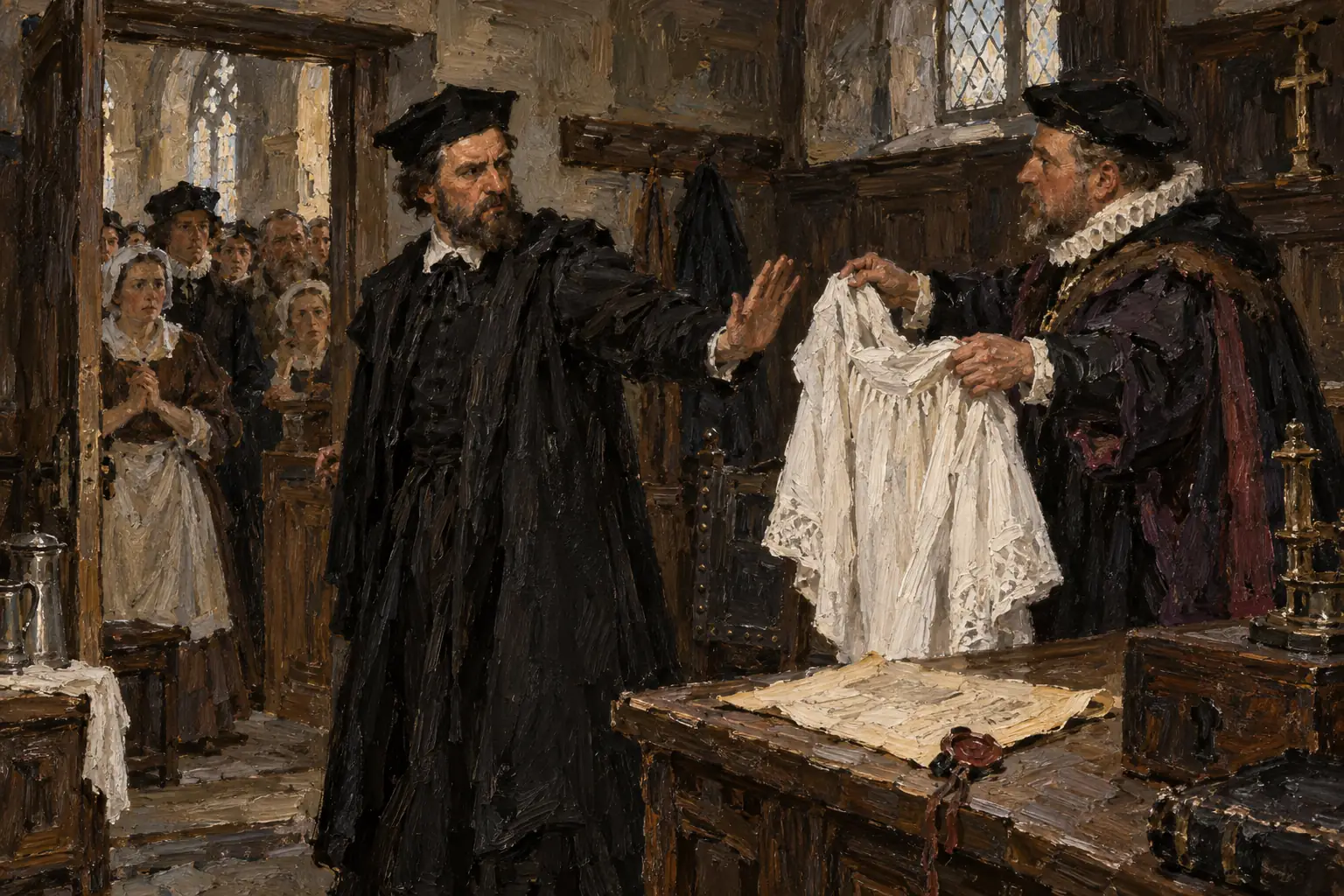
Puritans, as radical Protestants, viewed Elizabeth's religious settlement as insufficiently reformed, retaining too many Catholic elements. They pushed for a more purified Church of England, free from bishops and ceremonial practices reminiscent of Catholicism.
Key Puritan objections and controversies
- Crucifix controversy - Elizabeth favoured displaying crucifixes in churches to satisfy traditionalists, but Puritans condemned them as idolatrous symbols. When Puritan bishops threatened resignation, Elizabeth relented to avoid escalation.
- Vestments controversy - Puritans opposed the elaborate robes required for clergy, seeing them as overly Catholic. While most eventually conformed after royal warnings, a small number of priests chose resignation over compliance.
- Overall scale and containment - Between 1559 and 1569, Puritan dissent was relatively contained, with some clergy refusing aspects of the settlement. Elizabeth responded pragmatically, making concessions on minor issues to preserve the settlement's core without sparking broader conflict.
Catholic opposition and the papal response
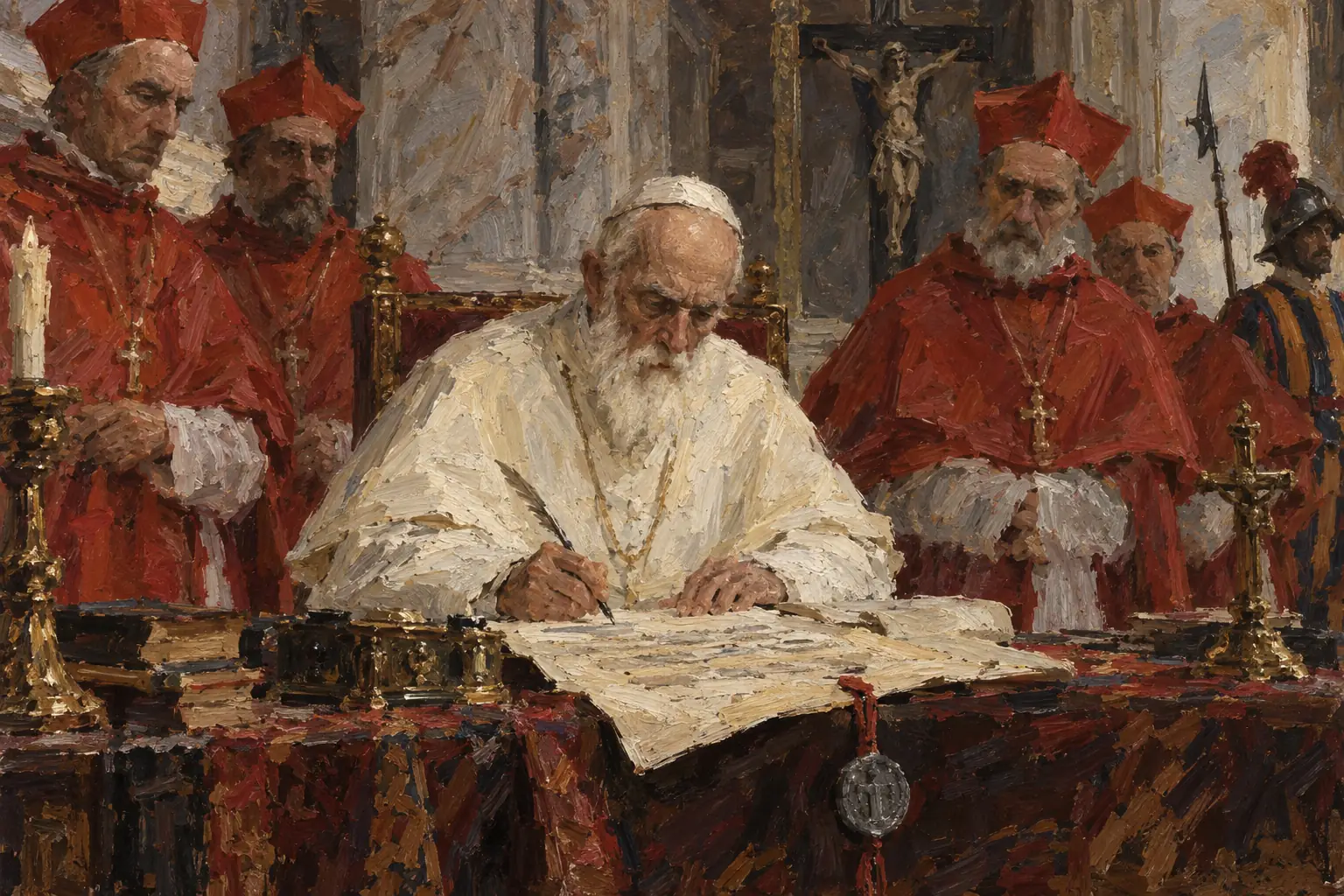
Image 1 of 2: Pope Pius V excommunicated Elizabeth in 1570 and released her subjects from obedience to her

Catholic resistance to the settlement began subtly, as Elizabeth avoided harsh persecution of loyal Catholics in the early years. Many continued private worship, particularly among nobles and gentry in northern and western England.
Development of Catholic challenges
- Initial restraint (1558–1569) - Opposition remained low-key, with no immediate papal action; Pope Pius IV delayed excommunication, anticipating Elizabeth's possible return to Catholicism or a Catholic marriage.
- Escalation after 1569 - The Revolt of the Northern Earls marked a turning point, followed by the 1570 papal bull from Pope Pius V, which excommunicated Elizabeth and released her subjects from loyalty.
- Consequences of the papal bull - This decree encouraged bolder Catholic actions, including plots, though open resistance was limited in the settlement's first decade.
Foreign Catholic threats
External Catholic powers added to the pressures on Elizabeth's settlement, posing risks through alliances and potential invasions. These threats intertwined religious differences with geopolitical rivalries.
Major foreign influences
- France - As a Catholic nation, it raised concerns early in Elizabeth's reign, especially with Mary, Queen of Scots— a Catholic claimant to the English throne—married to the French king, potentially enabling a French-supported overthrow.
- Spain - Under Philip II, who had previously been married to Mary I, relations started amicably but deteriorated over time due to religious conflicts and competition for influence.
- Scotland - With its strong Catholic elements, it contributed to the broader Catholic network threatening England's Protestant settlement.
Elizabeth's management of religious challenges
Elizabeth adopted a balanced strategy to handle opposition, enforcing the settlement while allowing some flexibility to prevent widespread unrest. This approach evolved as threats intensified.
Strategies for maintaining stability
- Handling Puritans - Through firm warnings and selective concessions, such as backing down on crucifixes, Elizabeth contained dissent without alienating key supporters.
- Dealing with Catholics - Initially, private Catholic practice was tolerated to avoid creating martyrs; post-1570, measures intensified, including stricter recusancy fines for non-attendance at Anglican services and treating foreign Jesuit priests as traitors.
- Overall effectiveness - By punishing major dissenters while permitting discreet worship, Elizabeth minimised open plots and preserved religious stability in England during the settlement's early years, despite persistent underlying tensions.