3.2 - Crushing Rivals & Night of the Long Knives
Key facts and dates
The period from 1933 to 1934 saw the Nazis systematically dismantle opposition and centralise power in Germany, transforming the Weimar Republic into a one-party dictatorship. This process involved suppressing political rivals, unions, and internal threats, culminating in Hitler's unchallenged leadership.
Timeline of key events
- May 1933 – Trade unions banned and replaced by the German Labour Front under Nazi control.
- July 1933 – State parliaments dissolved; NSDAP declared Germany's only legal political party.
- June 1934 – Night of the Long Knives eliminates SA leaders and conservative opponents.
- August 1934 – President Hindenburg dies, allowing Hitler to merge chancellor and president roles into Führer.
- August 1934 – German army swears personal oath of loyalty to Hitler.
Elimination of rival political parties
In the early months of Nazi rule, the regime moved swiftly to eradicate competing political voices and establish a single-party state. This involved targeting opposition groups and restructuring government institutions to ensure total Nazi dominance.
Measures to dismantle political opposition
- Dissolution of state parliaments - Regional assemblies were disbanded in July 1933, centralising authority under the national government and eliminating local democratic processes.
- Declaration of NSDAP as sole party - A law passed in July 1933 outlawed all other political parties, including communists and social democrats, effectively banning organised dissent.
- Impact on pluralism - These actions ended the multi-party system of the Weimar era, forcing former rivals to disband or face arrest, and paving the way for unchallenged Nazi governance.
Suppression of trade unions
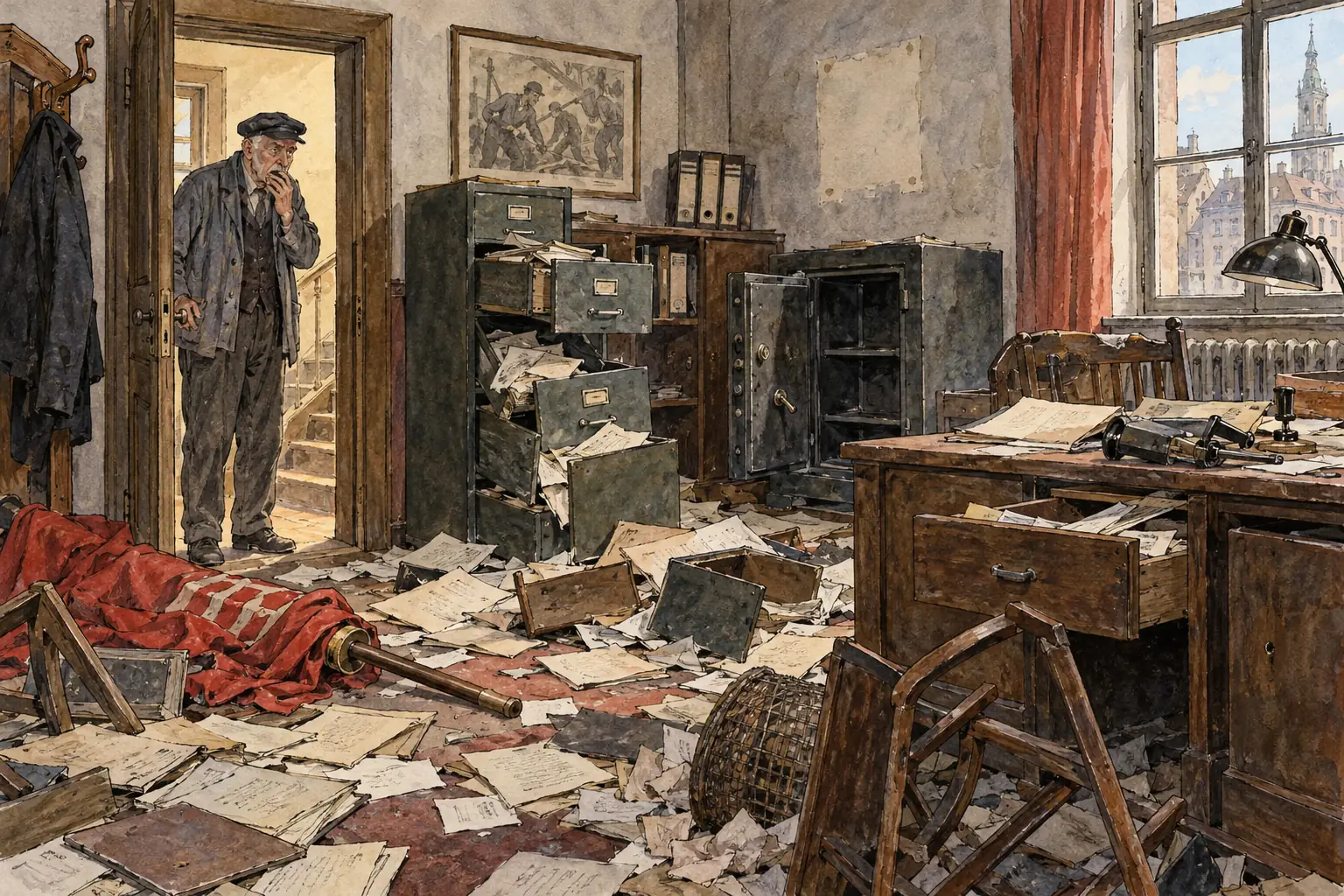
Trade unions represented a significant potential source of organised resistance due to their large membership and influence among workers. The Nazis acted quickly to neutralise this threat by dismantling independent unions and replacing them with a controlled alternative.
Actions against trade unions
- Ban on independent unions - In May 1933, all free trade unions were prohibited, with their leaders arrested and assets seized to prevent strikes or worker-led opposition.
- Creation of the German Labour Front - This Nazi-controlled organisation, led by Robert Ley, absorbed former union members and focused on enforcing discipline rather than advocating for workers' rights.
- Consequences for workers - The move eliminated collective bargaining, suppressed wage demands, and integrated labour into the Nazi economic vision, reducing the risk of industrial unrest.
The threat from Röhm and the SA
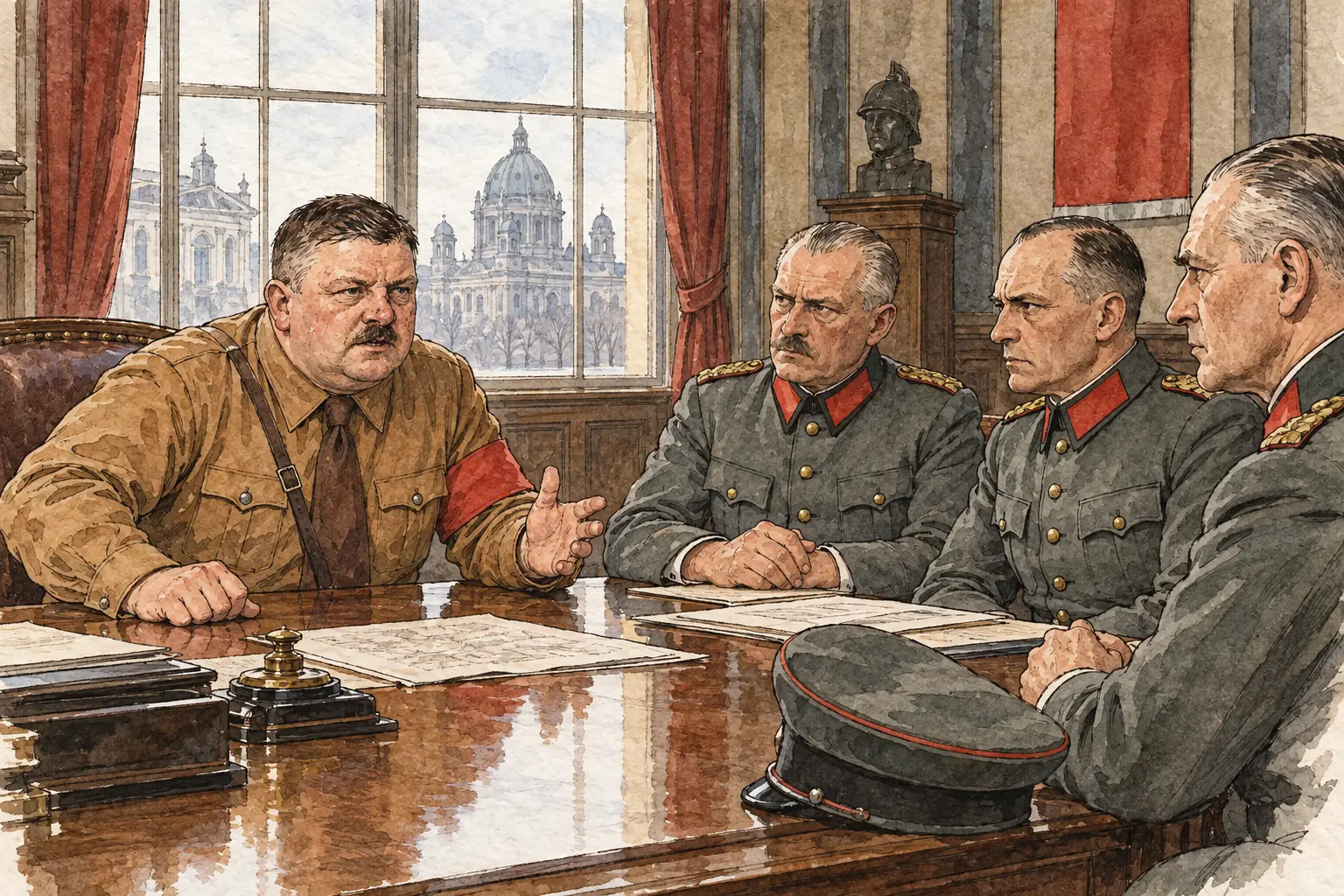
Ernst Röhm, leader of the Sturmabteilung (SA), posed an internal challenge to Hitler's authority due to the group's size and radical ideology. The SA's growing influence created tensions within the Nazi Party and with external allies.
Key aspects of the SA threat
- Size and power - By 1934, the SA had expanded to over three million members, dwarfing the regular army and giving Röhm significant leverage.
- Radical demands - Röhm advocated for a "second revolution" involving socialist reforms, such as nationalising industries, which alienated conservative elites and the military.
- Conflict with Hitler - These ambitions clashed with Hitler's strategy of cooperating with traditional power structures, positioning the SA as a potential rival force.
The Night of the Long Knives and its consequences
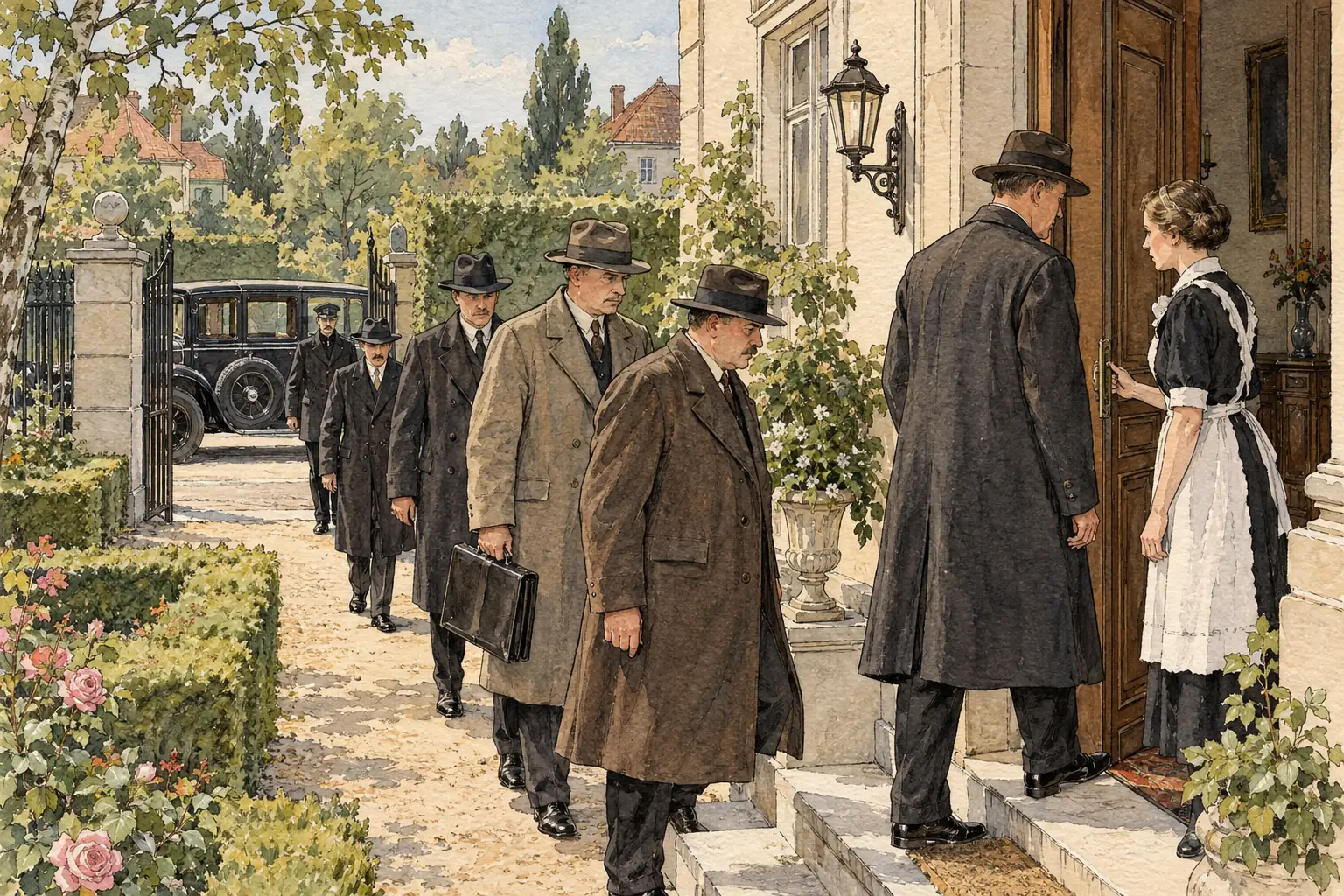
The Night of the Long Knives was a brutal purge orchestrated by Hitler to eliminate perceived threats and consolidate his control. This operation targeted SA leadership and other opponents, reshaping the Nazi power structure.
Events and outcomes of the purge
- Execution of SA leaders - On 30 June 1934, SS forces arrested and killed Röhm and other top SA figures, citing an alleged coup plot as justification.
- Targeting conservative opponents - The operation extended to figures like former chancellor Kurt von Schleicher, removing potential critics outside the party.
- Elevation of the SS - With the SA weakened, Heinrich Himmler's Schutzstaffel (SS) gained prominence as the regime's elite paramilitary force, enhancing internal security and loyalty to Hitler.
Hitler's consolidation of power after Hindenburg
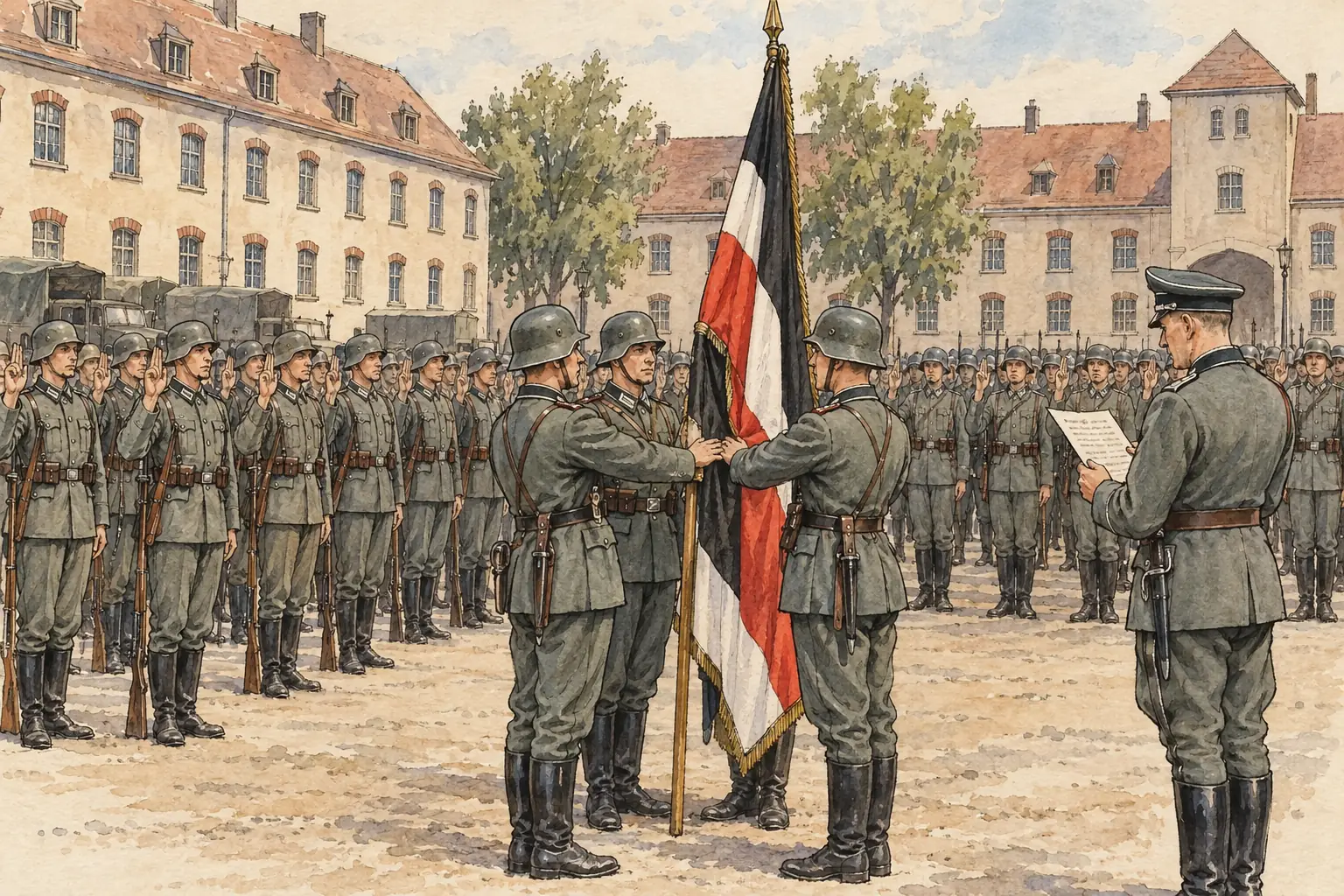
The death of President Paul von Hindenburg marked a pivotal moment, allowing Hitler to merge key offices and secure unwavering allegiance from the military. This final step solidified the Führer principle in German governance.
Steps to absolute leadership
- Merger of roles - Upon Hindenburg's death in August 1934, Hitler combined the positions of chancellor and president, adopting the title of Führer und Reichskanzler.
- Army oath of loyalty - Soldiers were required to swear personal allegiance to Hitler rather than the state, binding the military directly to his command.
- Long-term effects - These changes eliminated constitutional checks, establishing Hitler as the supreme authority and completing the transition to dictatorship.