3.3 - The Police State & Legal System
Key facts and dates
The Nazi regime established a police state in Germany to suppress opposition and enforce ideological control, using terror organisations and a manipulated legal system. This transformation began immediately after Hitler became Chancellor in 1933, evolving through key institutions and laws that prioritised the Führer's authority over individual rights.
Timeline of key events
- 1933 – Establishment of the Gestapo as the secret police under Hermann Göring, later controlled by Heinrich Himmler.
- 1933 – Opening of Dachau, the first concentration camp, initially for political prisoners.
- 1933 – Formation of the SD as the intelligence arm of the SS, focused on monitoring internal threats.
- 1934 – SS gains independence and expands under Himmler, absorbing other police functions.
- 1934 – Creation of the People's Court to handle political offences, bypassing traditional judiciary.
- 1934 – Introduction of the Heimtücke Law, criminalising criticism of the regime as treason.
- 1935 – Nuremberg Laws exemplify the 'coordination' of legal system to align with Nazi racial ideology.
Structures and methods of terror
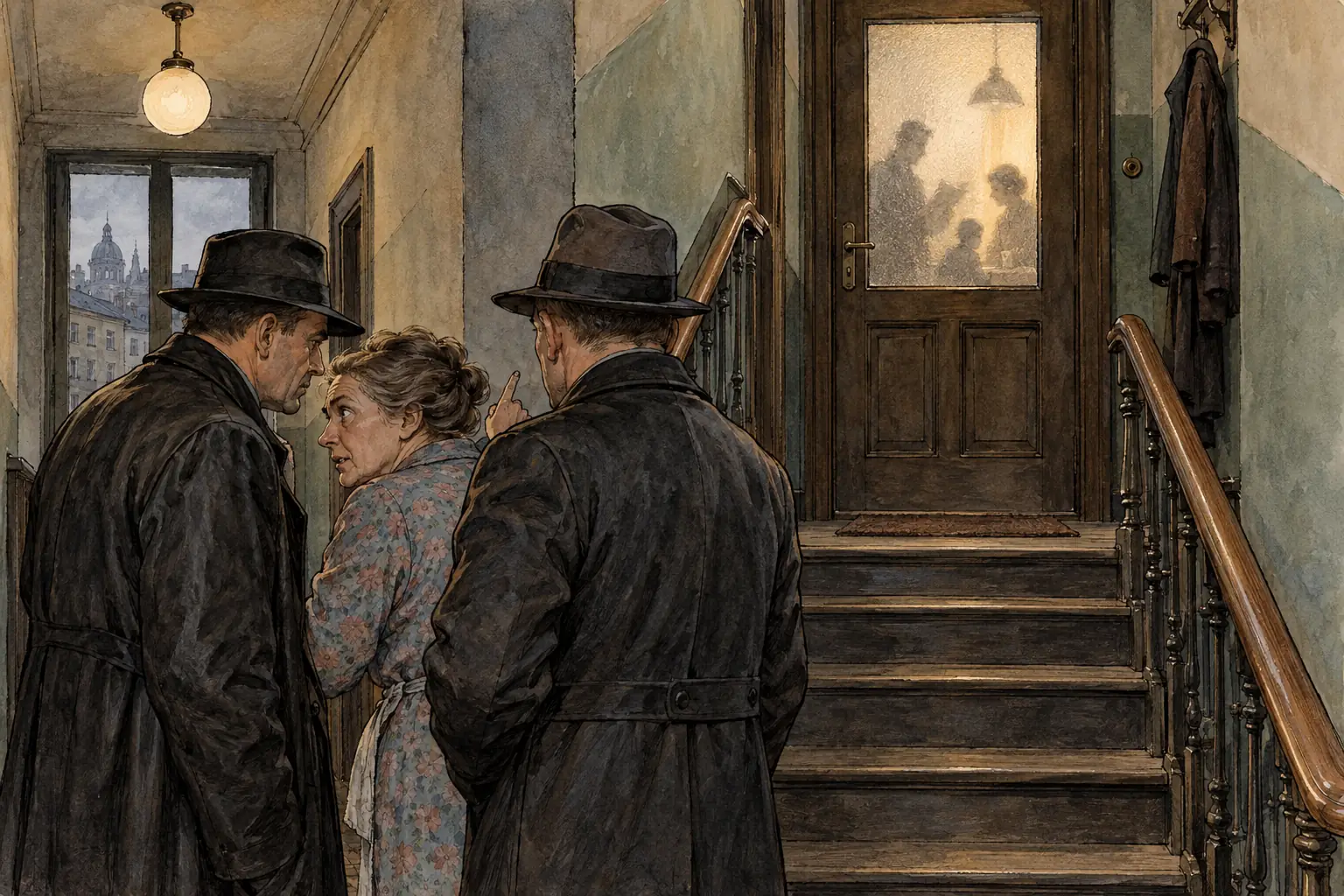
The Nazi police state relied on a network of organisations and tactics designed to instil fear, eliminate dissent, and maintain absolute control. These structures operated outside normal legal boundaries, using surveillance, intimidation, and violence to enforce loyalty to the regime.
Core elements of Nazi terror mechanisms
- Organisational hierarchy - A web of overlapping agencies, coordinated under Heinrich Himmler, ensured comprehensive control over society, with no room for opposition.
- Use of informers and denunciations - Ordinary citizens were encouraged to report suspicious activities, creating an atmosphere of mutual suspicion and self-policing.
- Intimidation tactics - Arbitrary arrests, torture, and disappearances deterred criticism, while public displays of power reinforced the regime's dominance.
Role of the SS, Gestapo, and SD
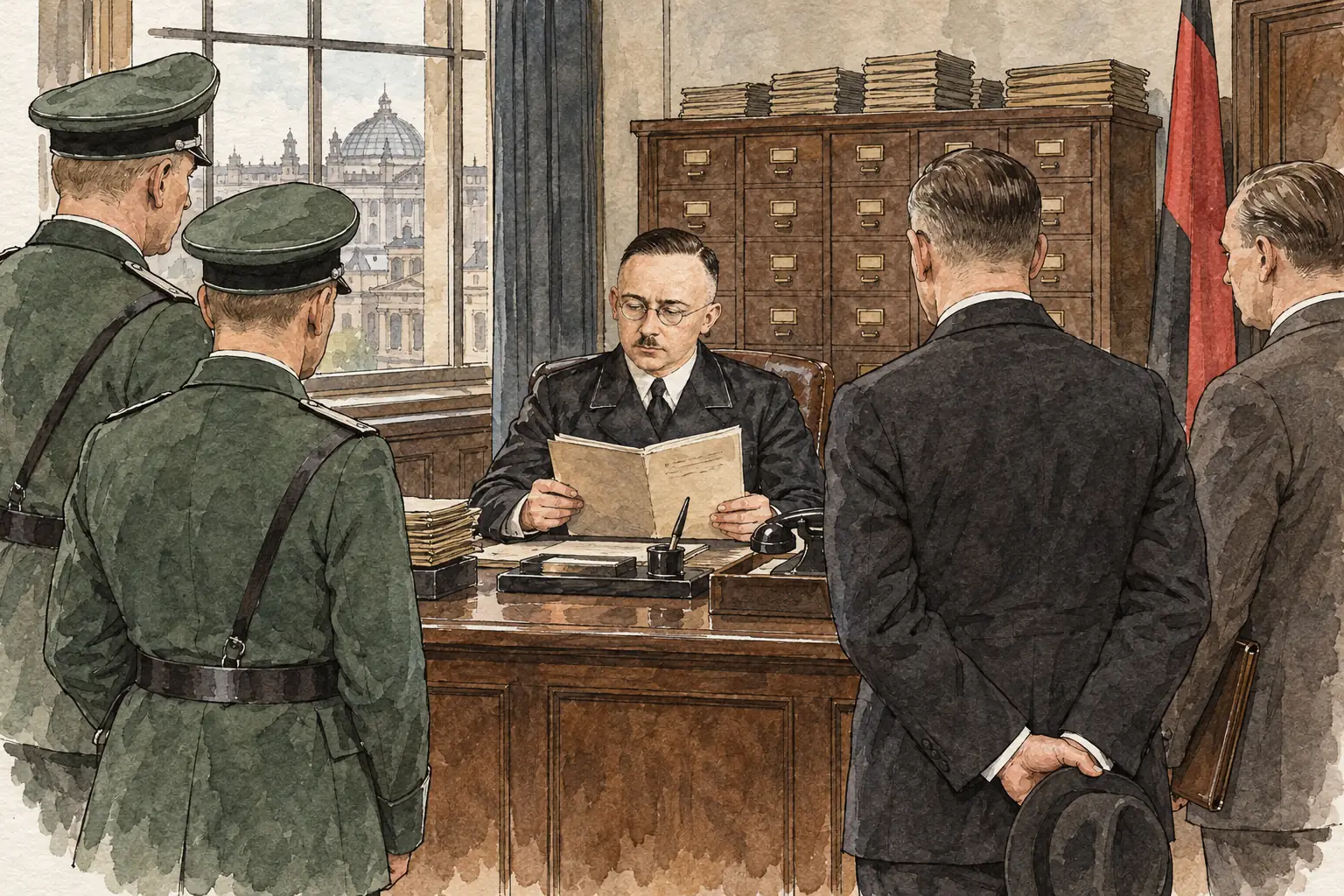
The Schutzstaffel (SS), Gestapo, and Sicherheitsdienst (SD) formed the backbone of Nazi terror, each with specialised functions that intertwined to monitor, arrest, and eliminate perceived enemies of the state.
Functions and operations of key terror organisations
- SS under Himmler - Led by Heinrich Himmler, the SS evolved from a bodyguard unit into a vast paramilitary force responsible for internal security, racial policing, and running concentration camps; it emphasised ideological purity and loyalty to Hitler.
- Gestapo as secret police - The Geheime Staatspolizei (Gestapo) conducted covert investigations, using networks of informers to identify and detain political opponents, often without formal charges or trials.
- SD as intelligence gatherers - The Sicherheitsdienst (SD) focused on collecting information on potential threats, including Jews, communists, and intellectuals, providing data that informed arrests and broader repressive policies.
Early concentration camps
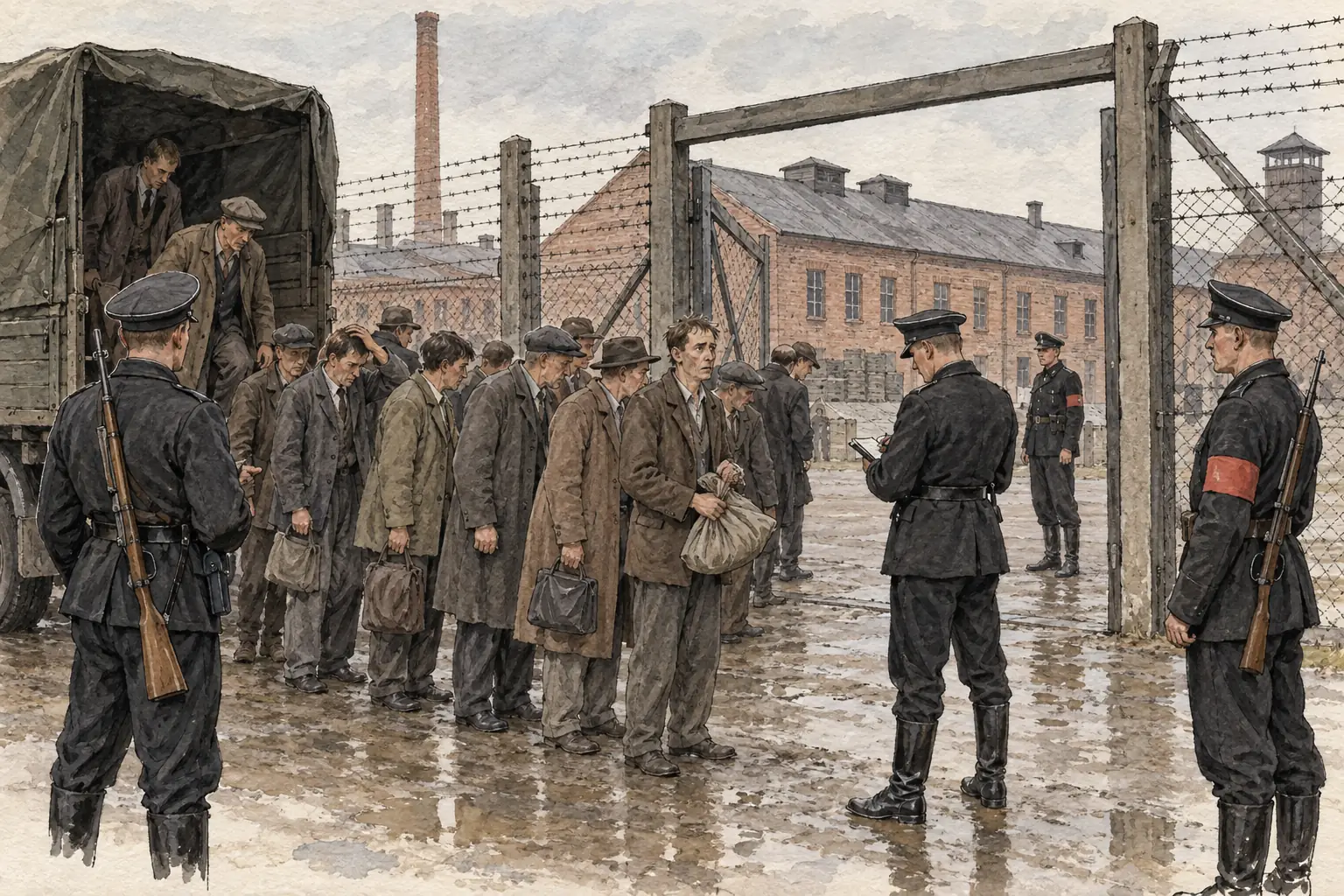
In the initial years of Nazi rule, concentration camps served as detention centres for political prisoners, symbolising the regime's commitment to terror. These facilities expanded rapidly, laying the groundwork for later atrocities.
Purpose and features of early camps
- Detention of opponents - Camps like Dachau, opened near Munich in 1933, held communists, socialists, and other critics, subjecting them to forced labour, beatings, and indoctrination.
- Methods of control - Prisoners faced brutal conditions, including overcrowding, malnutrition, and arbitrary punishments, designed to break resistance and deter others from dissent.
- Expansion and role - Initially managed by the SA before SS takeover, these camps grew in number, serving as a tool for political repression and experimentation in mass control.
Nazification of the legal system
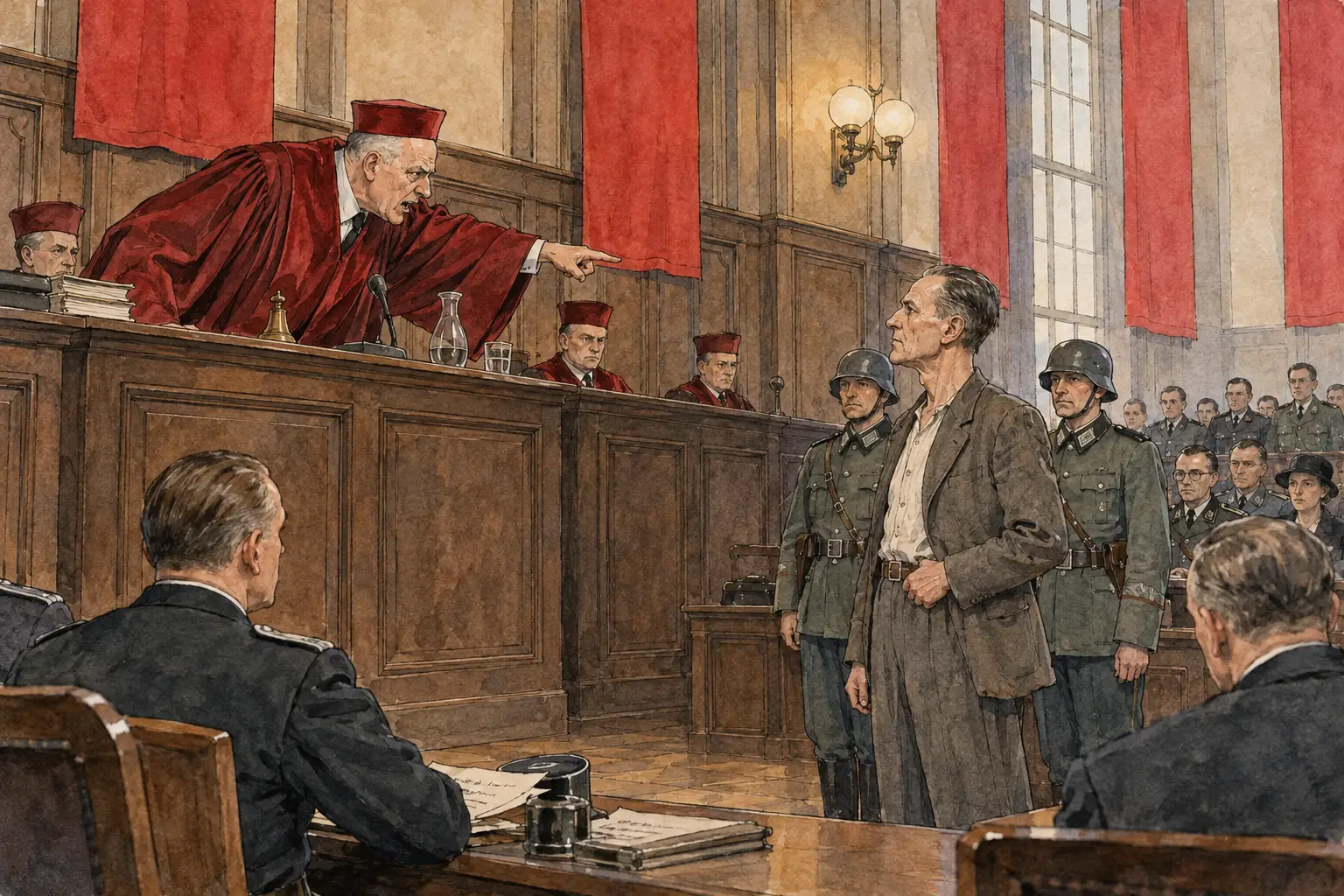
The Nazis systematically transformed Germany's legal system to align with their ideology, ensuring judges and courts served the regime rather than upholding impartial justice. This process, known as 'coordination', subordinated law to political goals.
Key aspects of legal transformation
- People's Court establishment - Created in 1934, this special tribunal dealt with treason and political crimes, delivering swift verdicts without appeals to protect the regime from internal threats.
- Control over judges - All judges were required to join the Nazi Jurists' League, swearing loyalty to Hitler, which ensured decisions favoured Nazi principles over legal precedents.
- Ideological alignment - The system prioritised the 'health of the German people' and racial purity, with courts enforcing discriminatory policies and suppressing dissent.
Key changes to laws and judicial principles
Nazi reforms altered fundamental legal principles, making the Führer's will the ultimate authority and expanding definitions of crimes to target opponents. This eroded traditional rights and enabled widespread persecution.
Major legal reforms and their impacts
- Coordination of laws - Existing legislation was adapted or replaced to fit Nazi ideology, such as the 1934 Heimtücke Law, which defined any malicious criticism of the government as treason, punishable by death.
- Führer's will as supreme - Judicial decisions were guided by Hitler's directives rather than constitutional norms, allowing arbitrary rulings that served political ends.
- Broadened treason definitions - Laws were expanded to include vague offences like 'undermining the fighting spirit', enabling the prosecution of anyone seen as disloyal, from journalists to ordinary citizens.