1.1 - Changing Definitions of Criminal Activity
Key facts and dates
During medieval England, crimes were classified into distinct categories, with property offences being the most common and authority-related crimes receiving the harshest penalties. The Norman Conquest brought significant legal changes aimed at consolidating power, though public attitudes towards certain acts often remained unchanged.
Timeline of key events
- Pre-1066 – Crimes categorised as against the person, property, or authority; social crimes like poaching widely tolerated by ordinary people.
- 1066 – Norman Conquest leads to new laws under William I to control the population.
- Post-1066 – Introduction of Forest Laws, making poaching on royal land a severe offence.
- Post-1066 – Establishment of the murdrum fine, penalising communities for the death of a Norman.
Categories of crime in medieval England
In medieval England, criminal acts fell into three main categories, reflecting threats to individuals, possessions, or the ruling order. Property crimes dominated everyday offences, while those challenging authority attracted the severest responses from the legal system.
Types of crimes and their examples
- Crimes against the person - These involved harm to individuals, such as physical attacks like assault or fatal violence like murder.
- Crimes against property - The most frequent offences, including acts like theft of goods or arson that damaged buildings; petty theft was particularly common among ordinary people.
- Crimes against authority - These threatened the social hierarchy, exemplified by treason against the monarch or organised rebellion, and carried the harshest punishments to deter challenges to power.
The concept of social crimes
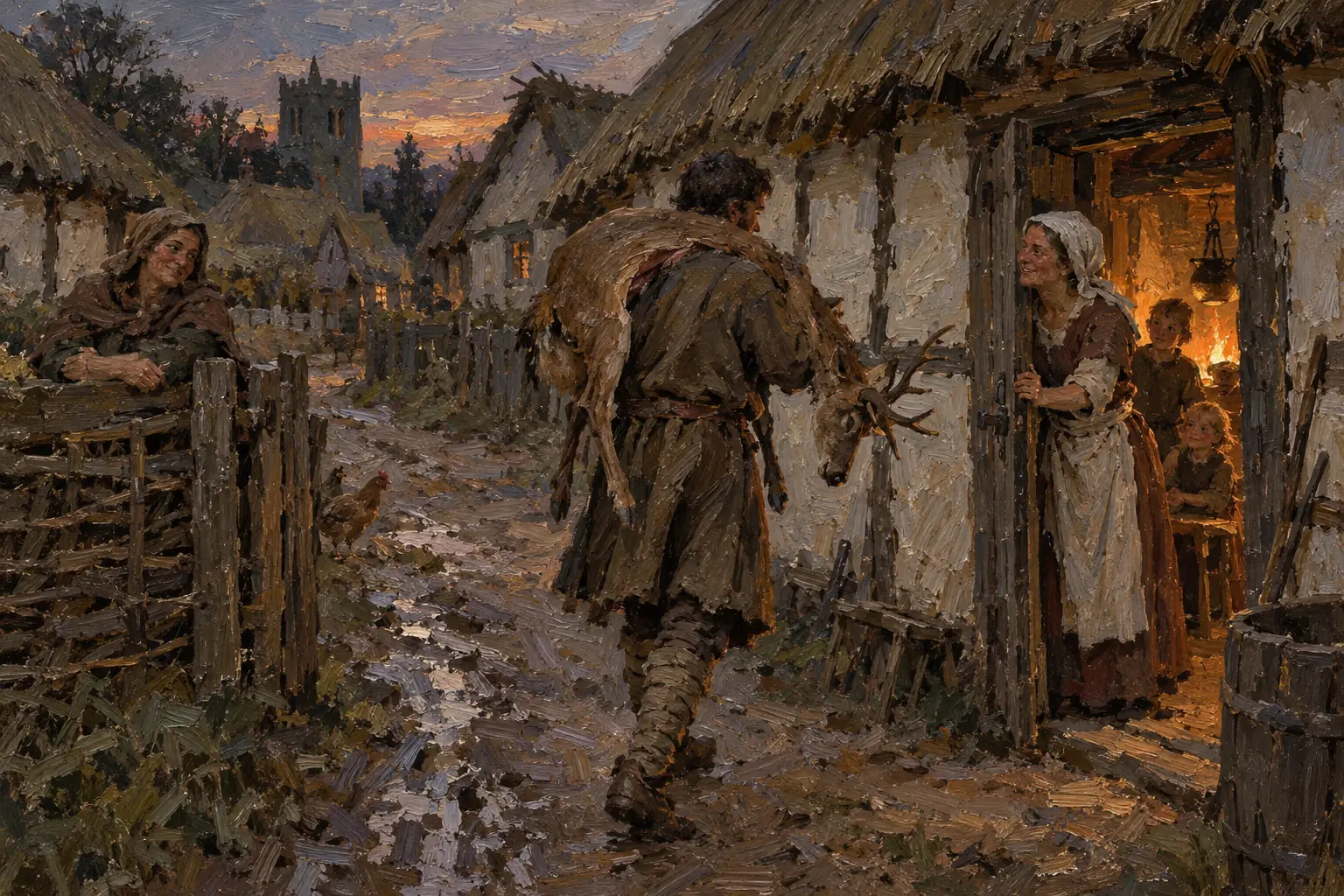
Certain illegal acts in medieval England were not universally condemned, as they were viewed by many as essential for survival or justified under local customs. This disconnect highlighted tensions between official laws and community values.
Features of social crimes
- Poaching as a key example - Hunting game on restricted land was outlawed, yet villagers often saw it as a vital way to obtain food, especially during times of scarcity.
- Public attitudes - Ordinary people frequently overlooked or even supported such acts, considering them acceptable rather than truly criminal, which undermined the enforcement of strict regulations.
Crime definitions after the Norman Conquest
Image 1 of 2: Under the Forest Laws, hunting in a royal forest became a serious crime
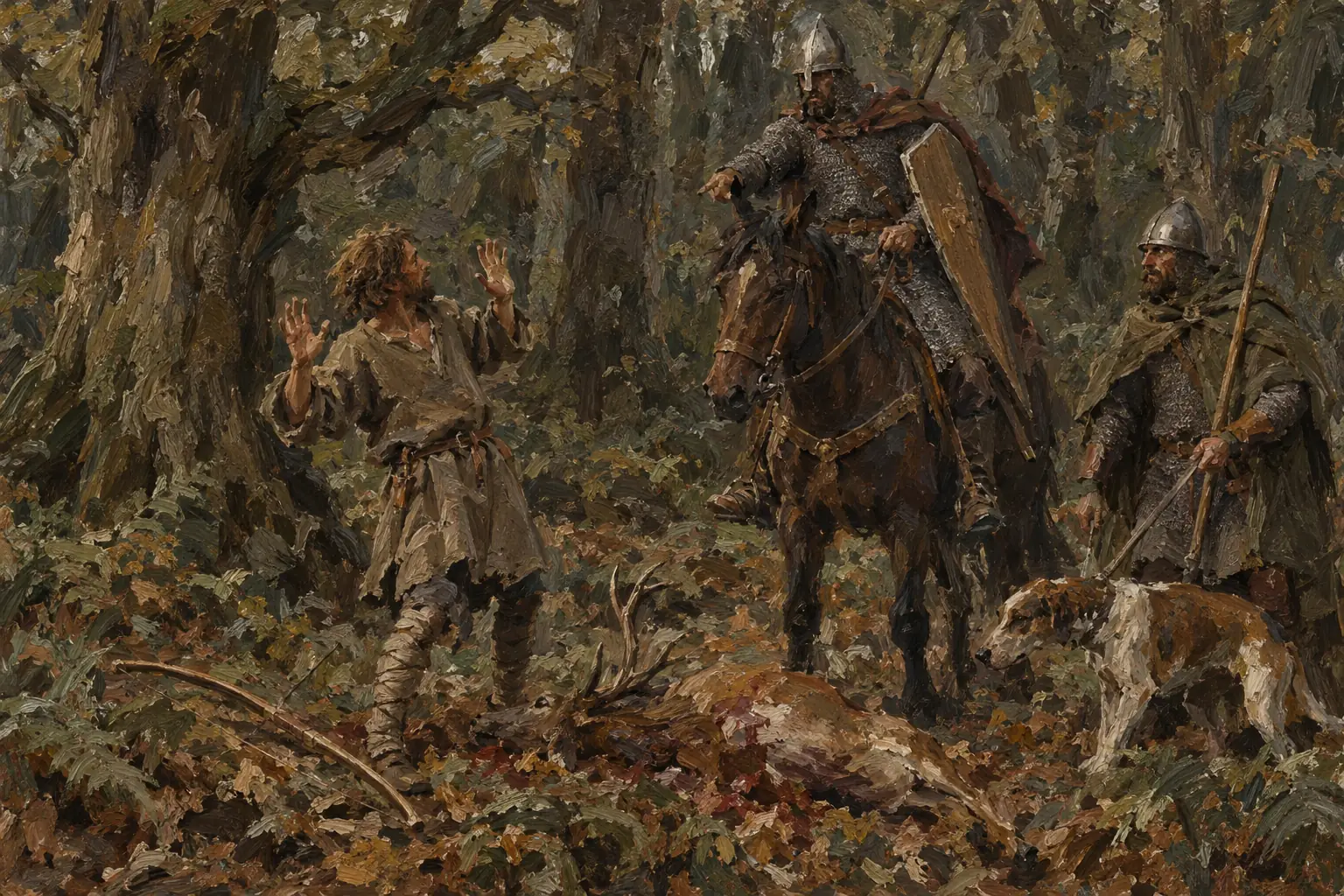
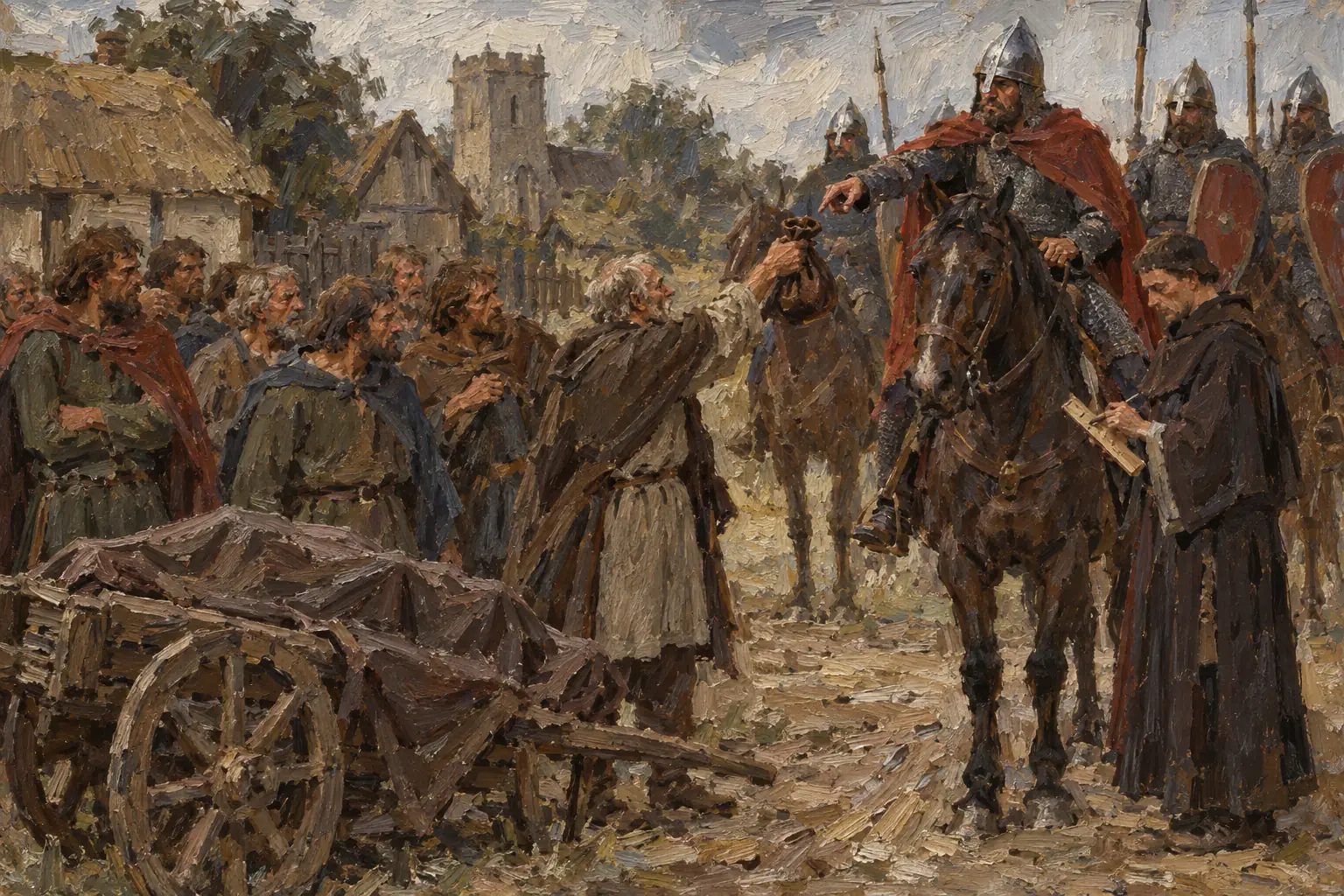
The Norman Conquest in 1066 transformed the legal landscape, as William I implemented reforms to strengthen his rule over the Anglo-Saxon population. These shifts redefined several acts as serious offences to maintain control.
Key legal changes introduced by William I
- Forest Laws - Vast areas were designated as royal forests, where hunting wildlife became a grave crime punishable by severe measures like mutilation or heavy fines.
- Murdrum fine - If a Norman was found murdered, the entire local community faced collective financial penalties, designed to discourage resistance and ensure accountability.
Purposes and impacts of new Norman laws
The post-Conquest reforms primarily served to safeguard Norman dominance and uphold the concept of the King's Peace, which emphasised stability under royal authority. However, these changes did not always alter grassroots perceptions.
Aims and effects of the reforms
- Protecting authority - Laws like the Forest Laws and murdrum fine aimed to deter threats to Norman rulers and reinforce loyalty among the conquered populace.
- Persistence of local attitudes - Despite tougher penalties, commoners continued to regard activities like poaching leniently, often ignoring or downplaying their criminal status in village life.