5.7 - Enquiry Skills for Whitechapel
Key facts and dates
Investigating Whitechapel's history, particularly its crime and policing during the late 19th century, requires critical analysis of sources to build reliable conclusions. Effective enquiry depends on evaluating evidence types, questioning their origins, and using focused methods to explore topics like poverty, immigration, and law enforcement.
Key facts to remember
- Source strengths – Factual records like censuses provide precise data; newspapers offer insights into public views.
- Source weaknesses – Official documents may understate issues; media can include exaggeration or bias.
- Bias and purpose – Consider why a source was created, such as to inform, persuade, or entertain.
- Provenance – Examine who produced the source and when to assess reliability.
- Focused questions – Specific enquiries guide source selection, such as exploring causes of crime.
- Corroboration – Cross-checking multiple sources strengthens arguments and addresses gaps.
- Chronology – Ensure sources match the relevant time period, like 1880s for Ripper-era conditions.
Strengths and weaknesses of different source types
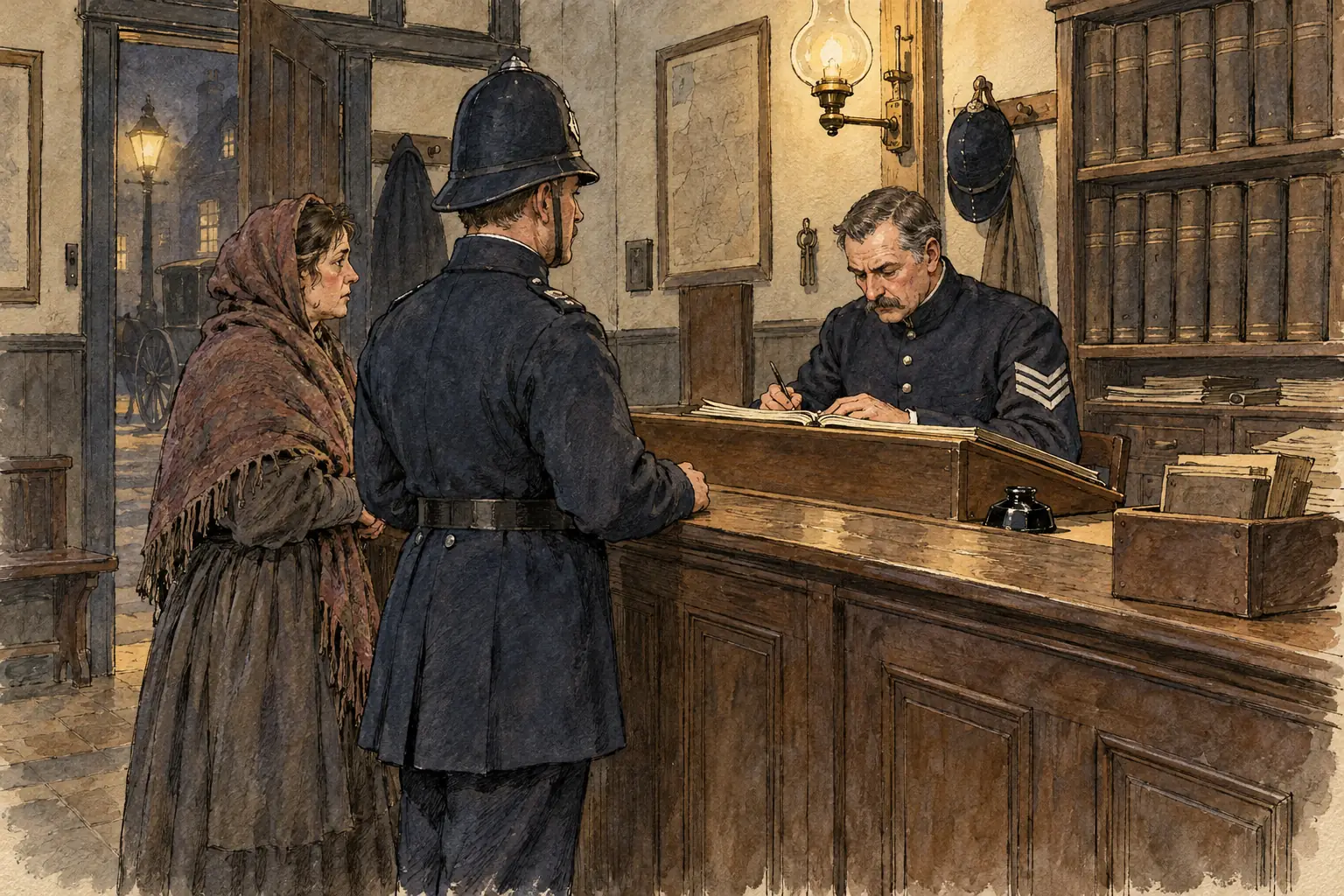
Historical sources vary in their reliability and usefulness when studying Whitechapel's past, especially aspects like crime, poverty, and policing. Recognising what each type offers and its limitations helps in forming balanced interpretations.
Common source types and their characteristics
- Census and housing records – These provide accurate statistical information, such as population density or living conditions, making them strong for factual analysis, but they lack details on personal stories or emotions.
- Newspaper articles – They deliver detailed narratives and reflect contemporary attitudes, which is useful for understanding public reactions, though they may sensationalise events or show political bias, such as blaming certain groups for social problems.
- Police records – These offer official accounts of incidents and operations, valuable for data on reported crimes, but they might minimise failures to present a positive image or inflate threats to gain funding.
- Cartoons and satirical pieces – Sources like those from Punch magazine use humour to comment on society, helping to gauge opinions and criticisms, but their exaggerated style means they are not reliable for literal facts.
- Diaries and personal accounts – These reveal individual experiences, such as local fears or unreported issues, providing depth that official records miss, though they can be subjective and influenced by the writer's perspective.
Considering bias, purpose, audience, and provenance
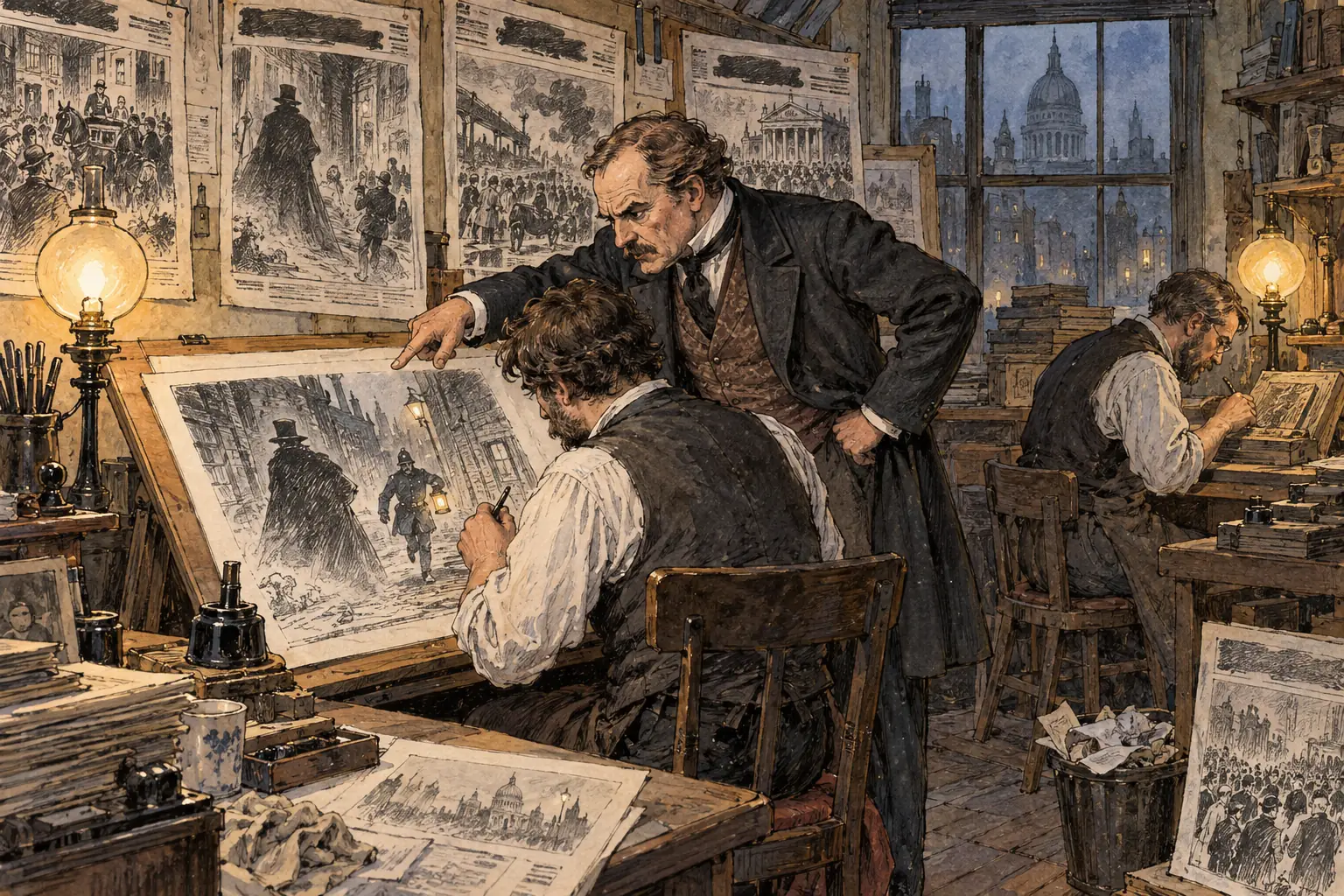
Evaluating sources critically involves looking beyond their content to understand underlying influences. This approach ensures a more accurate picture of Whitechapel's historical context, such as during investigations into notorious crimes.
Factors to assess in historical sources
- Bias – Sources may reflect the creator's views; for example, a conservative publication might attribute crime to immigrants, while a progressive one could criticise authorities.
- Purpose – Determine if the source aims to report facts, convince readers (as in propaganda), or provide entertainment, which affects its objectivity.
- Audience – Consider who the source was intended for, as this can shape its tone; a memo to superiors might downplay problems, unlike a public report.
- Provenance – Analyse the creator and timing; a police commissioner's internal note could omit faults, whereas a resident's journal might highlight overlooked community tensions.
Framing good historical questions for enquiry
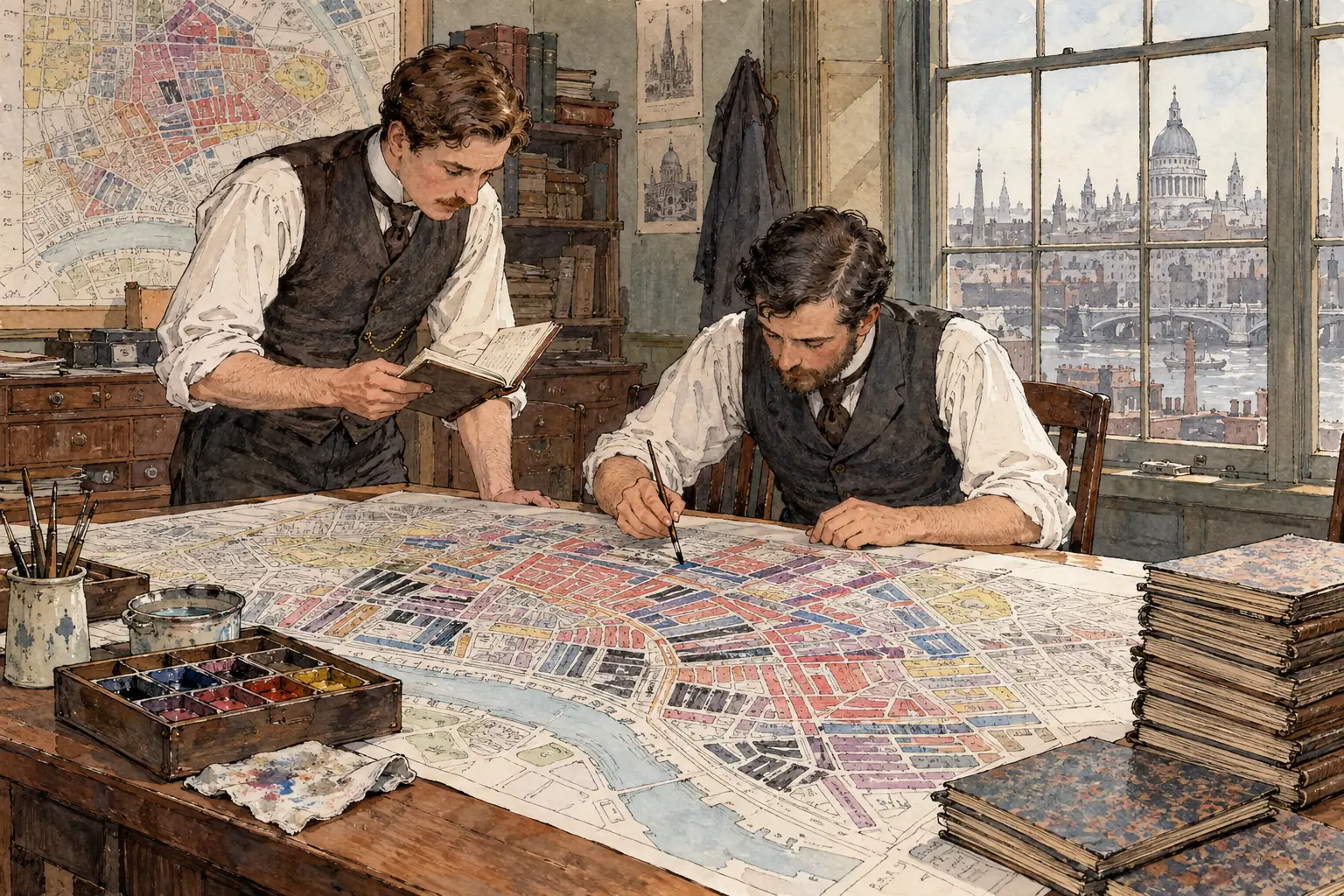
Effective historical investigation starts with well-crafted questions that direct research and source use. Specific questions help focus on key themes in Whitechapel's history, such as social conditions or law enforcement challenges.
How to develop focused enquiry questions
- Specificity – Questions should target precise aspects, like "What factors contributed to high crime rates in Whitechapel?" rather than broad ones.
- Relevance to themes – Tailor questions to topics such as "How did media coverage depict police efforts in the 1888 murder cases?" or "What impact did immigration have on local communities?"
- Guiding source selection – A question on crime causes would lead to using maps of poverty areas, employment data, and welfare records; one on police portrayal might draw on editorials and official correspondence.
Selecting appropriate sources and corroboration
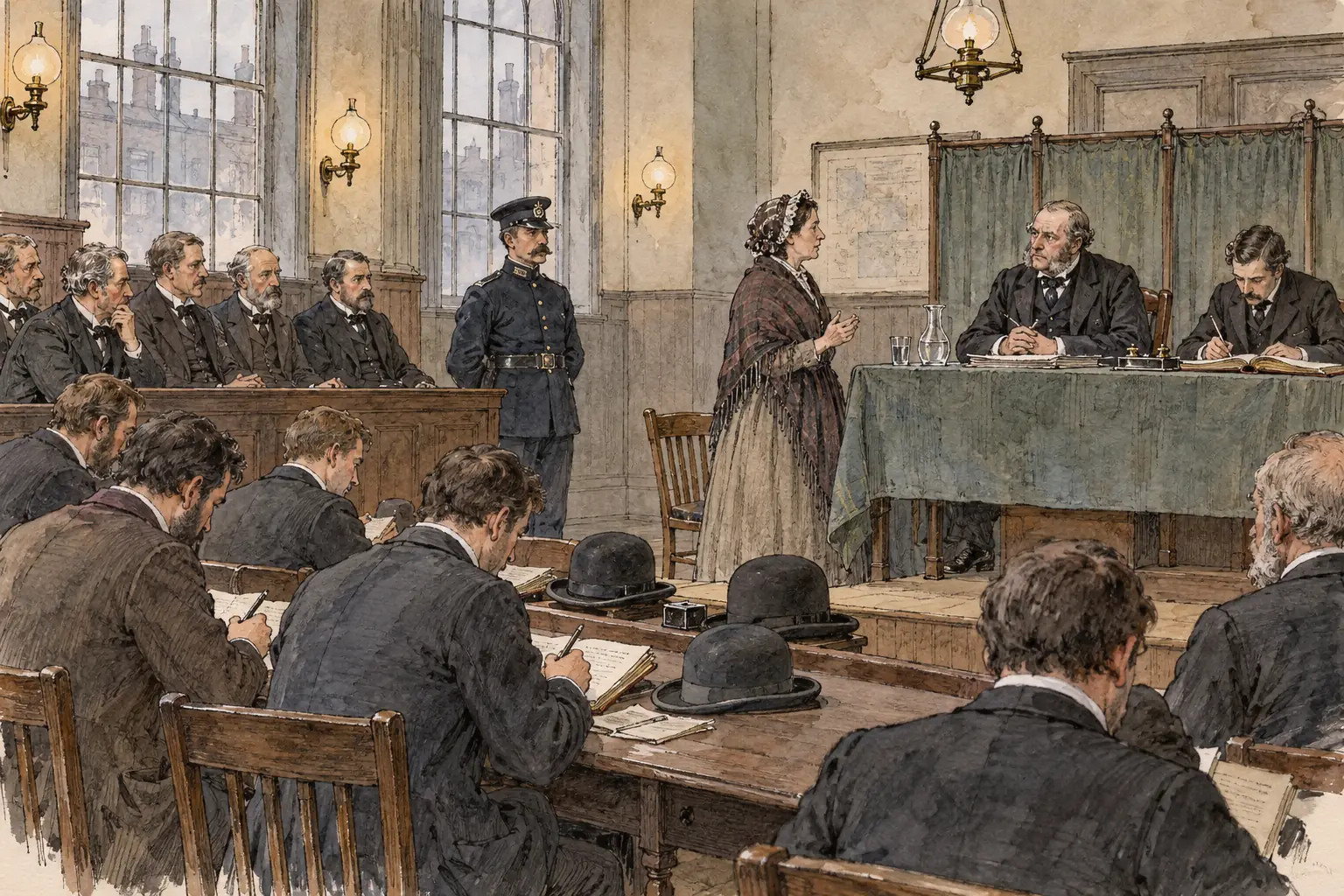
From the wide range of available materials, choosing the right sources is essential for a thorough enquiry. Combining different types and verifying them against each other builds a robust argument about Whitechapel's crime and policing.
Strategies for source selection and verification
- Relevance and variety – Pick sources that directly address the question, mixing quantitative data (like crime statistics) with qualitative accounts (such as eyewitness reports) for a complete view; for policing issues, include incident logs, press coverage, and geographical maps.
- Chronological accuracy – Ensure sources align with the period under study, avoiding materials from later years that might not reflect contemporary conditions.
- Corroboration – Compare sources to confirm details; a dramatic newspaper story can be validated against formal records, helping to offset individual weaknesses and create well-supported conclusions.