2.2 - Prevention, Treatment & Care, 1500–1700
Key facts and dates
The Renaissance period in medicine featured a mix of persistent traditional practices and gradual innovations, influenced by scientific discoveries and societal shifts. While humoral theory and herbal remedies remained common, advancements in anatomy and hospital organisation marked steps towards more scientific approaches.
Timeline of key events
- 1530s – Dissolution of the Monasteries leads to closure of many religious hospitals, prompting later reforms.
- 1543 – Andreas Vesalius publishes The Fabric of the Human Body, correcting numerous errors in Galen's anatomy through human dissection.
- 1628 – William Harvey publishes his discovery of blood circulation, challenging traditional views on physiology.
- Mid-17th century – New hospitals funded by charities and town councils open, focusing on disease treatment rather than spiritual care.
- Throughout 1500-1700 – Exploration introduces new remedies like quinine for malaria and tobacco as a multi-purpose cure.
Continuity in traditional treatments and prevention
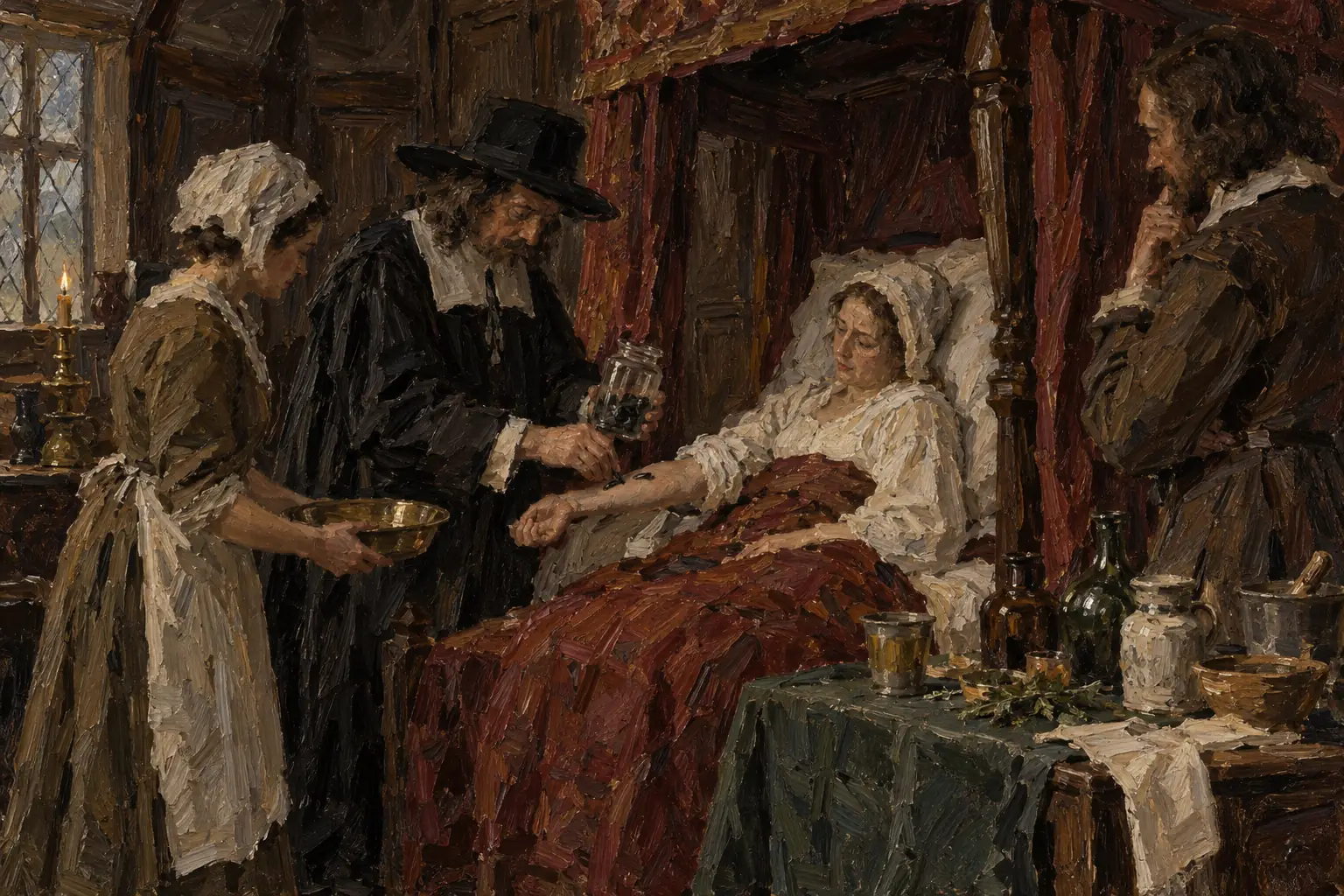
Throughout much of the Renaissance, from 1500 to 1700, medical practices showed strong continuity with medieval approaches. The general population and many physicians continued to rely on established methods rooted in ancient theories, particularly the humoral system, which viewed illness as an imbalance of bodily fluids.
Persistent traditional practices
- Balancing humours - Common treatments included bleeding to remove excess blood, purging with laxatives to expel waste, and inducing sweating to release toxins, all aimed at restoring humoral equilibrium.
- Herbal remedies - Everyday ailments were often addressed with plant-based cures, such as willow bark for pain or chamomile for digestive issues, drawn from long-standing folk knowledge.
- Supernatural and protective measures - Many people used prayers, charms, or amulets to prevent or ward off disease, reflecting a blend of religious faith and superstition that remained influential.
Changes in hospital care and institutions
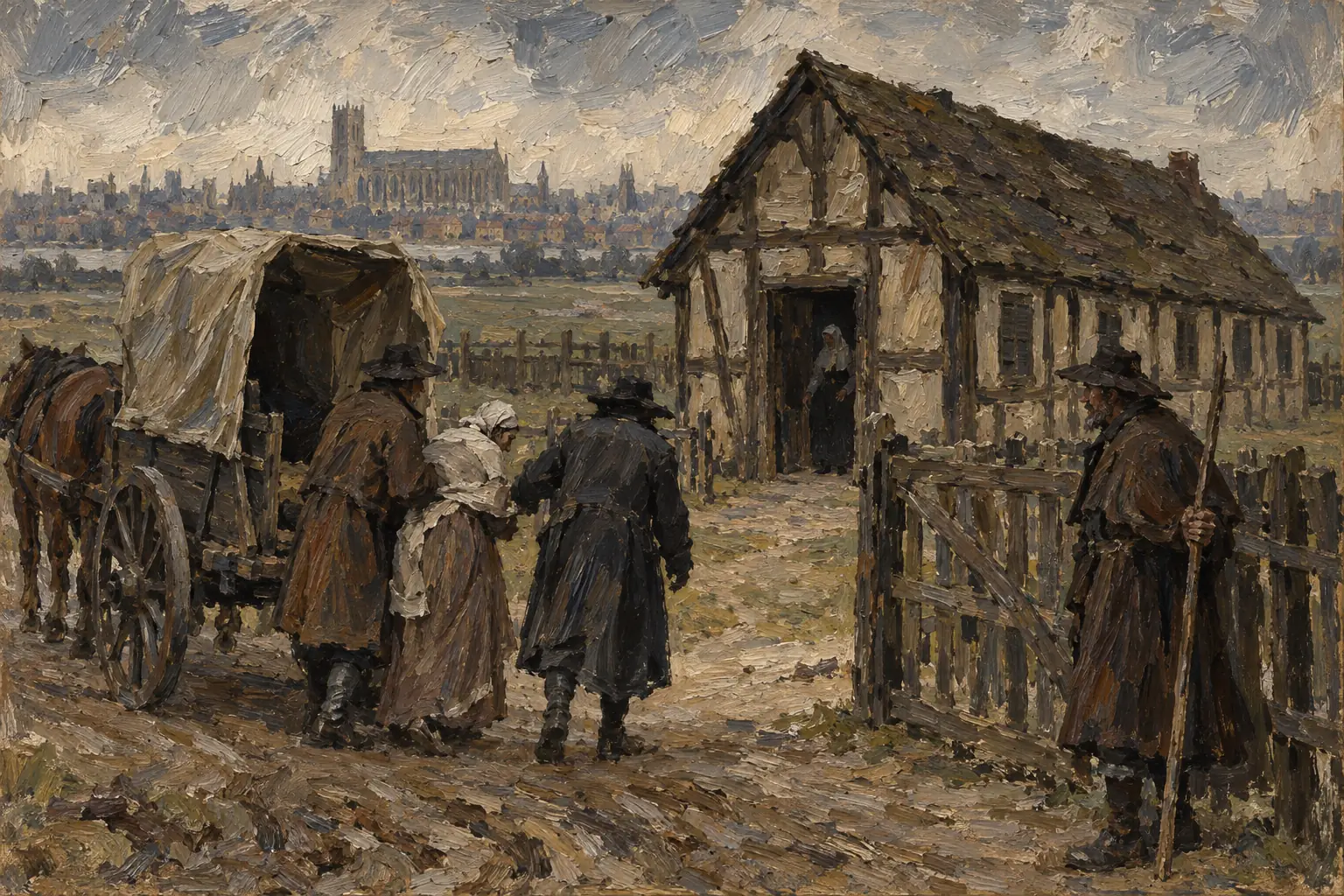
The Renaissance saw notable shifts in how care was provided, especially following disruptions to existing systems. While most ill people were still treated at home by family members, institutional care evolved, with a growing emphasis on medical treatment in urban areas by 1700.
Developments in hospital organisation
- Impact of the Dissolution of the Monasteries - In the 1530s, many church-run hospitals closed, but this led to the establishment of new facilities in the 17th century, often supported by charitable donations or local authorities.
- Focus on treatment - Emerging hospitals prioritised curing physical ailments over spiritual welfare, with examples in London including the re-founding of St Bartholomew's and the creation of specialised pest houses for infectious cases like the plague.
- Increased availability - By the end of the period, cities offered more access to hospitals and qualified physicians, supplementing community-based care and marking a step towards organised public health.
Improvements in medical training and Vesalius
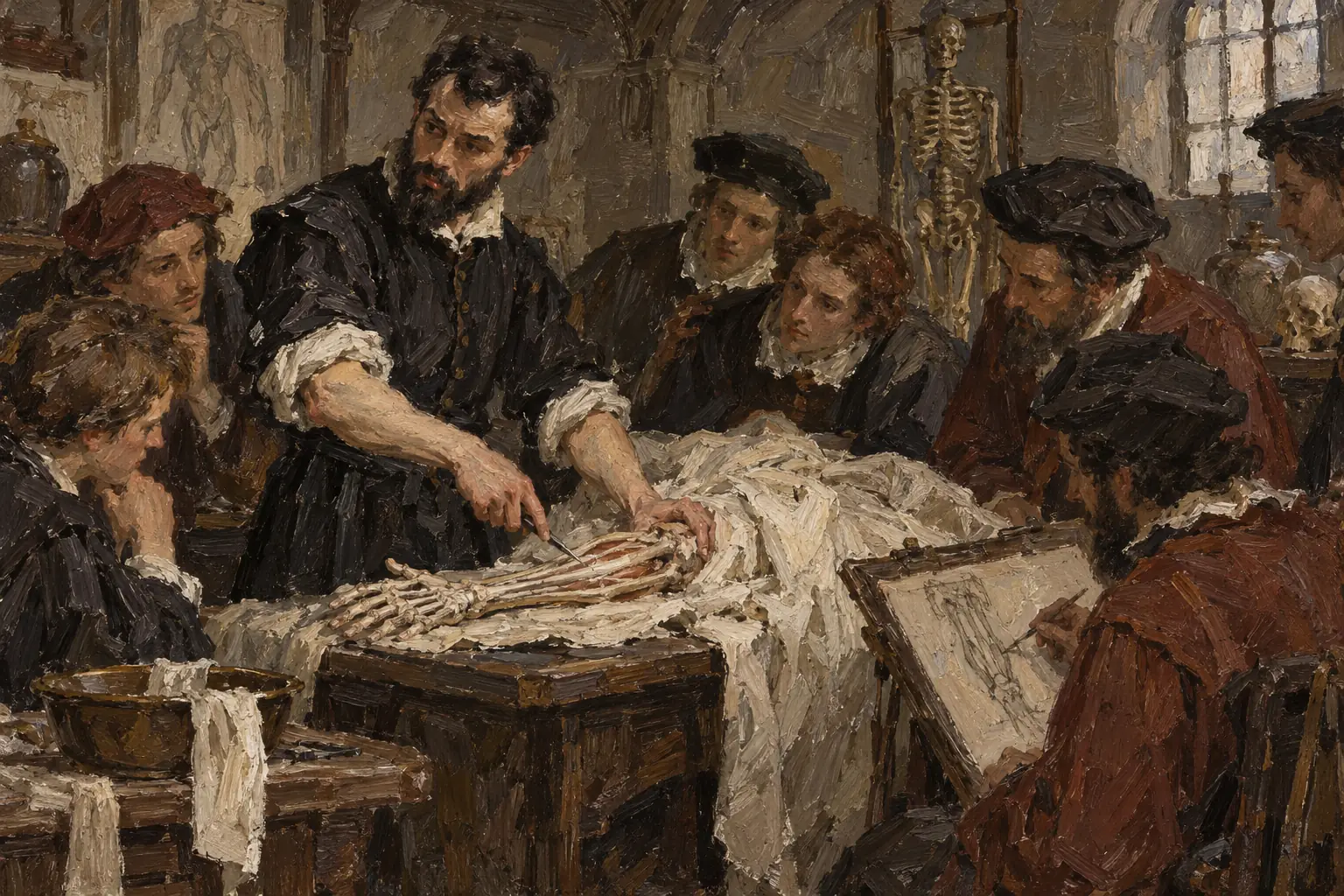
Medical education during the Renaissance began to incorporate more empirical methods, moving away from unquestioned reliance on ancient texts. This change was significantly driven by key figures who promoted observation and dissection.
Advances in physicians' education
- Emphasis on dissection and observation - Training increasingly involved hands-on study of human bodies, encouraging doctors to verify knowledge through direct evidence rather than solely through classical sources.
- Vesalius's contributions - In 1543, Andreas Vesalius published The Fabric of the Human Body, featuring accurate illustrations based on human dissections that corrected over 250 errors in Galen's work, such as proving the human jawbone is a single structure rather than two separate pieces.
- Spread and impact - The printing press helped disseminate Vesalius's findings, influencing English medical curricula to include more anatomy, though adoption was gradual and faced resistance from traditionalists.
- Related discoveries - William Harvey's 1628 work on blood circulation further encouraged a scientific mindset, potentially paving the way for future treatment innovations.
Introduction of new remedies from exploration
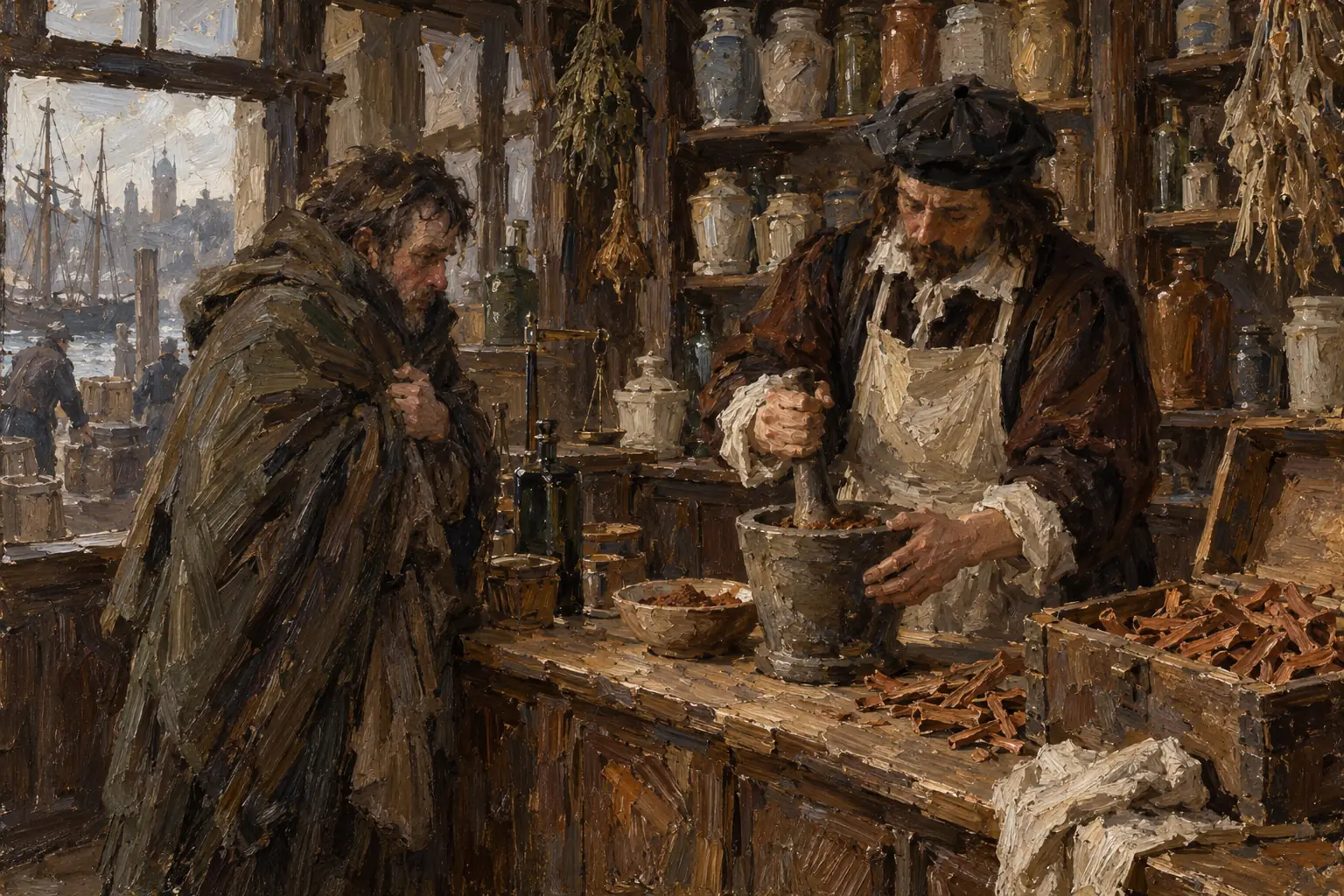
The era of exploration expanded the range of available treatments, as global voyages introduced novel substances to Europe. These additions diversified the options in apothecaries and reflected a growing openness to non-traditional cures.
New substances and their uses
- Quinine - Derived from cinchona bark sourced from South America, this remedy became valued for treating malaria by reducing fever and symptoms.
- Tobacco - Imported from the Americas, it was sometimes promoted as a versatile cure for various conditions, including headaches and wounds, though its effectiveness was limited.
- Broader diversification - These imports enriched the pharmacopoeia, allowing physicians to experiment with treatments beyond European herbs and contributing to a slow shift in preventive and curative practices.
Transition blending old and new approaches
By 1700, medicine was in a transitional phase, with enhanced anatomical understanding and a more inquisitive attitude among practitioners. However, effective cures remained scarce, and traditional methods coexisted with innovations.
Characteristics of the transitional period
- Improved knowledge base - Physicians possessed better insights into human anatomy and physiology, fostering a scientific outlook that questioned outdated ideas.
- Limited practical impact - Despite advances, most treatments were still ineffective, with few reliable options for common diseases.
- Integration of approaches - Many doctors combined humoral remedies with new techniques or imported substances, illustrating a period where continuity and change overlapped in medical care.