5.4 - The Jack the Ripper Case
Key facts and dates
By the late 19th century, investigative policing in London was evolving but remained limited by technology and resources, particularly in high-crime areas like Whitechapel. The unsolved Jack the Ripper murders highlighted these shortcomings, exposing issues with methods, inter-force cooperation, and public interference.
Timeline of key events
- 1878 – Establishment of the Criminal Investigation Department (CID) within the Metropolitan Police to handle serious crimes using plainclothes detectives.
- 1888 – Series of at least five murders in Whitechapel attributed to Jack the Ripper, attracting intense media attention and public scrutiny.
- September 1888 – Infamous "Dear Boss" hoax letter received by police, coining the name "Jack the Ripper" and complicating investigations.
- October 1888 – Graffiti evidence possibly linked to the killer erased by Metropolitan Police to avoid riots, highlighting tensions with City of London Police.
- 1888 – Formation of the Whitechapel Vigilance Committee by locals to patrol streets and assist police efforts.
- 1901 – Introduction of fingerprinting in Britain, a forensic tool unavailable during the Ripper case.
The state of detective work in the 1880s
In the 1880s, the Metropolitan Police operated a Detective Department, which was enhanced in 1878 with the creation of the Criminal Investigation Department (CID). This unit deployed plainclothes officers to probe major offences in areas like Whitechapel, a district plagued by poverty and crime. However, detective work was still emerging, relying heavily on human effort rather than advanced tools, which often proved inadequate for complex cases.
Key features of detective operations
- CID structure - Focused on serious crimes, with detectives working undercover to gather intelligence and build cases.
- Challenges in Whitechapel - The area's dense population, poor lighting, and high levels of vice made policing difficult, as criminals could easily blend into crowds or escape through narrow alleys.
- Resource limitations - Police forces were often understaffed, struggling to manage the volume of incidents in overcrowded slums.
Investigative methods and limitations
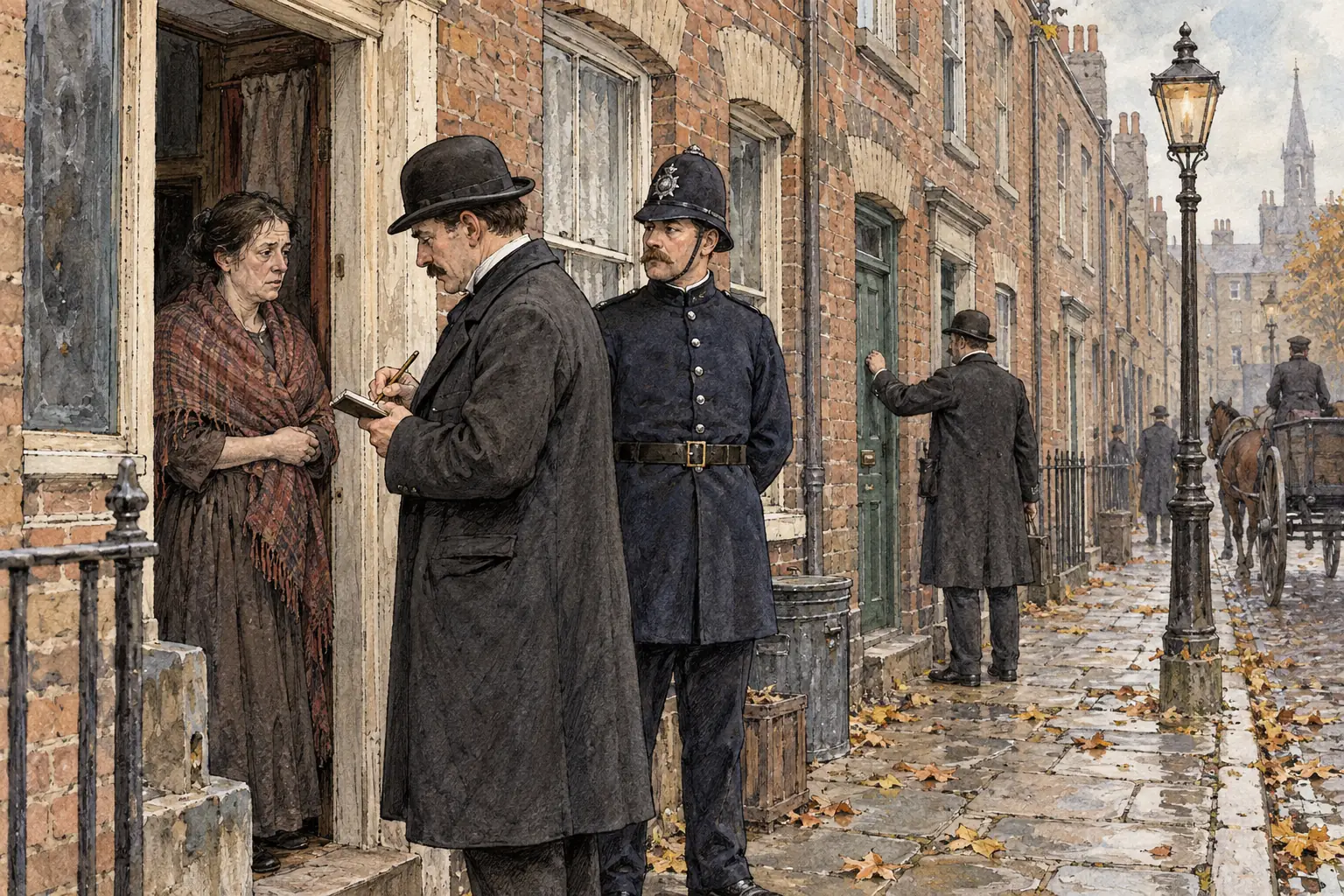
Detectives in the late 19th century employed basic techniques to solve crimes, but these were hampered by the absence of modern technology. Methods centred on manual processes and direct interactions, which were time-consuming and prone to errors.
Primary investigative techniques
- Interviews and statements - Officers questioned witnesses, suspects, and informants to collect accounts and follow leads.
- Crime scene documentation - Detailed sketches were made of sites, and in some instances, photographs captured victim details for reference.
- Medical evidence - Autopsy reports from coroners' inquests provided insights into causes of death and potential clues.
- Informant networks - Rewards were offered to encourage tips from the public or underworld contacts.
Key limitations due to lack of technology
- No advanced forensics - Techniques like DNA analysis or fingerprinting (not adopted until 1901) were unavailable, restricting evidence gathering to visual and testimonial means.
- Absence of surveillance tools - Without CCTV or telephone tracing, tracking suspects relied on foot patrols and chance sightings.
- Slow processes - Investigations demanded extensive labour, such as door-to-door enquiries, which could take weeks or months without guarantees of success.
Challenges in the Jack the Ripper investigation
Image 1 of 2: On 30 September 1888 writing in Goulston Street was wiped away on Metropolitan Police orders to prevent anti-Jewish riots, without consulting the City of London Police
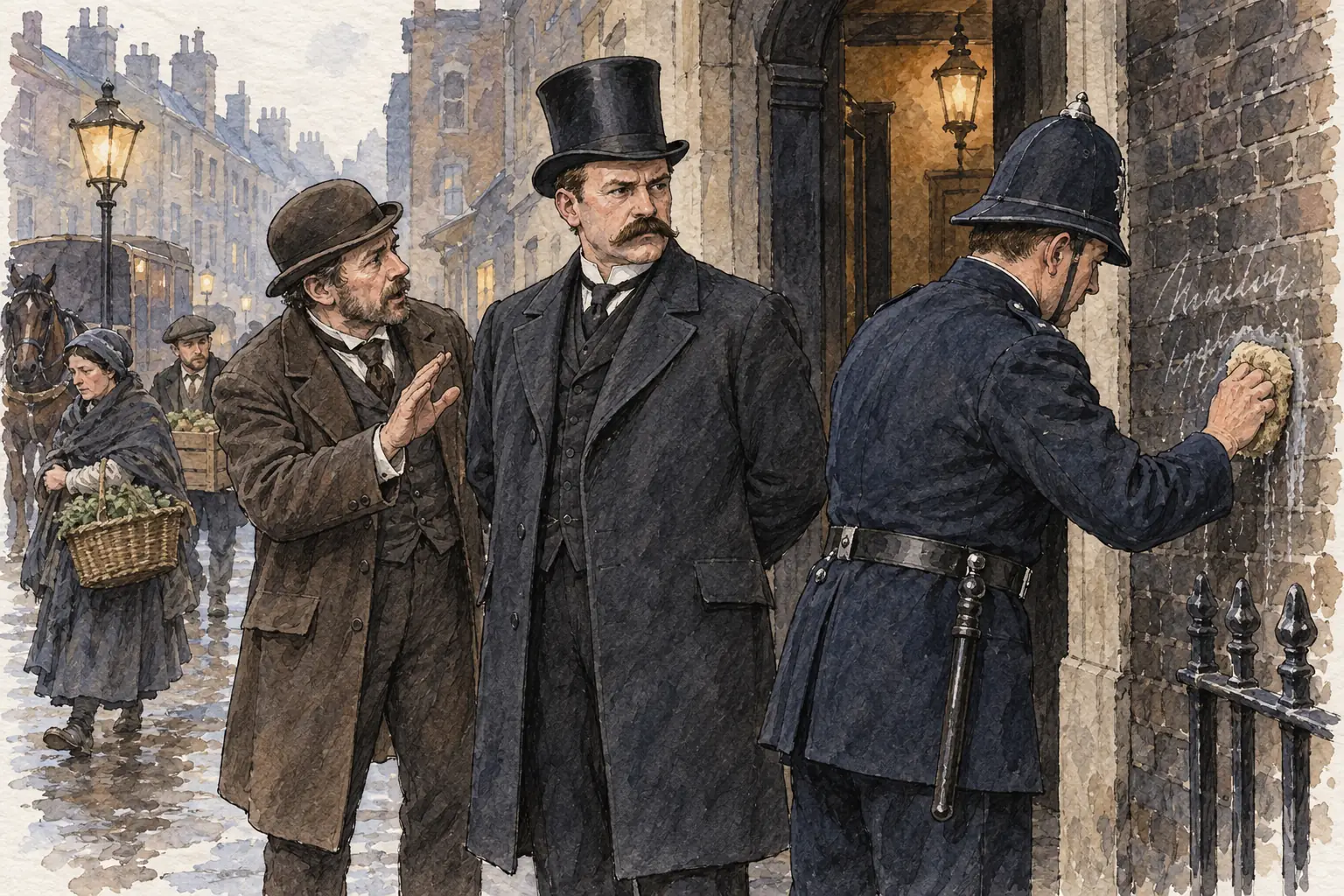
The 1888 murders of at least five women in Whitechapel by an unidentified serial killer exposed significant hurdles in investigative policing. The case involved multiple crime scenes and required coordination, but jurisdictional divides and other issues impeded progress.
Specific difficulties faced by police
- Jurisdictional conflicts - Most murders fell under Metropolitan Police control, but one occurred in City of London Police territory, leading to communication breakdowns and rivalry.
- A notable example was the hasty removal of potentially relevant graffiti by Metropolitan Police orders, without input from City officers, to avert public disorder.
- Scale of the enquiry - Hundreds of suspects were interviewed, and extensive searches conducted, but the killer's ability to strike quickly in dark, maze-like streets made apprehension elusive.
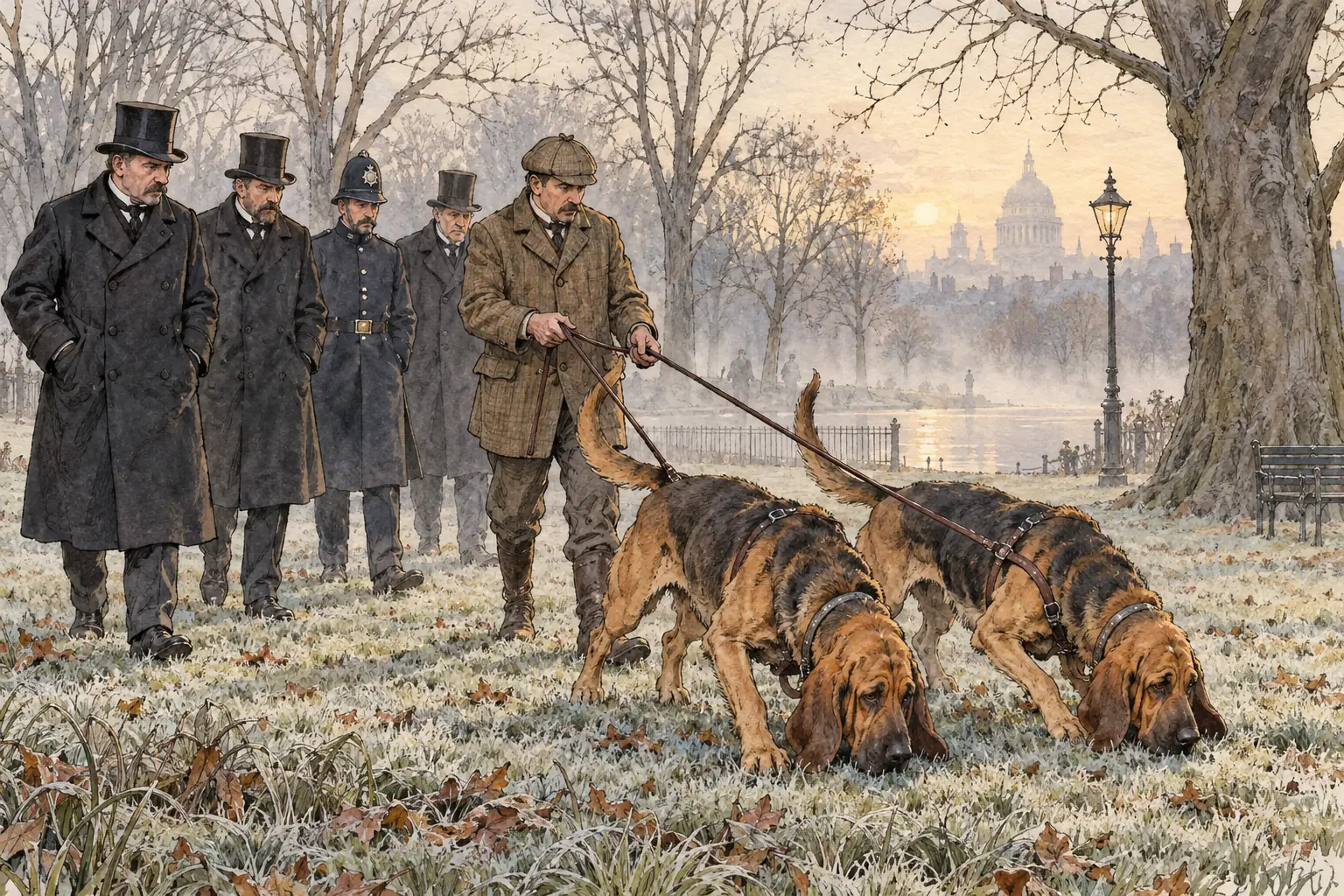
- Innovations attempted - Police experimented with bloodhounds for tracking and boosted plainclothes patrols, indicating early steps towards more sophisticated methods.
Role of media and public pressure
Image 1 of 2: Sensational newspaper reports spread fear and rumour and criticised the police
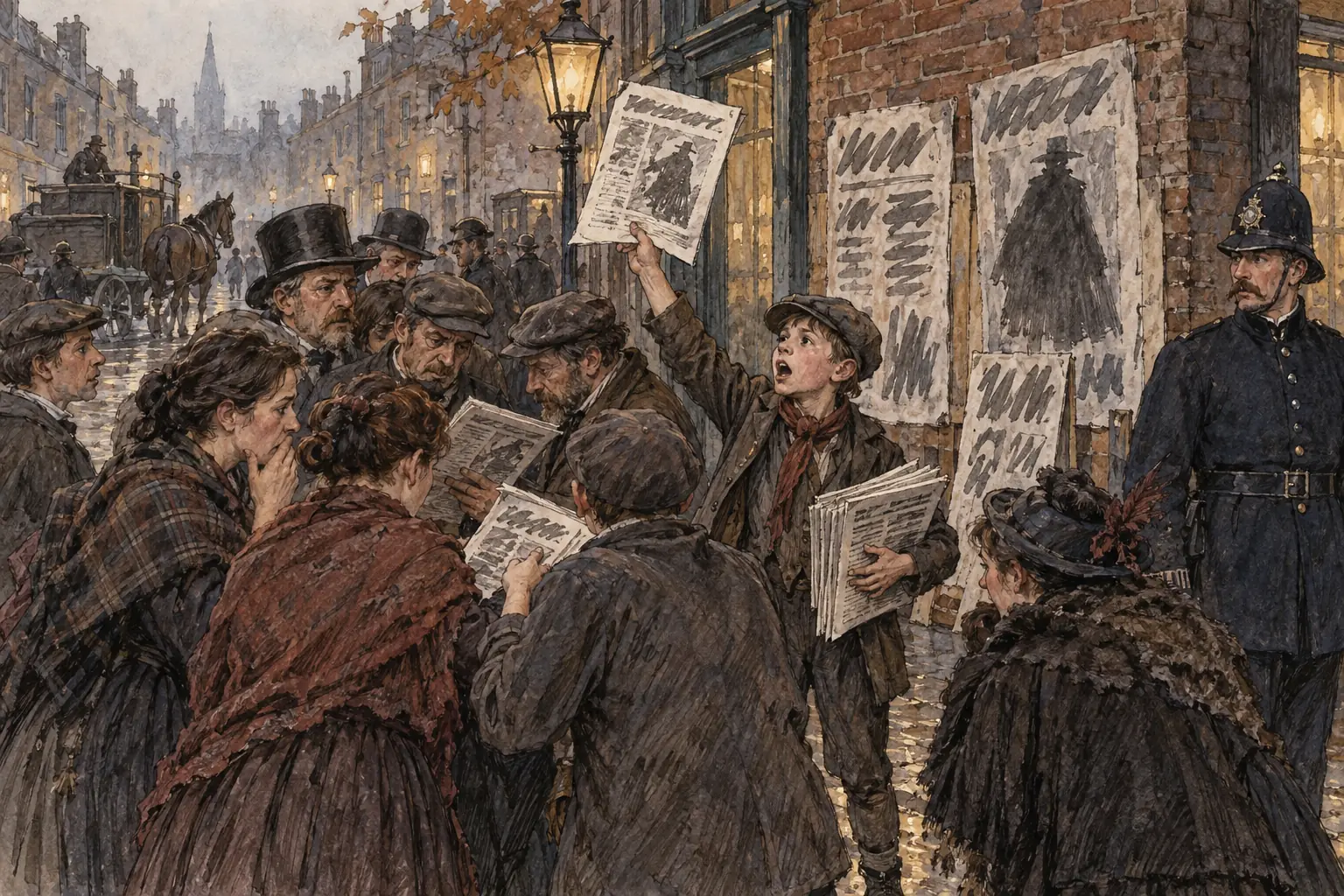
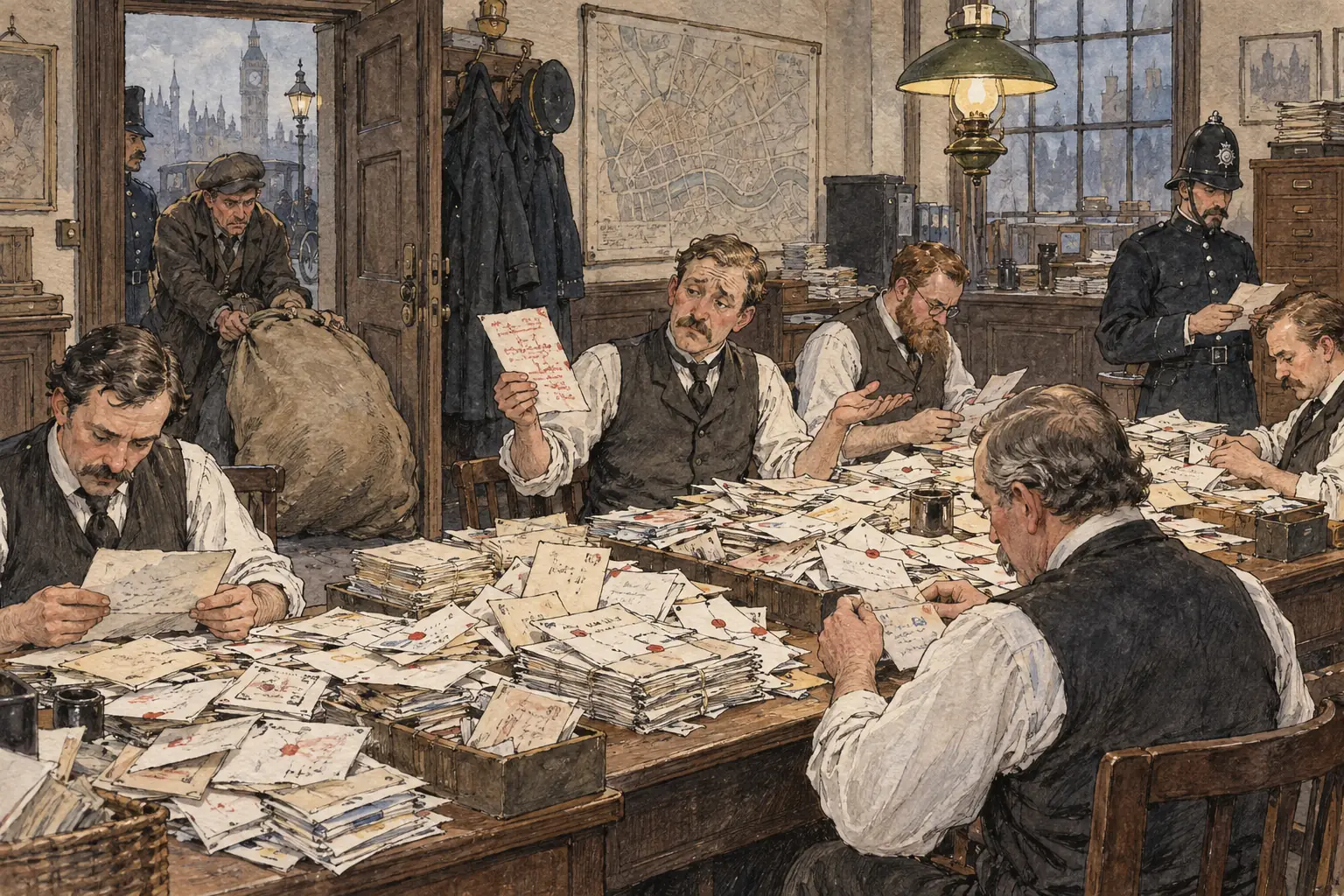
The Jack the Ripper case drew unprecedented newspaper attention, both locally and across the nation, which amplified public anxiety and complicated police efforts. Sensational reporting often blurred facts with speculation, overwhelming investigators.
Impact of media coverage
- Sensationalism and rumours - Papers published graphic details and unverified stories, heightening fear and generating false leads, including hoax correspondence like the "Dear Boss" letter that popularised the killer's nickname.
- Public scrutiny - Intense coverage criticised police incompetence, increasing pressure to solve the case quickly and eroding public trust.
- Volume of information - The media frenzy prompted a flood of letters and tips to police, many unreliable, which diverted resources from genuine enquiries.
The Whitechapel Vigilance Committee and outcomes
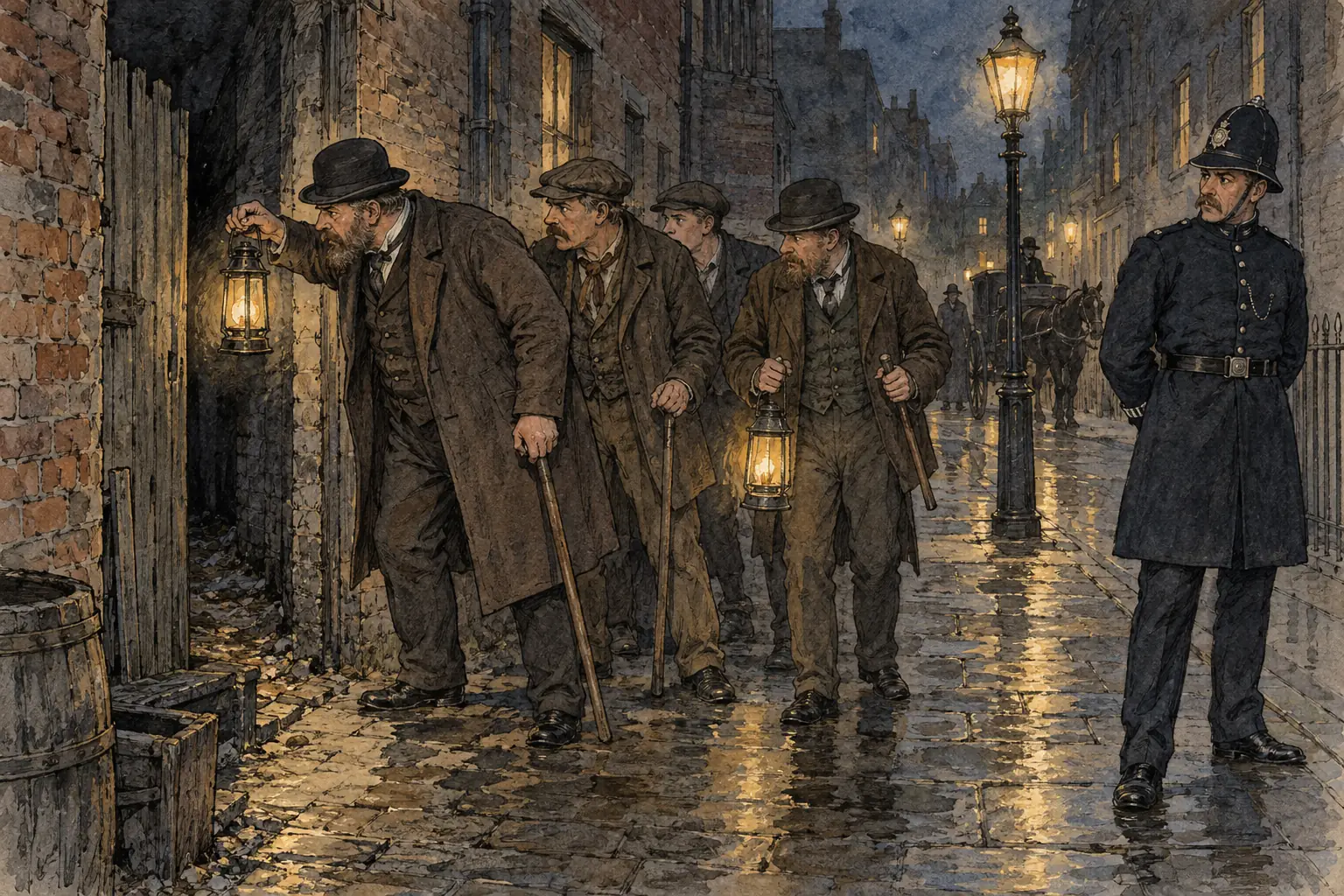
Frustrated by the police's inability to catch the Ripper, local businessmen and residents formed the Whitechapel Vigilance Committee in 1888. This group aimed to supplement official efforts but sometimes created additional obstacles.
Activities and effects of the Vigilance Committee
- Patrols and private detectives - Members conducted night watches and employed independent investigators to gather information and deter crime.
- Interference with police work - While well-intentioned, their actions occasionally produced misleading clues or conflicted with official strategies.
Overall outcomes and lessons from the case
- Failure to apprehend the killer - Despite exhaustive efforts, including widespread questioning and rewards, the perpetrator evaded capture, underscoring the era's investigative flaws.
- Demonstrated weaknesses - The case revealed undermanning, primitive forensics, inter-force tensions, and media complications as major barriers.
- Path to reform - The public backlash prompted discussions on improving detective practices, contributing to future advancements in policing techniques.