2.5 - Outbreak of War with Spain
Key facts and dates
The mid-1580s marked a critical escalation in tensions between England and Spain, shifting from diplomatic strains to open conflict through military interventions and naval raids. These events culminated in the launch of the Spanish Armada, representing a pivotal moment in Elizabethan foreign policy.
Timeline of key events
- 1585 – Elizabeth signs the Treaty of Nonsuch, allying with Dutch rebels and sending troops to the Netherlands.
- 1585 – Robert Dudley, Earl of Leicester, leads an English army into the Netherlands to confront Spanish forces.
- 1586 – Leicester accepts the title of Governor-General of the Netherlands, causing friction with Elizabeth.
- 1587 – Sir Francis Drake raids Cadiz, destroying ships and supplies in a preemptive strike.
- 1587 – Drake continues harassing Spanish shipping along the coasts of Portugal and Spain.
- 1588 – Philip II launches the rebuilt Spanish Armada, aiming to invade England and end its support for Dutch rebels.
Treaty of Nonsuch and English intervention
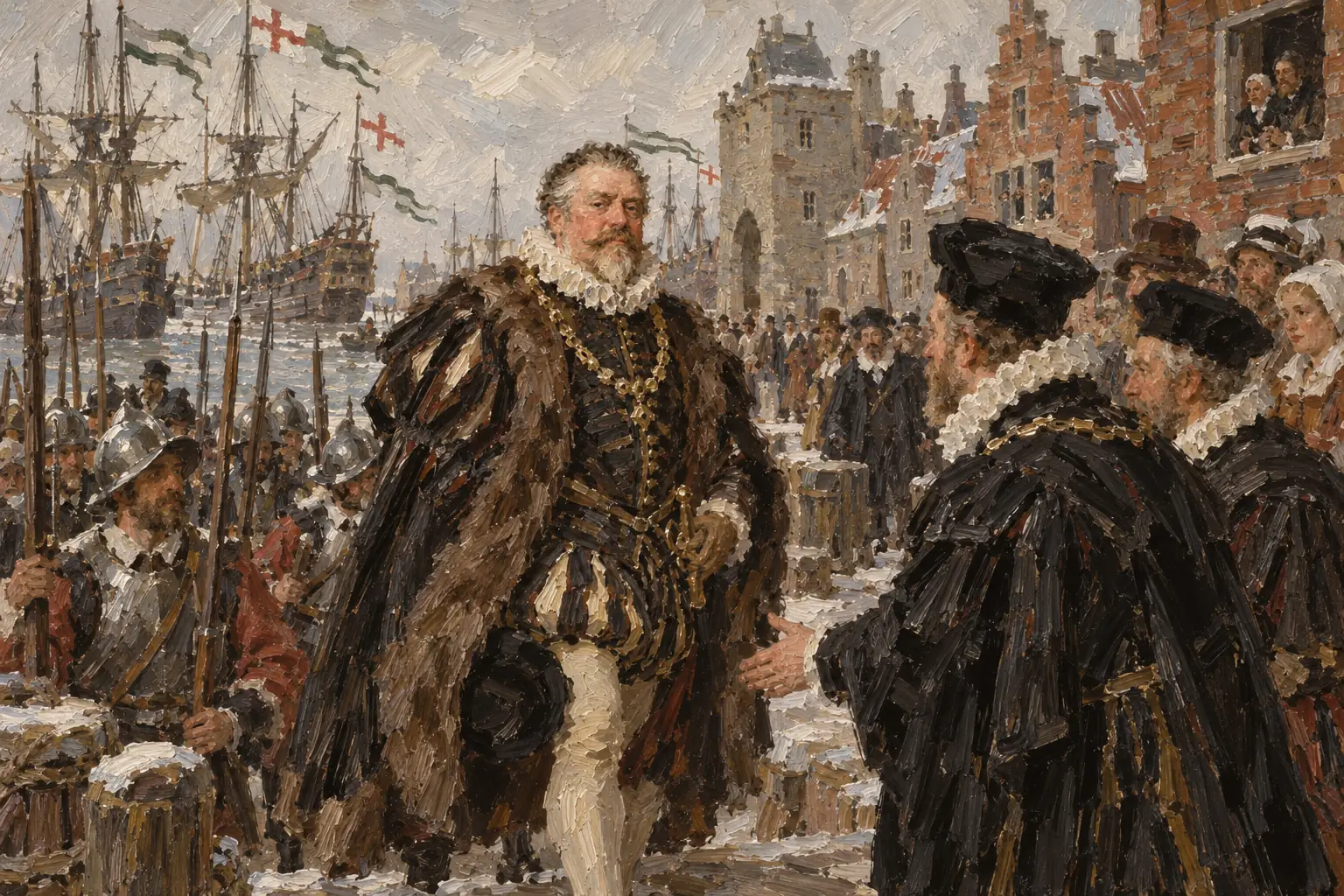
By the mid-1580s, longstanding tensions between England and Spain reached a breaking point, leading to direct military engagement. England's decision to support the Dutch rebels against Spanish rule marked a significant shift towards open conflict, though formal war was not declared.
Key aspects of the Treaty of Nonsuch
- Alliance with Dutch rebels - In 1585, Elizabeth signed the Treaty of Nonsuch, committing England to aid the Dutch in their struggle for independence from Spanish control.
- Military commitment - The treaty involved sending English troops to the Netherlands, escalating the situation into direct confrontations between English and Spanish soldiers.
- Strategic motivations - This intervention aimed to weaken Spain's hold on the Low Countries, protect English interests, and prevent Spanish dominance in Europe.
Leicester's military campaign in the Netherlands
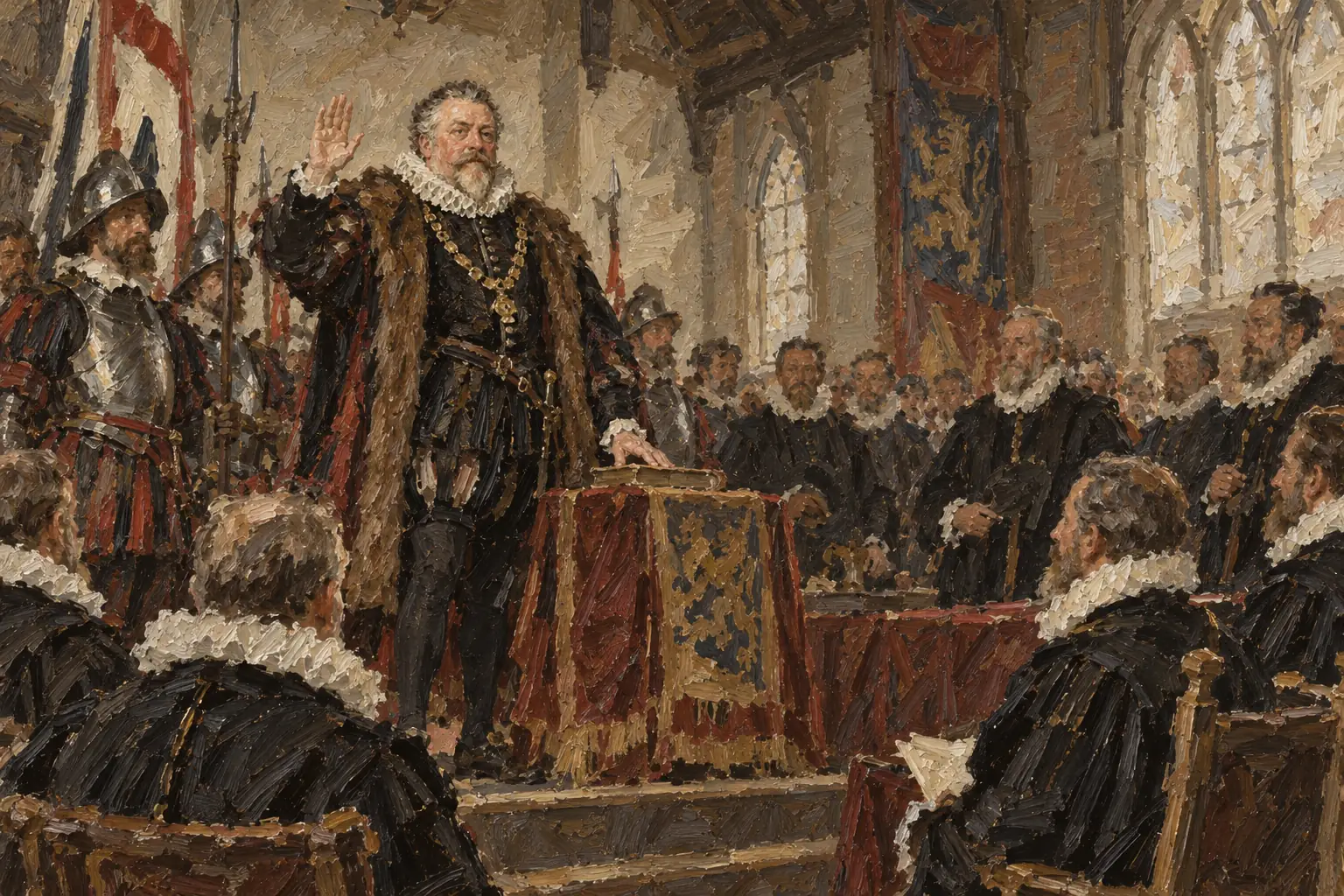
Robert Dudley, Earl of Leicester, a trusted adviser to Elizabeth, was chosen to command the English forces in the Netherlands. His campaign represented England's first major military involvement abroad during this period, though it faced challenges and internal disputes.
Outcomes and challenges of Leicester's campaign
- Leadership and forces - In 1585, Leicester led approximately 6,000 soldiers into the Netherlands to challenge the Spanish army under the Duke of Parma.
- Limited military success - The campaign achieved some gains but failed to deliver a decisive victory against the well-organised Spanish troops.
- Controversial decisions - Leicester accepted the position of Governor-General of the Netherlands without Elizabeth's approval, which angered the queen and strained relations.
- Broader implications - Despite mixed results, the expedition signalled an undeclared state of war, forcing Spain to divert resources and intensifying hostilities.
Drake's raid on Cadiz and preemptive strikes
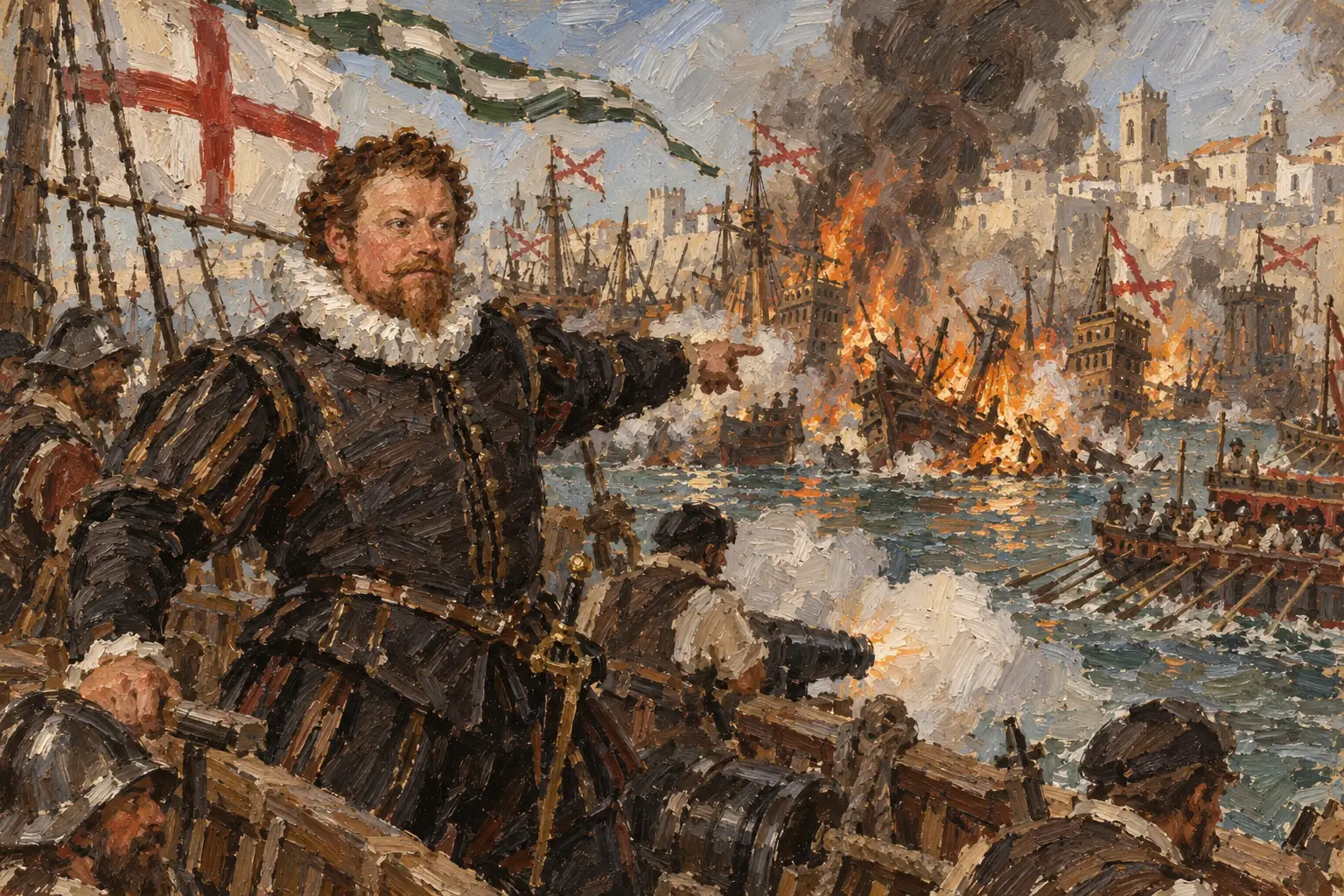
To counter Spain's growing naval threat, Elizabeth authorised aggressive actions against Spanish preparations. Sir Francis Drake's operations in 1587 exemplified England's strategy of preemptive attacks to disrupt enemy plans.
Details of Drake's operations
- Raid on Cadiz - In April 1587, Drake launched a surprise assault on the Spanish port of Cadiz, destroying or seizing about 25 vessels and vast stores of supplies.
- Impact of the raid - Known as the "singeing of the King of Spain's beard," this action delayed Spain's invasion fleet construction by disrupting shipbuilding and logistics.
- Continued harassment - Following Cadiz, Drake targeted Spanish shipping off the coasts of Portugal and Spain, further weakening naval capabilities and provoking Philip II.
- Strategic benefits - These strikes provided England with crucial time to bolster its own defences, including fleet readiness and coastal fortifications.
Philip II's preparations and lead-up to war
Image 1 of 2: Philip II planned an invasion to depose Elizabeth and restore Catholicism
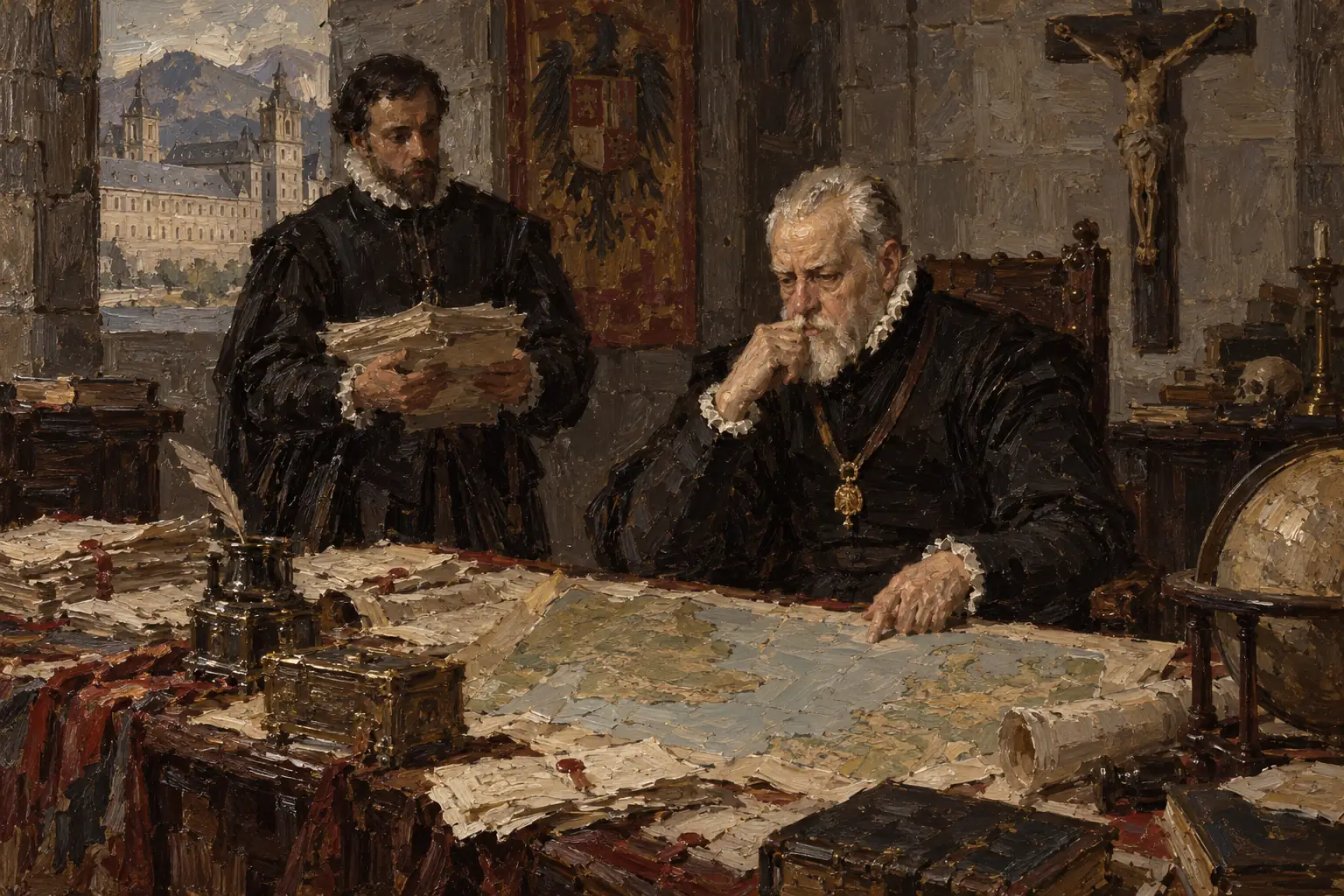
As English actions intensified, Philip II of Spain accelerated his plans for invasion, viewing England as a persistent threat to Spanish interests. This period from 1585 to 1588 set the stage for a major confrontation.
Factors leading to the Spanish Armada
- Rebuilding the fleet - Philip II reconstructed his navy after Drake's raids, assembling a massive armada intended to conquer England and halt support for Dutch rebels.
- Invasion strategy - The plan involved coordinating with Spanish forces in the Netherlands to launch a cross-Channel assault, aiming to depose Elizabeth and restore Catholicism.
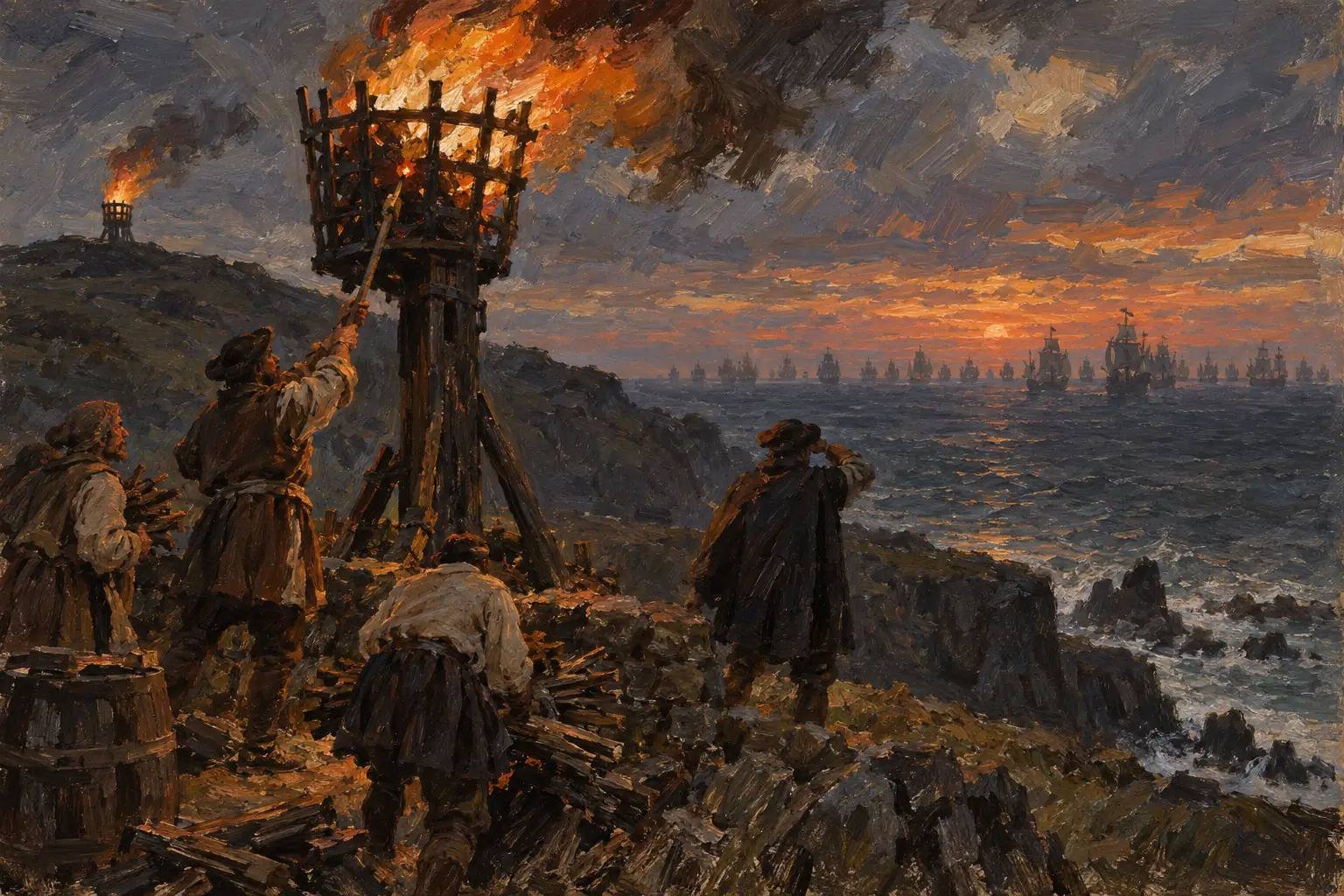
- English preparations - In response, England enhanced its naval defences, established coastal warning systems like beacons, and mobilised ground troops.
- Escalation to war - The combination of English intervention in the Netherlands and preemptive naval strikes directly prompted Philip's decision to invade in 1588, transforming tensions into open warfare..