4.4 - Case Study: Lung Cancer in the 21st Century
Key facts and dates
Lung cancer emerged as a major health crisis in the 20th century, primarily linked to the rise in cigarette smoking. In the 21st century, scientific advancements and government policies have combined to improve detection, treatment, and prevention, though challenges persist due to late diagnoses and lifestyle factors.
Timeline of key events
- 1950s – Research establishes cigarette smoking as the primary cause of lung cancer.
- 2007 – UK introduces a ban on smoking in indoor public places and workplaces to cut secondhand smoke exposure.
- 2010s – Launch of campaigns like Stoptober to support smoking cessation through mass media.
- 2010s onwards – Introduction of advanced treatments including immunotherapy and targeted therapies based on genetic testing.
- Ongoing – Environmental policies address air pollution as a contributing factor to lung cancer.
Advances in diagnosis of lung cancer
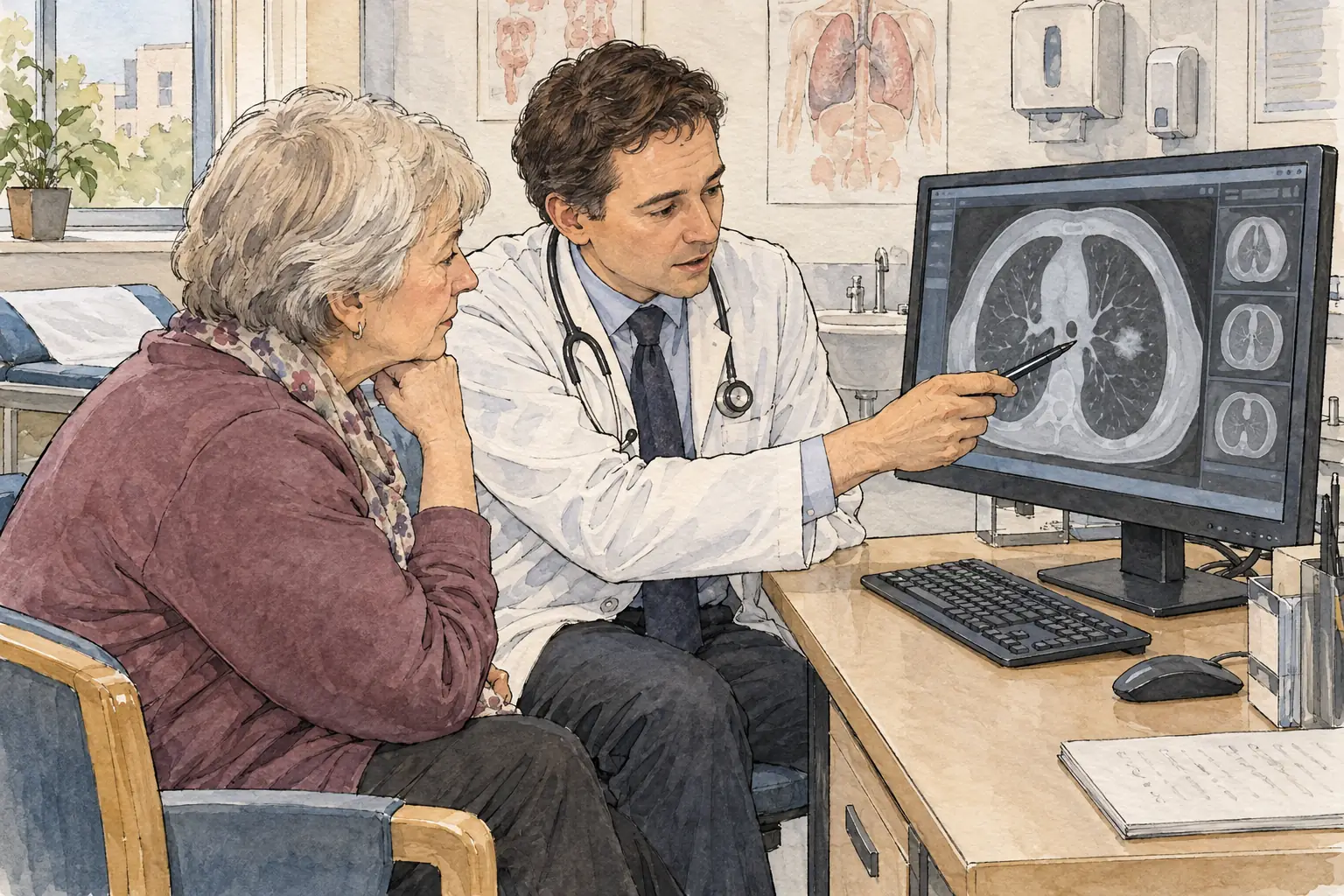
In the 21st century, technological progress has enhanced the accuracy and speed of detecting lung cancer, enabling earlier identification of tumours. These methods rely on sophisticated imaging and invasive procedures to confirm the presence and nature of abnormal growths in the lungs.
Imaging techniques for spotting lung tumours
- Chest X-rays - Provide initial images of the lungs to identify potential abnormalities, though less detailed for small tumours.
- Computed tomography (CT) scans - Offer high-resolution views that can reveal tiny growths at an earlier stage, improving chances of successful intervention.
Invasive and genetic diagnostic tools
- Bronchoscopy - Involves inserting a small camera into the airways to examine tumours directly and collect biopsy samples for analysis.
- Genetic testing - Analyses tumour tissue to detect specific mutations, which helps in selecting personalised treatment approaches.
Developments in treatment options for lung cancer
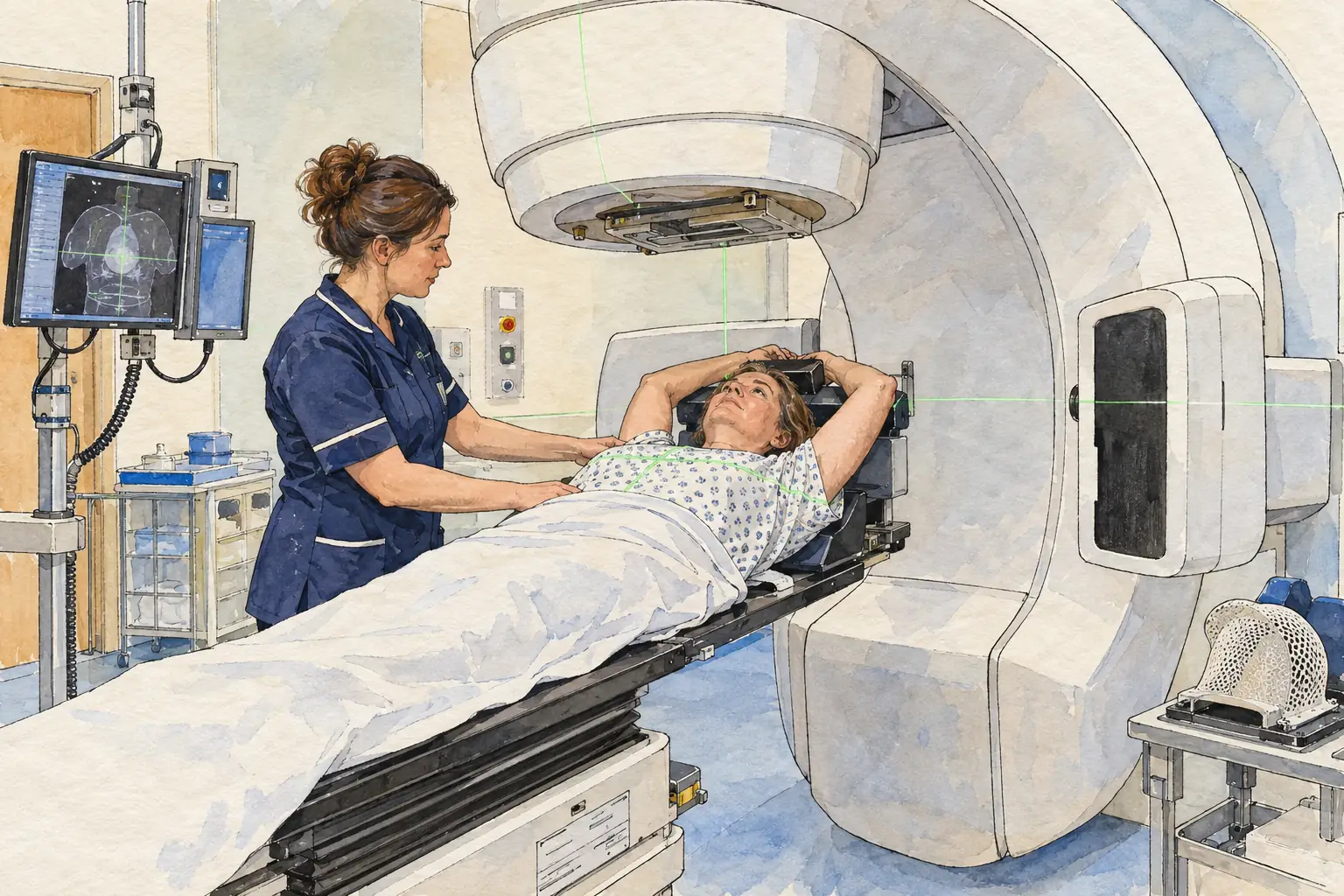
Treatment for lung cancer has evolved significantly in recent decades, incorporating surgical, radiation-based, and drug therapies. These advancements stem from research into cancer mechanisms, aiming to eliminate or control tumours while minimising harm to healthy tissues.
Surgical and radiation-based treatments
- Surgery - Removes affected lung sections to excise tumours, most effective when cancer is detected early.
- Radiotherapy - Employs high-energy beams to reduce or eliminate tumours; techniques like intensity-modulated radiotherapy (IMRT) enable precise delivery to protect surrounding healthy areas.
Drug-based and innovative therapies
- Chemotherapy - Uses anti-cancer medications to target rapidly dividing cells, commonly combined with other methods for enhanced results.
- Immunotherapy - Administers drugs that boost the body's immune response to fight cancer cells more effectively.
- Targeted therapy - Involves medications designed to attack particular genetic changes in cancer cells, offering tailored options for certain patients.
Government actions on smoking and lung cancer

Recognising smoking as the leading cause of lung cancer, governments have implemented comprehensive strategies to curb tobacco use. These measures focus on education, regulation, and support services to promote behavioural changes and lower incidence rates.
Public health campaigns and awareness efforts
- Warning initiatives - Feature graphic images on cigarette packaging and media advertisements that directly connect smoking to cancer risks.
- Mass media drives - Include programmes like Stoptober, encouraging collective quitting efforts through widespread promotion.
Legislative and supportive measures
- Advertising bans - Prohibit tobacco promotion and sponsorship to limit its appeal, especially to younger people.
- Taxation policies - Impose high taxes on cigarettes to make them less affordable and deter purchases.
- Public smoking restrictions - Enforce bans in enclosed public spaces and workplaces since 2007, reducing passive smoking and shifting social norms.
- Cessation services - Provide government-funded programmes through the National Health Service (NHS) to help individuals stop smoking.
Broader prevention strategies
Governments also address non-smoking factors, such as air pollution, via environmental regulations. Public reminders emphasise symptom awareness for early detection, even among non-smokers.
Science, technology, policy and challenges
The battle against lung cancer demonstrates how medical innovations and policy interventions work together to combat disease. While treatments have advanced, prevention through lifestyle changes has driven the most substantial reductions in cases.
Combined impact of medical and policy efforts
- Declining smoking rates - Anti-smoking policies have reduced tobacco use, contributing to lower lung cancer incidence.
- Improved survival - Earlier detection via technology and better therapies have enhanced outcomes for many patients.
Persistent challenges and future needs
- Late-stage diagnoses - Many cases are identified too late, limiting treatment success and highlighting the need for improved screening methods.
- Ongoing innovations - Continued research is essential for developing more effective drugs and detection tools.
- Sustained public health focus - Policies must evolve to tackle emerging risks like air pollution and maintain momentum in anti-smoking initiatives.