1.2 - Prevention & Treatment in Medieval Medicine
Key facts and dates
Medieval medicine in Britain, spanning roughly from the 5th to the 15th century, blended religious, traditional, and early scientific ideas with limited effectiveness. Prevention and treatment focused more on spiritual and humoral balance than on curing underlying causes, reflecting the era's limited understanding of disease.
Key facts to remember
- Religious causation – Illness often seen as divine punishment, leading to preventive practices like prayer and penance.
- Humoural theory – Based on balancing four bodily fluids; treatments included bloodletting and purging.
- Miasma theory – Disease attributed to bad air, prompting air purification methods such as herbs and fires.
- Medical practitioners – Included physicians for diagnosis, apothecaries for remedies, and barber surgeons for procedures.
- Home-based care – Most treatment occurred at home, with women using herbal knowledge.
- Hospital role – Church-run facilities emphasised spiritual care and rest over medical cures.
Religious beliefs and disease prevention
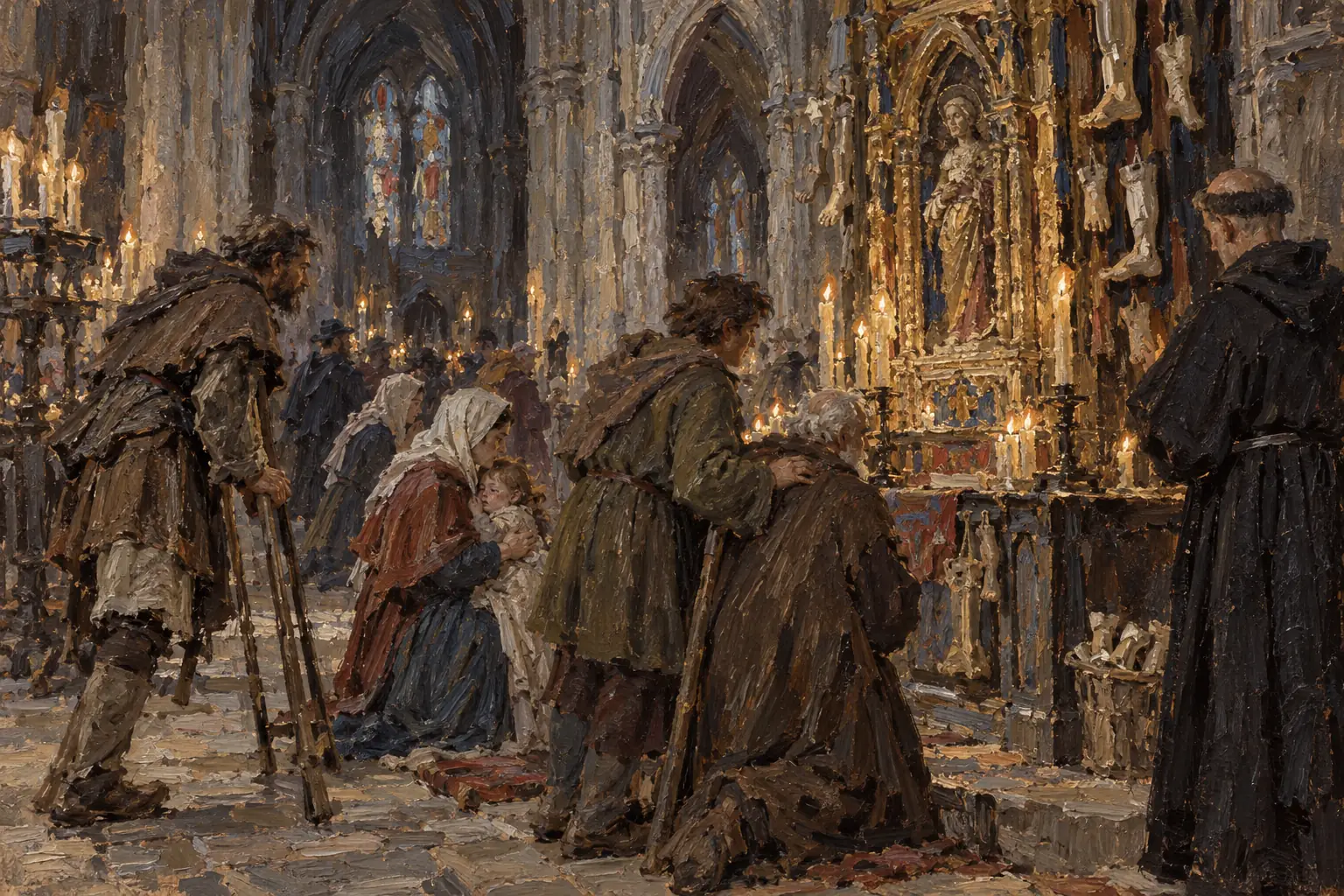
In the Middle Ages, many people viewed disease as a form of punishment from God for sinful behaviour. This belief shaped approaches to prevention, emphasising spiritual actions to seek forgiveness and divine protection.
Spiritual practices for disease prevention
| Practice | Description |
|---|---|
| Prayer and penance | Individuals engaged in personal prayers or acts of repentance, such as fasting or self-flagellation, to atone for sins and avoid illness. |
| Pilgrimages | Travelling to holy sites or shrines was common, as pilgrims hoped to gain God's favour and protection against sickness through devotion. |
| Amulets and charms | People carried small objects, often blessed or inscribed with religious symbols, believing they warded off evil spirits or divine wrath. |
| Church processions during epidemics | Communities organised group marches led by clergy, combining prayers and rituals to appeal for collective mercy and halt the spread of disease. |
These methods reflected the dominant role of the Church in daily life, where faith was seen as the primary defence against health threats.
Humoural theory and treatments to restore balance
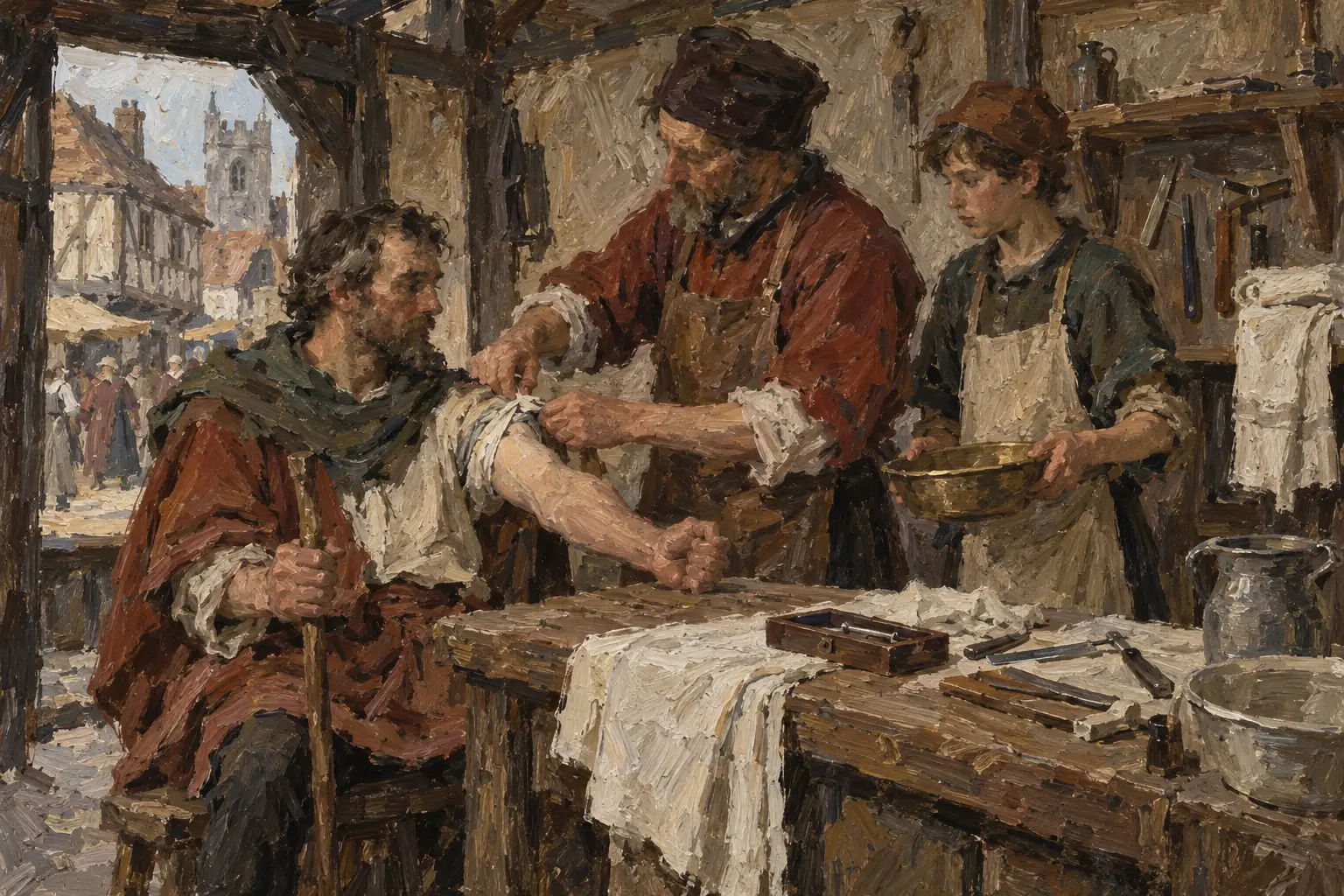
Medieval medicine was heavily influenced by the ancient theory of the four humours – blood, phlegm, yellow bile, and black bile – which needed to be balanced for good health. Imbalances were thought to cause illness, leading to treatments aimed at restoring equilibrium.
Common humoural treatments
- Bloodletting - Excess blood was removed by cutting veins or using leeches, performed by physicians or barber surgeons to reduce supposed overabundance of this humour.
- Purging - Patients were given substances to induce vomiting or diarrhoea, expelling excess phlegm or bile and aiming to cleanse the body internally.
These interventions were based on diagnosing humoural imbalances, often without addressing the actual causes of disease, and could sometimes weaken patients further.
Prevention strategies based on miasma theory
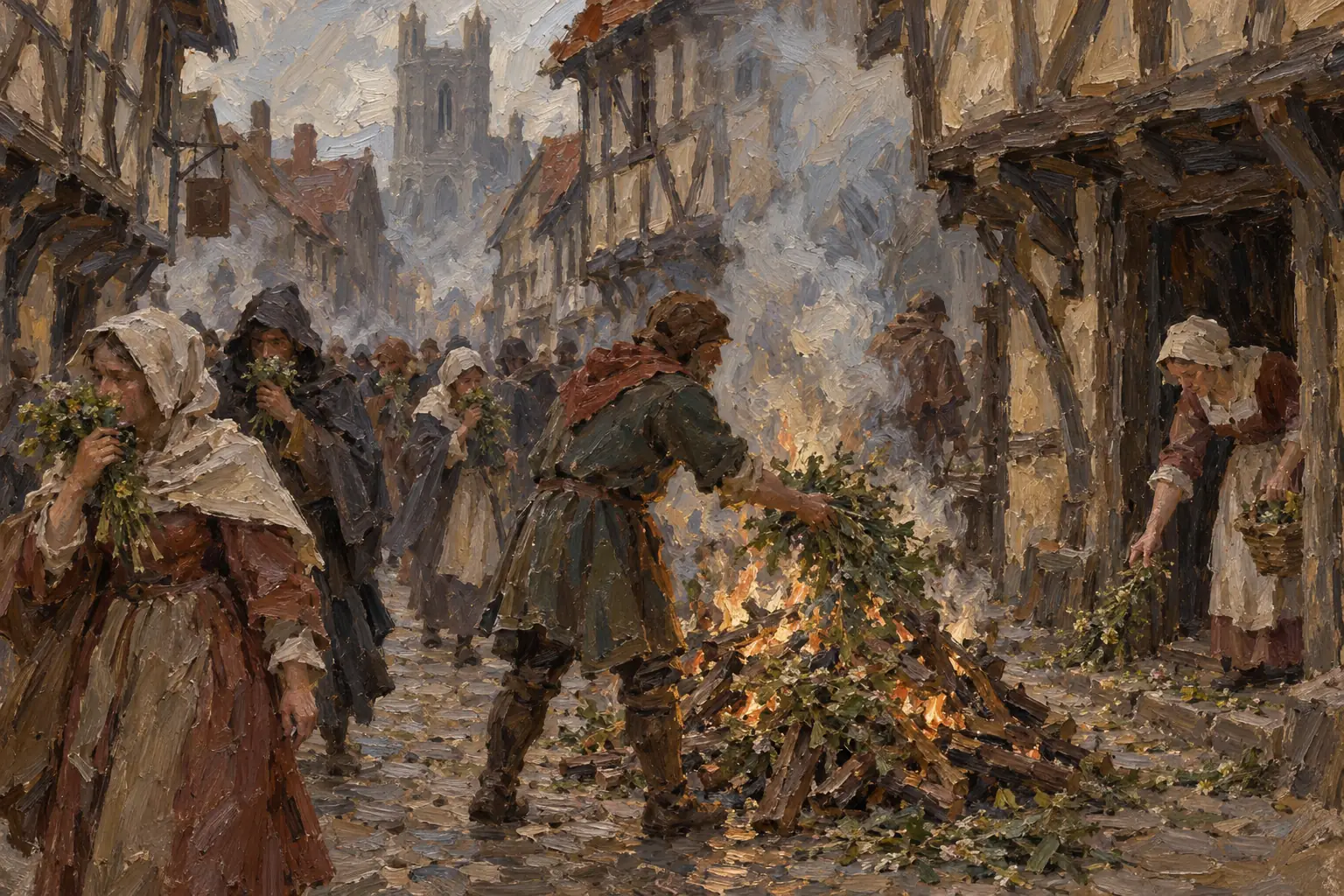
The miasma theory held that diseases spread through poisonous vapours or bad air arising from decaying matter. Prevention focused on cleansing the environment to avoid inhaling these harmful elements.
Methods to purify air and avoid miasma
- Sweet-smelling herbs - People carried posies or pouches of aromatic plants, such as lavender or rosemary, to mask foul odours and neutralise bad air.
- Lighting fires - Bonfires or indoor hearths were lit in streets and homes during outbreaks, with the belief that heat and smoke would disperse miasmatic vapours.
Such practices were widespread during plagues, combining practical efforts with the era's limited scientific knowledge.
Roles of medical practitioners and home care
Image 1 of 3: University-trained physicians diagnosed illness by examining urine
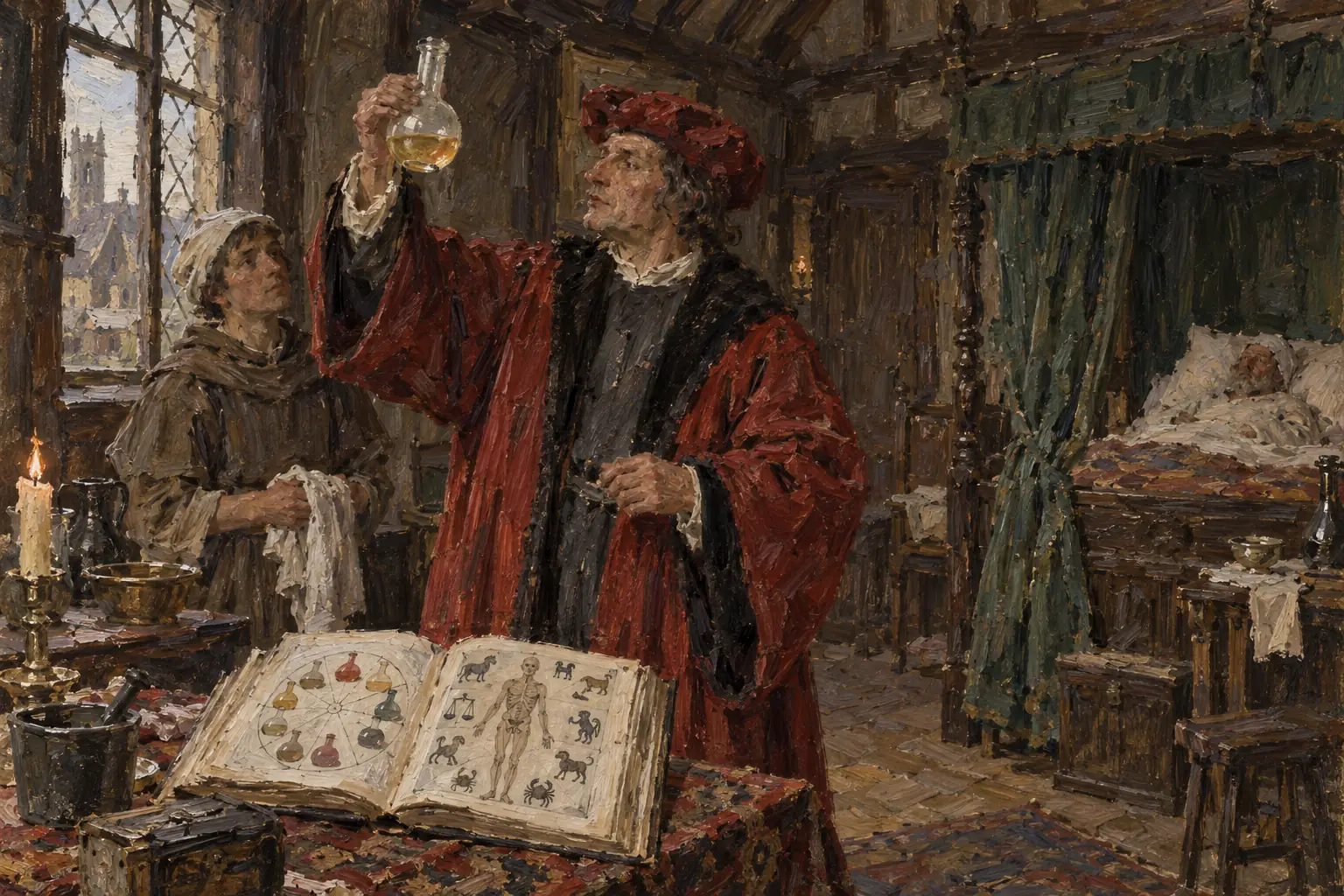
Medical care in the Middle Ages involved a range of practitioners, each with specific skills, though most treatment occurred in domestic settings rather than formal institutions.
Key medical roles and practices
| Practitioner | Role |
|---|---|
| University-trained physicians | These professionals diagnosed illnesses by examining urine colour and consistency or consulting astrology charts to align treatments with celestial influences. |
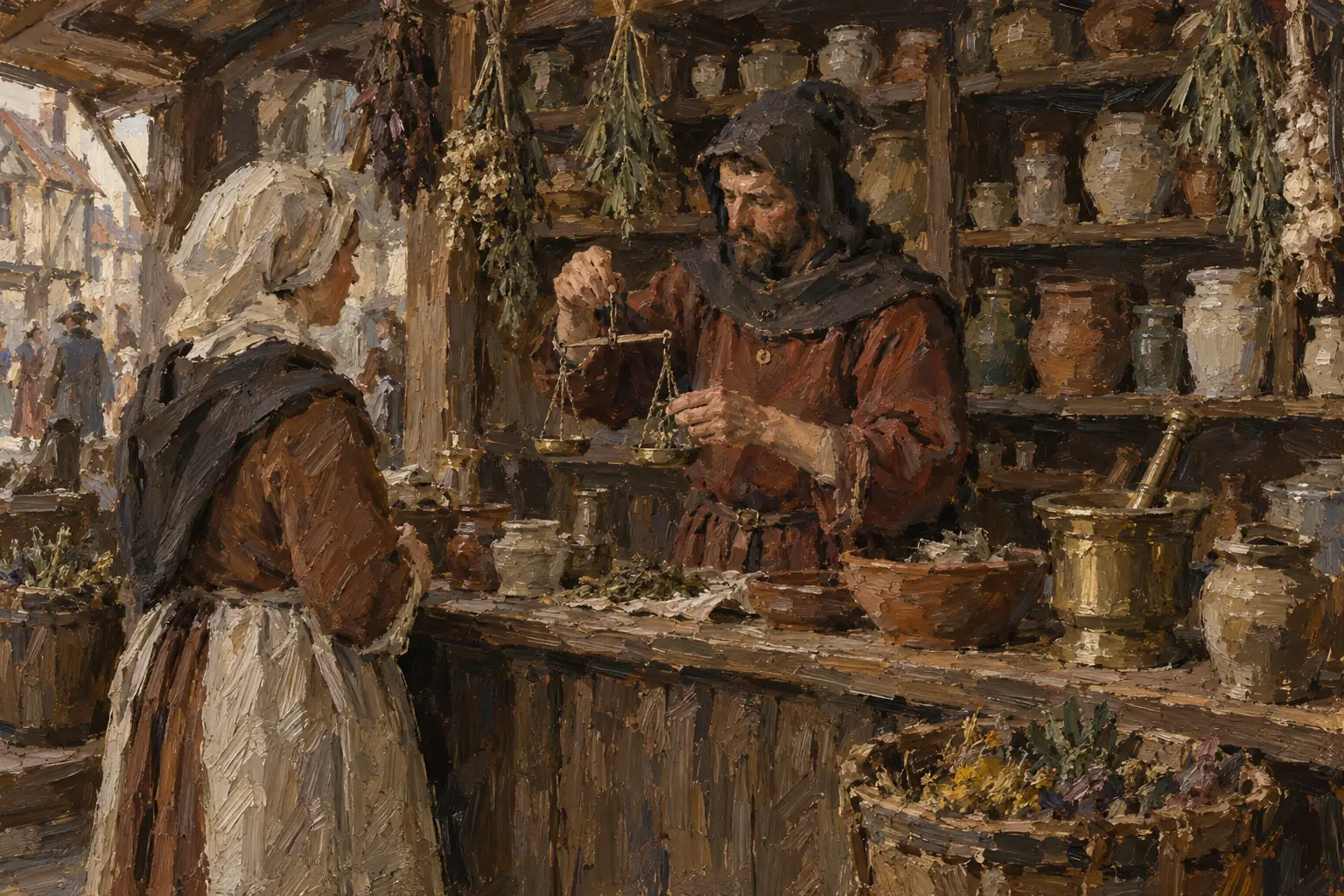
| Apothecaries | They prepared and sold herbal mixtures, drawing on traditional recipes to create remedies for various ailments. |
| Barber surgeons | Skilled in basic procedures, they handled tasks like extracting teeth, setting bones, or conducting bloodletting. |
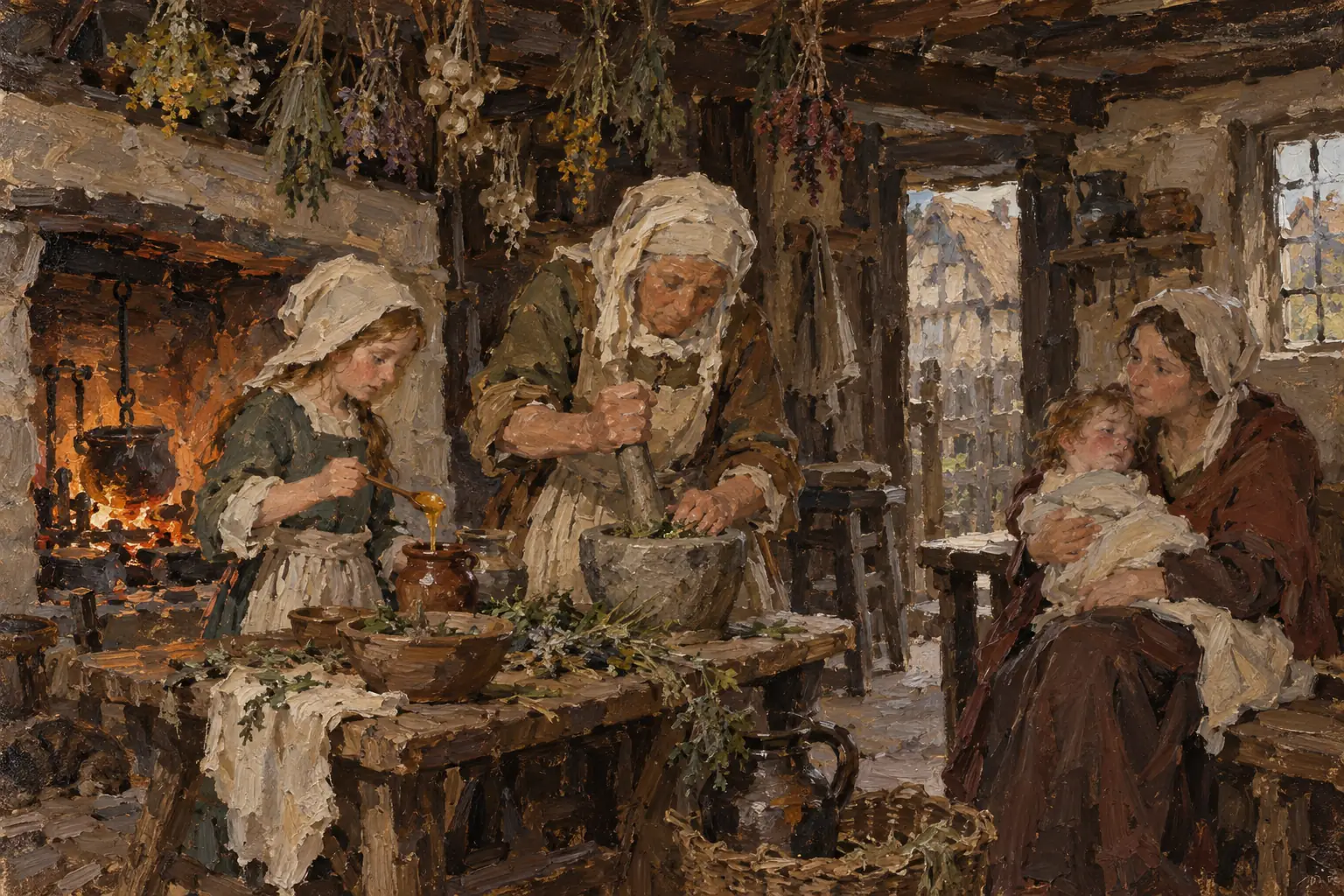
Most care took place at home, where community women applied folk knowledge, using plants like willow bark for pain relief or honey for wound healing, to nurse family members and neighbours.
The function of medieval hospitals
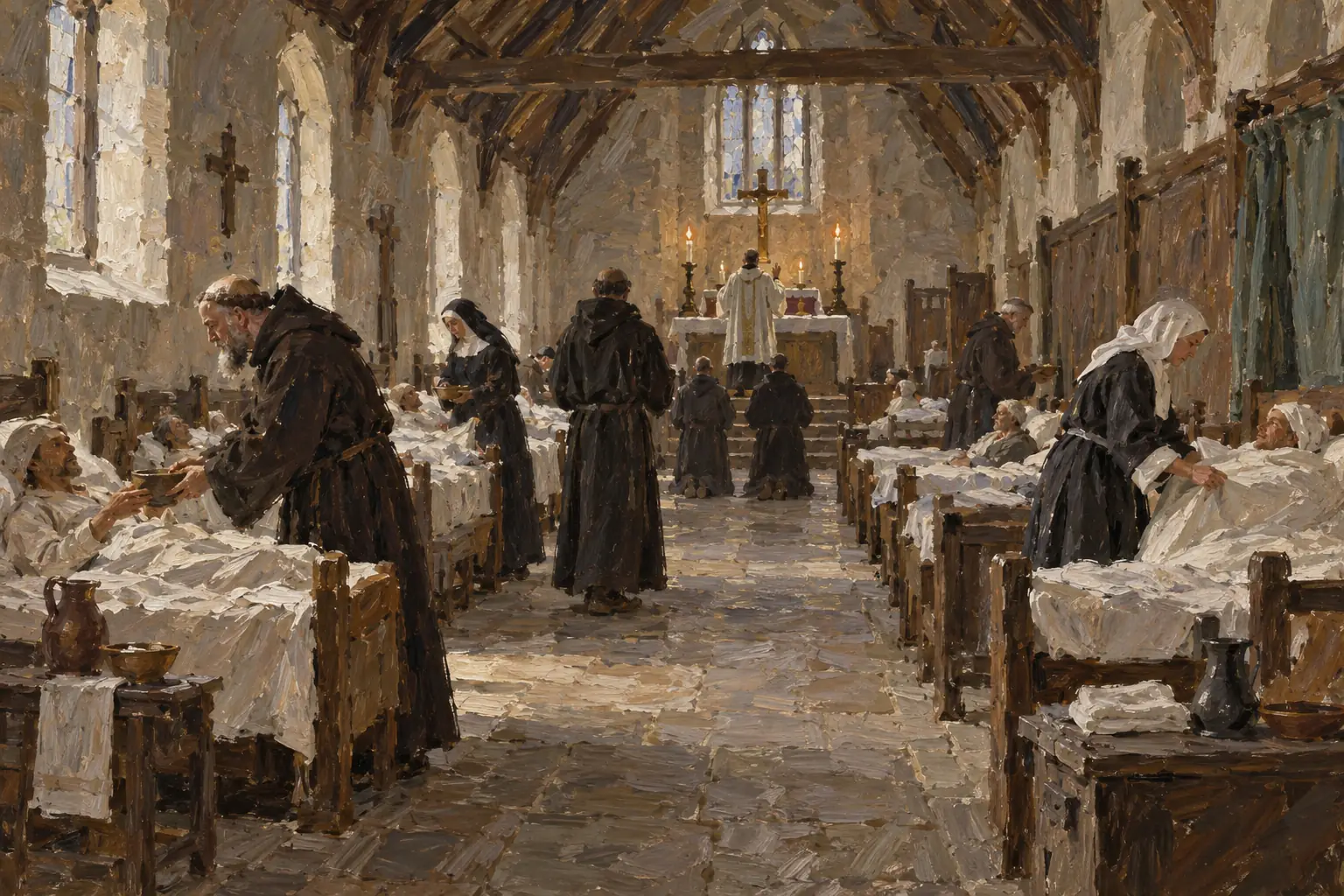
Hospitals during the medieval period were primarily charitable institutions operated by the Church, prioritising hospitality and spiritual support over advanced medical intervention.
Characteristics of hospital care
| Characteristic | Description |
|---|---|
| Focus on rest and prayer | Patients received basic nursing, clean bedding, and nutritious food, alongside daily prayers and religious services to aid spiritual recovery. |
| Admission policies | Facilities often excluded those with infectious diseases or incurable conditions to prevent spread and maintain order, admitting mainly the poor or travellers. |
| Limited medical cures | With few effective treatments available, the emphasis was on comfort and divine healing rather than surgical or pharmacological solutions. |
This approach highlighted the integration of religion and charity in healthcare, though it offered little in terms of eradicating diseases.