1.3 - Case Study: The Black Death, 1348–49
Key facts and dates
The Black Death, a devastating outbreak of bubonic plague, struck England in the mid-14th century, revealing the constraints of medieval medicine and society's heavy dependence on religious explanations. The following timeline outlines the key events and responses during this crisis.
Timeline of key events
- 1348 – Bubonic plague arrives in England, spreading rapidly from ports and killing up to half the population in some regions.
- 1348-49 – Widespread scapegoating of minorities occurs across Europe, with accusations of well-poisoning, though England's Jewish communities had been expelled earlier.
- 1348-49 – King Edward III orders nationwide prayers and church processions to seek divine mercy.
- 1348-49 – Towns implement measures like lighting street fires to purify the air and attempting quarantines in places such as Gloucester.
- 1349 – Plague peaks, with traditional treatments like bleeding proving ineffective and highlighting medical limitations.
Arrival and impact of the Black Death in England
Image 1 of 2: The Black Death reached England in 1348 on trade ships from continental Europe
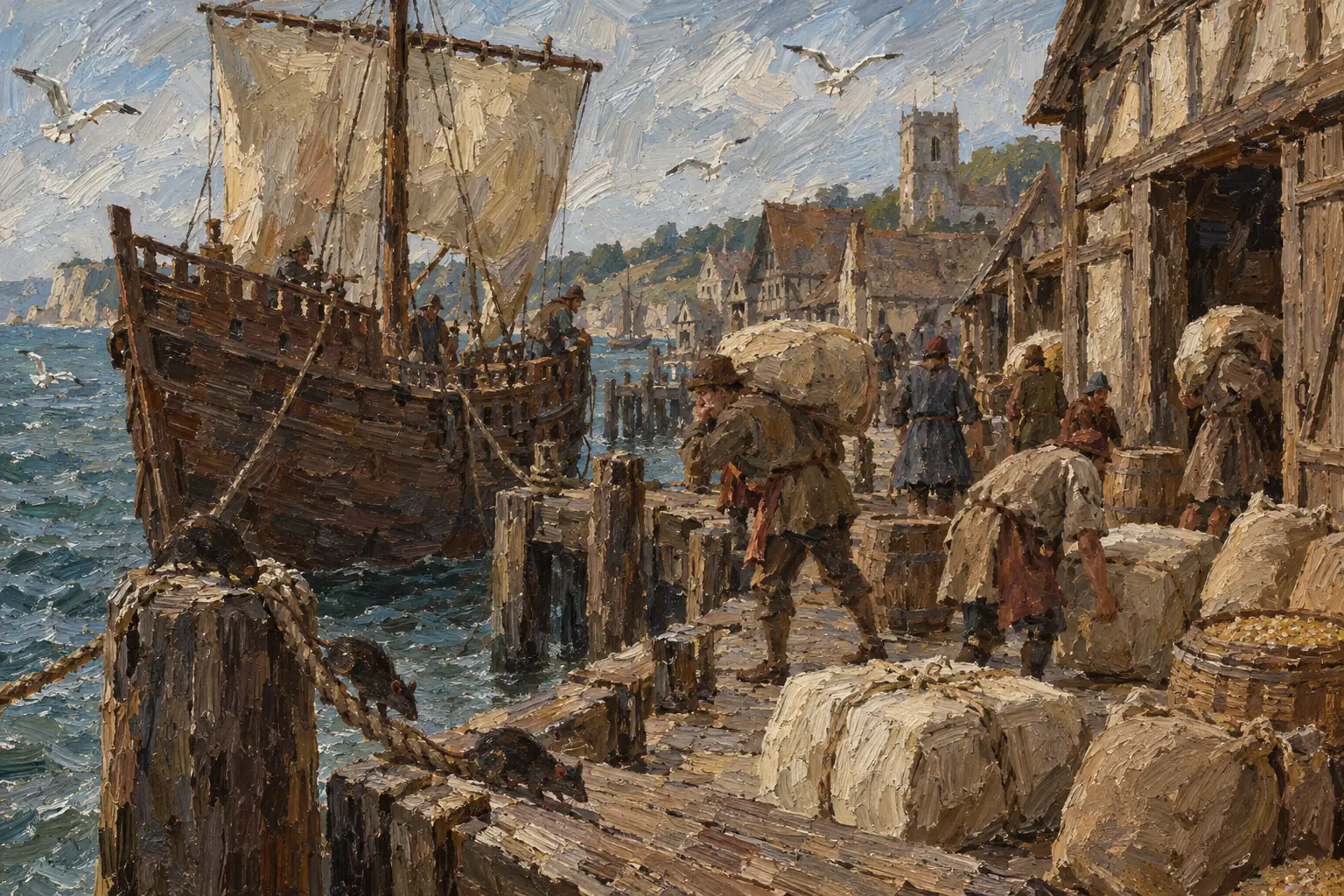
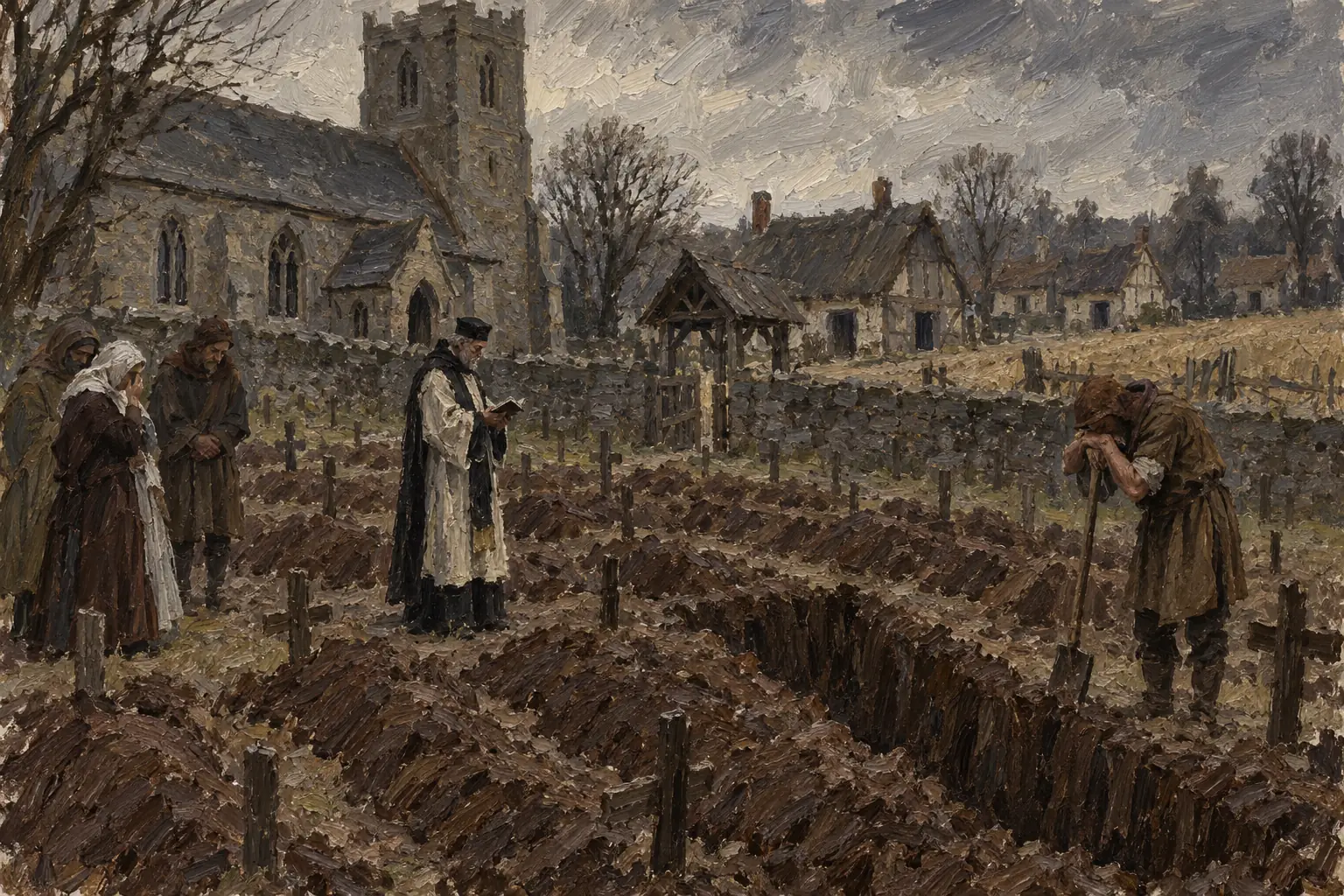
The Black Death, an outbreak of bubonic plague, first reached England in 1348, arriving via trade ships from continental Europe. It caused widespread devastation, rapidly spreading through towns and villages due to poor sanitation and close living conditions.
Spread and consequences of the plague
- Rapid transmission - The disease moved quickly from coastal ports inland, affecting both rural and urban areas within months.
- High mortality rates - In severely hit regions, around half the population perished, leading to labour shortages, abandoned villages, and economic disruption.
- Social upheaval - Families were torn apart, with survivors facing grief and uncertainty, while the sheer scale of deaths overwhelmed burial practices and community structures.
Medieval beliefs about the causes of the plague
Image 1 of 2: Many saw the plague as God's anger at humanity's sins
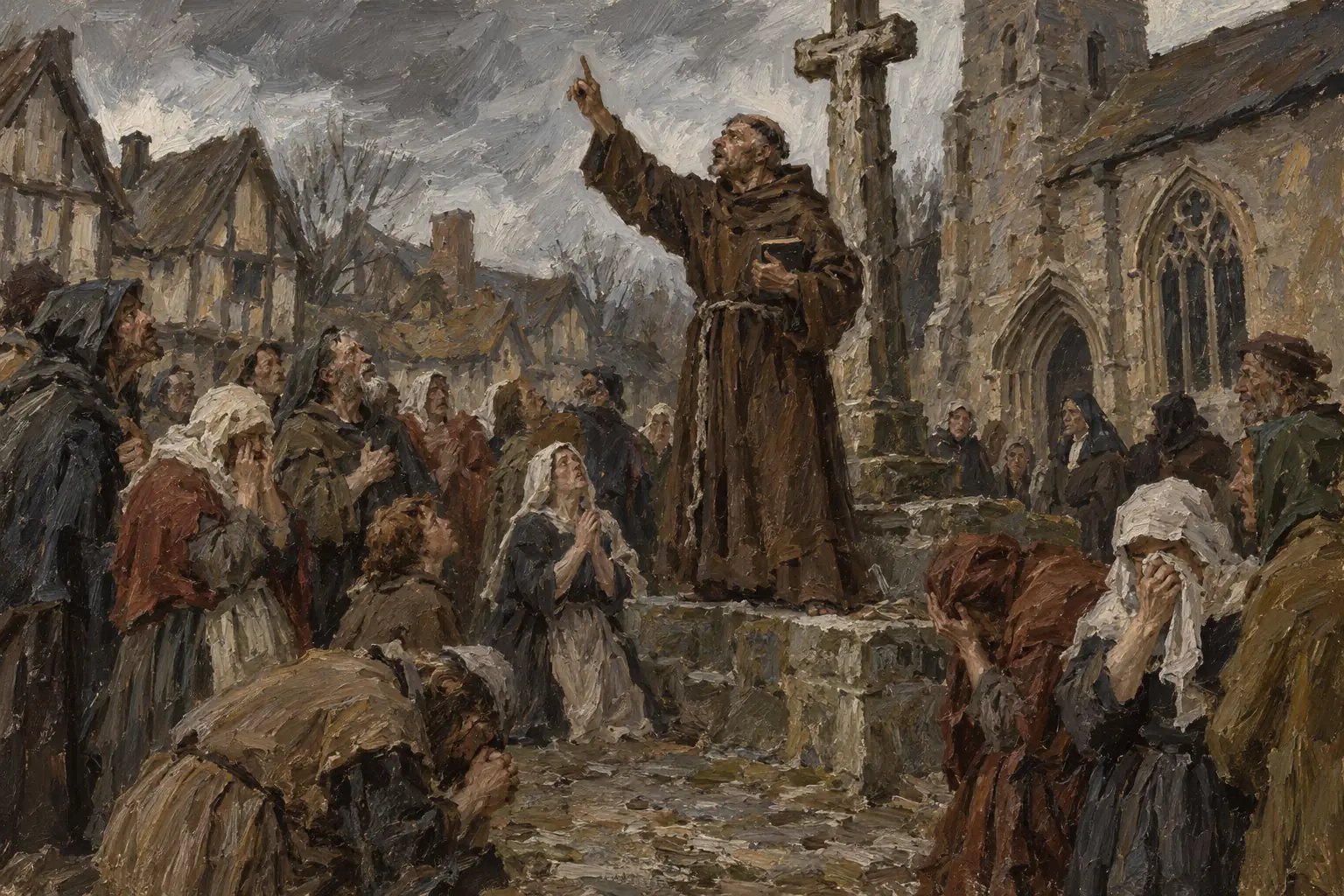
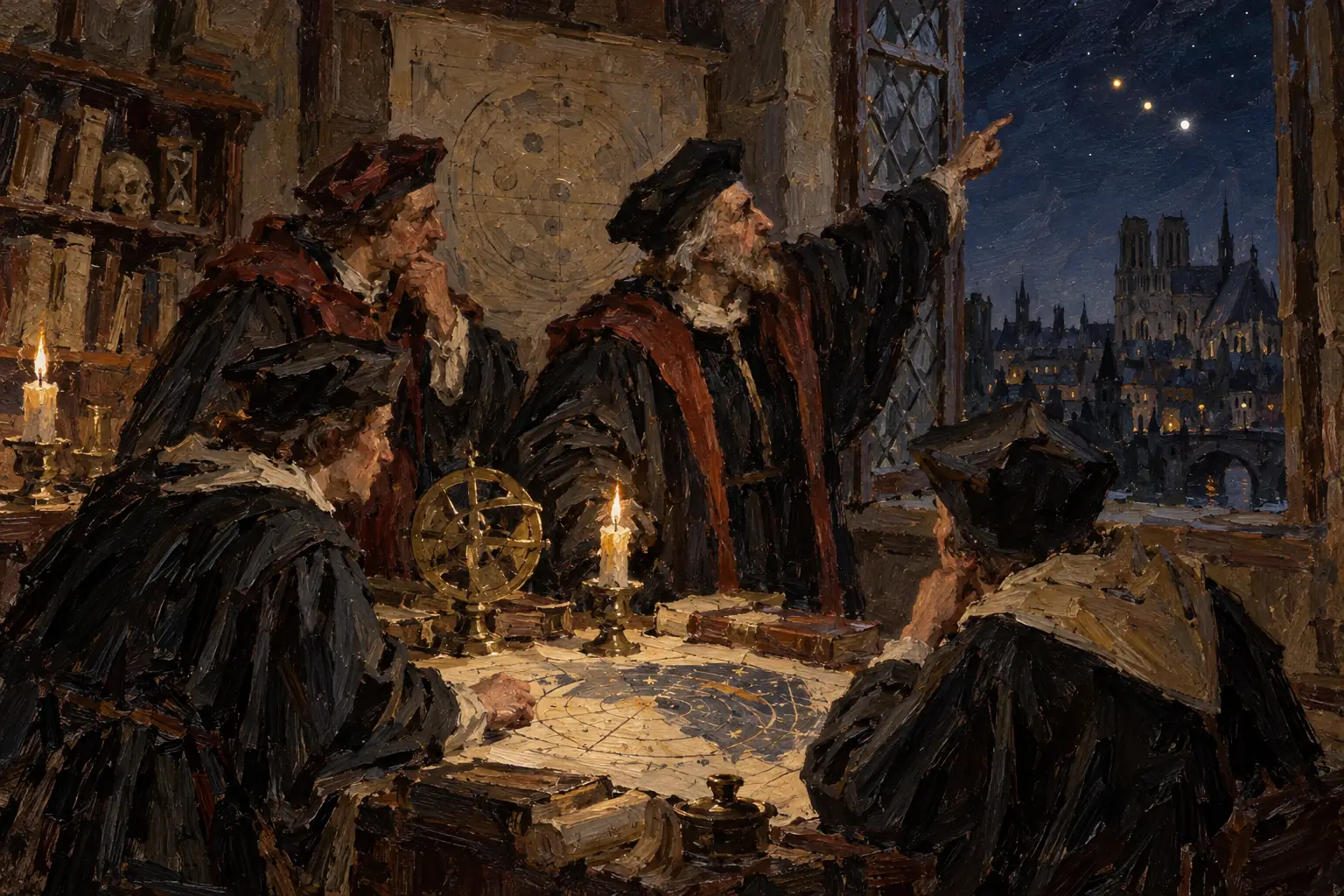
In the absence of scientific knowledge about the plague's true origin—bacteria carried by fleas on rats—people in medieval England turned to supernatural, astrological, and environmental explanations. These ideas shaped how society responded to the crisis.
Common theories on plague causation
- Divine punishment - Many viewed the outbreak as God's wrath for humanity's sins, prompting calls for repentance.
- Astrological influences - Unfavourable alignments of planets or stars were blamed for disrupting natural balances and bringing disease.
- Miasma theory - Foul-smelling air, believed to carry corruption, was seen as a primary trigger, especially in crowded or unsanitary places.
- Human scapegoating - Across Europe, minorities like Jewish communities were accused of poisoning water sources, though this was less prominent in England following their expulsion in 1290.
Religious responses to the Black Death
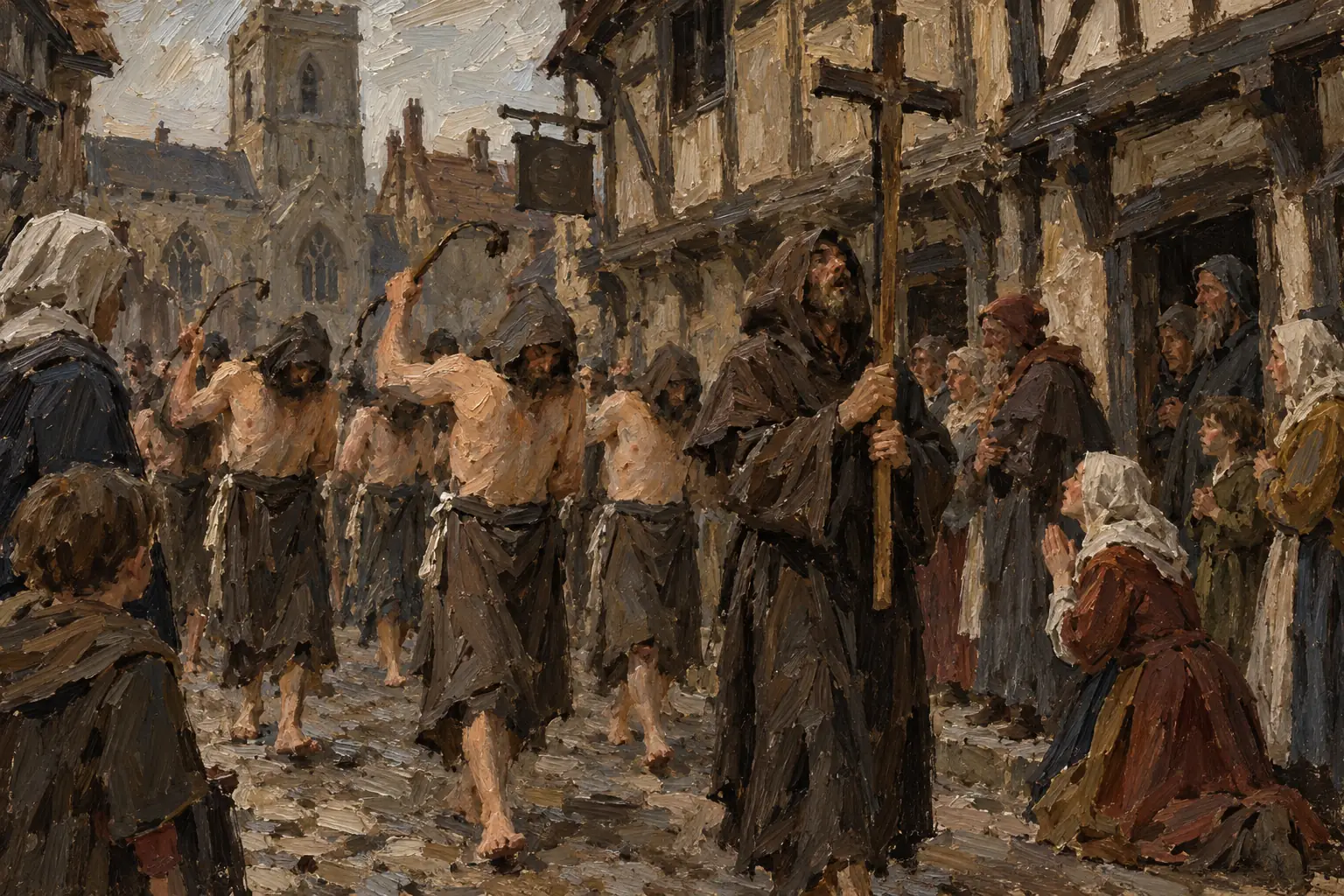
Religion dominated medieval life, and during the Black Death, people sought divine intervention to halt the plague. These efforts reflected a deep faith that spiritual actions could influence earthly events.
Spiritual measures taken against the plague
- Public prayers and processions - Communities organised large-scale gatherings in churches, with processions through streets to beg for God's forgiveness.
- Royal decrees - The king mandated special services across the realm, urging clergy to lead prayers for relief from the epidemic.
- Acts of self-punishment - Some individuals joined groups practising flagellation, whipping themselves publicly to atone for sins and appease divine anger.
Medical treatments and preventions attempted
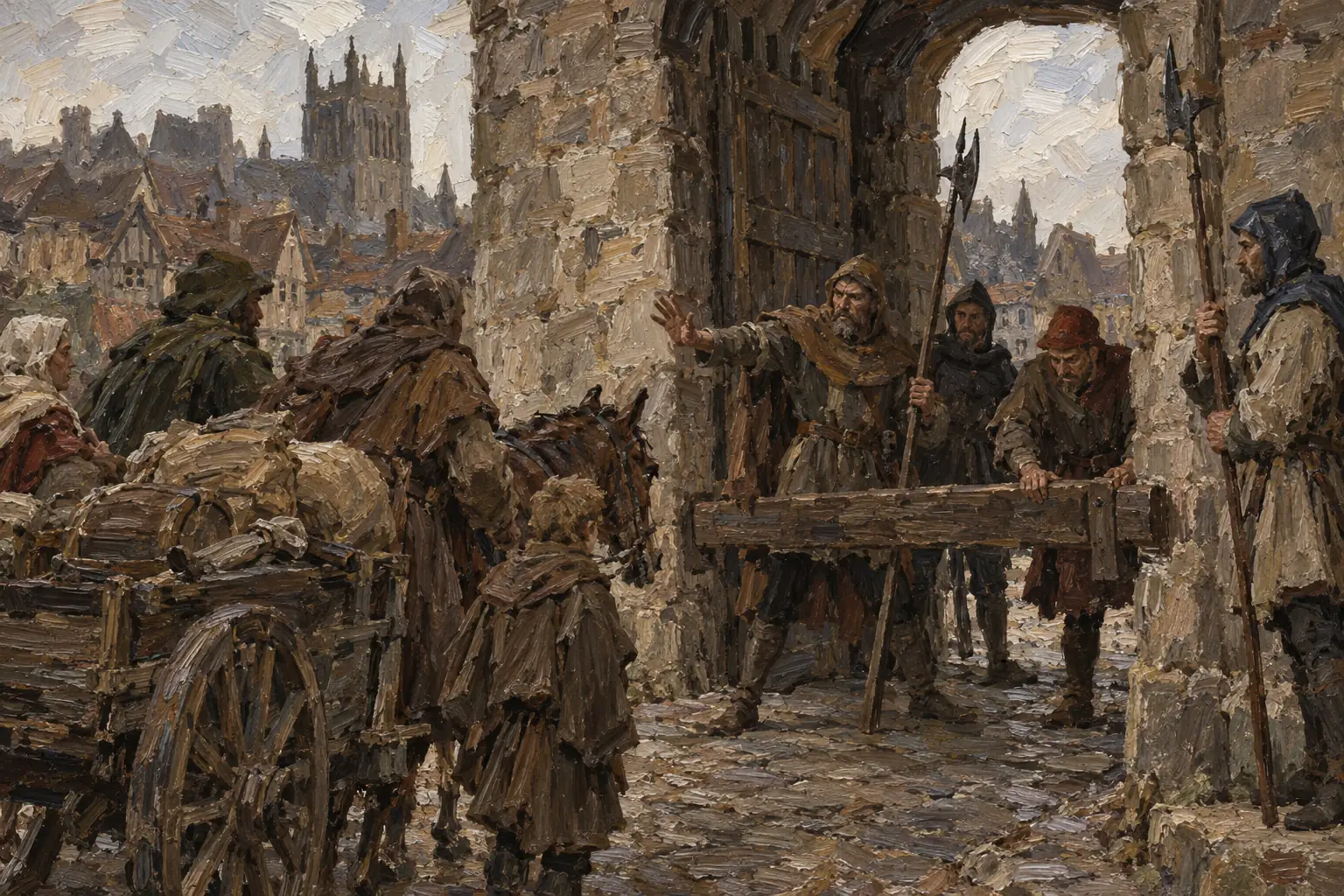
Without understanding the plague's infectious nature, physicians and ordinary people relied on traditional methods rooted in humoural theory and herbal lore. Prevention focused on avoiding perceived bad influences.
Treatments used for plague victims
- Balancing the humours - Doctors performed bloodletting or induced vomiting to restore bodily fluids, though this often weakened patients further.
- Direct interventions - Swellings known as buboes were lanced or drained, a painful process that risked spreading infection.
- Herbal remedies - Patients drank mixtures of herbs like thyme or applied plant-based poultices to sores for symptom relief.
Prevention strategies in communities
- Countering miasma - Incense was burned in homes and streets, while people carried bunches of flowers or herbs to ward off harmful odours—a practice echoed in nursery rhymes like "a pocket full of posies."
- Public health measures - Towns lit bonfires to purify the air, and some, like Gloucester, isolated themselves by blocking entry to outsiders.
- Personal actions - Individuals avoided crowded places or fled infected areas, though many still gathered in churches, unknowingly aiding the spread.
Limitations of medieval approaches to the epidemic
The Black Death exposed the shortcomings of 14th-century medicine and societal responses, as efforts based on incorrect assumptions failed to curb the disease. This highlighted the era's reliance on tradition over empirical evidence.
Key weaknesses in medieval responses
- Lack of contagion knowledge - Without recognising how the plague spread through fleas and close contact, measures like church gatherings actually accelerated transmission.
- Ineffectiveness of treatments - Standard practices such as bleeding often harmed patients more than helped, as they addressed symptoms rather than the root cause.
- Overdependence on religion - While providing comfort, spiritual responses did nothing to prevent infection, allowing the plague to continue unchecked.
- Overall failure to contain the outbreak - Despite varied attempts, the epidemic persisted, claiming millions of lives and demonstrating the urgent need for better medical understanding in future crises.