1.4 - Mary, Queen of Scots
Key facts and dates
Mary, Queen of Scots, represented a major dynastic and religious challenge to Elizabeth I, attracting Catholic support and inspiring plots against the Protestant queen. Her arrival in England intensified tensions, leading to rebellions and ongoing security concerns.
Timeline of key events
- 1567 – Mary abdicates the Scottish throne in favour of her son James after scandals and rebellion.
- 1568 – Mary flees to England seeking Elizabeth's protection, beginning her captivity.
- 1568–1569 – Tense relations between Elizabeth and Mary, with discussions on possible return to Scotland or exile abroad.
- Late 1569 – Revolt of the Northern Earls erupts, aiming to free Mary and overthrow Elizabeth.
- After 1569 – Elizabeth imposes stricter controls on Mary, monitoring her correspondence amid further plots.
Mary's dynastic and religious threat to Elizabeth
Mary Stuart, Queen of Scots, posed a significant challenge to Elizabeth I due to her family ties and faith. As Elizabeth's cousin and granddaughter of Henry VIII's elder sister, Mary held a strong claim to the English throne, which many viewed as superior to Elizabeth's.
Reasons Mary was seen as a threat
- Dynastic claim - Mary's lineage made her a potential successor or rival, especially since Elizabeth had no direct heirs.
- Catholic support - As a Catholic, Mary was regarded by English and foreign Catholics as the rightful monarch, with Elizabeth seen as illegitimate and her Protestant policies as heretical.
- Focus for opposition - Mary became a symbol for those hoping to restore Catholicism, potentially replacing Elizabeth through rebellion or succession.
Mary's flight to England and Elizabeth's response
Image 1 of 2: Mary crossed into England in 1568 expecting Elizabeth's protection
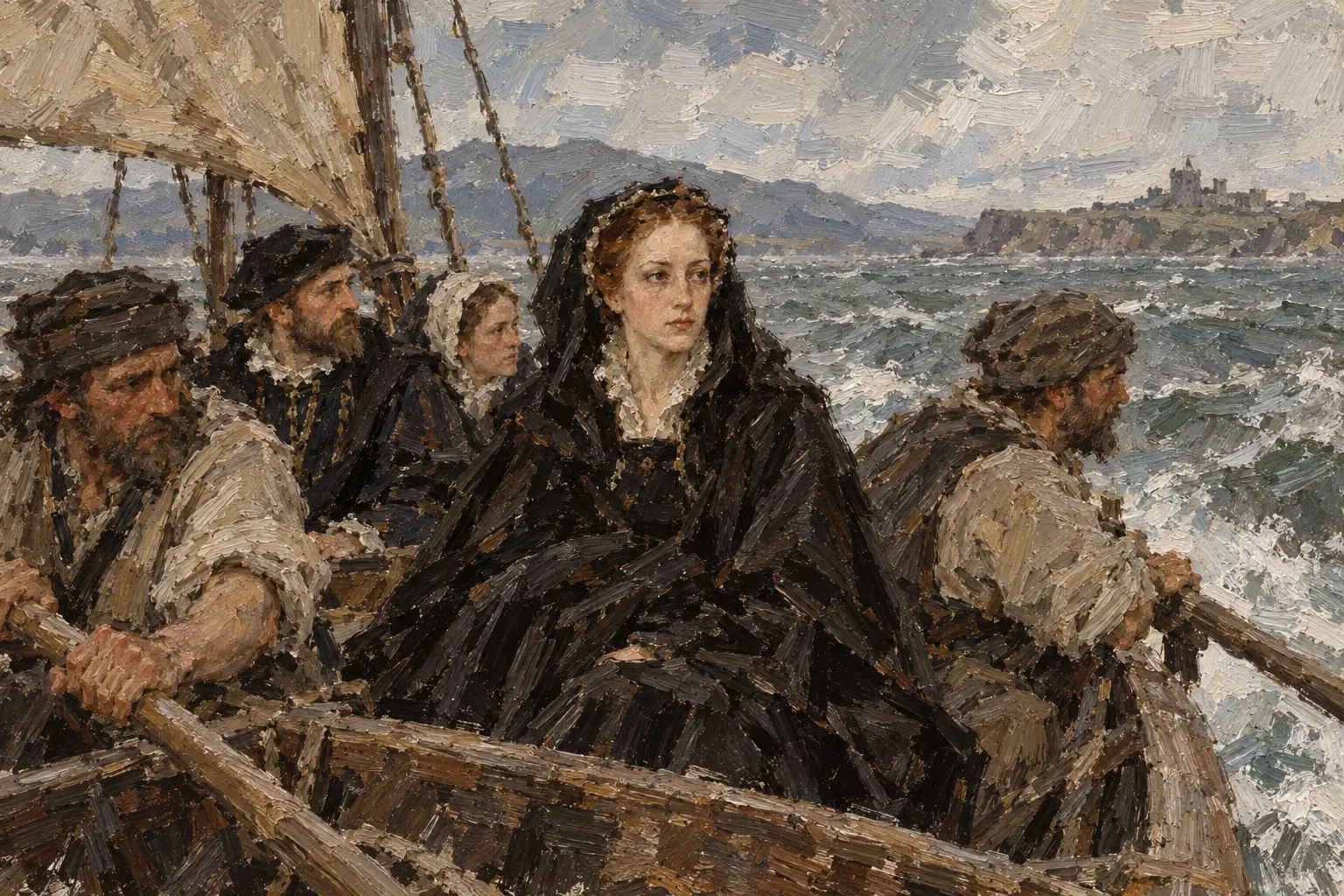
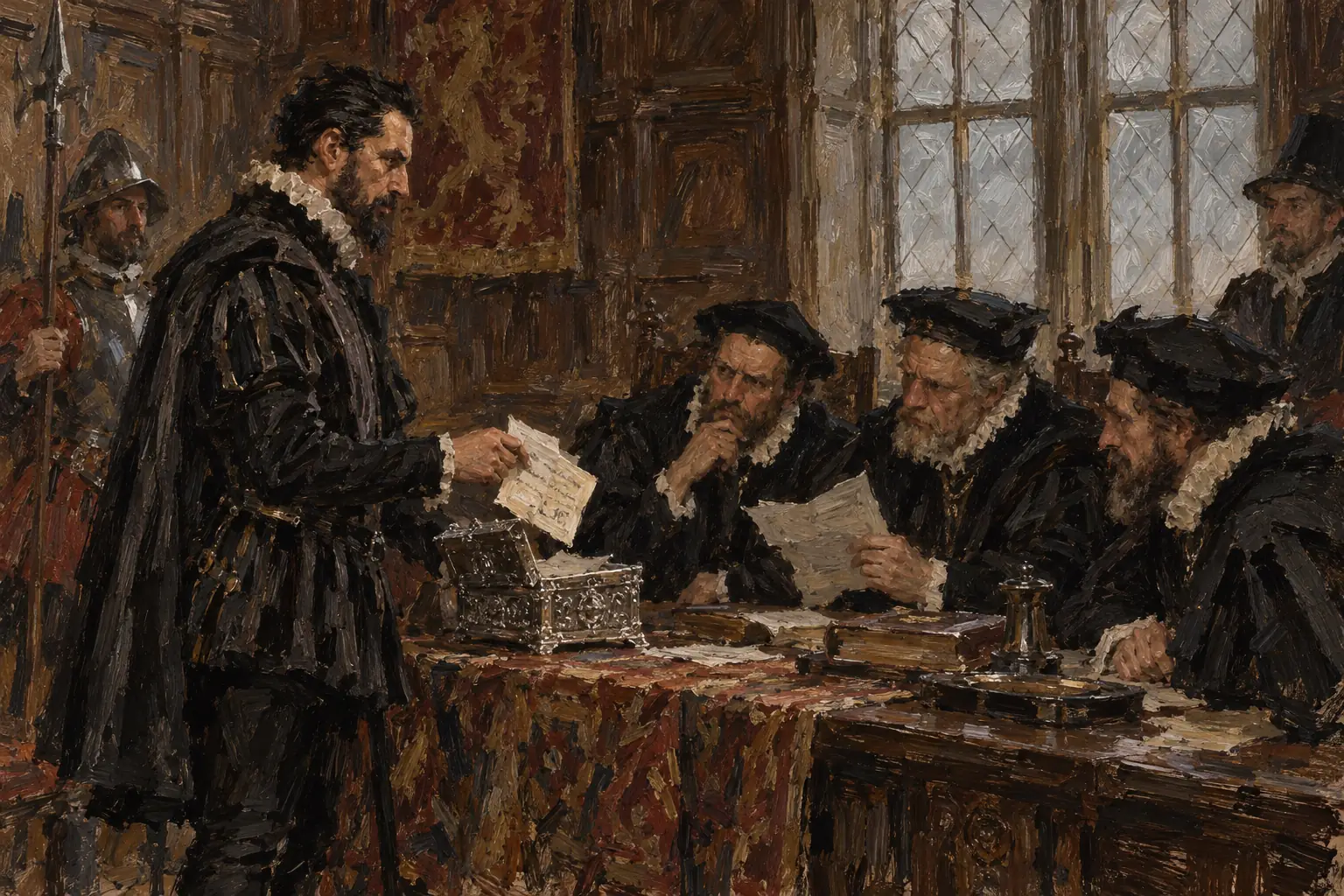
Mary's reign in Scotland ended in turmoil, leading her to seek refuge in England. This created a complex dilemma for Elizabeth, who had to manage the risks of hosting a rival claimant while respecting royal protocol.
Events leading to Mary's arrival in England
- Abdication and flight - After scandals, including involvement in her husband's murder and a rebellion, Mary abdicated in 1567 in favour of her infant son James. In 1568, she crossed into England expecting protection from Elizabeth.
- Elizabeth's difficult position - Mary was an anointed queen and relative, but her presence could inspire plots. Elizabeth chose honorable captivity, housing Mary in guarded estates rather than granting freedom or executing her.
- Tense relations in 1568–1569 - The queens exchanged distrustful letters, with Elizabeth's advisors exploring options like returning Mary to Scotland or sending her abroad, though no agreement was reached.
Reasons for Elizabeth's caution
- Precedent concerns - Executing a monarch could provoke Catholic powers and set a dangerous example.
- Balancing mercy and security - Elizabeth avoided outright release, recognising Mary's potential as a rallying point for discontented Catholics.
The Revolt of the Northern Earls
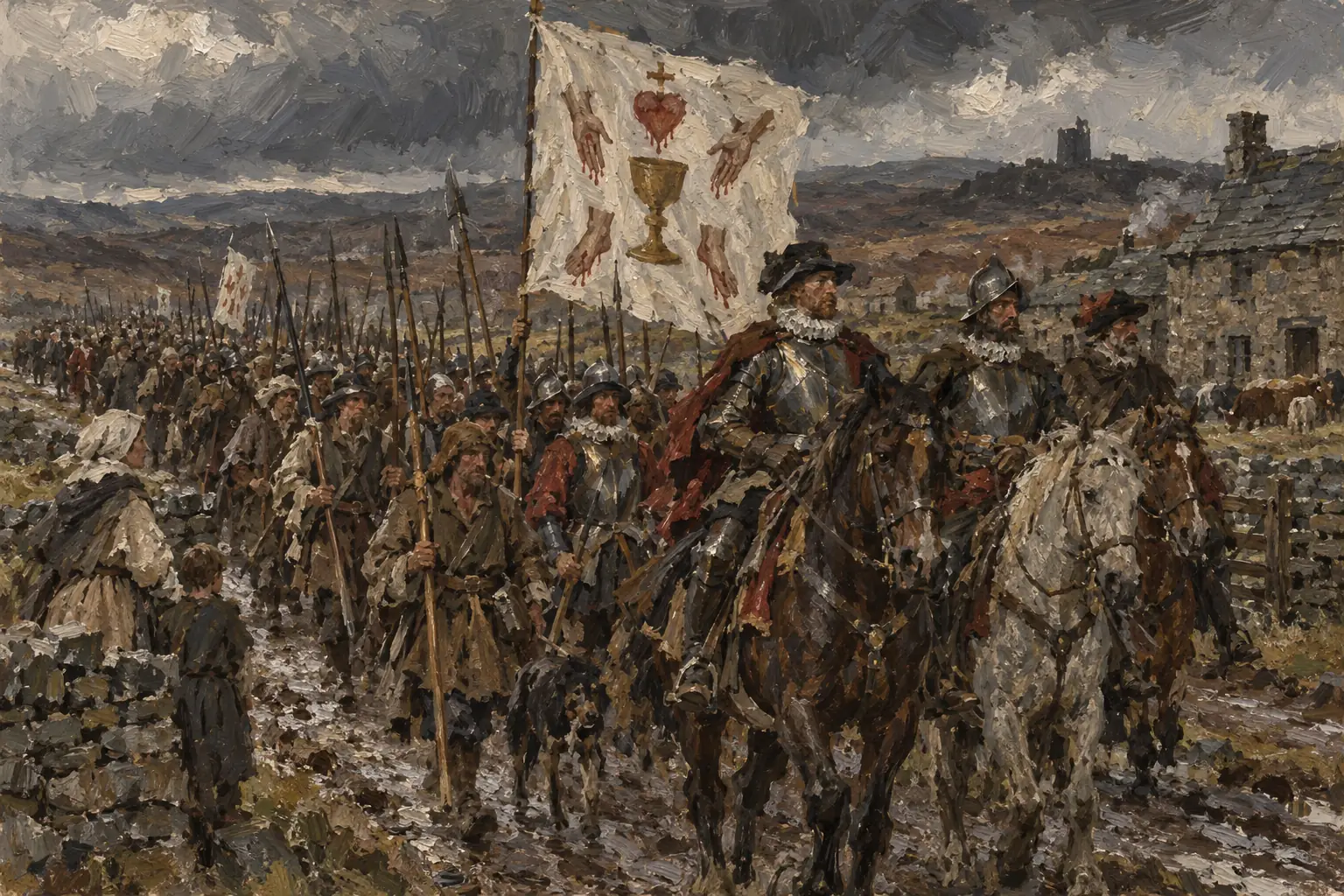
Mary's presence in England soon sparked direct challenges to Elizabeth's rule. The most immediate was a rebellion by Catholic nobles, highlighting the instability caused by Mary's claim.
Key aspects of the revolt
- Outbreak in late 1569 - Catholic earls in northern England rose up to overthrow Elizabeth, release Mary from captivity, and either install her as queen or secure her place in the succession.
- Aims and actions - The rebels sought to restore Catholic practices and challenge Protestant reforms, marching with Mary's support in mind.
- Defeat and consequences - The uprising was quickly suppressed by Elizabeth's forces, but it demonstrated Mary's role in destabilising the realm.
Long-term implications for Elizabeth's reign
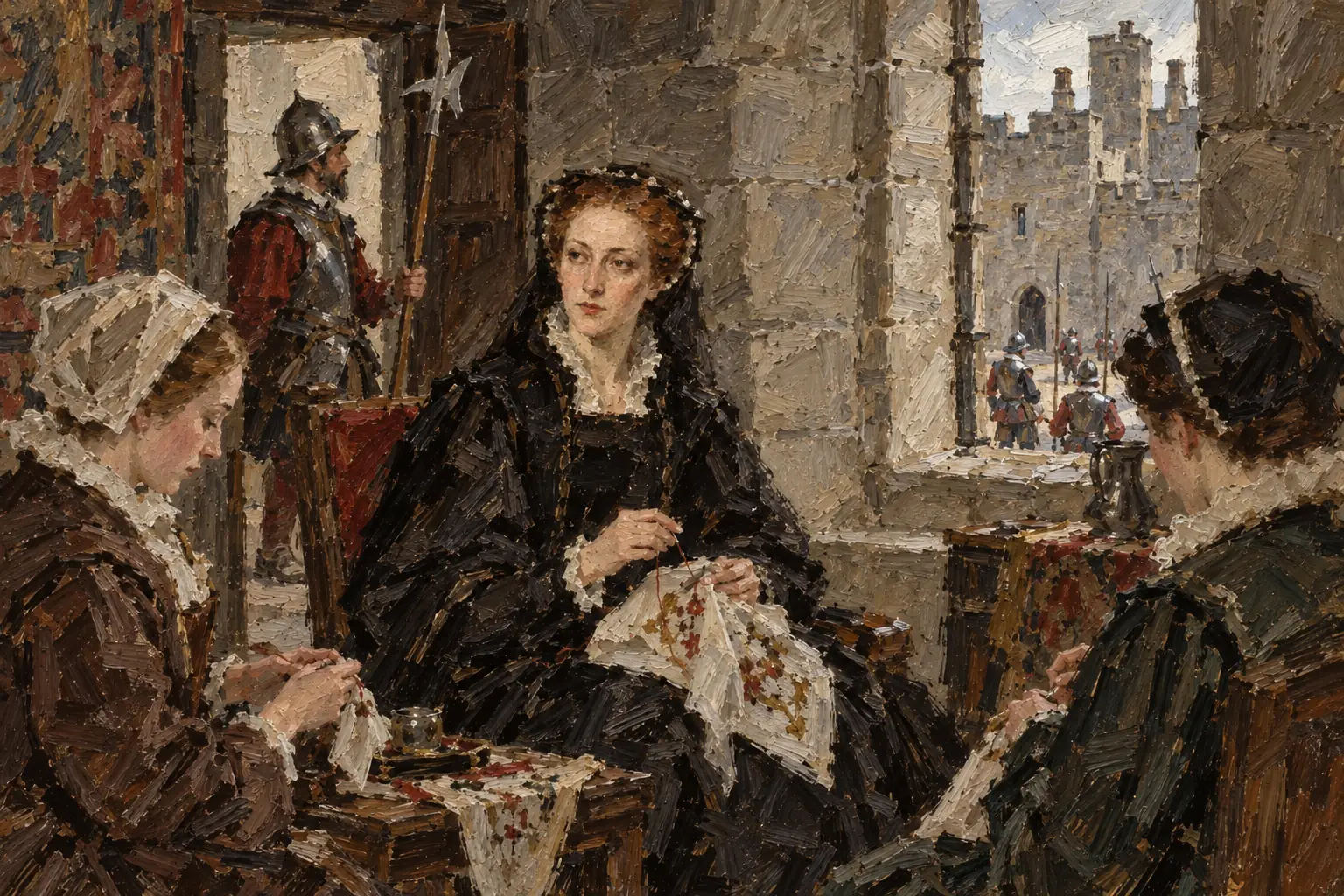
The initial handling of Mary set the stage for ongoing tensions that persisted for decades. Elizabeth's policies towards Mary evolved, reflecting the growing threat from Catholic plots.
Changes in Elizabeth's approach after 1569
- Tighter controls - Following the revolt, Mary's confinement became stricter, with all her communications monitored to prevent conspiracy.
- Involvement in plots - Over the next 20 years, Mary was linked to several Catholic schemes against Elizabeth, with varying levels of her direct participation.
- Broader impact - Mary's situation forced Elizabeth to navigate a delicate balance of caution and firmness, ultimately contributing to her execution in 1587 after proven involvement in assassination attempts.
- Dynastic resolution - The "problem" ended with Mary's death, but her son James later succeeded Elizabeth, uniting the crowns peacefully.