4.4 - Support for the Vietnam War
Key facts and dates
Support for the Vietnam War persisted among many Americans despite growing opposition, driven by ideological fears, national pride, and political rhetoric. This backing manifested through public demonstrations and presidential addresses that emphasised stability and resolve.
Timeline of key events
- 1969 – President Nixon delivers his 'silent majority' speech, calling on ordinary citizens to support the war effort and reject disruptive protests.
- 1970 – 'Hard hat' riots occur in New York City, where construction workers clash with anti-war demonstrators in a show of pro-war patriotism.
- Throughout late 1960s–early 1970s – Widespread emphasis on containing communism influences public and political support for U.S. involvement in Vietnam.
Reasons for supporting the Vietnam War
Many Americans backed the ongoing U.S. presence in Vietnam for a mix of ideological, nationalistic, and strategic reasons. These views stemmed from Cold War anxieties and a sense of duty, countering the vocal anti-war movement.
Key factors behind pro-war support
- Containment of communism - Fears that a communist victory in Vietnam would lead to the spread of communism across Asia, based on the domino theory, motivated support for military intervention to prevent global ideological expansion.
- Patriotism - A strong sense of national pride encouraged backing for the troops and the government's policies, with many viewing opposition as unpatriotic or disloyal during a time of conflict.
- Belief in credibility and honouring commitments - Supporters argued that withdrawing would damage America's international reputation and betray allies like South Vietnam, emphasising the importance of upholding promises made to prevent aggression.
The 'hard hats' and their demonstrations
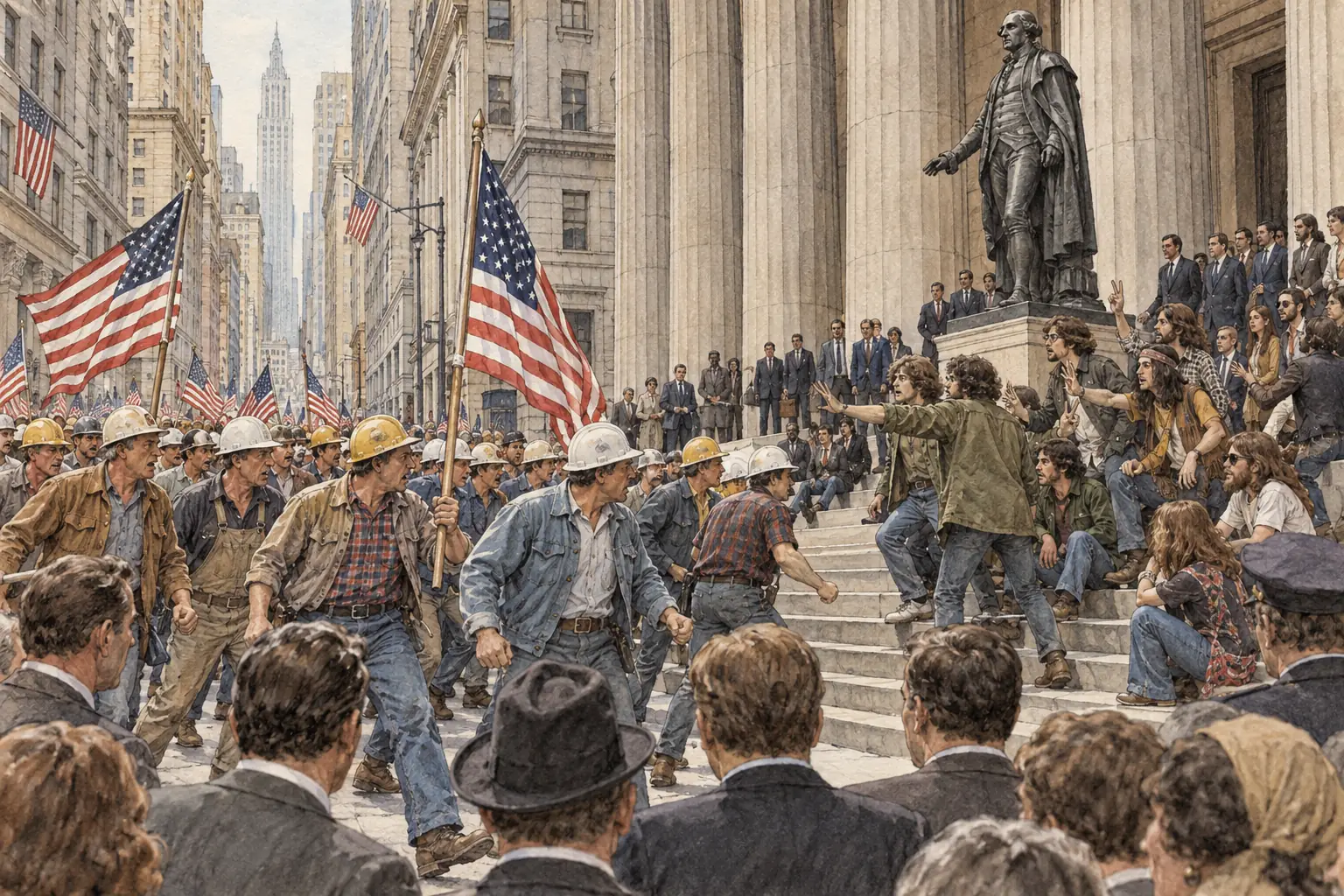
The 'hard hats' were working-class construction workers who became symbols of pro-war sentiment through public actions. Their involvement highlighted divisions within American society, particularly between blue-collar supporters and student-led protesters.
Characteristics and actions of the 'hard hats'
- Profile of the group - Primarily unionised construction workers in urban areas, often wearing hard hats as part of their job, who identified with traditional values and resented what they saw as elitist anti-war activism.
- Demonstrations and clashes - In events like the 1970 New York City riots, 'hard hats' physically confronted anti-war protesters, waving American flags and chanting patriotic slogans to express support for the war and opposition to perceived radicalism.
- Significance - These actions demonstrated grassroots backing for the conflict, boosting morale among pro-war factions and influencing media portrayals of public opinion.
Nixon's appeal to the 'silent majority'
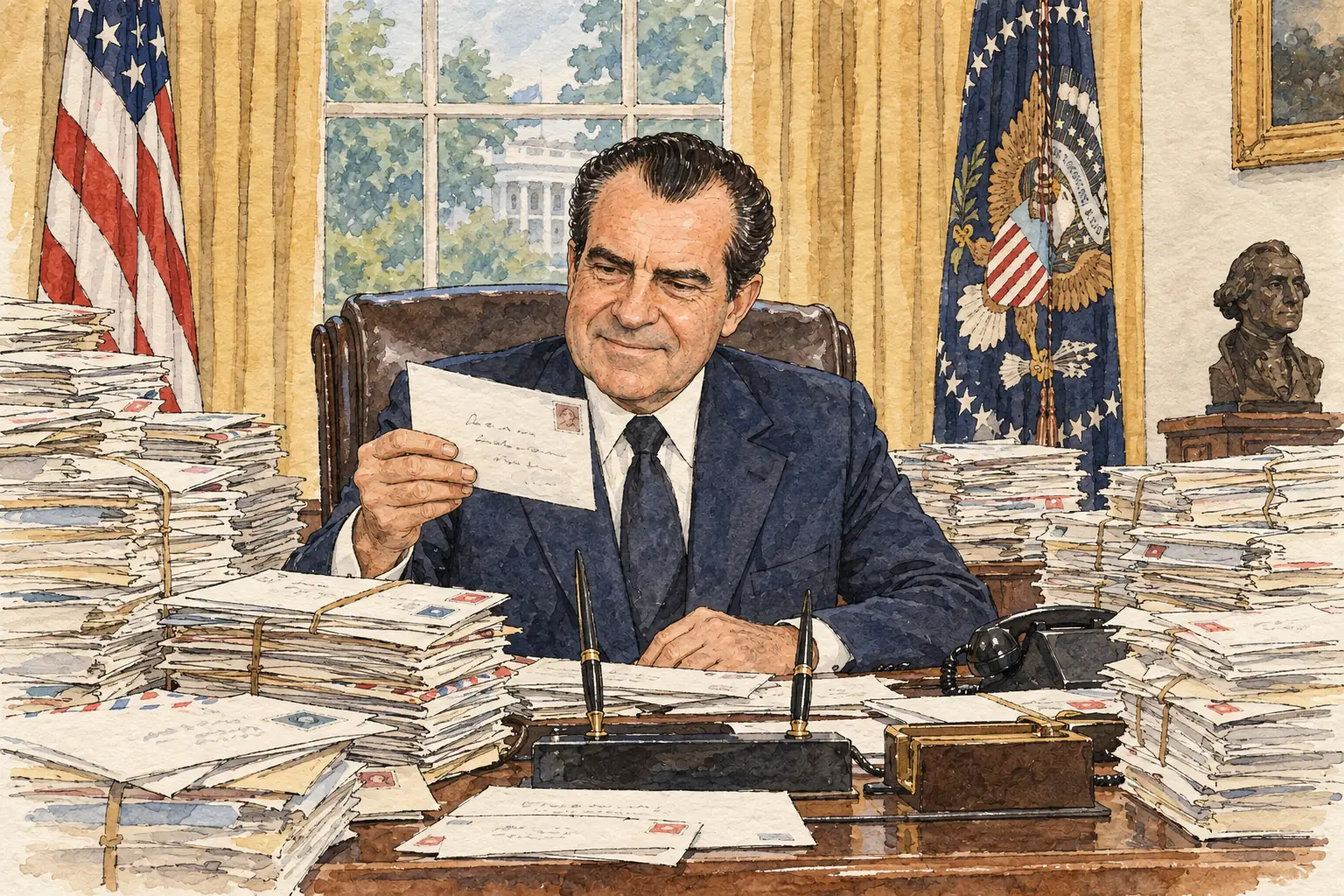
President Richard Nixon strategically addressed Americans who quietly supported the war, using rhetoric to rally them against the more visible anti-war movement. This approach aimed to portray his policies as aligned with mainstream values.
Details of Nixon's 1969 address
- Context and content - In a televised speech on 3 November 1969, Nixon appealed to the 'silent majority'—everyday citizens who rejected violent protests and favoured a resolute stance in Vietnam—to voice their support and counter the louder anti-war voices.
- Key messages - He emphasised themes of law and order, patriotism, and the need to honour commitments, framing the war as essential for national security while criticising disruptive demonstrations.
- Impact - The address resonated with many, generating public letters of support and helping to sustain political backing for continued involvement despite escalating opposition.