4.5 - Paris Peace Agreement, 1973
Key facts and dates
The peace process from 1972 to 1973 represented a critical phase in the Vietnam War, as the United States sought to extricate itself from the conflict amid domestic pressure and military stalemate. Negotiations involved intense diplomacy, leading to an agreement that formally ended American involvement but failed to resolve underlying tensions.
Timeline of key events
- Early 1972 – Secret talks between Henry Kissinger and Le Duc Tho resume in Paris, focusing on ceasefire terms.
- October 1972 – Breakthrough draft agreement reached, but South Vietnam rejects it over North Vietnamese troop presence.
- December 1972 – US launches Christmas Bombing campaign to pressure North Vietnam after talks collapse.
- January 1973 – Negotiations restart, leading to the signing of the Paris Peace Agreement on 27 January.
- March 1973 – Last US combat troops withdraw from South Vietnam as per the agreement.
- April 1973 – Prisoner exchanges begin, with thousands of captives released by both sides.
Negotiation dynamics: US, North and South Vietnam
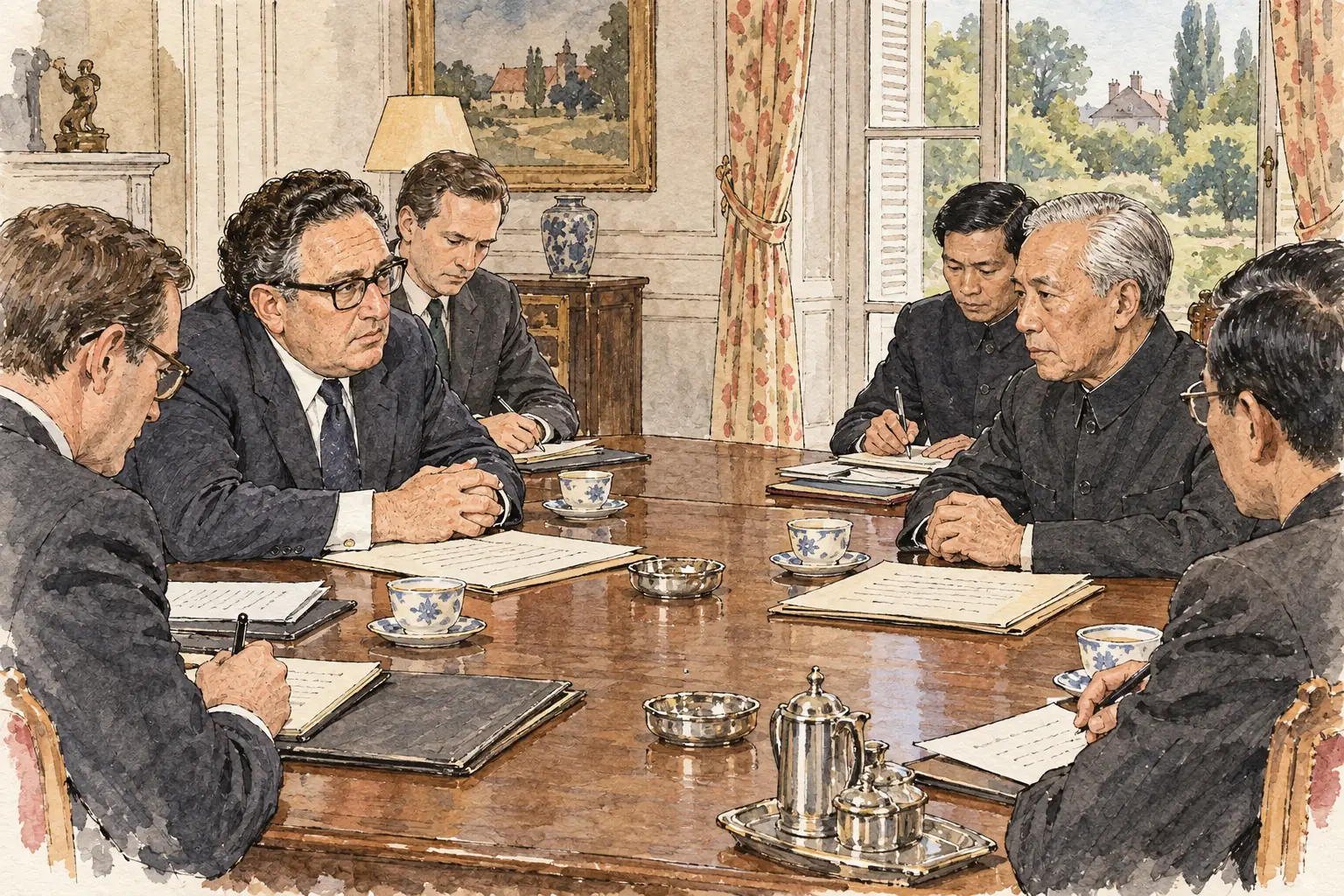
The peace negotiations from 1972 to 1973 involved complex interactions between the United States, represented by National Security Advisor Henry Kissinger, North Vietnam, led by diplomat Le Duc Tho, and South Vietnam, under President Nguyen Van Thieu. These talks aimed to end the Vietnam War amid escalating US domestic opposition and a military impasse.
Key participants and their objectives
- US position - Kissinger sought a "decent interval" for withdrawal, prioritising the return of American prisoners and a face-saving exit without immediate collapse of South Vietnam.
- North Vietnamese stance - Le Duc Tho demanded recognition of communist forces in the South and a political solution that weakened the Thieu government, while resisting concessions on troop withdrawals.
- South Vietnamese concerns - Thieu resisted any deal allowing North Vietnamese troops to remain, fearing it would undermine his regime's security and legitimacy.
- Diplomatic format - Secret bilateral talks between Kissinger and Le Duc Tho dominated, with public sessions including all parties; this allowed flexibility but often sidelined South Vietnam's input.
1972 negotiation setbacks and breakthroughs
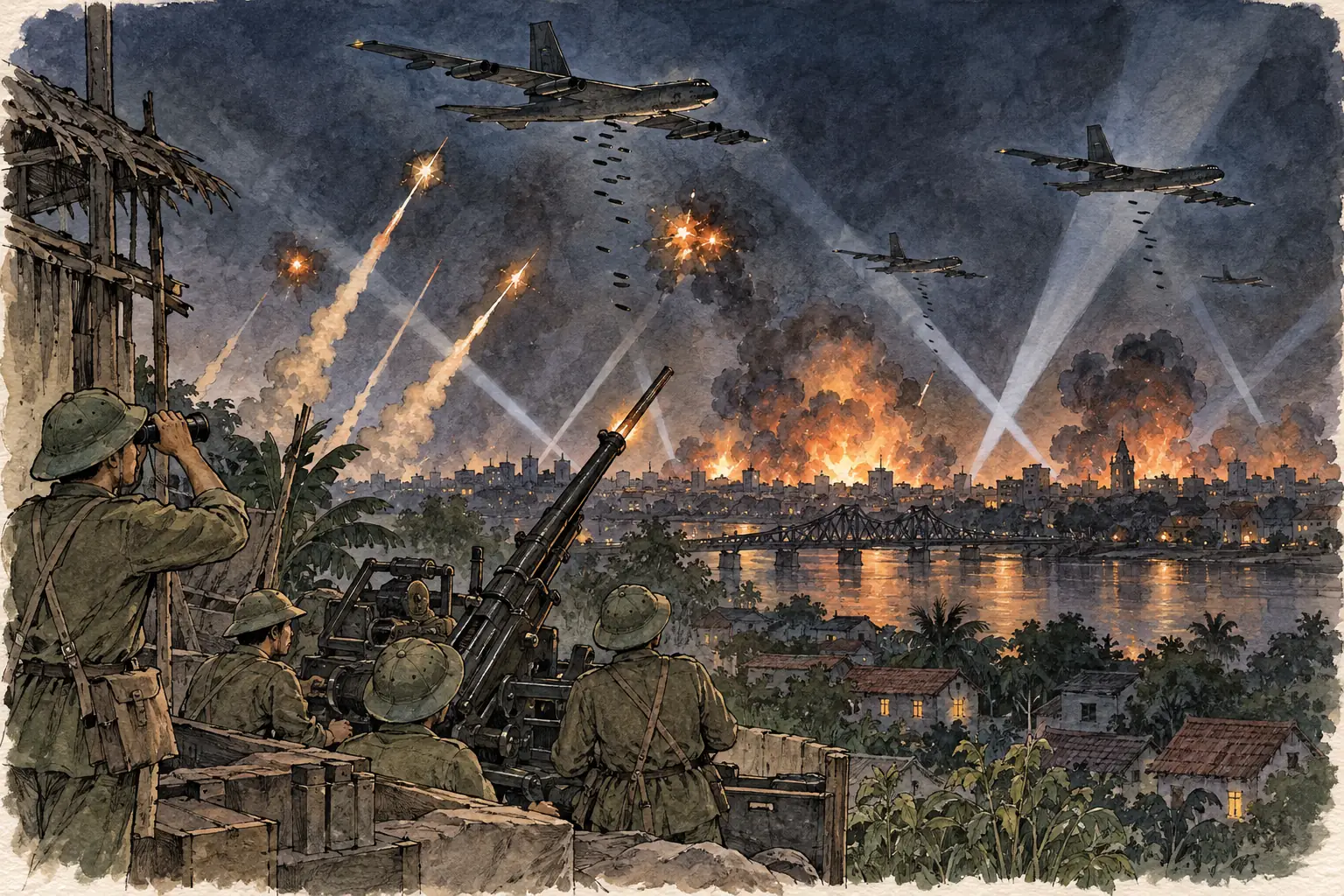
The 1972 negotiations experienced significant fluctuations, with initial progress derailed by disagreements, leading to military escalation before a eventual compromise. These developments reflected the high stakes and mutual distrust among the parties.
Major developments in the talks
- Early progress - By spring 1972, private discussions advanced on issues like ceasefire lines and US withdrawal timelines, building on prior stalled efforts.
- October draft setback - A tentative agreement was reached allowing North Vietnamese forces to stay in the South, but Thieu's veto halted ratification, demanding stronger guarantees for his government's survival.
- December escalation - With talks deadlocked, the US initiated intense bombing of Hanoi and Haiphong to force concessions, known as the Christmas Bombing, which drew global criticism but pressured North Vietnam back to the table.
- January breakthrough - Revised negotiations in early 1973 resolved key disputes, with both sides making concessions on political processes and troop dispositions, paving the way for the final accord.
Key terms of the Paris Peace Agreement
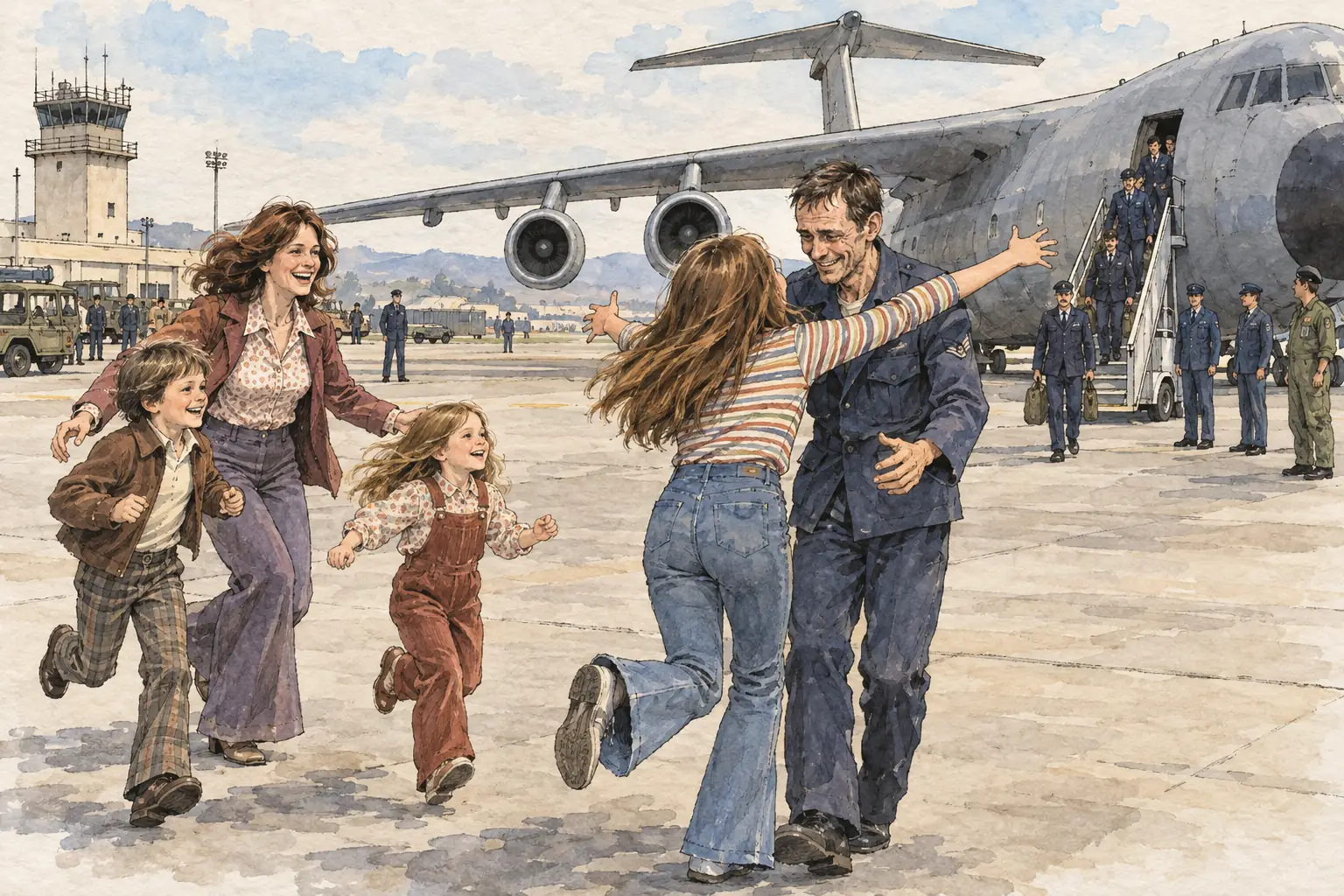
Signed on 27 January 1973, the Paris Peace Agreement formally ended direct US military involvement in Vietnam. It established mechanisms for de-escalation while addressing immediate humanitarian and military concerns, though it left some issues ambiguous.
Core provisions of the agreement
- Ceasefire implementation - An immediate halt to hostilities across Vietnam, with international supervision to monitor compliance and prevent violations.
- US force withdrawal - Complete removal of all American troops and dismantling of military bases within 60 days, effectively concluding over a decade of US combat presence.
- Prisoner exchanges - Mutual release of prisoners of war, including American captives held by North Vietnam and Viet Cong detainees in the South, facilitating the return of thousands.
- North Vietnamese troop status - Permission for North Vietnamese forces to remain in southern territories they controlled, without requiring their withdrawal, which preserved their strategic positions.
Significance of the Paris Peace Agreement
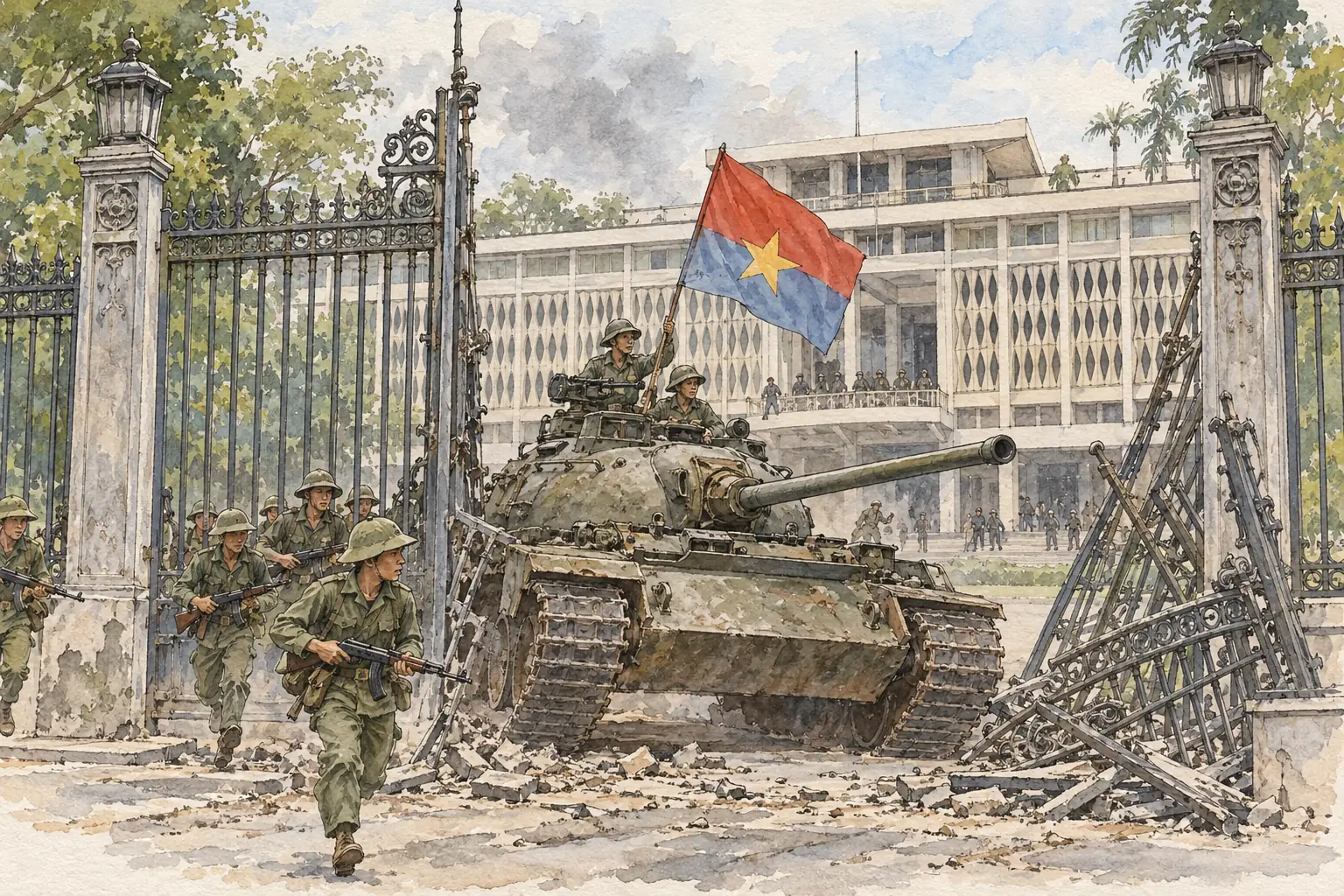
The Paris Peace Agreement marked a pivotal moment in the Vietnam War, achieving short-term US objectives but failing to secure lasting peace. It reshaped the conflict's dynamics, influencing subsequent events in Indochina.
Impacts and limitations of the agreement
- End of US involvement - It allowed President Nixon to claim "peace with honour," fulfilling domestic demands to bring troops home and reducing American casualties and costs.
- Vulnerability of South Vietnam - By permitting North Vietnamese troops to stay, the accord weakened South Vietnam's defences, leaving it exposed to future offensives without full US support.
- Unresolved conflict - The agreement did not address the political future of Vietnam or force a comprehensive settlement, leading to renewed fighting and the eventual fall of Saigon in 1975.
- Broader diplomatic effects - It demonstrated the limits of negotiation in asymmetric warfare and influenced US foreign policy, contributing to the "Vietnam Syndrome" of caution in military interventions.