2.7 - Urban Unrest, Kerner Report & King
Key facts and dates
Urban unrest in the mid-1960s highlighted deep racial tensions in American cities, leading to investigations and further civil rights efforts. Martin Luther King Jr.'s later work focused on economic inequality, culminating in his tragic death. These events revealed both advancements and ongoing divisions in US society.
Timeline of key events
- 1965 – Watts riots in Los Angeles erupt over police discrimination, resulting in widespread destruction and deaths.
- 1966 – King launches Chicago campaign targeting housing discrimination and poverty in northern cities.
- 1967 – Newark and Detroit riots break out due to economic hardships and police brutality, causing significant casualties.
- 1968 – Kerner Report warns of growing racial division and calls for reforms.
- 1968 – King's Poor People's Campaign demands economic justice for the disadvantaged.
- 1968 – King assassinated in Memphis, sparking nationwide riots and mourning.
- By 1975 – Civil rights laws advance equality, but inequalities persist in key areas.
Causes and features of urban riots in 1965-67
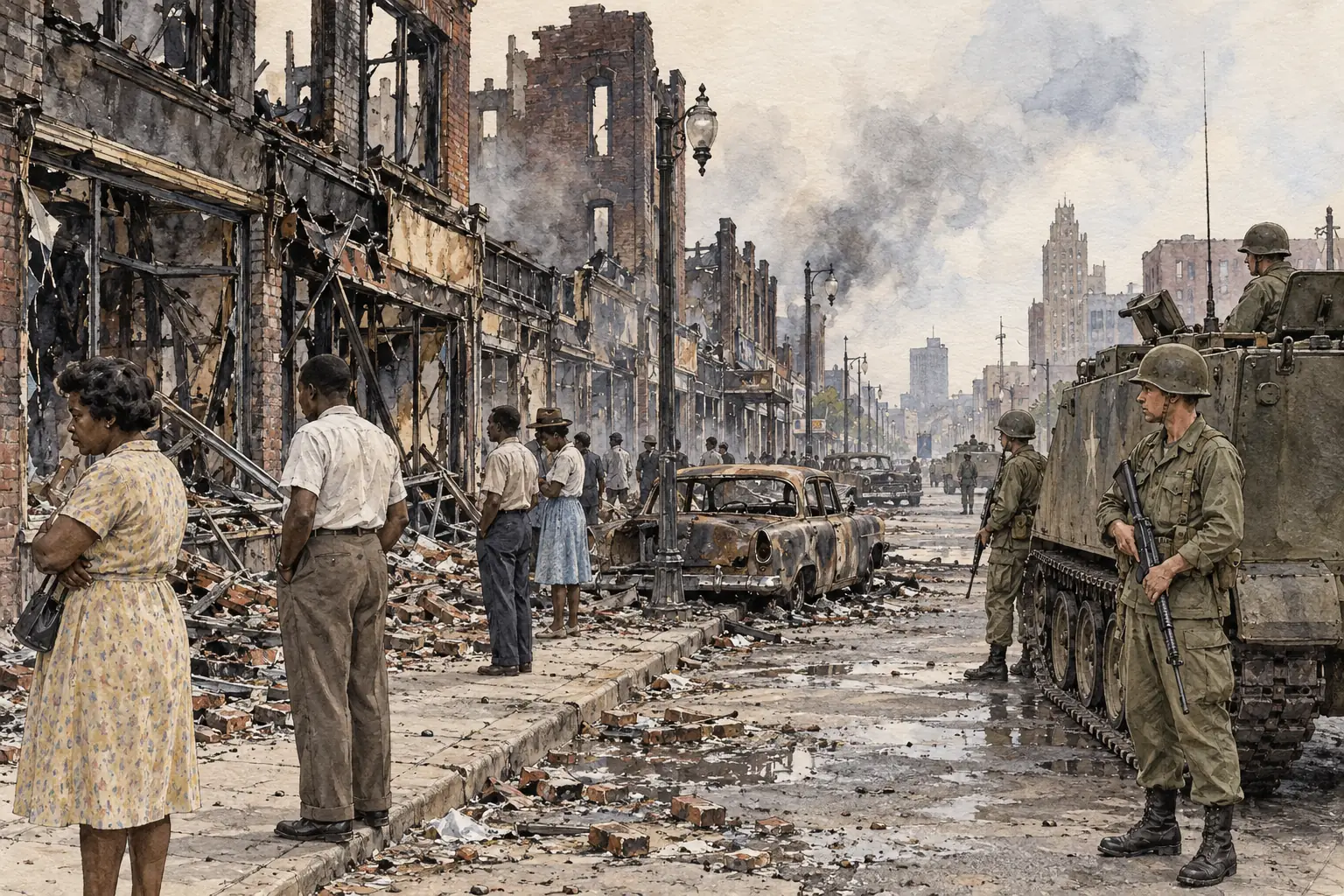
During the mid-1960s, major riots broke out in several US cities, driven by long-standing grievances among African American communities. These disturbances reflected frustration with systemic racism and economic disadvantage, often triggered by incidents of police misconduct.
Factors leading to riots in Watts, Newark, and Detroit
- Unemployment and economic hardship - High joblessness rates in black neighbourhoods left many without stable income, exacerbating poverty and resentment towards limited opportunities.
- Poor housing conditions - Overcrowded, substandard living spaces in urban ghettos, combined with discriminatory rental practices, created daily struggles and a sense of entrapment.
- Discriminatory policing - Aggressive and biased law enforcement tactics, including racial profiling and brutality, frequently sparked confrontations, eroding trust in authorities.
- General frustration and inequality - Broader feelings of exclusion from the American Dream, despite civil rights gains in the South, fuelled anger in northern and western cities where de facto segregation persisted.
Characteristics of the major riots
- Watts (1965) - Began with a traffic stop escalating into violence in Los Angeles; lasted six days, involving looting, arson, and clashes with police, resulting in 34 deaths and over 1,000 injuries.
- Newark (1967) - Triggered by the arrest and beating of a black taxi driver; spread to widespread disorder over five days, with 26 fatalities and extensive property damage.
- Detroit (1967) - Started after a police raid on an unlicensed bar; evolved into one of the deadliest riots, lasting five days with 43 deaths, thousands arrested, and federal troops deployed.
The Kerner Report (1968)

The Kerner Commission was established by President Lyndon B. Johnson to investigate the causes of the 1967 riots. Its report provided a stark analysis of racial divisions in the USA and proposed solutions to address underlying issues.
Key conclusions from the Kerner Report
- Division into two societies - The commission concluded that the USA was heading towards 'two societies, one black, one white – separate and unequal', highlighting how white society remained largely oblivious to black hardships.
- Root causes identified - It pointed to white racism as the primary driver of unrest, manifesting in economic exclusion, segregated communities, and institutional biases.
Recommendations for investment and reform
- Economic and social investments - Called for massive funding in job creation, education, and welfare programmes to reduce poverty and improve opportunities in urban areas.
- Housing and policing reforms - Suggested measures to end housing discrimination, promote integrated neighbourhoods, and train police forces to reduce bias and brutality.
- Broader policy changes - Urged the elimination of barriers to equality, including better access to quality schooling and efforts to dismantle ghettos through urban development.
King's campaigns in his final years (1966-68)
Image 1 of 2: In August 1966 King led open-housing marches into white neighbourhoods of Chicago, where angry crowds met them
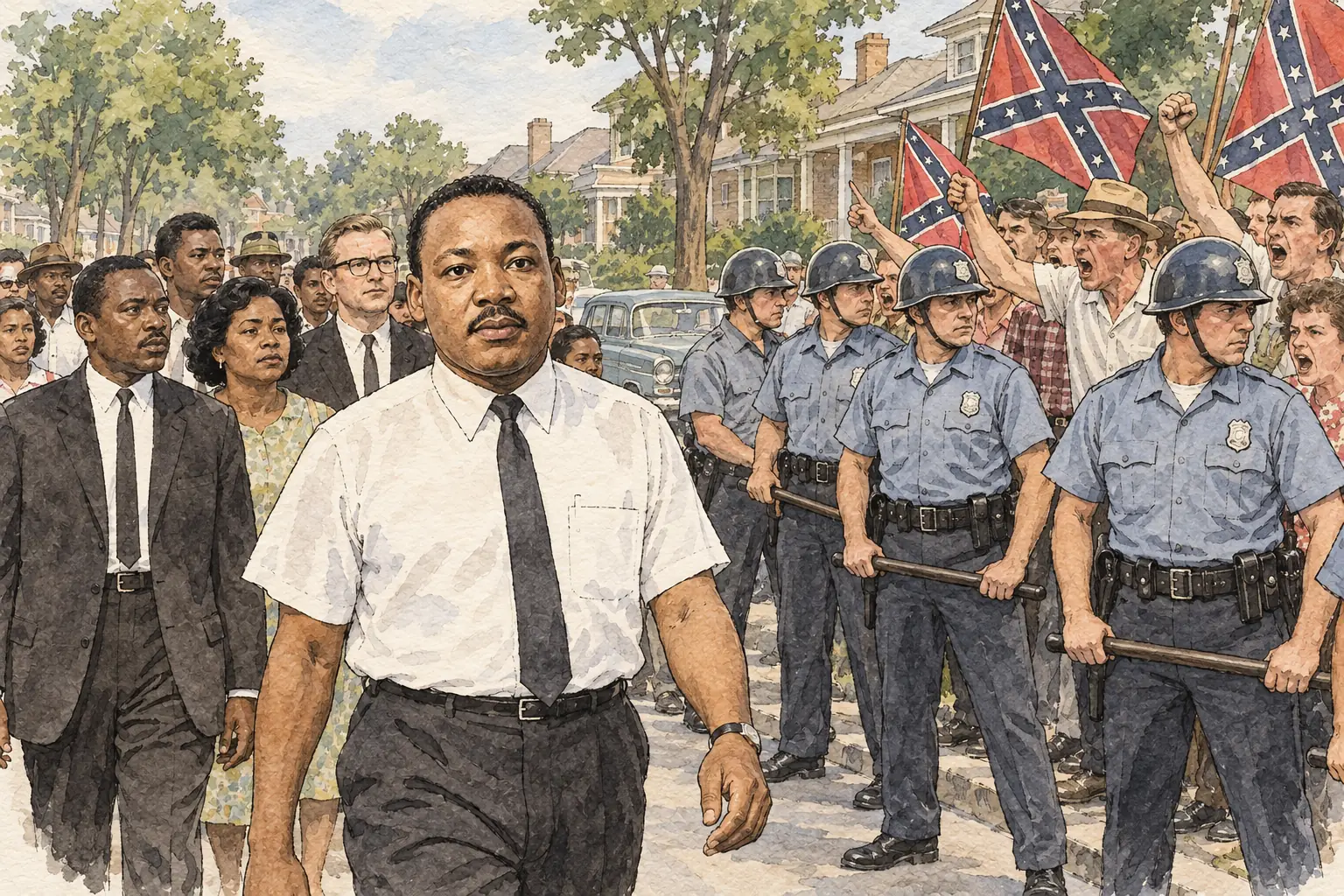
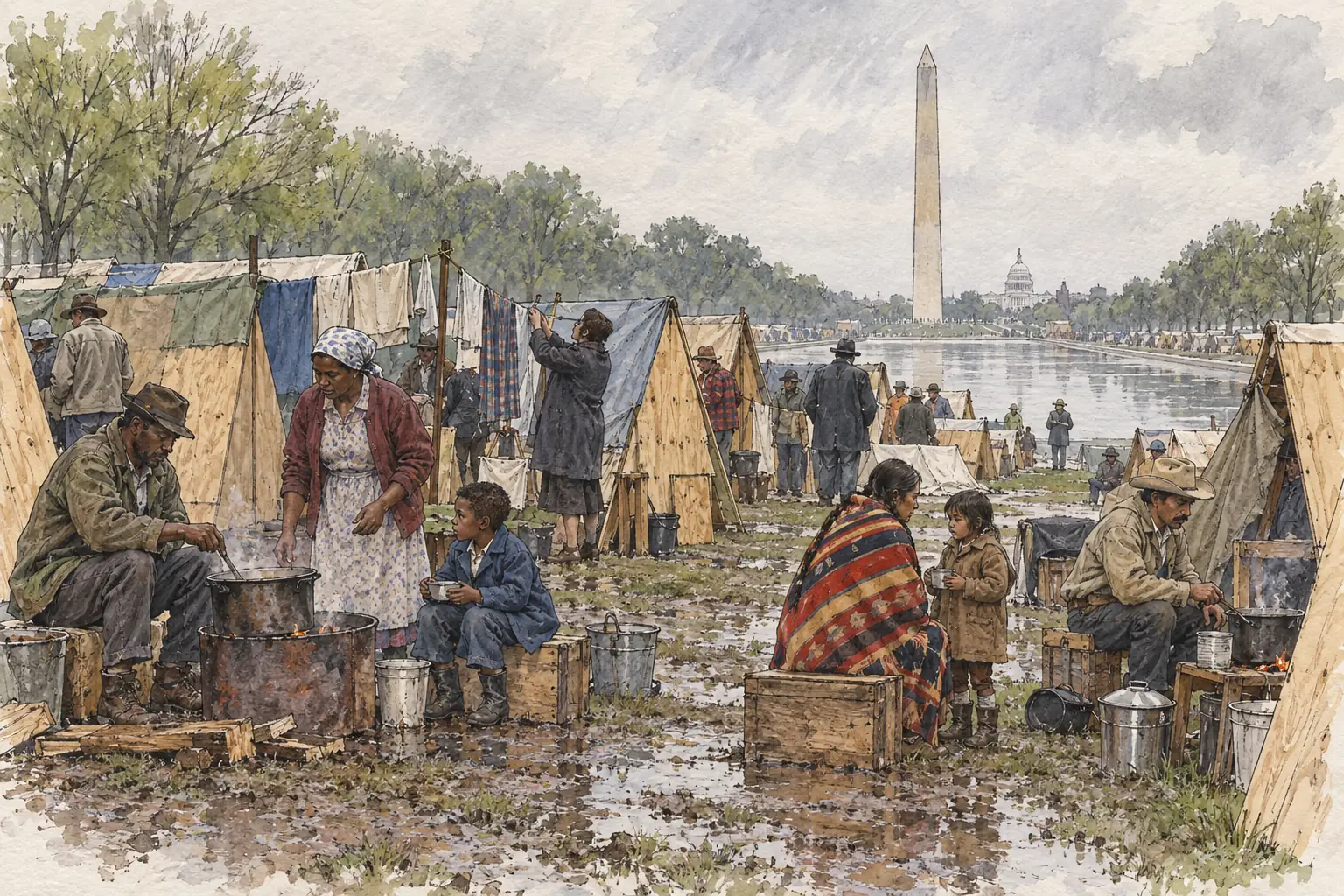
In his later years, Martin Luther King Jr. shifted focus from legal rights in the South to addressing economic injustice and de facto segregation in northern cities. These efforts aimed to tackle poverty affecting multiple racial groups.
The 1966 Chicago campaign
- Targets of the campaign - King moved to Chicago to challenge discriminatory housing practices, slum conditions, and job barriers that perpetuated poverty among black residents.
- Methods and actions - Organised marches into white neighbourhoods, rent strikes, and negotiations with city officials to demand open housing laws and improved living standards.
- Outcomes and challenges - Faced violent opposition from white crowds and limited success, but secured some agreements on fair housing; highlighted the difficulties of combating northern racism.
The 1968 Poor People's Campaign
- Goals of the campaign - Sought to unite poor people of all races in demanding economic reforms, including a guaranteed income, full employment, and affordable housing.
- Planned activities - Involved setting up a protest encampment in Washington, D.C., with marches and lobbying to pressure Congress for anti-poverty legislation.
- Significance - Represented King's broadening vision of civil rights to include economic justice, though it was disrupted by his death before full implementation.
King's assassination and its immediate impact
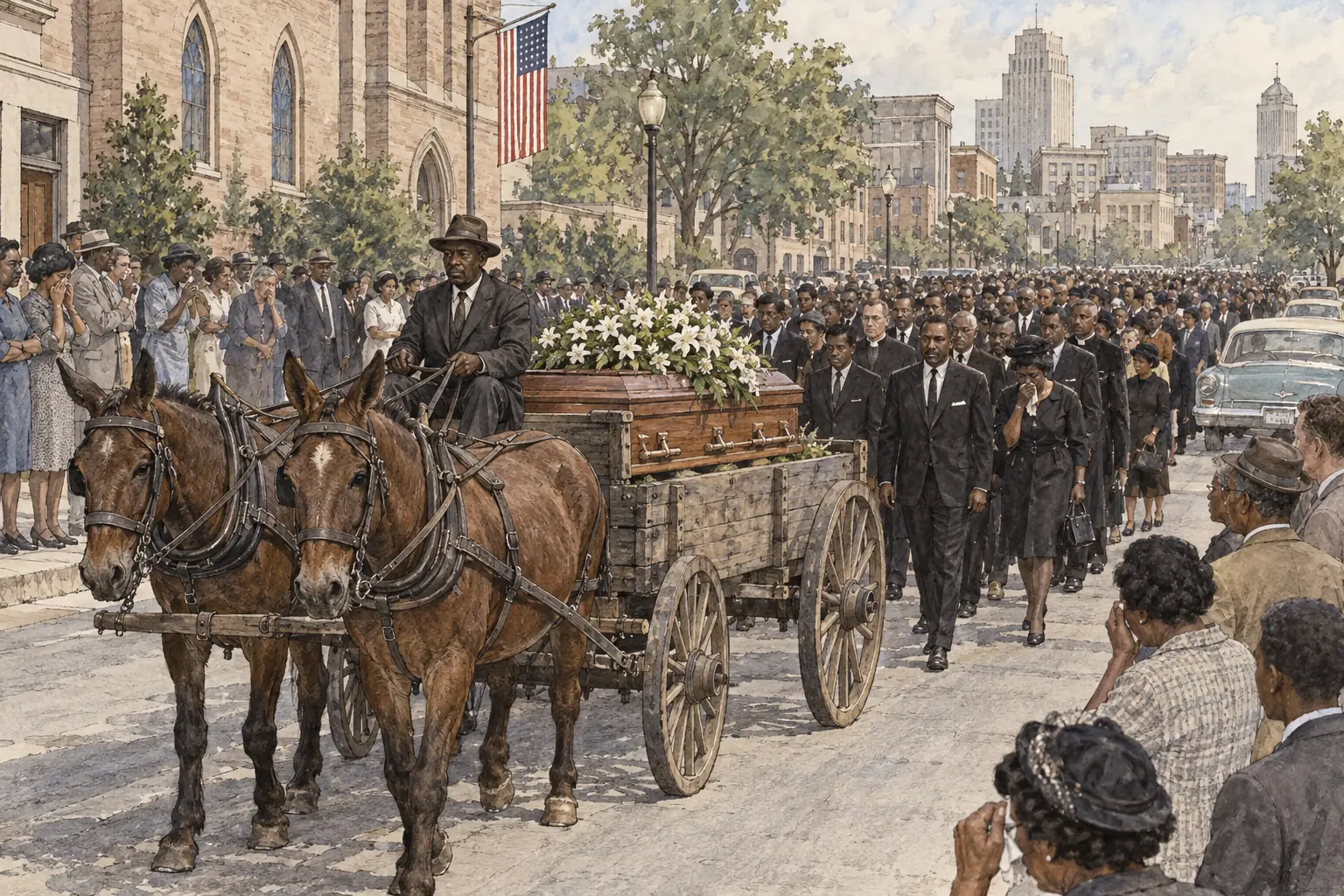
Martin Luther King Jr. was assassinated on 4 April 1968 while supporting a sanitation workers' strike in Memphis, Tennessee. The event shocked the nation and triggered widespread reactions.
Details of the assassination
- Circumstances - King was shot by James Earl Ray on a motel balcony; he died shortly after, at age 39.
- Immediate riots - Outrage led to riots in over 100 cities, causing dozens of deaths, thousands of injuries, and significant property destruction as communities expressed grief and anger.
- National mourning - The USA observed a period of official mourning, with King's funeral attended by prominent figures; President Johnson declared a day of national remembrance.
Assessment of progress by 1975
By 1975, the civil rights movement had achieved notable legal victories, but deep-seated inequalities remained, showing the limits of reform in addressing structural racism.
Achievements and ongoing inequalities
- Major legal gains - Legislation like the Civil Rights Act (1964) and Voting Rights Act (1965) ended formal segregation and expanded voting access, with further laws promoting fair housing by 1968.
- Persistent wealth disparities - Economic gaps widened, with black families earning far less on average than white ones, limiting access to better opportunities.
- Housing and schooling issues - De facto segregation continued in neighbourhoods and schools, resulting in unequal resources and outcomes for black communities.
- Policing challenges - Discriminatory practices endured, with ongoing tensions between police and minority groups, contributing to mistrust and occasional unrest..