3.1 - Eisenhower & Origins of US Involvement in Vietnam
Key facts and dates
The years 1954 to 1960 saw the United States (US) deepen its commitment to Vietnam after the collapse of French colonial control, driven by Cold War fears of communist expansion. This period established the foundations for later escalation, with diplomatic agreements, alliances, and support for anti-communist leaders shaping events.
Timeline of key events
| Year | Event |
|---|---|
| 1954 | French forces defeated at Dien Bien Phu, leading to the Geneva Accords that divide Vietnam at the 17th parallel into communist North and non-communist South. |
| 1954 | Formation of the Southeast Asia Treaty Organization (SEATO) to counter communist threats in the region. |
| 1955 | US begins providing military and economic aid to South Vietnam's leader Ngo Dinh Diem, helping him consolidate power. |
| 1956 | Planned national elections under Geneva Accords are cancelled, with US backing Diem's refusal due to fears of communist victory. |
| 1957 | Insurgency in South Vietnam intensifies, with Diem's repressive policies alienating rural populations. |
| 1960 | US military advisers in South Vietnam reach around 900, focusing on training and support amid growing instability. |
Context after French defeat and Geneva Accords
Image 1 of 2: The French garrison at Dien Bien Phu surrendered to the Viet Minh on 7 May 1954, ending French rule in Indochina
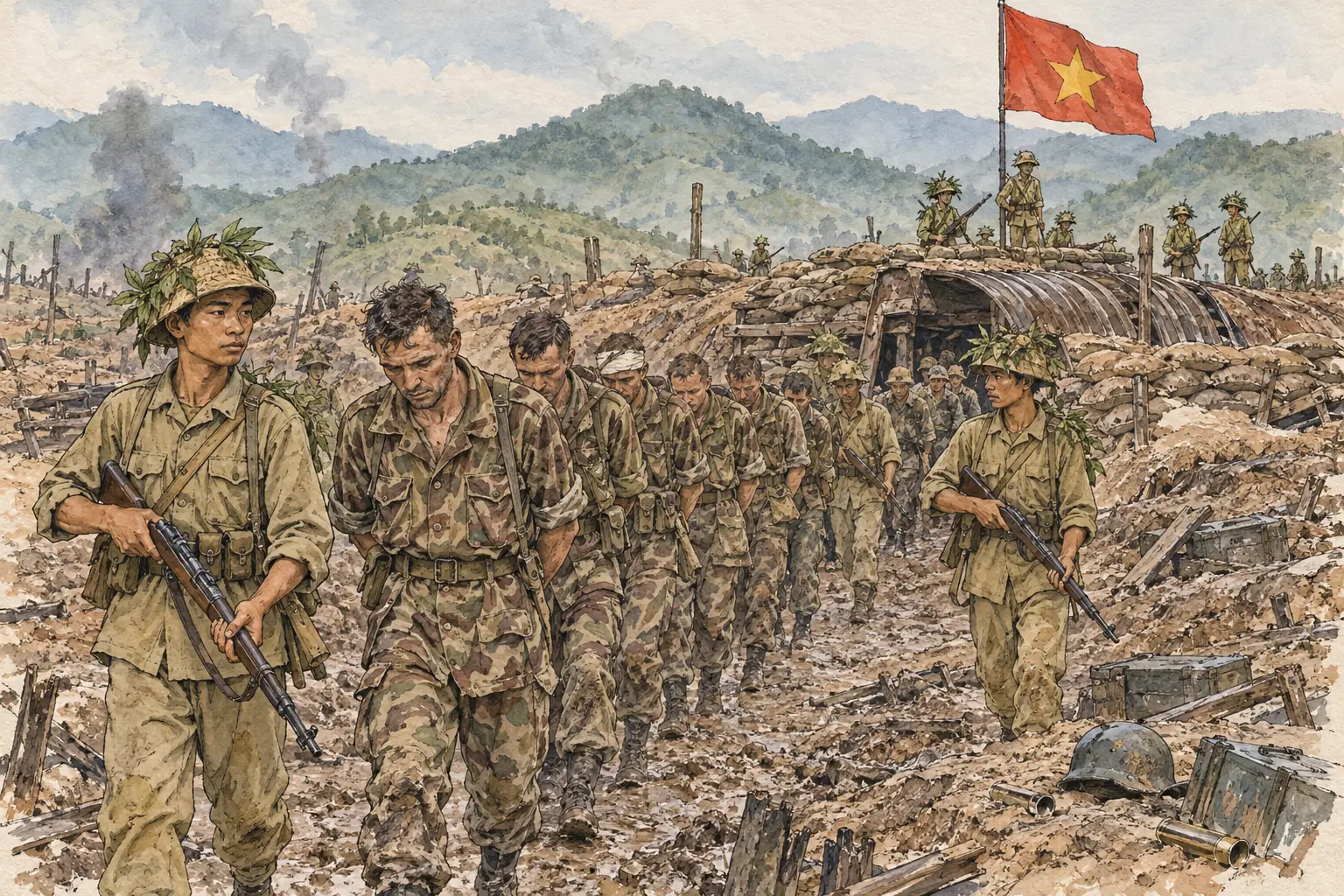
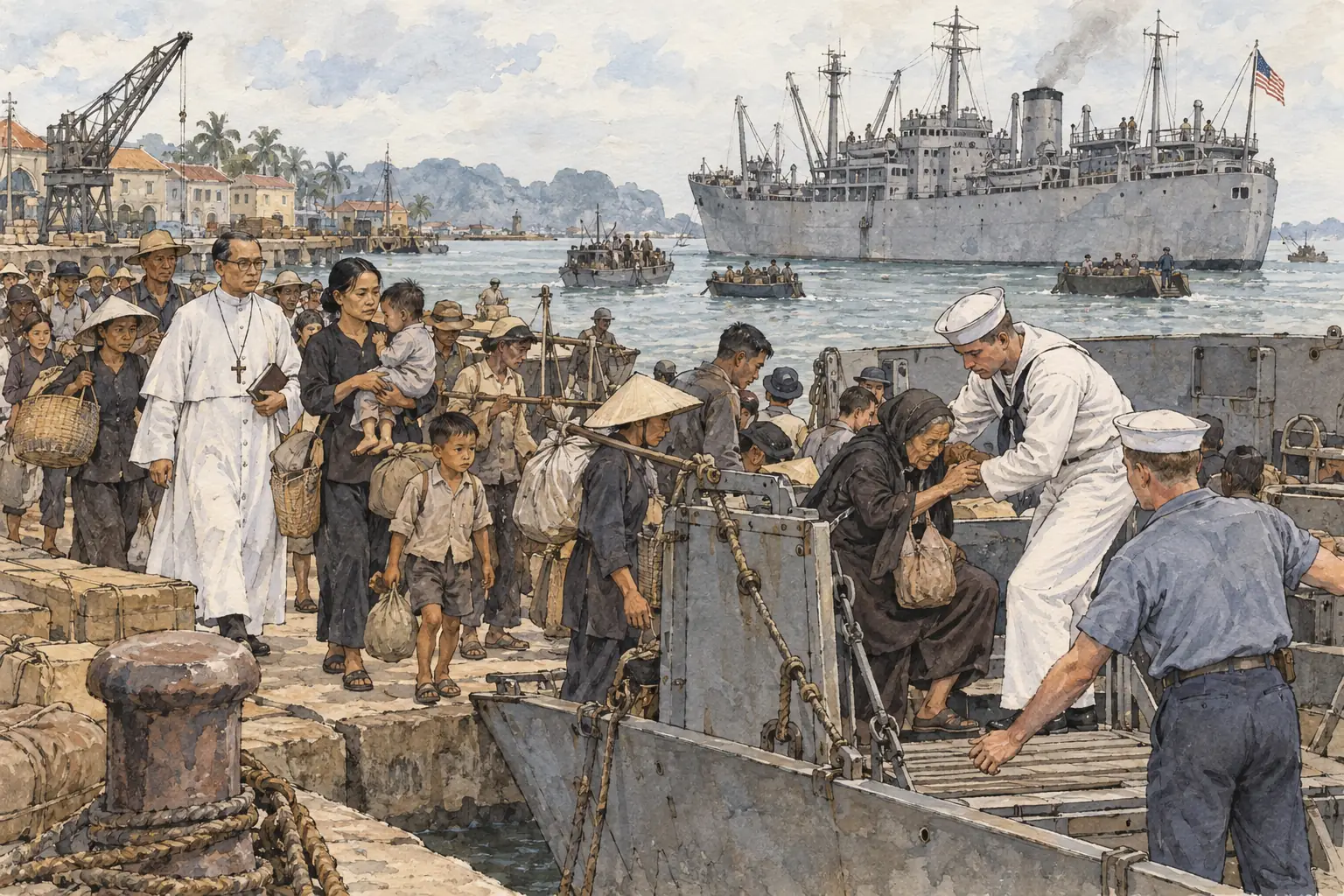
The end of French colonial rule in Vietnam created a power vacuum that drew in greater US involvement during the Cold War. After a prolonged conflict, French forces suffered a decisive loss, prompting international negotiations to reshape the region.
Key outcomes of the French defeat
- Battle of Dien Bien Phu - In 1954, Vietnamese communist forces under Ho Chi Minh defeated the French at this northern stronghold, marking the end of French Indochina and highlighting the strength of nationalist movements.
- Geneva Accords of 1954 - An international conference divided Vietnam temporarily at the 17th parallel, creating a communist-led North under Ho Chi Minh and a non-communist South. The accords also called for nationwide elections in 1956 to unify the country, while Laos and Cambodia gained independence.
- Broader implications - This division reflected Cold War divisions, with the US viewing the outcome as a setback against communism, setting the stage for increased American intervention to prevent further losses in Southeast Asia.
Domino theory and US containment in Southeast Asia
US policy in the 1950s was guided by fears that communism could spread rapidly across Asia, prompting strategies to contain Soviet and Chinese influence. President Dwight D. Eisenhower's administration prioritised alliances and aid to bolster non-communist states.
Core elements of the domino theory
- Concept of the domino theory - This idea suggested that if one country fell to communism, neighbouring nations would follow like falling dominoes, potentially leading to the loss of entire regions to Soviet or Chinese control.
- Containment strategy - The US aimed to prevent communist expansion through military alliances, economic support, and diplomatic efforts, viewing Southeast Asia as a critical front in the global Cold War.
Formation and role of SEATO
- Establishment in 1954 - The Southeast Asia Treaty Organization (SEATO) was created as a collective defence pact involving the US, Britain, France, Australia, New Zealand, Pakistan, Thailand, and the Philippines.
- Objectives - SEATO sought to deter communist aggression through mutual defence commitments, though it lacked the military strength of organisations like NATO and focused more on political signalling.
- Limitations - While it provided a framework for US involvement, SEATO did not include key regional players like Indonesia, and its effectiveness was limited to advisory and economic roles rather than direct combat.
US support for Diem and cancellation of elections
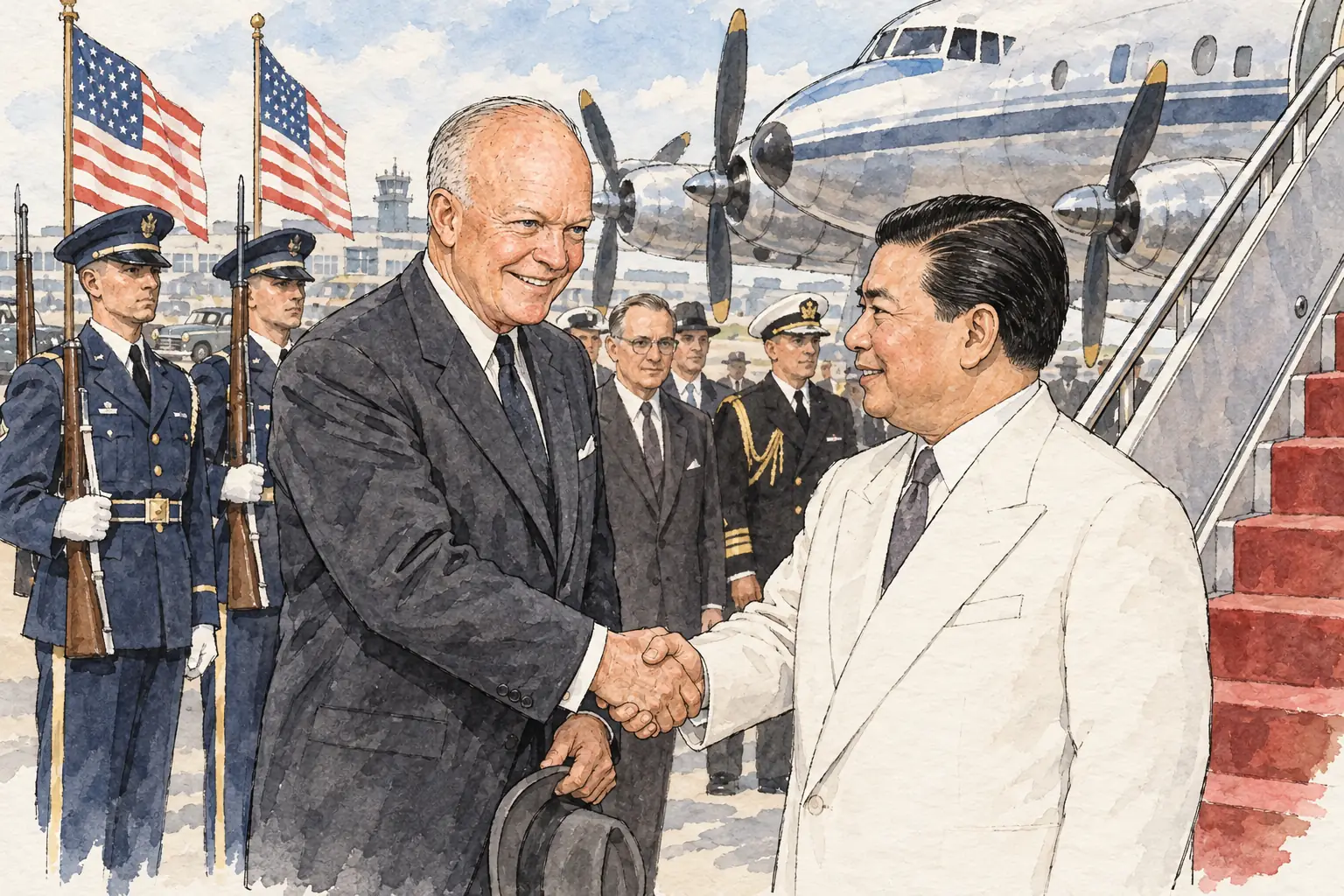
To counter communist influence in South Vietnam, the US backed Ngo Dinh Diem as a strong anti-communist leader. This support included financial and political aid, but it also involved overriding aspects of international agreements.
US backing of Diem's regime
- Rise to power in 1955 - Diem, a Catholic nationalist, was installed as prime minister and later president of South Vietnam with US encouragement, seen as a bulwark against Ho Chi Minh's North.
- Economic and military aid - The US provided millions in funding to build South Vietnam's economy and armed forces, aiming to create a stable, independent state.
- Cancellation of 1956 elections - Diem, with US approval, refused to hold the unification elections mandated by the Geneva Accords, fearing a communist landslide victory due to Ho Chi Minh's popularity. This decision deepened divisions and fuelled northern resentment.
Weaknesses of Diem's regime and the insurgency
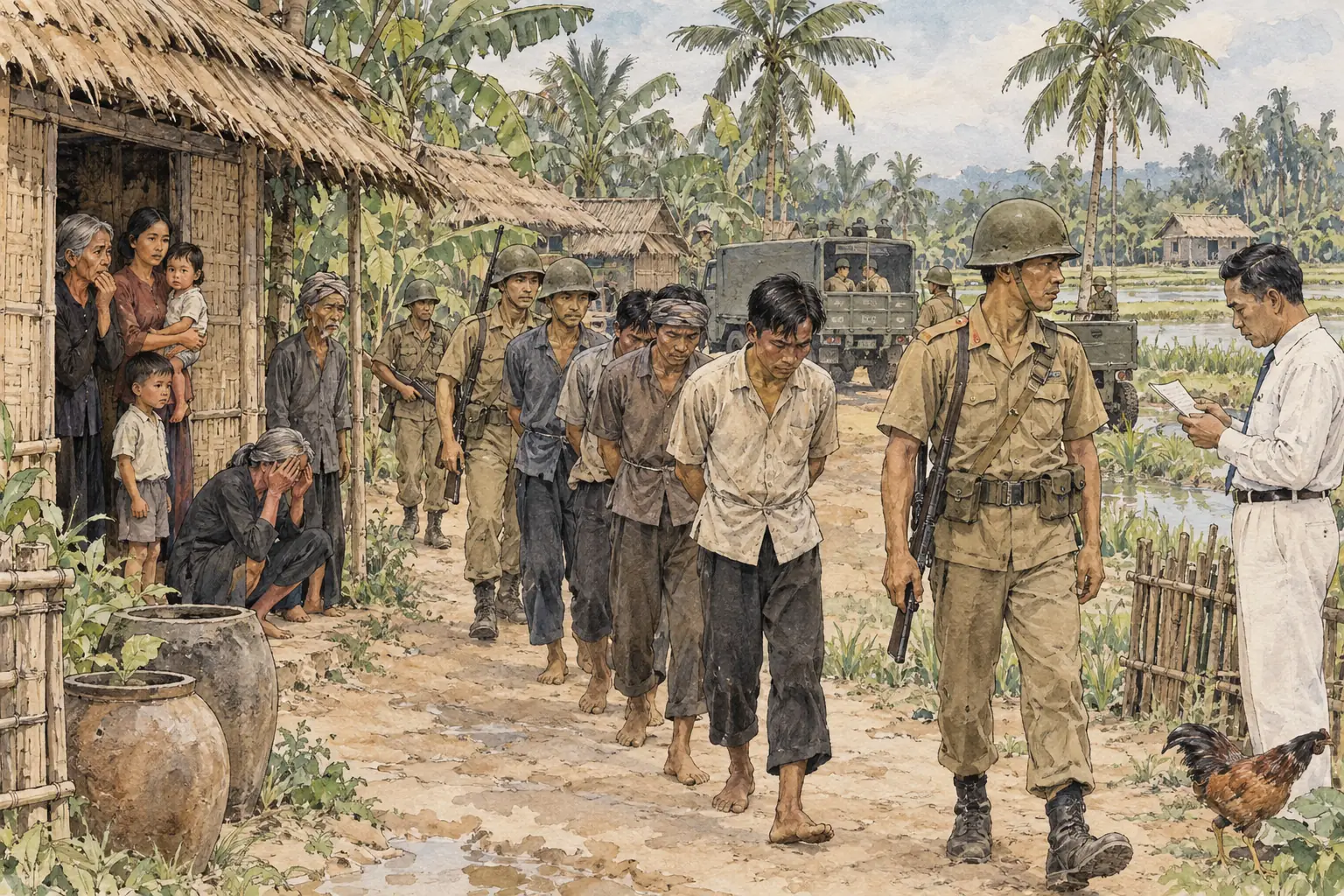
Despite US support, Diem's leadership was marred by flaws that alienated much of the population and contributed to rising unrest. His authoritarian style prioritised control over reform, exacerbating social and political tensions.
Key weaknesses in Diem's rule
- Authoritarian governance - Diem centralised power, suppressing opposition through arrests and censorship, which limited political freedoms and bred discontent.
- Corruption and nepotism - His regime was riddled with graft, with family members like his brother Nhu holding key positions, leading to inefficient administration and public distrust.
- Repression of minorities - Policies favouring Catholics discriminated against the Buddhist majority and rural peasants, including land reforms that benefited landlords over farmers.
- Impact on insurgency - These issues fuelled the growth of the Viet Cong, a southern communist guerrilla force supported by the North, which gained recruits by exploiting grievances over inequality and repression. By 1960, insurgency had spread, challenging Diem's control in rural areas.
US military and economic advisers in South Vietnam
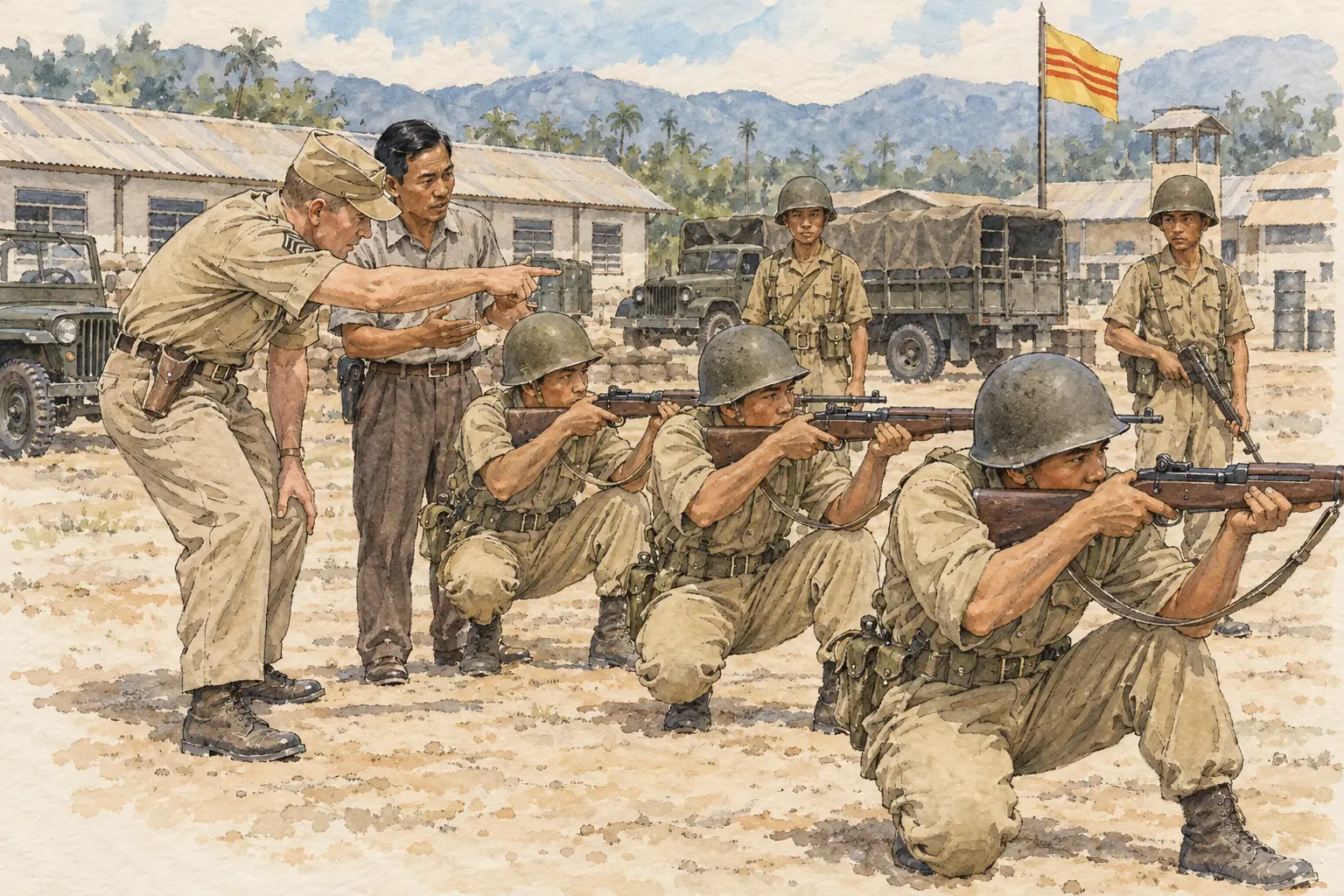
The US deployed advisers to South Vietnam to provide guidance and support, intending to build a viable anti-communist state. However, their presence had mixed results, sometimes worsening local problems.
Contributions of US advisers
- Military advisers - Starting with a few hundred in 1955 and growing to about 900 by 1960, these experts trained South Vietnam's army (ARVN) in tactics and equipment, aiming to counter guerrilla threats.
- Economic advisers - They oversaw aid programmes to improve infrastructure, agriculture, and education, seeking to win civilian support through development projects.
- Stabilising effects - Advisers helped Diem consolidate power initially, providing intelligence and resources that suppressed early rebellions and built administrative capacity.
- Inadvertent destabilisation - By associating closely with Diem's corrupt regime, US personnel alienated locals; cultural misunderstandings and support for repressive policies fuelled anti-American sentiment, indirectly strengthening the insurgency.