4.3 - Case Study: Conscientious Objectors in WW1 & WW2
Key facts and dates
The treatment of conscientious objectors (COs) in Britain during the First and Second World Wars illustrates evolving societal and governmental responses to those who refused military service on moral or religious grounds. Initial harshness gave way to greater pragmatism, reflecting broader shifts in tolerance amid wartime pressures.
Timeline of key events
- 1914-1918 – First World War; conscription introduced in 1916, leading to tribunals for COs and imprisonment of around 6,000 refusers.
- 1916 – Special tribunals established to judge CO exemption claims, granting few absolute exemptions and forcing many into non-combatant roles.
- 1916-1918 – Public hostility peaks, with COs receiving white feathers as symbols of cowardice; some die in custody due to harsh conditions.
- 1939-1945 – Second World War; conscription reintroduced, with tribunals allowing more alternative civilian service.
- 1939-1945 – COs increasingly assigned to roles like farming or fire service; fewer imprisonments and reduced public abuse compared to the First World War.
Conscription and objectors in the First World War
Image 1 of 3: From 1916 tribunals of local men and a military representative judged claims for exemption, and granted few absolute exemptions
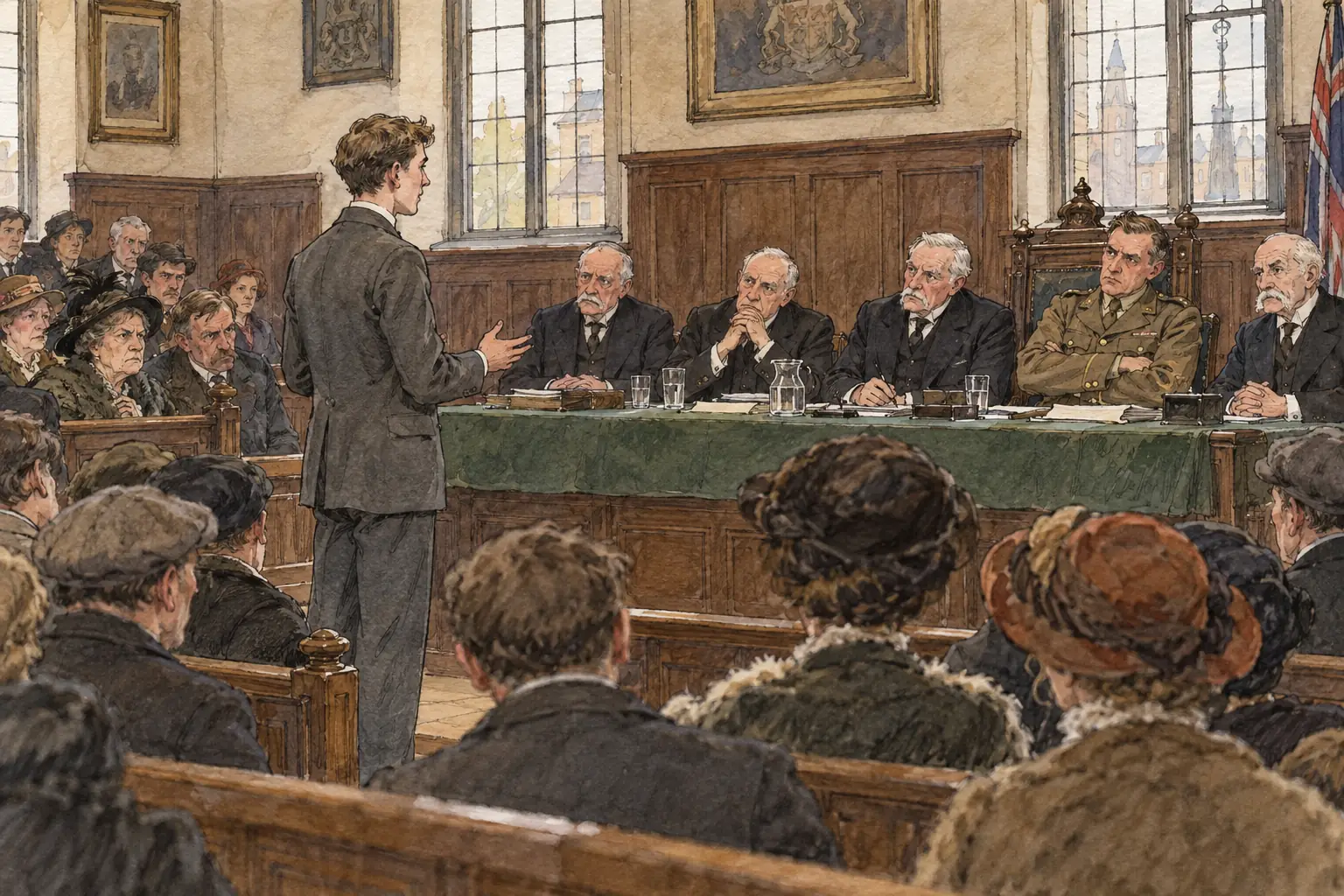
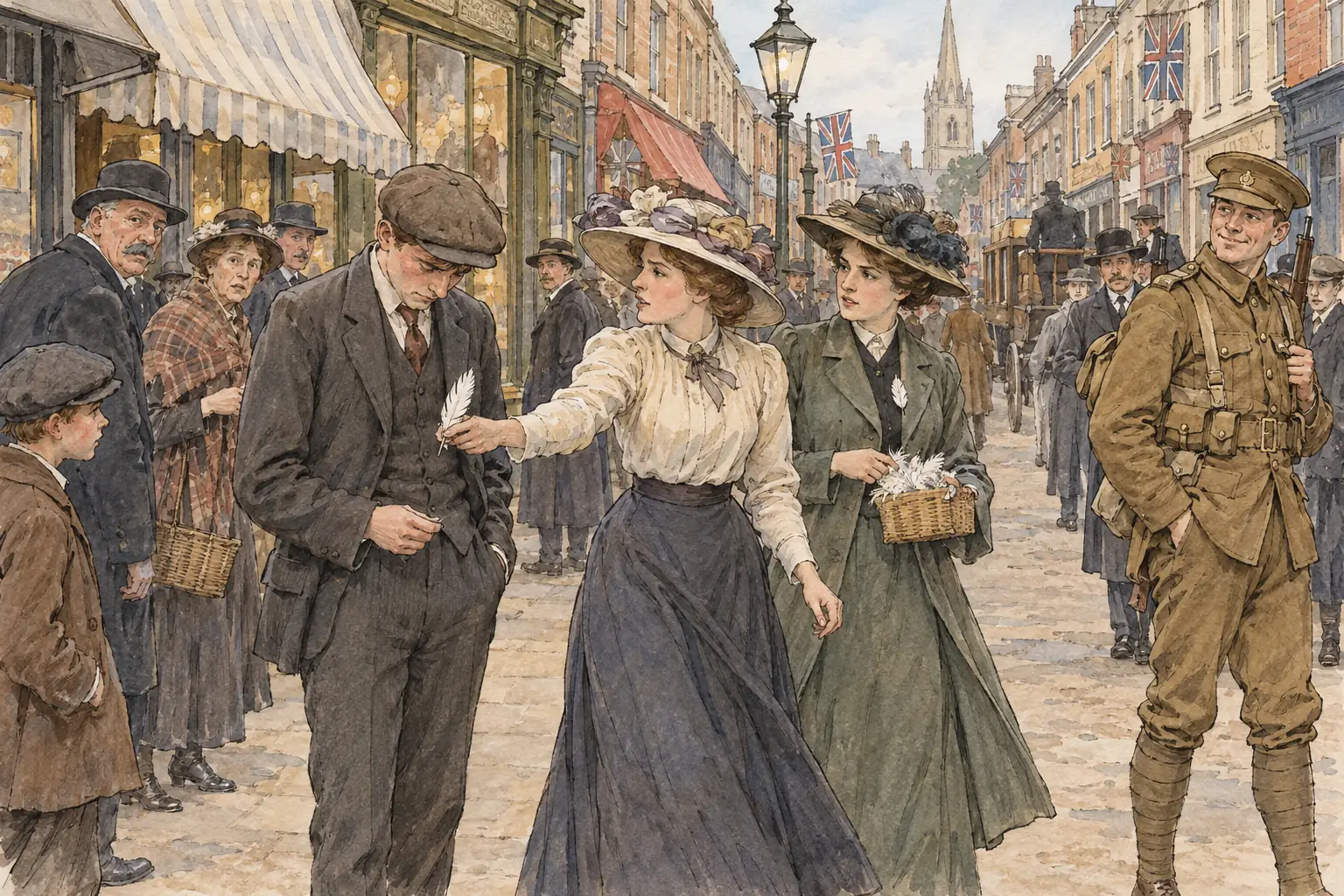
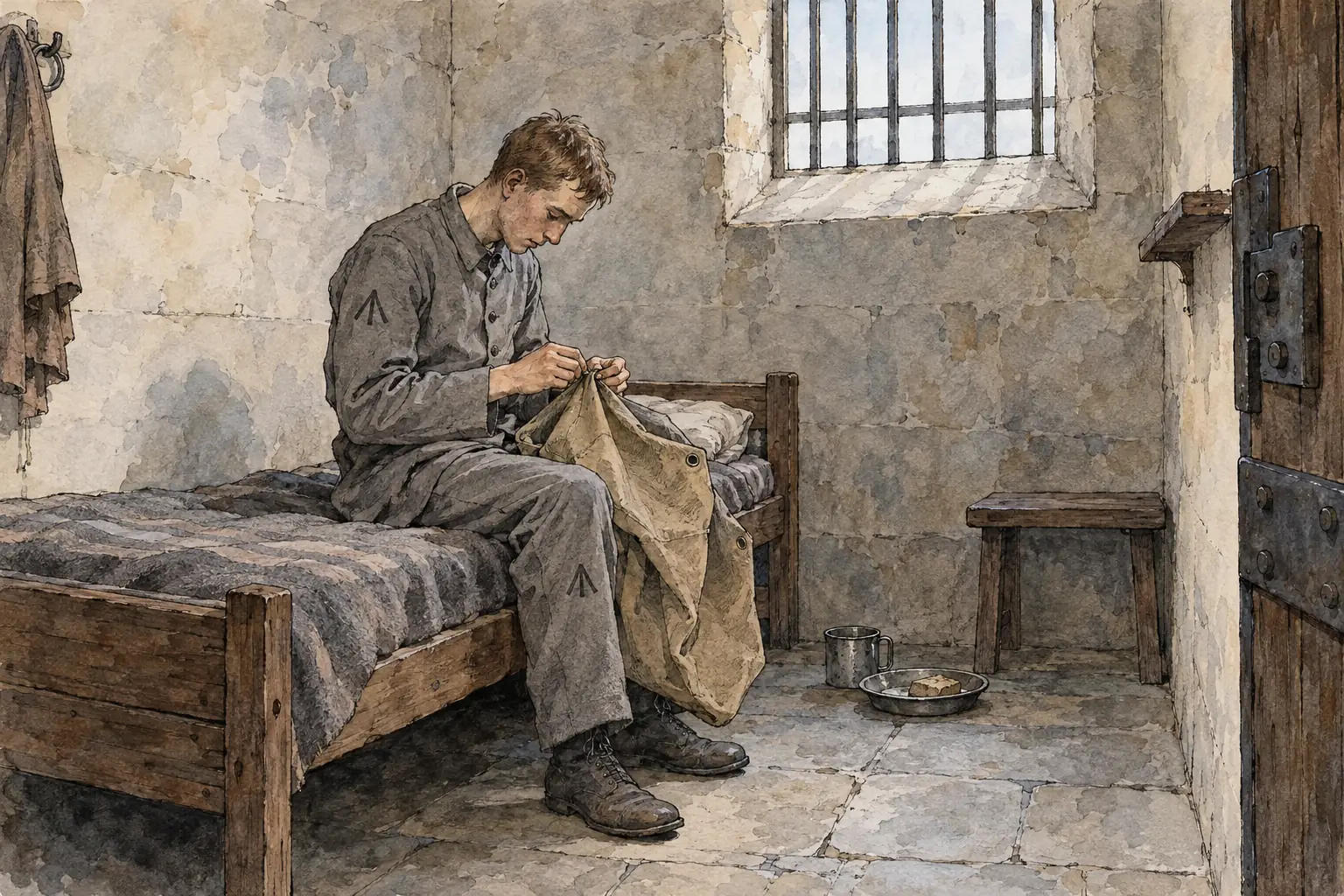
The First World War, lasting from 1914 to 1918, saw Britain introduce conscription in 1916 to bolster military numbers. This policy affected men who objected to fighting on conscientious grounds, often due to religious or moral beliefs, leading to a system of assessment and varied outcomes.
Key aspects of conscription and tribunal processes
- Implementation of conscription - From 1916, all eligible men were required to serve in the armed forces, prompting thousands to apply for exemption as conscientious objectors (COs).
- Role of special tribunals - These panels evaluated CO claims, granting absolute exemption to only a small minority deemed fully sincere in their objections.
- Non-combatant assignments - Many COs, considered genuine but willing to contribute, were compelled to take non-fighting roles such as army medics or labourers.
Harsh treatment of refusers
- Imprisonment conditions - COs who rejected all involvement faced severe penalties, including jail terms with solitary confinement or hard labour.
- Public and societal backlash - Widespread resentment labelled COs as cowards or shirkers; civilians often presented white feathers to non-uniformed young men as a mark of shame.
- Consequences for COs - At least several died in custody from the brutal treatment, highlighting the intense wartime fears and societal anger that drove such responses.
Conscientious objectors in the Second World War
Image 1 of 2: In the Second World War many conscientious objectors were directed to farm work instead of prison
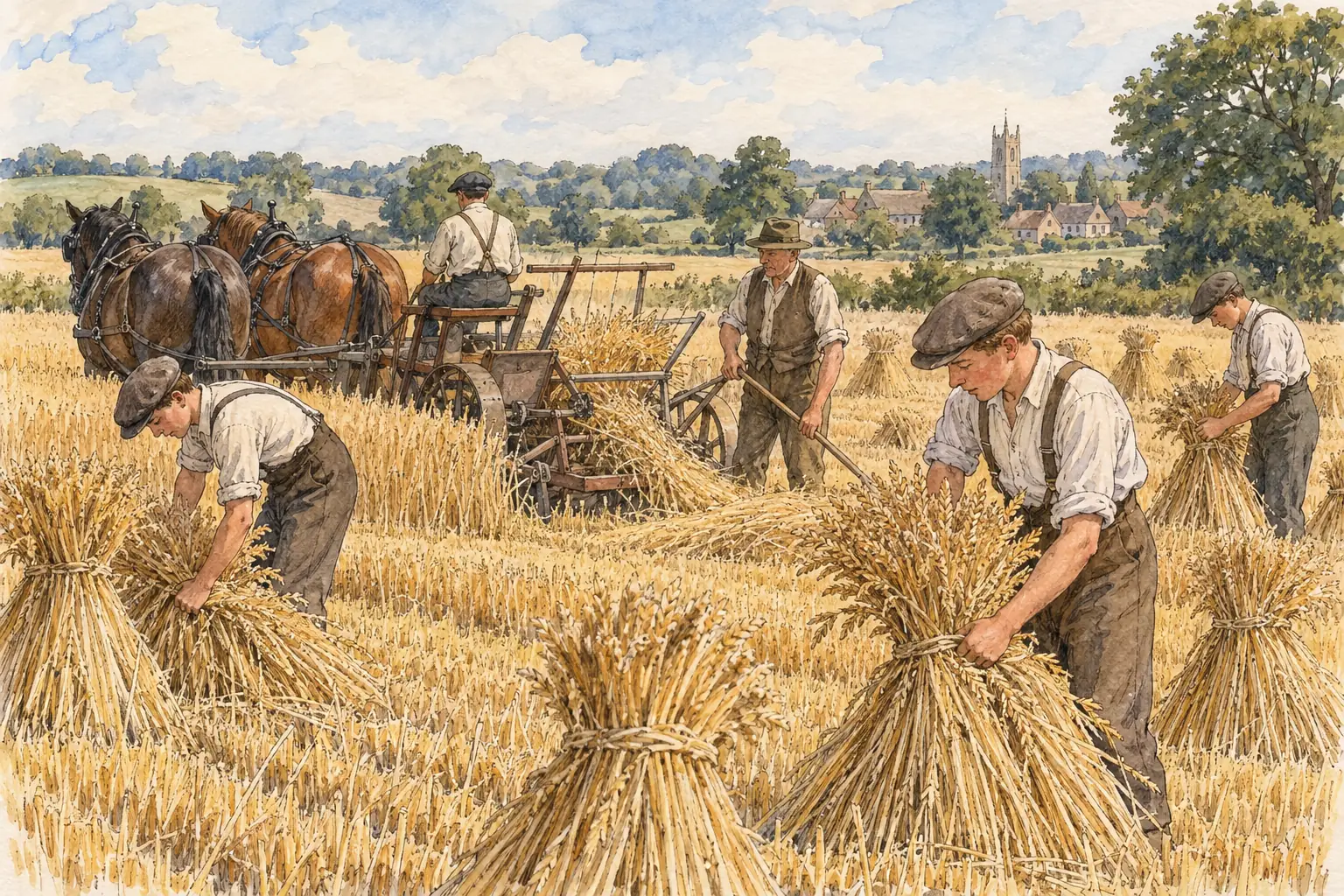
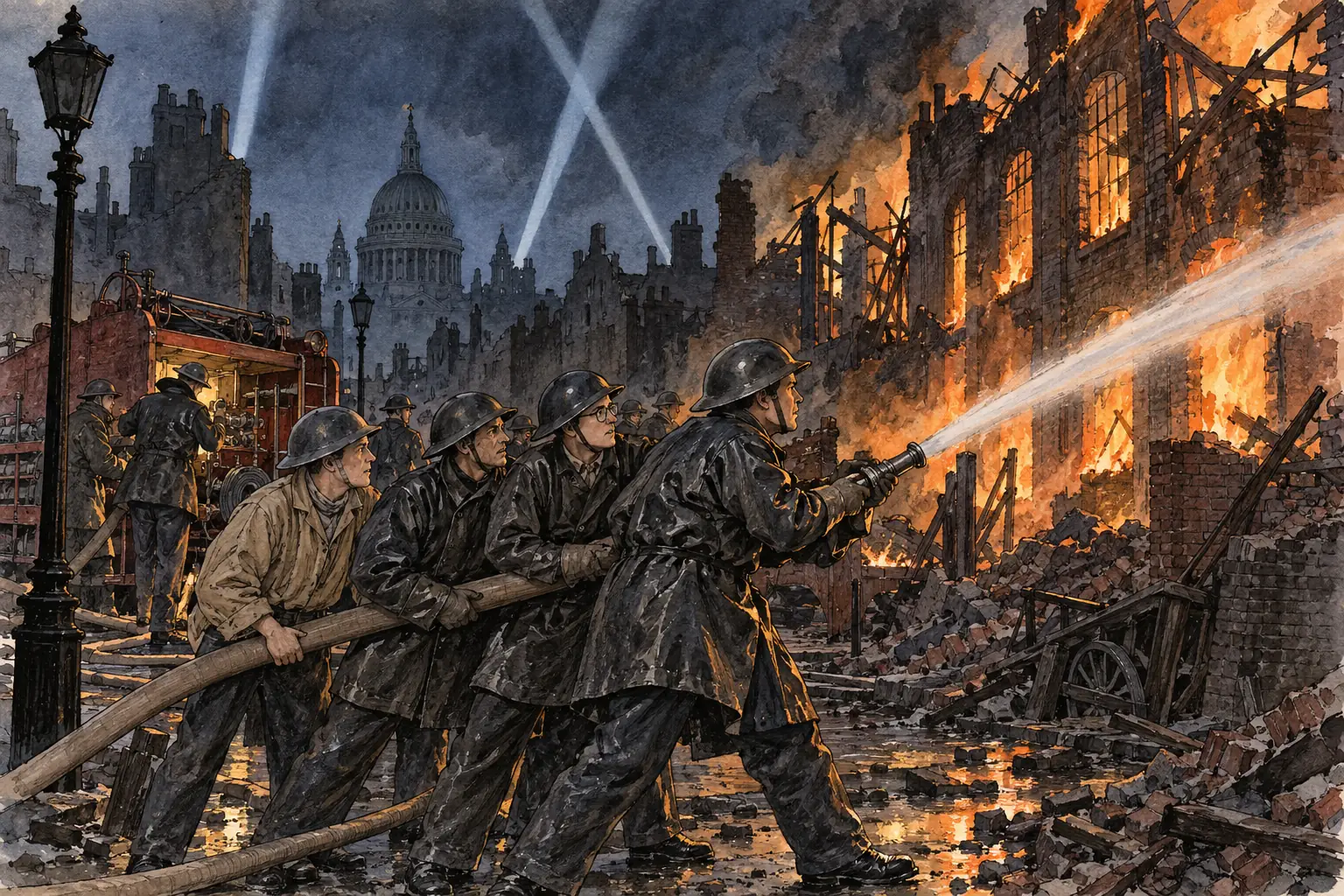
During the Second World War from 1939 to 1945, Britain again enforced conscription, but the handling of COs showed some evolution from the previous conflict. Tribunals remained central, yet outcomes reflected a more accommodating approach.
Tribunal processes and alternatives
- Continued use of tribunals - Panels assessed CO applications, but a larger share received approval for non-military options compared to the First World War.
- Alternative service options - Many COs were directed to valuable civilian duties, including work in the fire service, ambulance crews, agriculture (known as land work), or humanitarian relief efforts.
Reduced severity in penalties and public response
- Lower imprisonment rates - Far fewer COs ended up in jail, as the system prioritised practical contributions over punishment.
- Shift in public attitudes - While suspicion and mockery persisted, COs encountered less outright hostility than in the earlier war, indicating a slight increase in societal understanding.
Comparison of treatment between the two wars
The approaches to COs in the two world wars reveal stark differences, influenced by changing priorities and experiences. The First World War's rigidity contrasted with the Second's flexibility, as shown in the table below.
Key differences in treatment
| Aspect | First World War (1914-1918) | Second World War (1939-1945) |
|---|---|---|
| Tribunal outcomes | Few absolute exemptions; many forced into non-combatant military roles | Higher rate of exemptions; emphasis on alternative civilian service |
| Treatment of refusers | Around 6,000 imprisoned with harsh conditions like hard labour; some deaths in custody | Fewer imprisonments; focus on useful non-military roles |
| Public perception | Intense hostility, with COs widely despised and symbols like white feathers used to shame them | More tolerant, though suspicion remained; reduced levels of abuse |
| Government approach | Strict enforcement reflecting wartime anger and fear | Pragmatic leniency, recognising CO contributions in other sectors |
Changing attitudes to conscientious objection
The evolving treatment of COs between the wars demonstrates broader societal and legal shifts towards greater tolerance of individual beliefs. By the mid-20th century, respecting personal conscience had gained some acceptance, though challenges persisted.
Factors influencing attitude shifts
- Increased social tolerance - Post-First World War reflections led to a more nuanced view, acknowledging that COs could support the war effort without combat.
- Legal adaptations - Systems became more flexible, allowing alternative roles that aligned with national needs while honouring objections.
- Personal costs for COs - In both conflicts, COs demonstrated courage by resisting pressure, often at the expense of their freedom, reputation, or social position, underscoring the ongoing tension between individual rights and collective demands.