4.4 - Case Study: Derek Bentley & Death Penalty
Key facts and dates
The Derek Bentley case highlighted flaws in the British justice system during the 1950s, particularly regarding the death penalty and joint enterprise laws. It became a symbol of injustice, contributing to growing calls for reform and the eventual abolition of capital punishment.
Timeline of key events
- 1952 – Derek Bentley and Christopher Craig attempt to burgle a warehouse; Craig shoots and kills a police officer during a rooftop confrontation.
- 1953 – Bentley is convicted of murder under joint enterprise law and executed by hanging, despite public appeals for mercy.
- 1965 – Parliament abolishes the death penalty for murder on a trial basis.
- 1969 – Abolition of the death penalty made permanent.
- 1993 – Bentley receives a posthumous pardon.
- 1998 – Bentley's murder conviction is quashed by the Court of Appeal.
Events of the Derek Bentley case
Image 1 of 2: On the warehouse roof Bentley had already been detained when Christopher Craig shot PC Sidney Miles
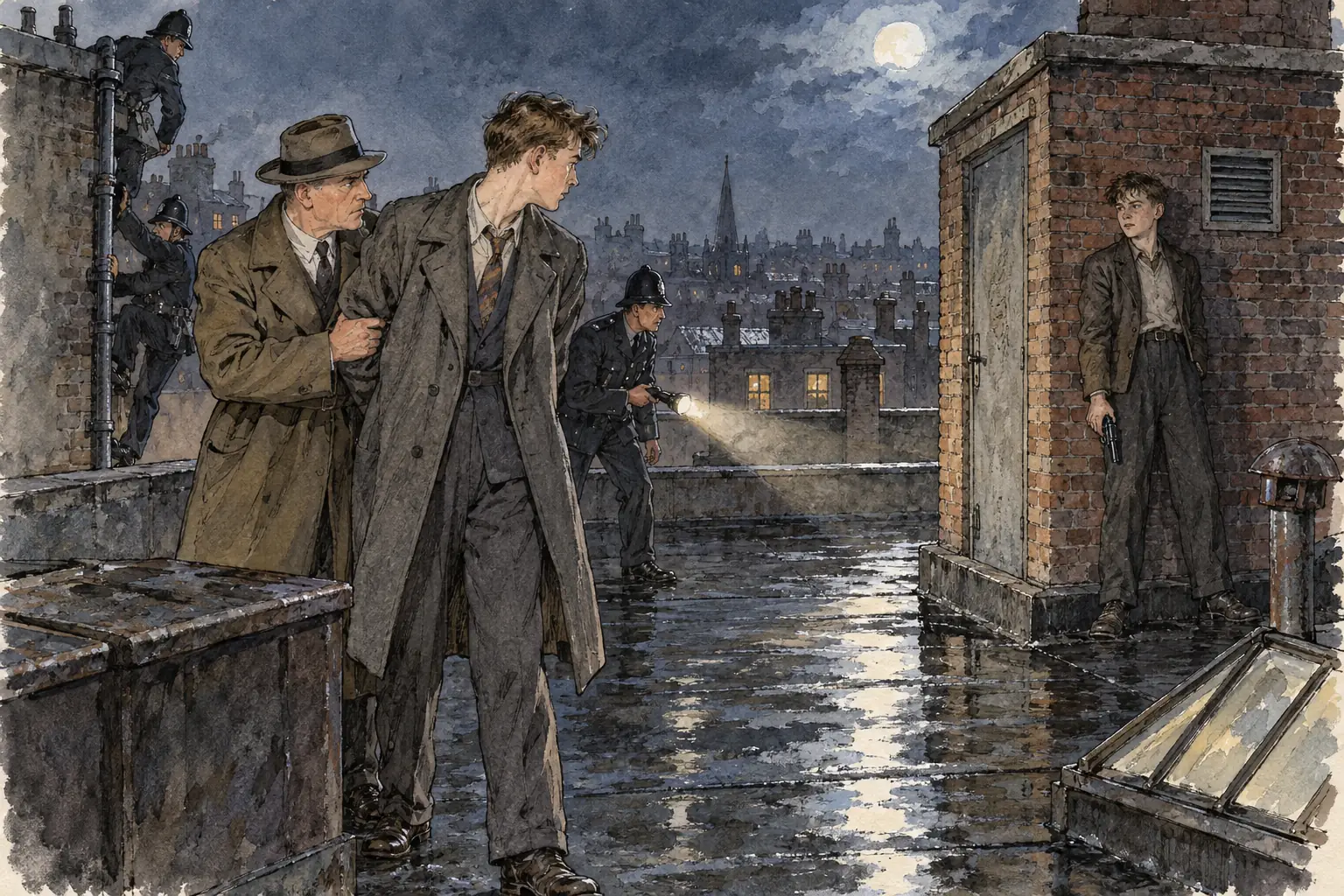
In 1952, Derek Bentley, a 19-year-old with learning difficulties, and 16-year-old Christopher Craig attempted to burgle a warehouse in south London. The incident escalated when police arrived, leading to a confrontation on the rooftop that resulted in the death of an officer.
Details of the incident and arrest
- Burglary attempt - Bentley and Craig broke into the warehouse but were spotted and pursued by police onto the roof.
- Confrontation with police - Craig was armed with a gun; during the standoff, he fired shots, fatally wounding Police Constable Sidney Miles.
- Bentley's involvement - Bentley, who did not possess or fire the gun, had already been detained by officers when the fatal shot occurred.
- Ambiguous phrase - Bentley allegedly shouted "Let him have it" to Craig, which could be interpreted as an instruction to surrender the gun or to shoot the officer.
Legal proceedings and verdict
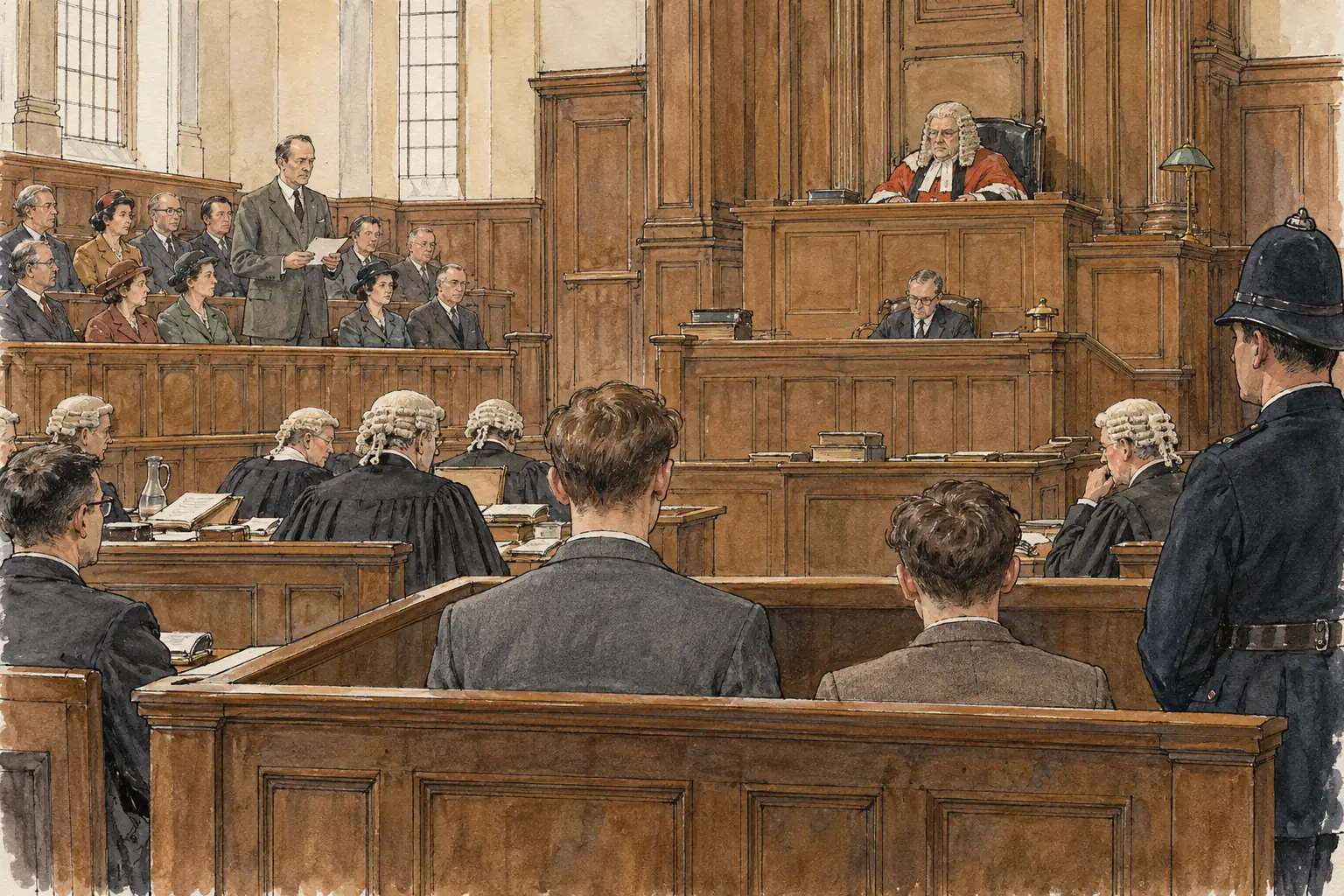
- Joint enterprise law - Bentley was charged with murder under this principle, which holds accomplices equally responsible for crimes committed during a joint criminal plan.
- Trial outcome - The jury found Bentley guilty, but recommended mercy due to his age, learning difficulties, and limited direct involvement.
- Mandatory sentence - The judge imposed the death penalty, as required by law for murder convictions at the time.
Controversy over the conviction and execution
The case sparked intense debate over the fairness of Bentley's conviction and sentence, given his personal circumstances and the unclear evidence. Many argued that the execution represented a miscarriage of justice.
Key points of controversy
- Bentley's mental capacity - His learning difficulties raised questions about his ability to fully understand or participate in the crime, and whether he should have been held fully accountable.
- Interpretation of evidence - The phrase "Let him have it" was ambiguous, with no clear proof it encouraged violence rather than surrender.
- Age and eligibility for execution - Craig, being under 18, could not be executed and was sentenced to detention; Bentley, at 19, faced the full penalty despite not firing the shot.
- Refusal of mercy - Despite appeals, including from the jury and public figures, the Home Secretary declined to commute the sentence, leading to Bentley's hanging in January 1953.
Public reaction and campaign for abolition
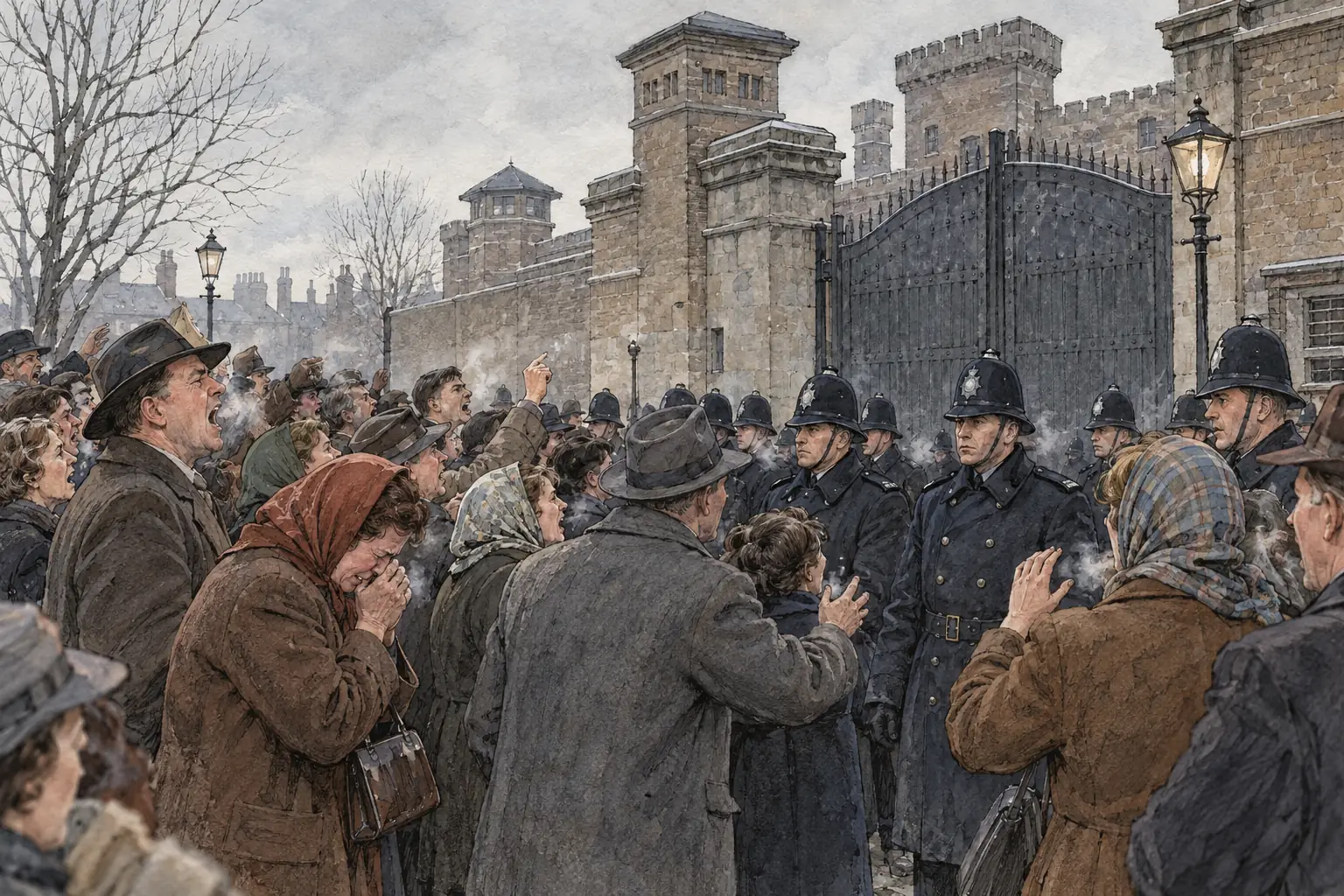
The execution provoked widespread outrage and became a focal point for critics of the death penalty. It eroded trust in the justice system and fuelled a broader movement for reform.
Immediate public response
- Outcry and appeals - Thousands signed petitions and protested, highlighting the case's injustices and calling for clemency.
- Comparison to other cases - Similar to the wrongful execution of Timothy Evans in 1950, Bentley's case exposed risks of irreversible errors in capital punishment.
Influence on the abolition movement
- Cause célèbre - Campaigners used the case to argue against the death penalty's fairness, especially for those with diminished responsibility or in ambiguous circumstances.
- Growth of opposition - Over the following decade, public confidence in capital punishment declined, with Bentley's story kept alive through media and activism.
- Parliamentary reform - The case contributed to the Murder (Abolition of Death Penalty) Act 1965, which suspended hanging for murder on a trial basis, made permanent in 1969.
Long-term outcomes and posthumous justice
Decades after the execution, official recognition of the injustice led to Bentley's exoneration, underscoring the case's lasting impact on British legal history.
Posthumous developments
- Pardon and quashed conviction - In 1993, Bentley received a royal pardon; his conviction was overturned in 1998, acknowledging errors in the original trial.
- Symbolic significance - The case illustrated how a single controversial incident can shift public opinion and drive legal change towards more humane practices.
- Legacy in justice reform - It highlighted issues with joint enterprise laws and mandatory sentencing, influencing ongoing debates about accountability and mercy in the criminal justice system.