1.4 - Case Studies: Donner Party & Mormon Migration
Key facts and dates
The mid-19th century saw challenging westward migrations in America, exemplified by the tragic Donner Party expedition and the more organised Mormon journey. These events highlight the risks of poor planning versus structured leadership in frontier travel, driven by economic opportunities and religious pressures.
Timeline of key events
- 1846 (April) – Donner Party departs from Illinois, aiming for California via the Oregon Trail.
- 1846 (July) – Donner Party chooses Hastings Cutoff based on misleading guidebook promises.
- 1846 (August-October) – Delays in Wasatch Mountains and Great Salt Lake Desert strand the Donner Party.
- 1846 (November) – Donner Party trapped by snow in Sierra Nevada, leading to starvation and cannibalism.
- 1846 (February) – Brigham Young leads initial Mormon migration from Nauvoo, Illinois, to escape persecution.
- 1847 (July) – Mormon pioneers arrive at Great Salt Lake Valley, establishing Salt Lake City.
- 1849 onwards – Perpetual Emigration Fund supports further Mormon migrations, including handcart companies.
Reasons for the Donner Party's migration
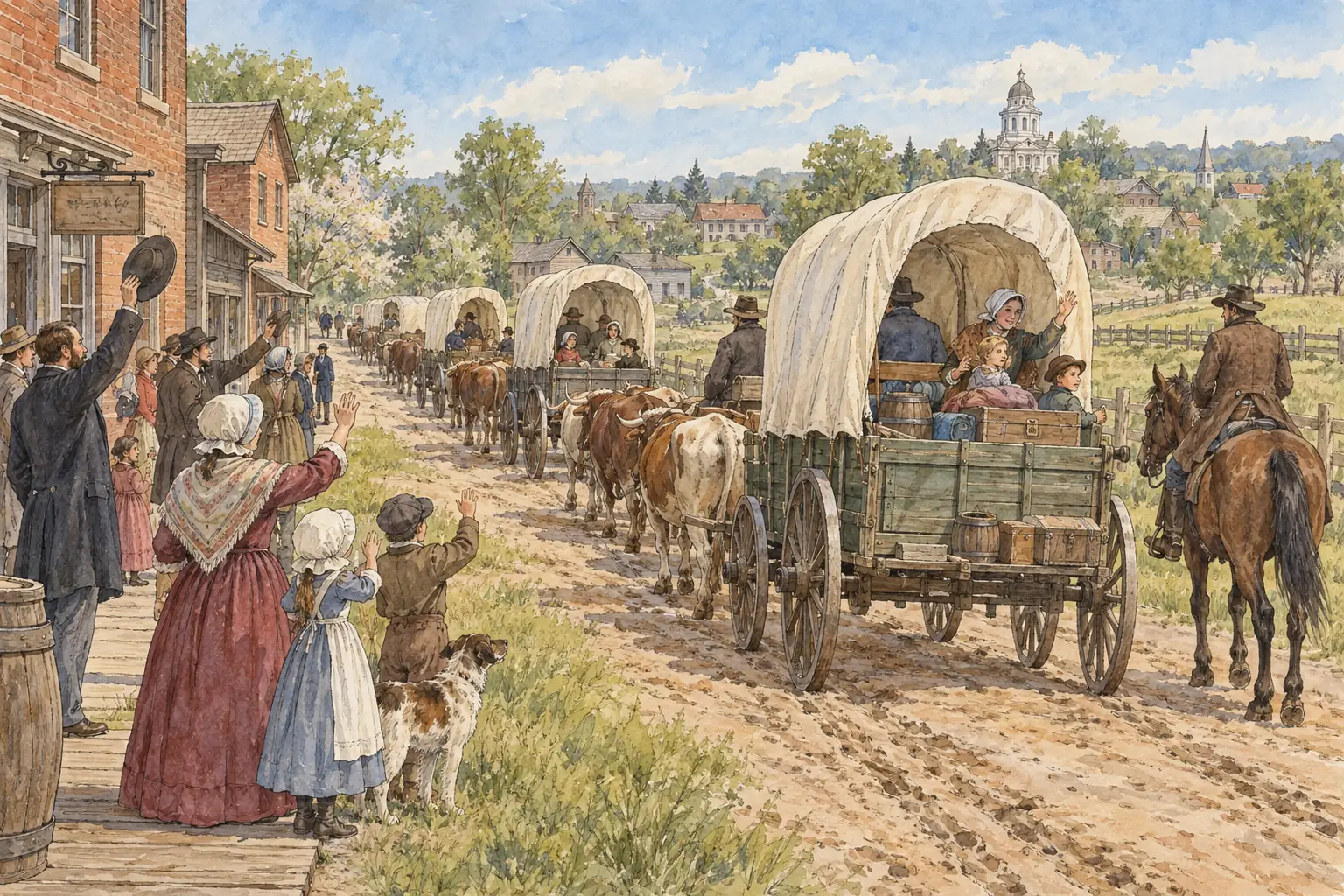
The Donner Party, a group of about 87 emigrants led by brothers Jacob and George Donner, set out in 1846 from Illinois to California. Their journey was motivated by the promise of fertile land and economic prosperity in the West, part of the broader westward expansion fuelled by manifest destiny and reports of opportunity.
Factors influencing the Donner Party's decisions
- Economic motivations - Many members sought better farming prospects and wealth in California, escaping economic hardships in the Midwest amid population growth and land scarcity.
- Influence of guidebooks - Lansford Hastings' emigrant guide promoted a supposed shortcut, the Hastings Cutoff, claiming it shaved hundreds of miles off the traditional Oregon Trail route.
- Group composition - The party included families, single men, and hired hands, drawn together by shared ambitions but lacking unified leadership or frontier experience.
- Timing and optimism - Departing in spring, they expected a straightforward journey based on positive accounts, underestimating the risks of untested paths.
Challenges of the Donner Party's journey
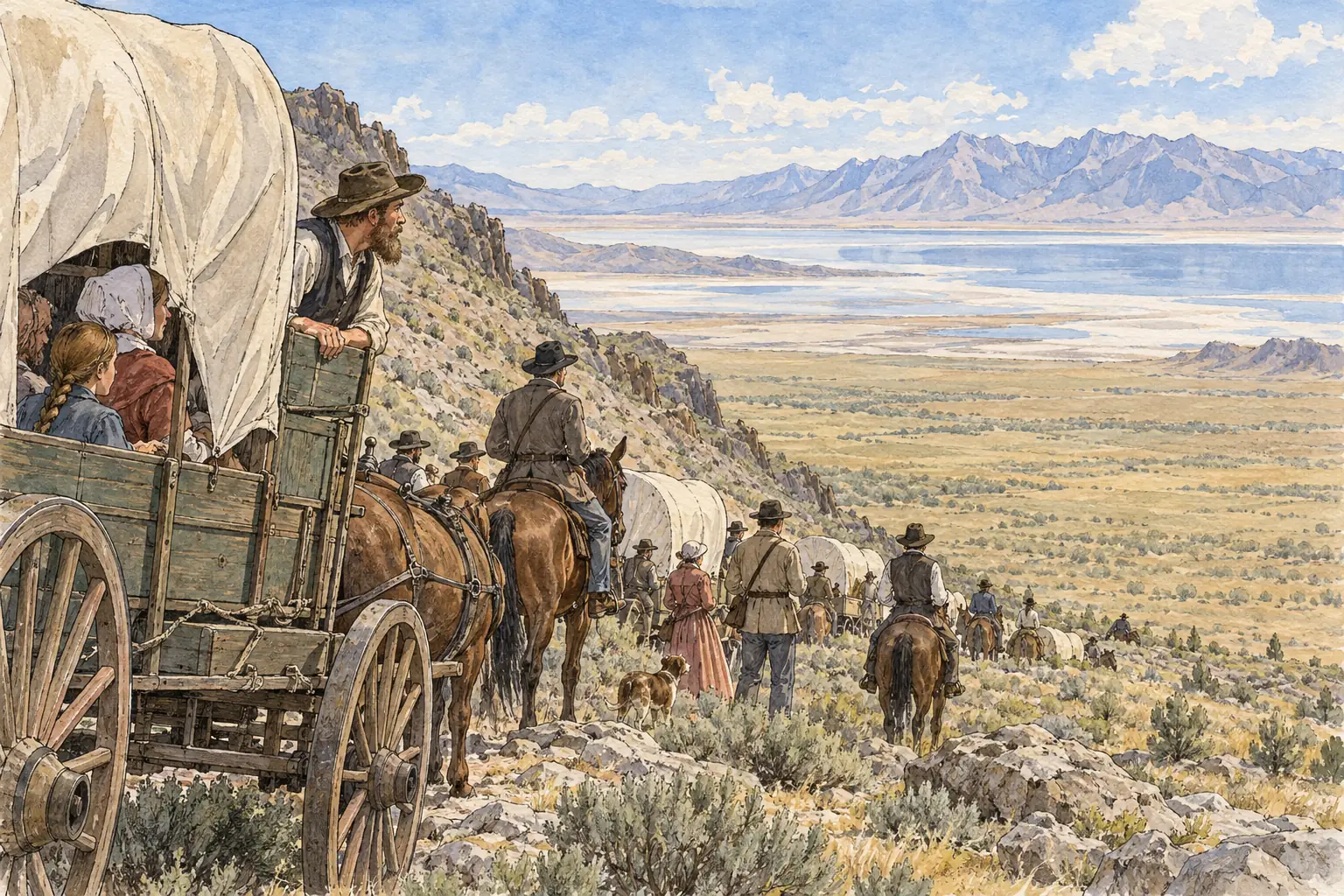
Image 1 of 2: Crossing the Great Salt Lake Desert on the Hastings Cutoff, where the party lost wagons and oxen
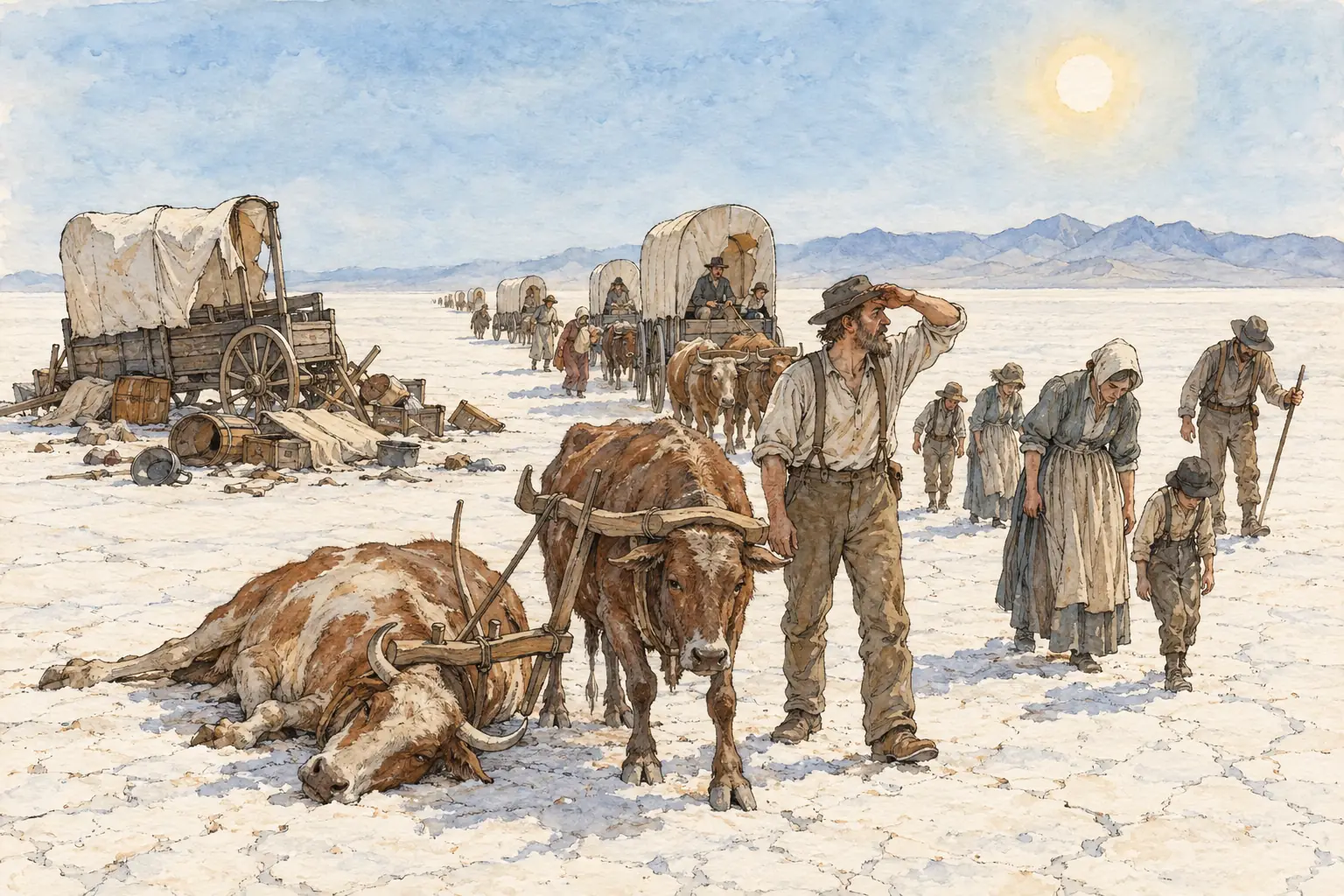
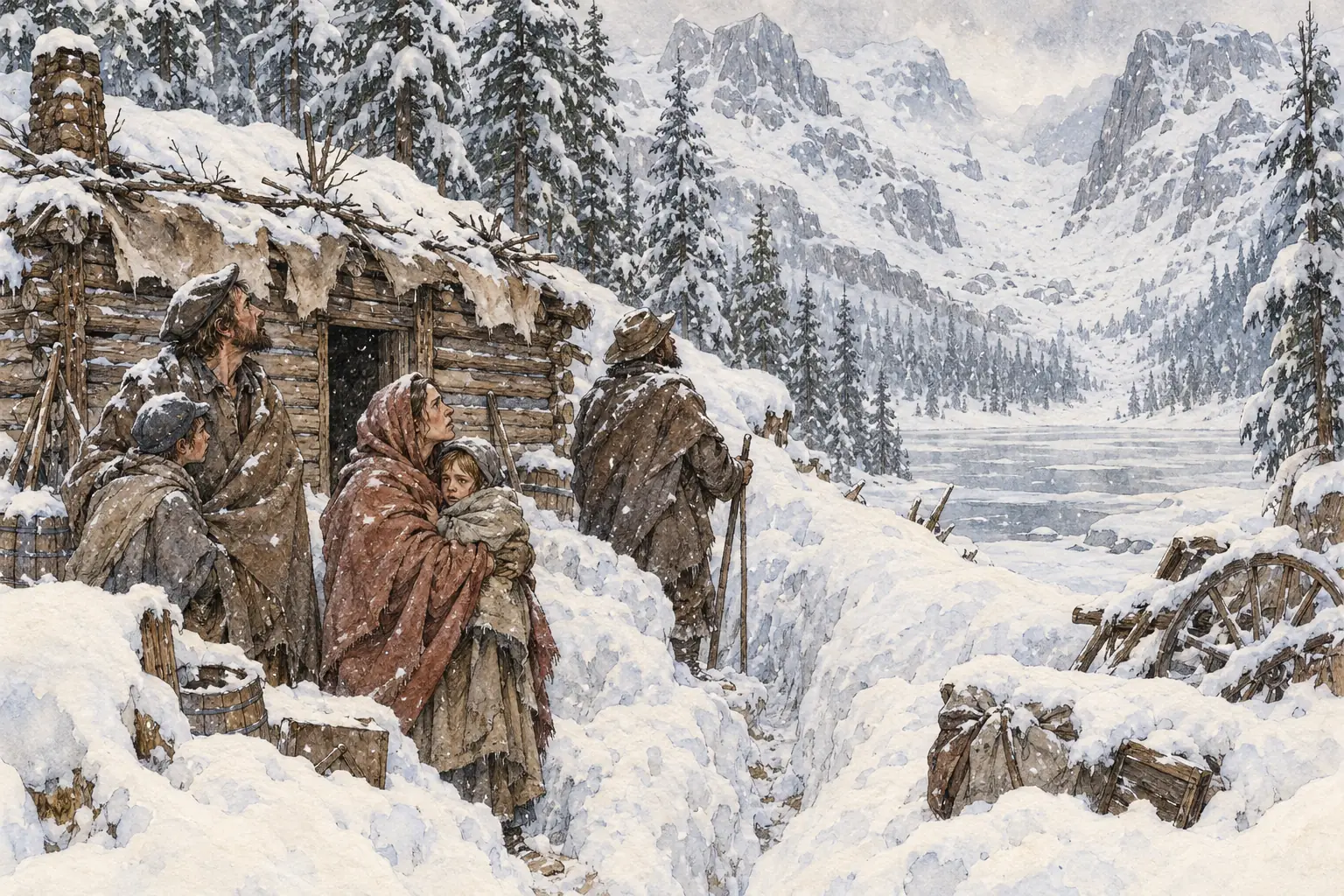
The Donner Party's trek turned disastrous due to a series of setbacks, transforming a hopeful migration into a survival ordeal. After splitting from the main Oregon Trail, they encountered harsh terrain that depleted their resources and delayed progress.
Major obstacles faced by the Donner Party
- Choice of Hastings Cutoff - This unproven route through rugged mountains and deserts proved far more difficult than advertised, with misleading information from Hastings contributing to poor decision-making.
- Delays in the Wasatch Mountains - Thick forests and steep slopes required clearing paths and multiple crossings of the same rivers, slowing the group and exhausting livestock.
- Struggles in the Great Salt Lake Desert - Crossing this arid expanse took days longer than expected, leading to lost wagons, dead animals, and abandoned supplies due to dehydration and heat.
- Entrapment in the Sierra Nevada - Early winter snows in November 1846 blocked Truckee Pass, trapping the party in makeshift camps where food ran out, resulting in starvation, disease, and eventual cannibalism among survivors.
- Rescue and survival - Relief parties from California rescued about half the group by early 1847, but 41 perished, highlighting the human cost of the ordeal.
Lessons from the Donner Party's experience
The Donner Party tragedy became a cautionary tale in American migration history, underscoring critical errors that future emigrants could avoid. It emphasised the perils of inadequate preparation in the unpredictable western frontier.
Key insights from the Donner Party disaster
- Importance of planning - Insufficient supplies and failure to account for seasonal weather changes demonstrated the need for thorough provisioning and realistic timelines.
- Role of leadership - Divided command among the Donners and others led to indecision; strong, unified leadership could have prevented risky choices like the cutoff.
- Route selection - Relying on unverified shortcuts highlighted the dangers of poor intelligence; sticking to established trails like the Oregon Trail might have ensured timely arrival.
- Broader implications - The event influenced later migrations by promoting better organisation, such as government surveys and improved guidebooks, reducing similar tragedies.
The Mormon migration under Brigham Young
Image 1 of 2: Mormon families cross the Mississippi from Nauvoo, Illinois, in February 1846
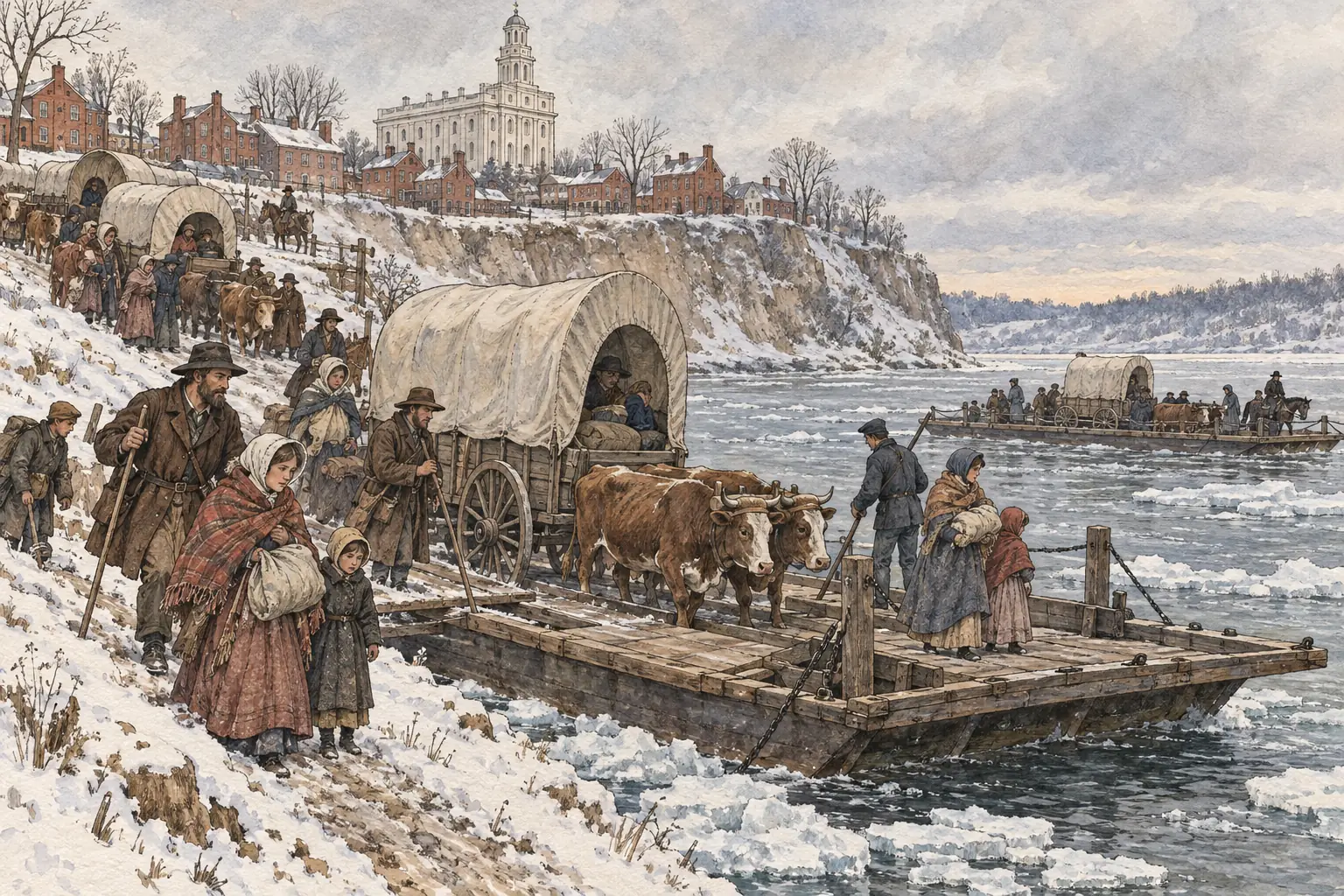
In 1846-47, Brigham Young led thousands of Mormons, members of the Church of Jesus Christ of Latter-day Saints, from Nauvoo, Illinois, to the Great Salt Lake Valley in present-day Utah. This exodus, known as the Mormon Trail migration, was a response to intense hostility in the Midwest.
Overview of the Mormon journey
- Leadership under Young - As successor to founder Joseph Smith, Young organised the migration with military-like precision, dividing groups into companies and assigning roles to ensure discipline.
- Route and hardships - Travelling over 1,300 miles along parts of the Oregon Trail, they faced blizzards, river crossings, and disease, but Young's planning minimised losses compared to other migrations.
- Arrival and settlement - Reaching the valley in July 1847, the pioneers immediately began building, transforming the arid land into a viable community.
Success factors in the Mormon migration
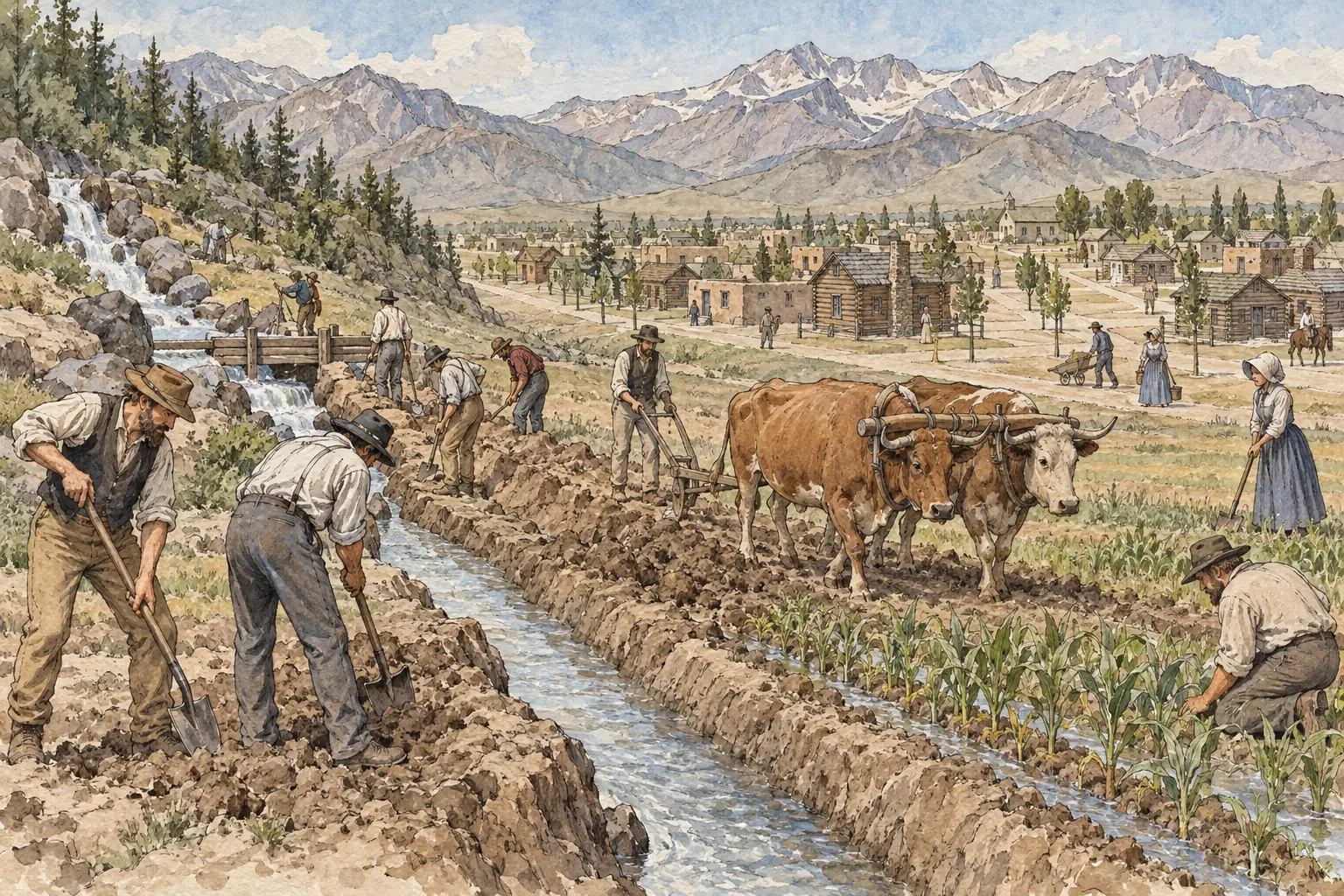
The Mormons' success stemmed from meticulous organisation and communal efforts, which contrasted sharply with less structured migrations like the Donner Party. These strategies enabled large-scale relocation and long-term settlement.
Elements of Mormon organisational strategies
- Strict structure - Young established way-stations for supplies and rest, and later handcart companies allowed poorer members to travel lightly and affordably on foot.
- Perpetual Emigration Fund - Created in 1849, this fund loaned money to immigrants for travel, repaid through labour, facilitating the migration of over 80,000 Mormons by 1890.
- Irrigation and community building - Upon arrival, they developed irrigation systems to farm the desert, built cooperative communities with shared resources, and planned cities like Salt Lake City on a grid system.
- Communal economics - Emphasis on collective work and self-sufficiency, including food storage and craftsmanship, helped the group thrive in isolation.
Reasons for Mormon persecution and westward push
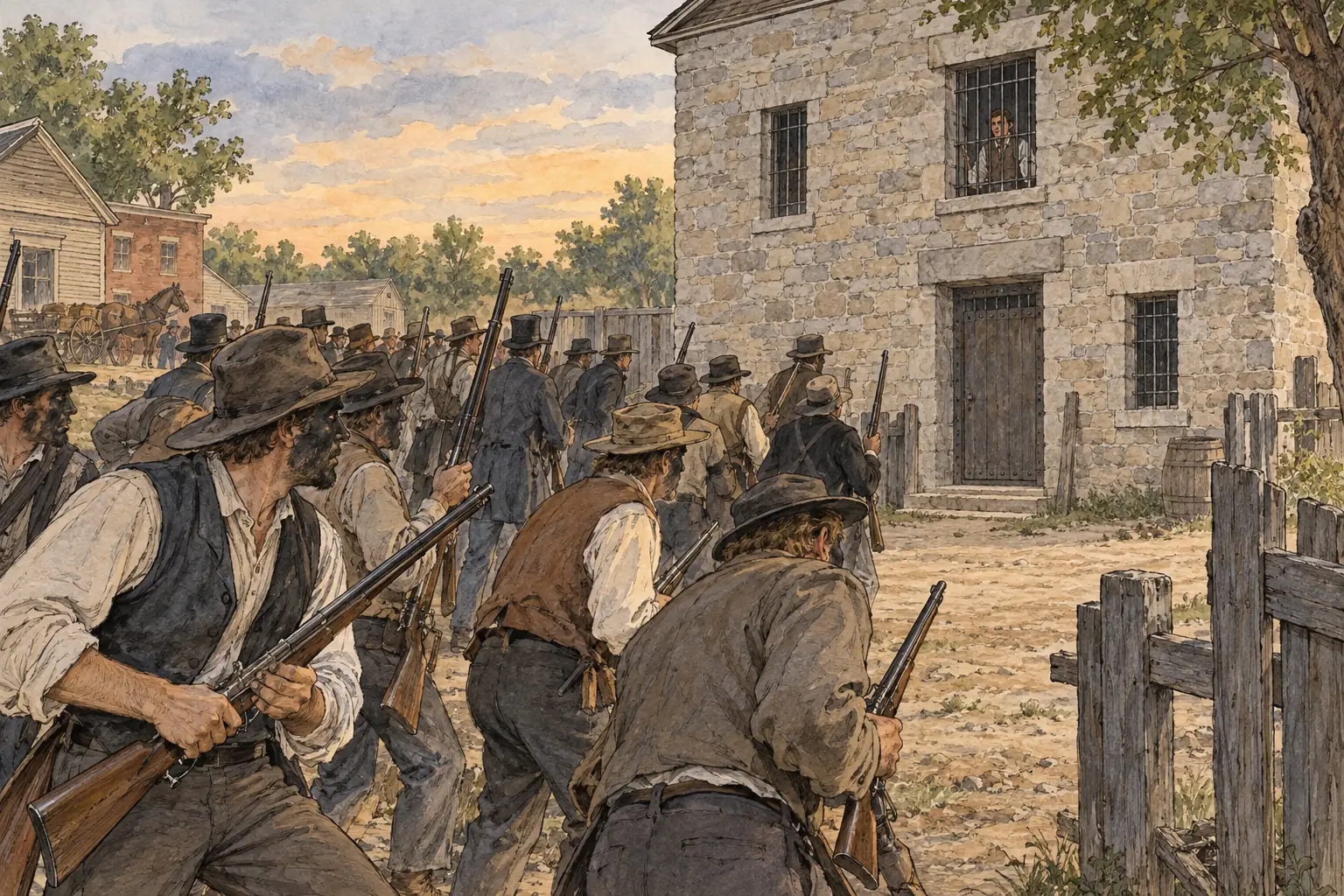
The Mormons faced repeated expulsion from eastern states due to their unconventional beliefs and practices, which clashed with mainstream society. This hostility necessitated their westward migration to find a safe haven.
Causes of persecution against Mormons
- Religious differences - Practices like polygamy (plural marriage) were seen as immoral by outsiders, leading to legal and social backlash.
- Communal economics - Their cooperative economic system, which prioritised group welfare over individual profit, aroused suspicion and accusations of un-American behaviour.
- Political tensions - In places like Nauvoo, their growing numbers and bloc voting threatened local power structures, resulting in violence, including the 1844 murder of Joseph Smith.
- Push to the West - Seeking isolation, Young chose the remote Great Salt Lake Valley, then part of Mexico, to establish an independent theocratic society free from interference.