1.5 - Problems with Early Settlement
Key facts and dates
Early settlement on the Great Plains before 1862 involved pioneering efforts in mining and farming, marked by severe environmental hardships and limited resources. These initial ventures laid the groundwork for later expansion but highlighted the difficulties of adapting to the region's harsh conditions.
Key facts to remember
- Mining camps – Emerged rapidly around mineral discoveries, often temporary and lacking formal governance.
- Farming challenges – Included breaking tough sod, dealing with pests, and coping with scarce water and timber.
- Climate extremes – Involved frequent droughts in summer and severe blizzards in winter, threatening crops and livestock.
- Isolation issues – Settlers faced long distances from markets, leading to high transport costs and supply shortages.
- Town development – Featured boom-and-bust cycles, with makeshift institutions like vigilante groups for law enforcement.
- Early adaptations – Relied on sod houses for shelter, hand-dug wells for water, and community support for survival.
The first mining camps on the Plains before 1862
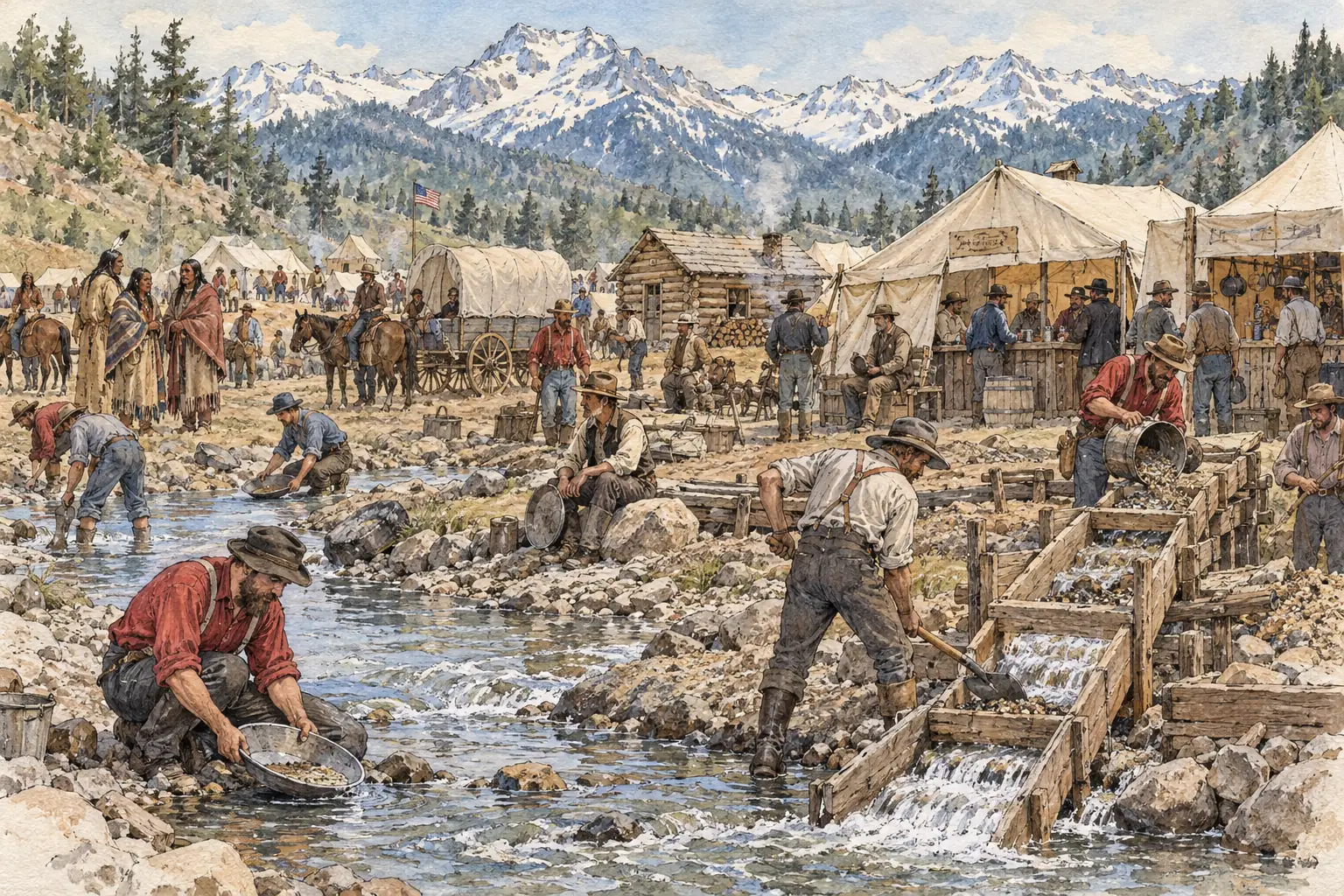
The discovery of minerals such as gold and silver in the mid-19th century sparked the creation of the earliest mining camps on the Great Plains. These settlements formed quickly as prospectors rushed to exploit new finds, but they were often short-lived and rudimentary.
Characteristics of early mining camps
- Rapid establishment - Camps sprang up almost overnight near ore deposits, attracting thousands of miners seeking fortune, with basic structures built from available materials.
- Diverse populations - Inhabitants included adventurers from various backgrounds, leading to a mix of cultures but also social tensions and lawlessness.
- Economic focus - Activities centred on extracting resources, with supporting businesses like saloons and general stores emerging to serve the miners' needs.
Early farming attempts and their challenges
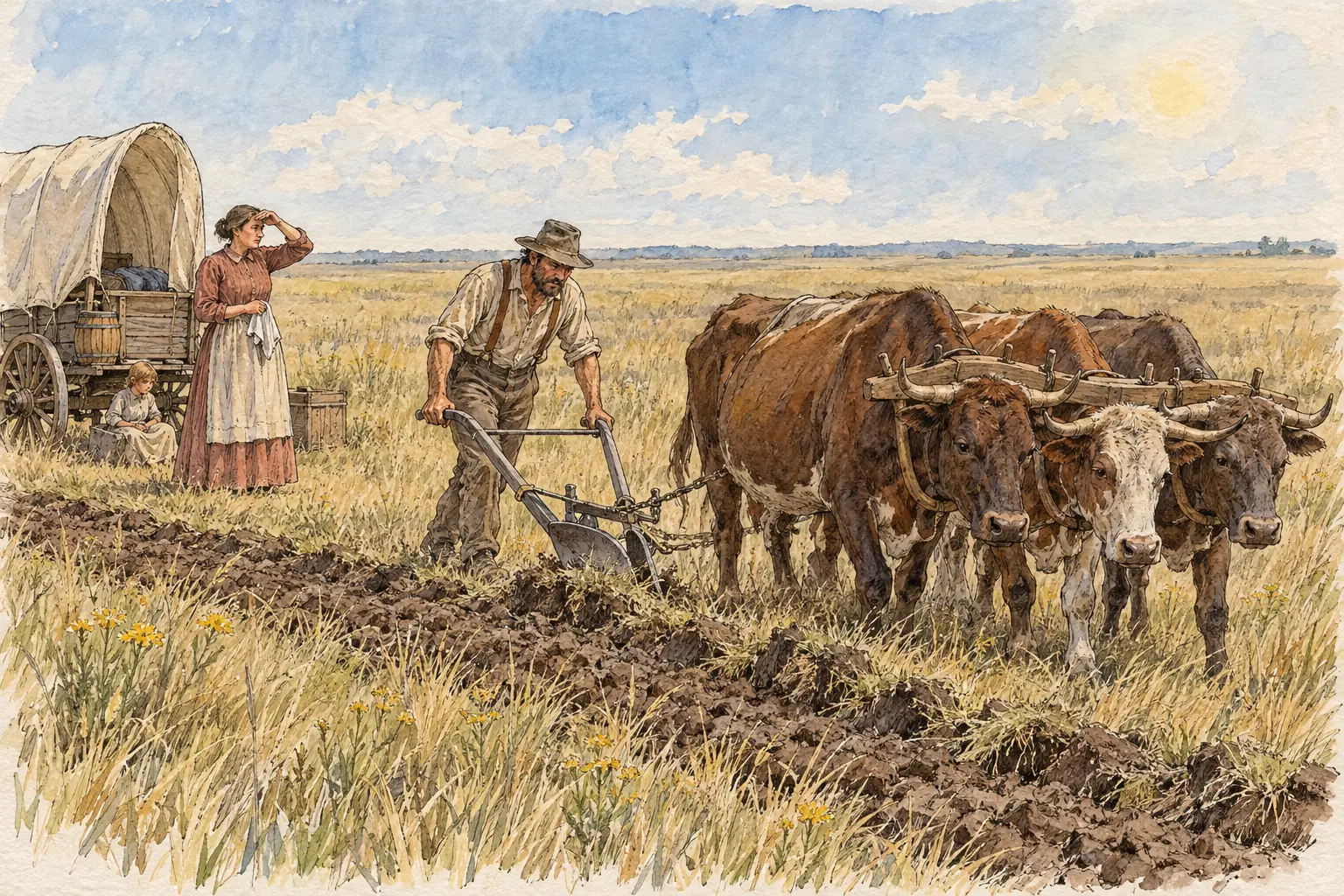
Before the Homestead Act of 1862, small-scale farming efforts on the Plains aimed to cultivate the land for crops and livestock. These attempts were experimental and often unsuccessful due to the unfamiliar terrain and limited technology.
Difficulties in establishing farms
- Breaking the sod - The dense, root-filled soil was hard to plough with basic tools, requiring significant effort to prepare fields for planting.
- Pest infestations - Insects and rodents frequently destroyed crops, adding to the frustration of already struggling farmers.
- Limited crop success - Early settlers tried growing grains and vegetables, but yields were low without advanced methods to handle the soil's toughness.
Environmental and logistical problems
Image 1 of 2: With few rivers or streams, water had to be hauled long distances during summer droughts
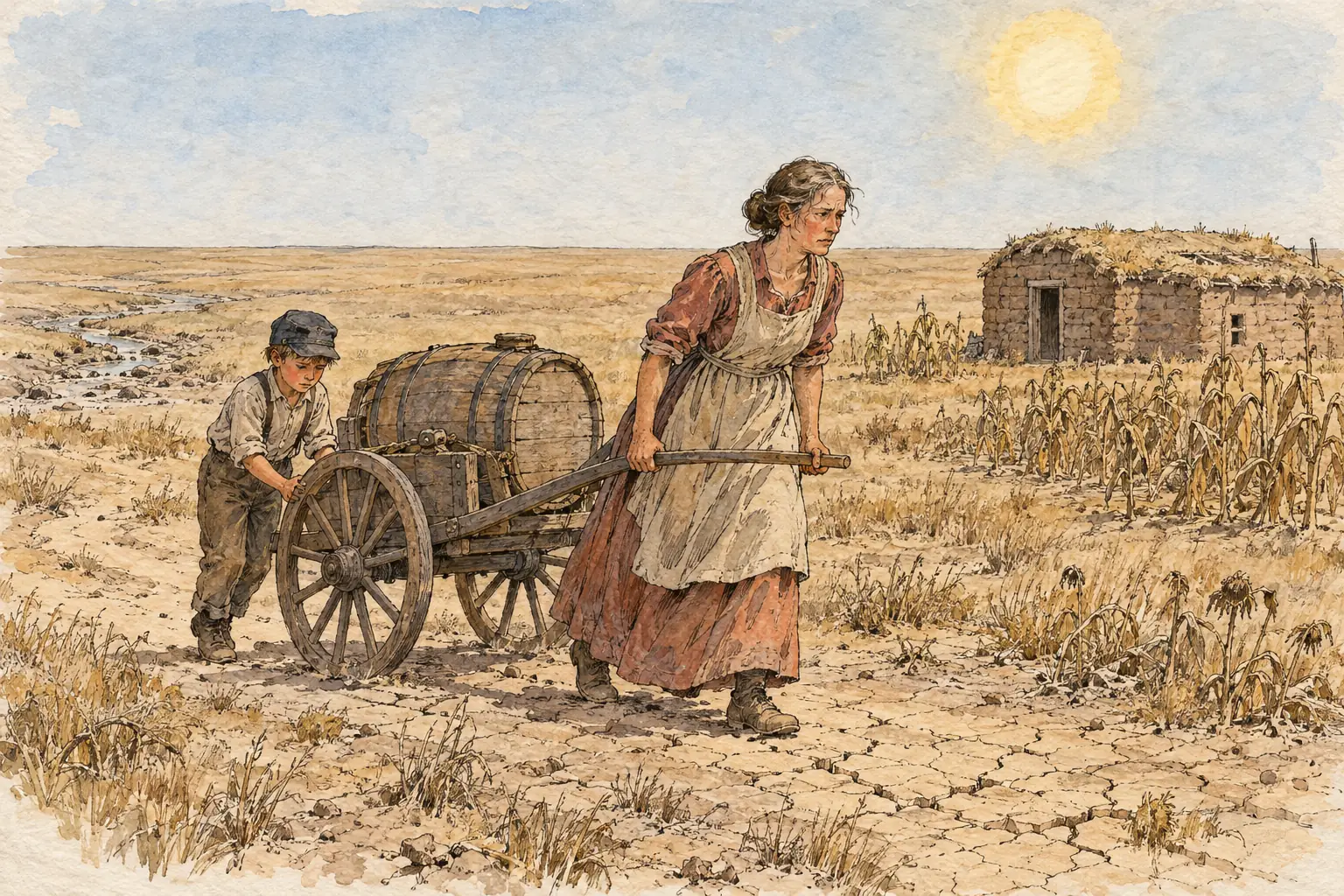
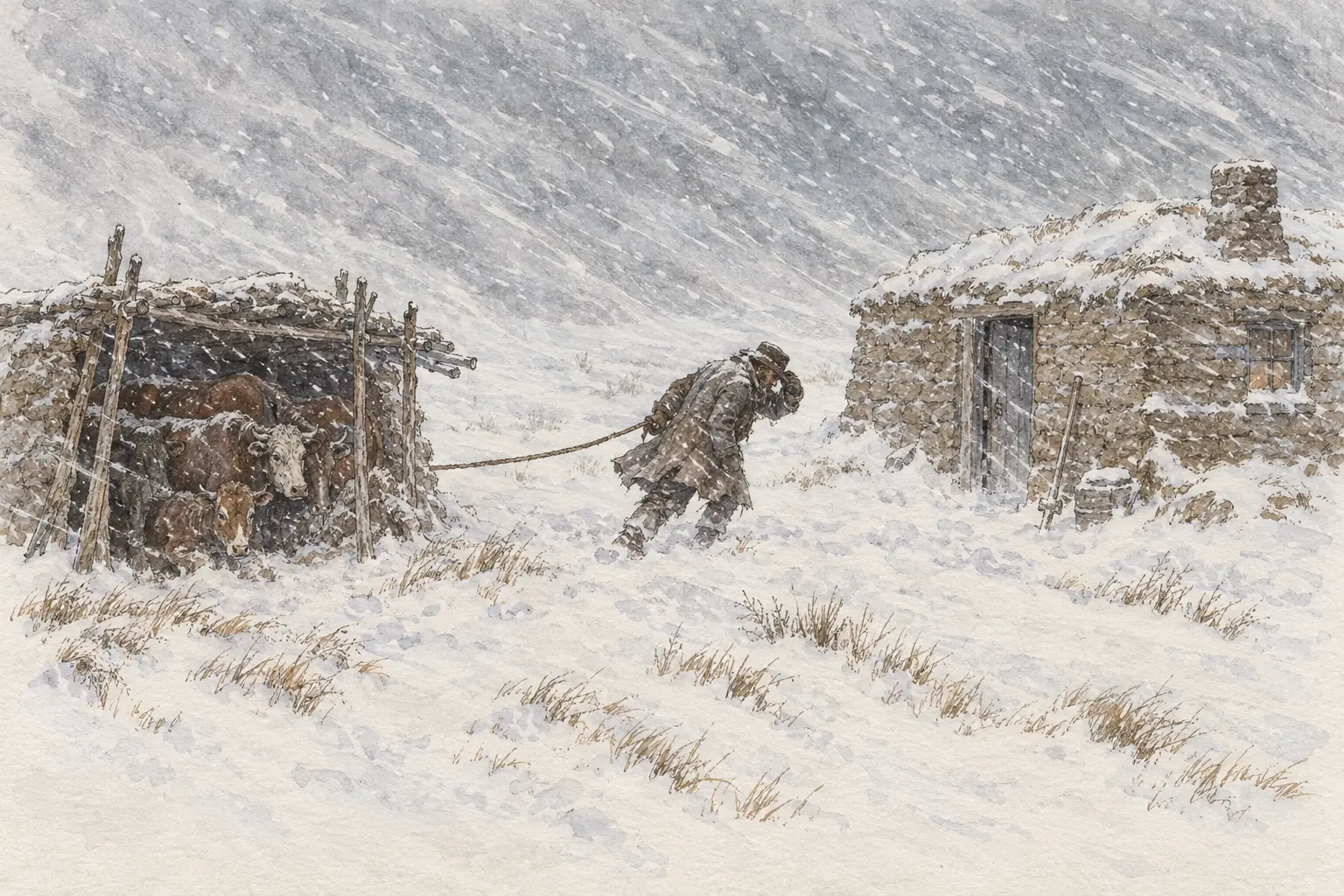
The Great Plains presented a range of natural and practical obstacles that made survival and progress difficult for early inhabitants. These issues stemmed from the region's geography and climate, compounded by the settlers' inexperience.
Major environmental challenges
- Lack of timber - With few trees available, building houses, fences, and fuel sources became problematic, forcing reliance on alternative materials.
- Water scarcity - Rivers and streams were sparse, making irrigation and daily water needs a constant struggle in the arid landscape.
- Climate extremes - Summers brought prolonged droughts that withered plants, while winters delivered fierce blizzards that isolated communities and endangered lives.
Key logistical hurdles
- Isolation from civilisation - Remote locations meant limited access to supplies, medical help, and communication, heightening feelings of loneliness.
- Distance from markets - Transporting goods to sell or buy required long, costly journeys, often making farming economically unviable.
Development of early towns and their issues
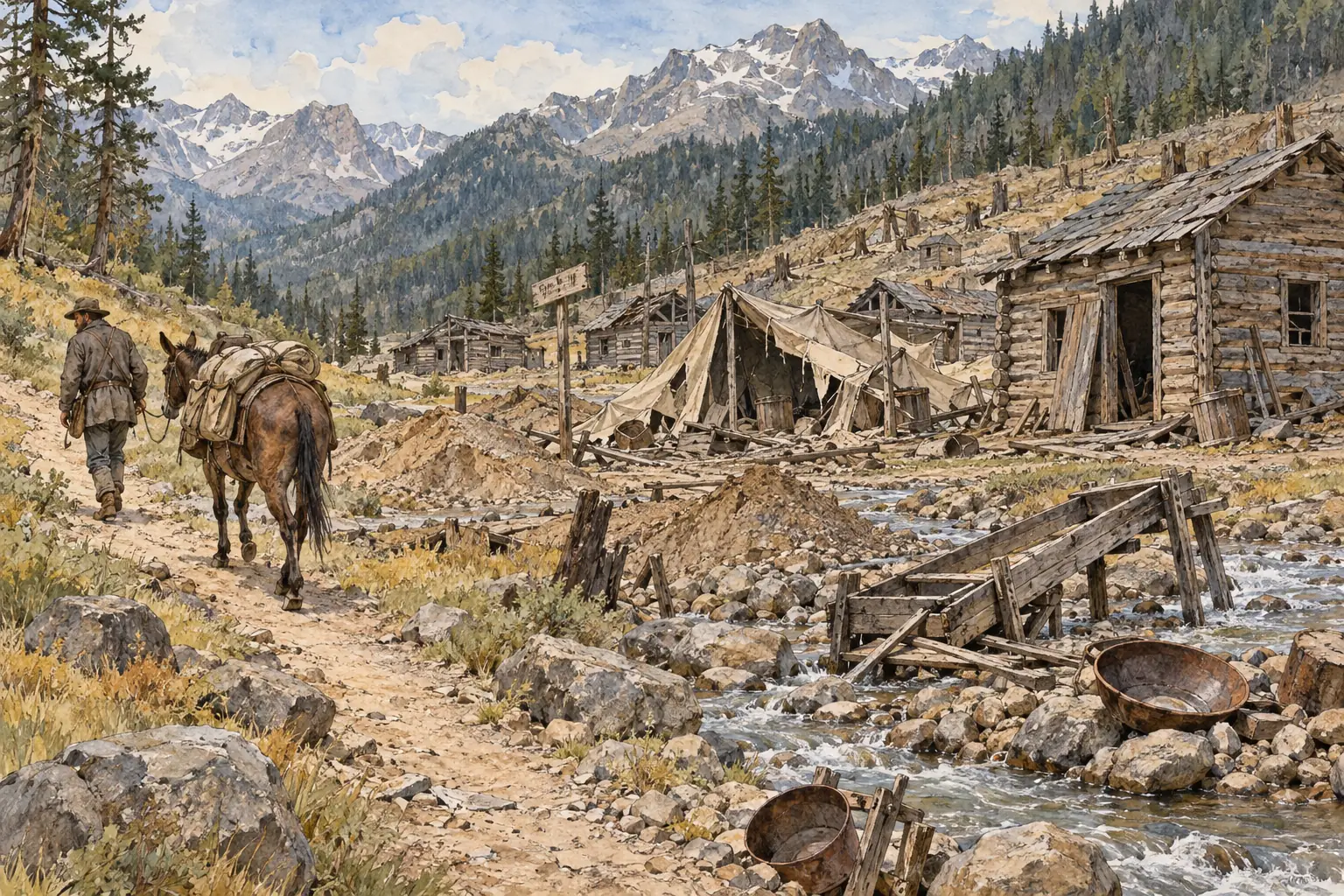
As mining camps grew, some evolved into towns, but their development was unstable. These settlements experienced cycles of rapid growth followed by decline, with governance improvised to maintain order.
Patterns in town growth
- Boom-and-bust cycles - Towns flourished during resource booms but collapsed when minerals depleted, leaving ghost towns and economic ruin.
- Makeshift institutions - Without formal government, residents formed vigilante committees for justice and basic services, which were often ineffective or biased.
Initial solutions relied upon by early settlers
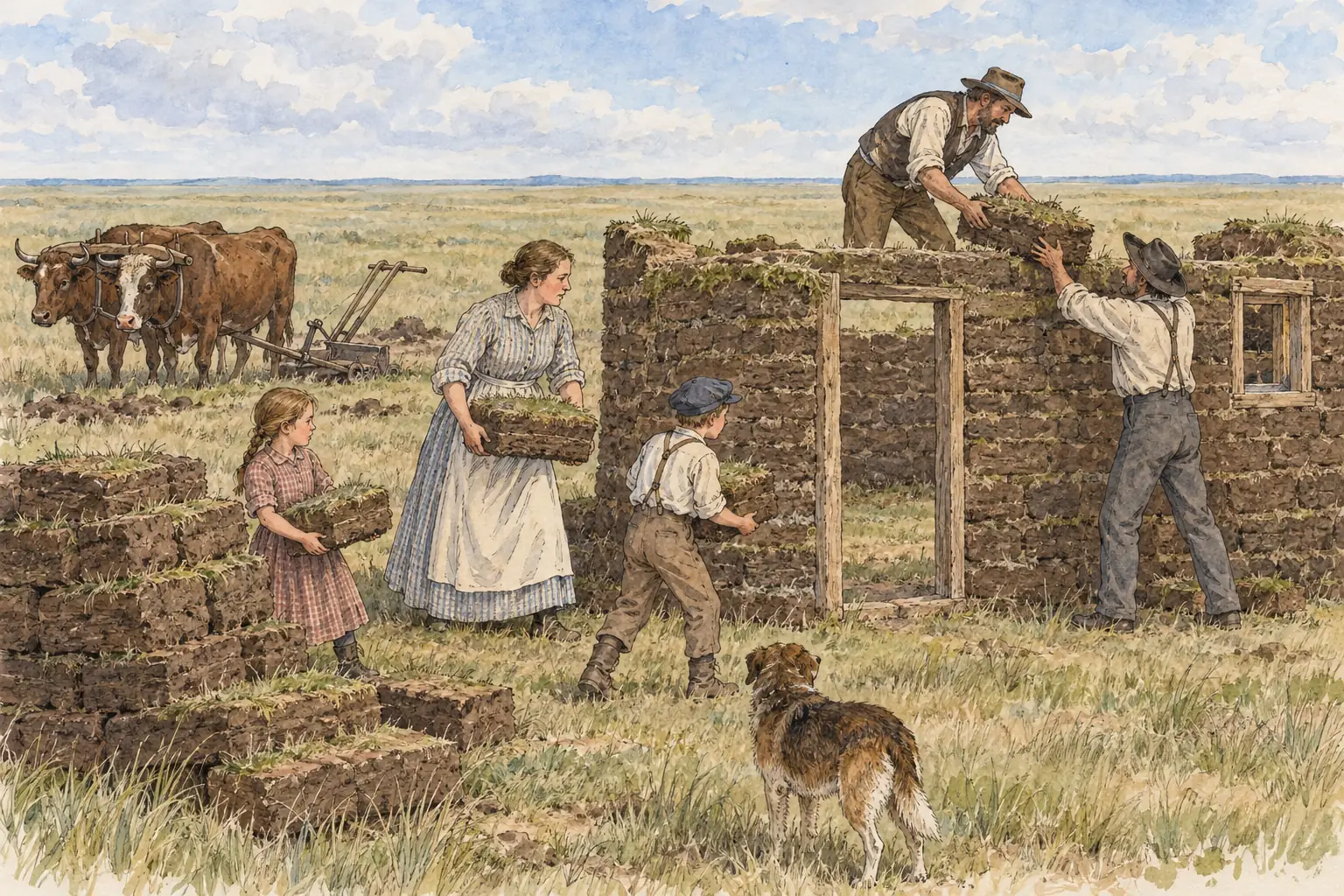
Although advanced inventions like wind pumps and barbed wire came later, pioneers developed basic strategies to cope with the Plains' demands. These relied heavily on ingenuity and mutual aid.
Practical adaptations used by settlers
- Sod houses - Constructed from blocks of earth as a substitute for wood, providing affordable and insulated shelter despite their drawbacks like leaks and insects.
- Limited wells - Hand-dug sources supplied essential water, though they were shallow and prone to drying up during dry spells.
- Community cooperation - Settlers formed groups to share labour, tools, and knowledge, helping each other with tasks like building and harvesting to overcome isolation.