2.2 - Catholic Plots & Walsingham’s Spies
Key facts and dates
Following the 1569 rebellion, Catholic plotters, often supported by foreign powers, aimed to depose Elizabeth and install Mary, Queen of Scots. Sir Francis Walsingham’s intelligence operations played a crucial role in exposing these threats, leading to heightened security measures and eventual action against Mary.
Timeline of key events
- 1571 – Ridolfi Plot uncovered, involving Spanish invasion plans and Elizabeth’s assassination; Duke of Norfolk executed.
- 1583 – Throckmorton Plot discovered, planning French invasion and Catholic uprising; Throckmorton executed and Catholic surveillance increased.
- 1586 – Babington Plot exposed through intercepted letters, directly implicating Mary in treason; plotters executed.
- Throughout 1570s–1580s – Walsingham builds spy network using informants, double agents, and code-breaking experts.
Catholic conspiracies against Elizabeth
After the failed rebellion of 1569, committed Catholic groups persisted in their efforts to remove Elizabeth from the throne, frequently with assistance from abroad. These schemes typically aimed to install Mary, Queen of Scots, as a Catholic alternative, exploiting her claim to the English crown.
Common features of the plots
- Foreign involvement - Many conspiracies relied on backing from Catholic powers like Spain, France, or the Papacy, including plans for invasions or financial support.
- Key objectives - Plotters sought to assassinate Elizabeth, trigger internal uprisings among English Catholics, and free Mary from her imprisonment.
- Government response - Discoveries led to executions, stricter laws against Catholics, and increased paranoia about internal threats, pushing the regime towards harsher policies.
The Ridolfi plot of 1571
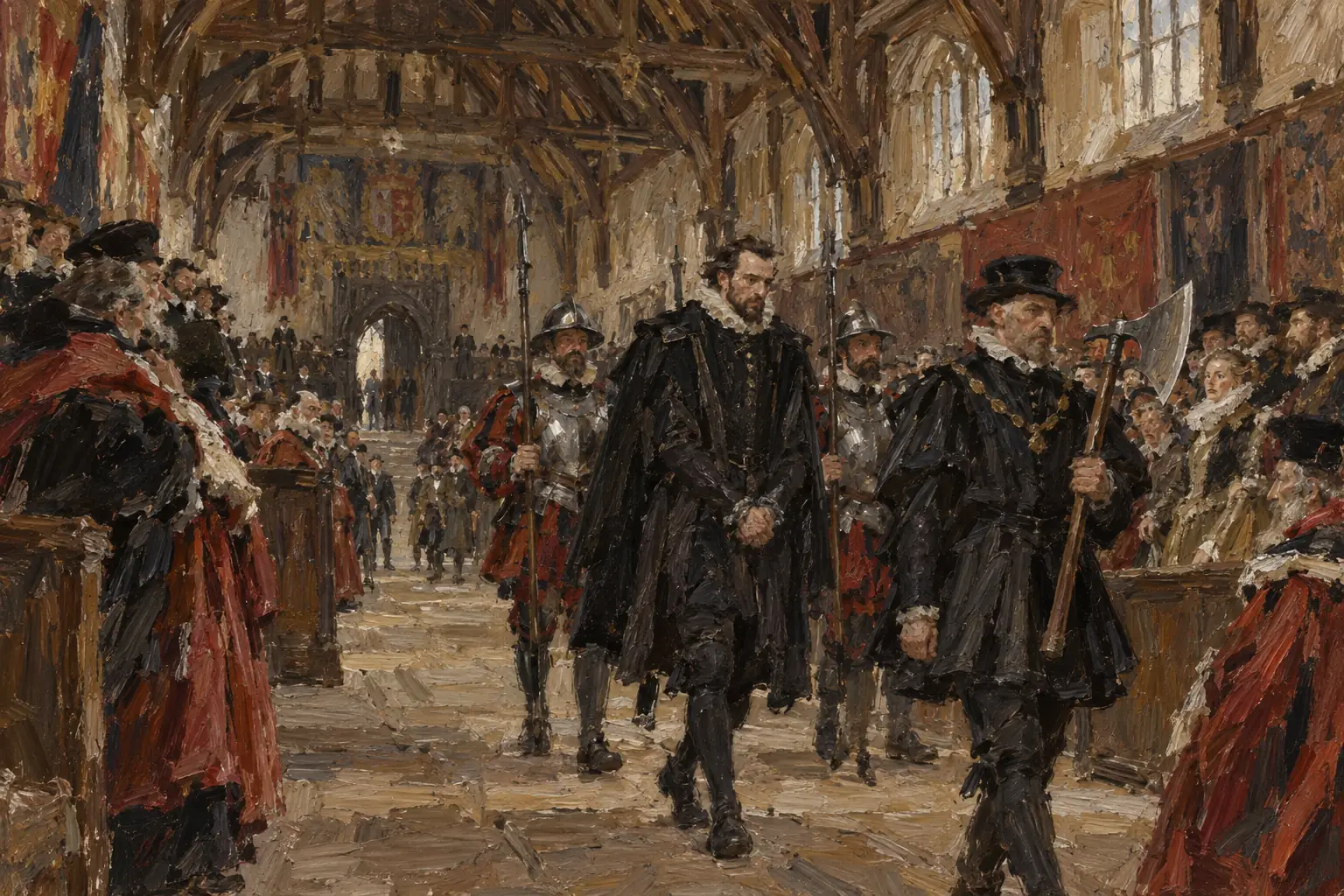
This conspiracy, masterminded by Italian banker Roberto Ridolfi, represented an early major threat to Elizabeth’s rule. It combined foreign military action with domestic betrayal, highlighting the ongoing danger from Catholic factions.
Details of the Ridolfi plot
- Main elements - The plan called for a Spanish army to invade England, the killing of Elizabeth, and Mary's marriage to the Duke of Norfolk to strengthen her position.
- Discovery and outcomes - Walsingham’s emerging network intercepted evidence, leading to Norfolk’s trial and execution for treason; Elizabeth spared Mary despite her suspected involvement, due to lack of direct proof.
- Broader significance - The plot underscored Spain’s Catholic ambitions under King Philip II, even without his full commitment, intensifying fears of external interference.
The Throckmorton plot of 1583
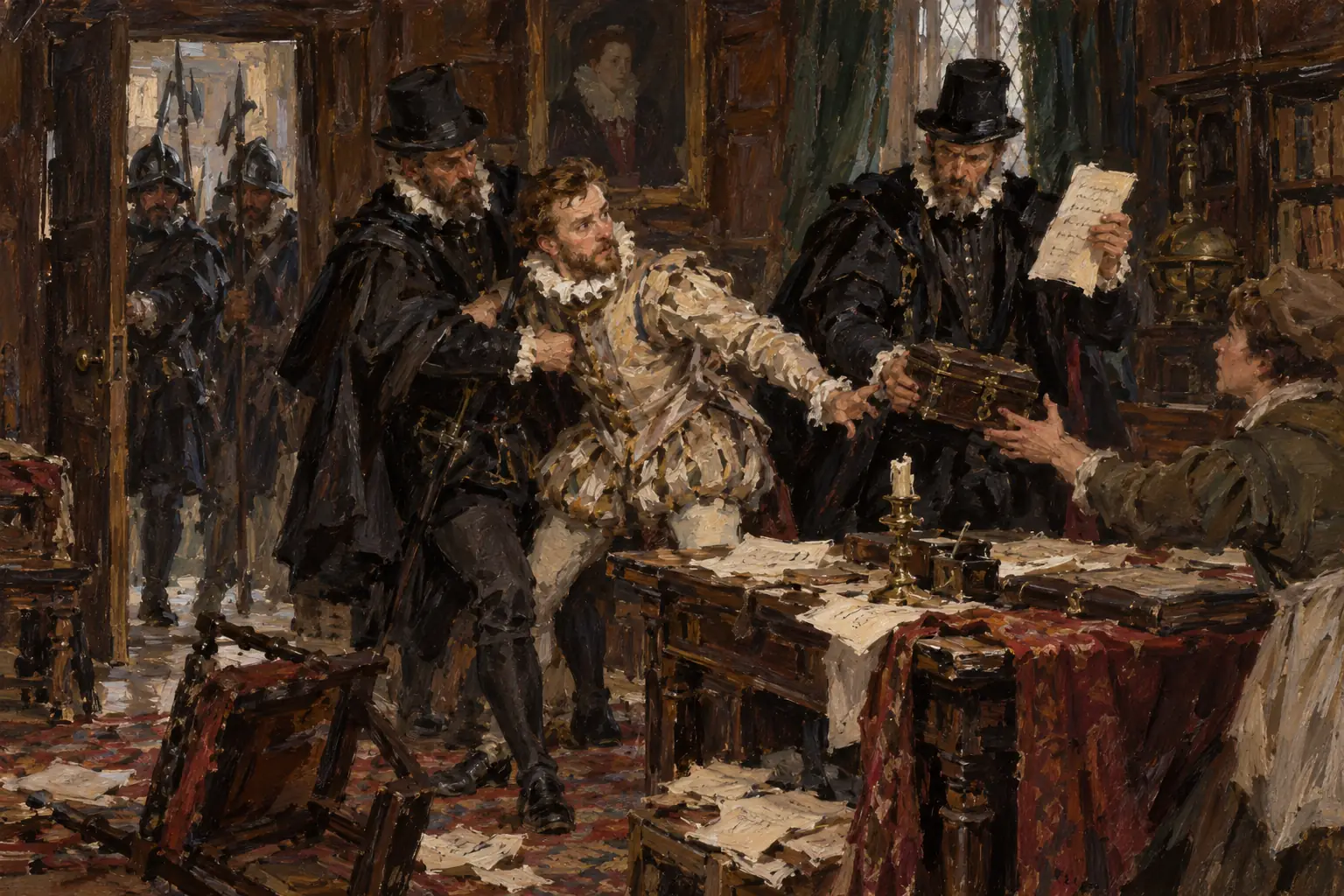
Led by English Catholic Francis Throckmorton, this scheme aimed to coordinate an internal revolt with overseas forces. It reflected growing sophistication among conspirators and prompted a clampdown on suspected sympathisers.
Elements of the Throckmorton plot
- Core plans - An uprising of local Catholics was to coincide with a French invasion, funded by Spain and endorsed by the Pope, to release Mary and re-establish Catholicism.
- Uncovering the conspiracy - Walsingham’s spies arrested Throckmorton, seizing documents that named English Catholic nobles as potential allies; Throckmorton was executed.
- Government reactions - The revelations led to surveillance of Catholics, house arrests, and new laws making it a capital crime to harbour priests, signalling heightened fears of domestic disloyalty.
The Babington plot of 1586
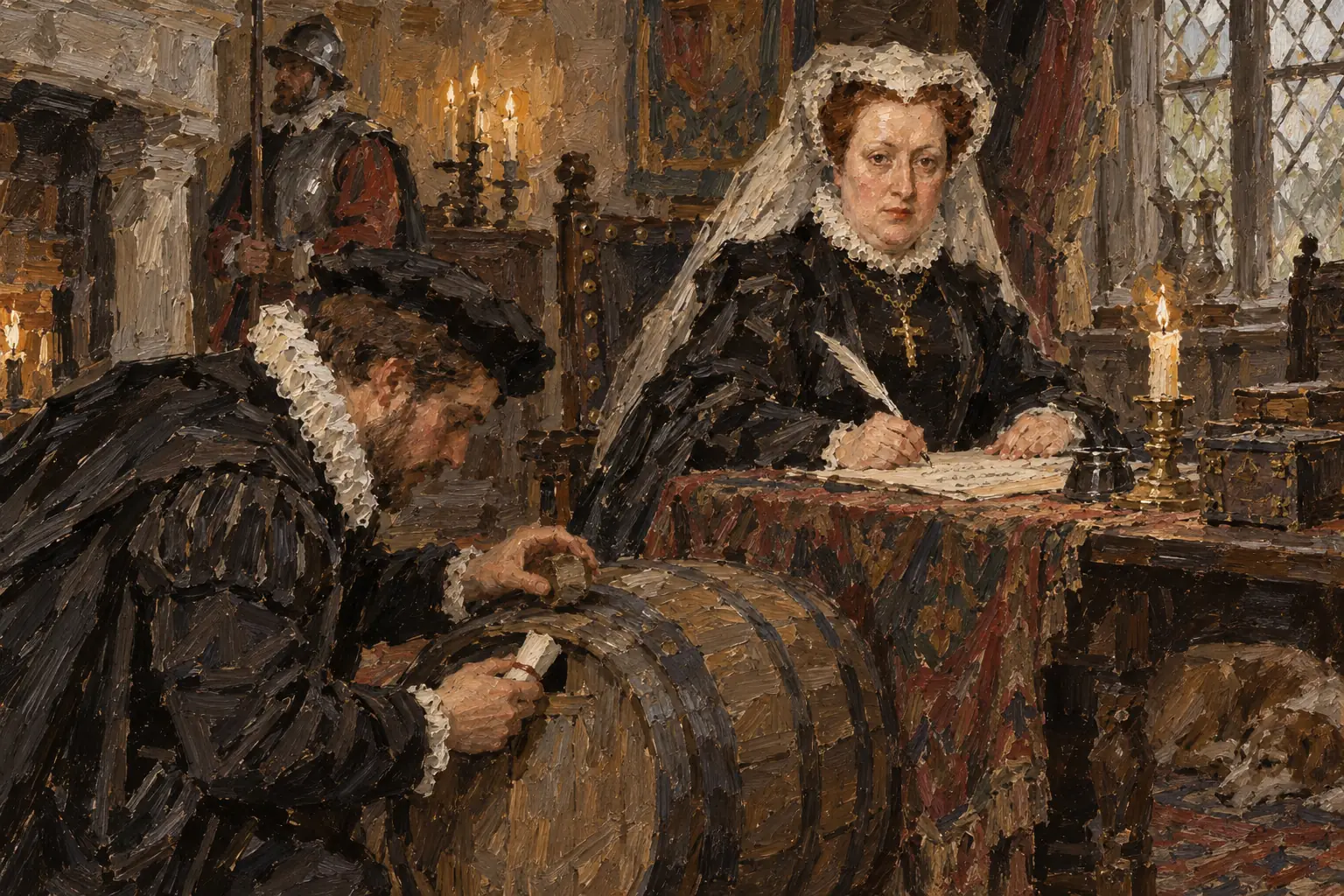
The most notorious of the conspiracies, this plot directly involved Mary, Queen of Scots, through secret communications. It provided conclusive evidence of her role in treasonous activities.
Key aspects of the Babington plot
- Plot structure - Catholic gentleman Anthony Babington organised Elizabeth’s assassination and a Catholic rebellion, expecting Spanish aid.
- Mary’s involvement - Babington exchanged encrypted letters with Mary, who was under strict confinement, seeking her endorsement; her responses supported the scheme.
- Exposure and executions - Walsingham’s agents intercepted and decoded the messages, arresting Babington and his group for execution; the evidence finally proved Mary’s guilt.
Walsingham’s spy network and its impact
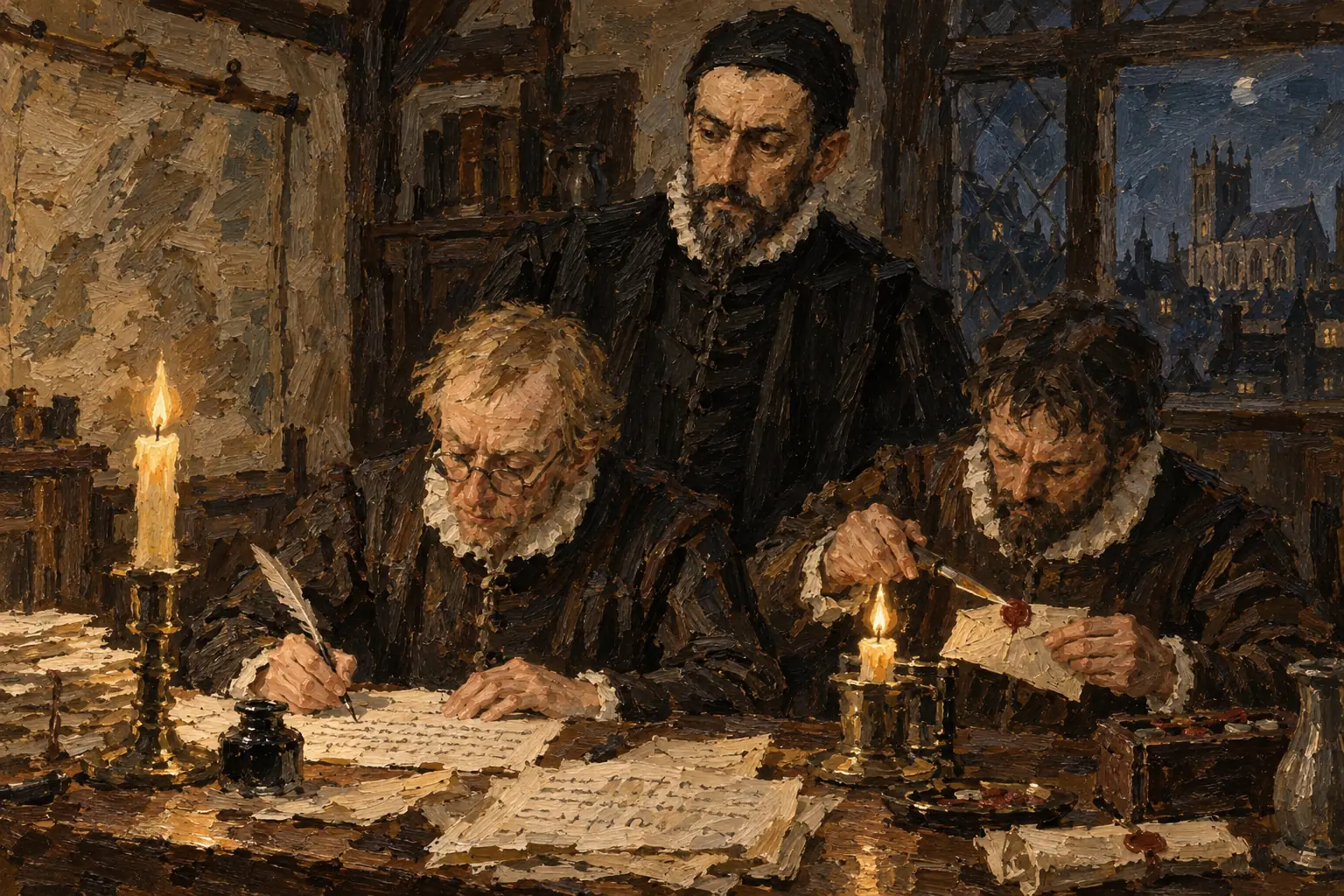
As Elizabeth’s Principal Secretary, Sir Francis Walsingham developed a sophisticated intelligence system to counter Catholic threats. This network was instrumental in dismantling multiple plots and shaping royal policy.
Methods used in Walsingham’s spy network
- Intelligence tactics - Employed double agents, paid informants, and experts in deciphering codes to monitor suspects and intercept letters.
- Effectiveness in plots - Crucial in exposing Ridolfi, Throckmorton, and especially Babington through letter interception, preventing any successful execution.
- Long-term consequences - The network’s successes convinced Parliament and the Privy Council that Mary posed an irreversible danger, building pressure for her trial and execution to secure Elizabeth’s safety.