2.3 - Execution of Mary, Queen of Scots
Key facts and dates
The execution of Mary, Queen of Scots in 1587 marked a critical turning point in Elizabethan England, eliminating a key Catholic threat but escalating tensions with Catholic Europe. This event stemmed from years of plots and imprisonment, culminating in heightened conflict between Protestant and Catholic powers.
Timeline of key events
- 1568 – Mary flees to England after abdicating the Scottish throne, beginning nearly two decades of imprisonment.
- 1586 – Babington Plot uncovered, providing evidence of Mary's involvement in plans to assassinate Elizabeth I.
- 8 February 1587 – Mary executed by beheading at Fotheringhay Castle, following Elizabeth's reluctant signing of the death warrant.
- Post-1587 – Execution fuels outrage across Catholic Europe, strengthening Philip II of Spain's resolve for invasion.
Events leading to Mary's execution
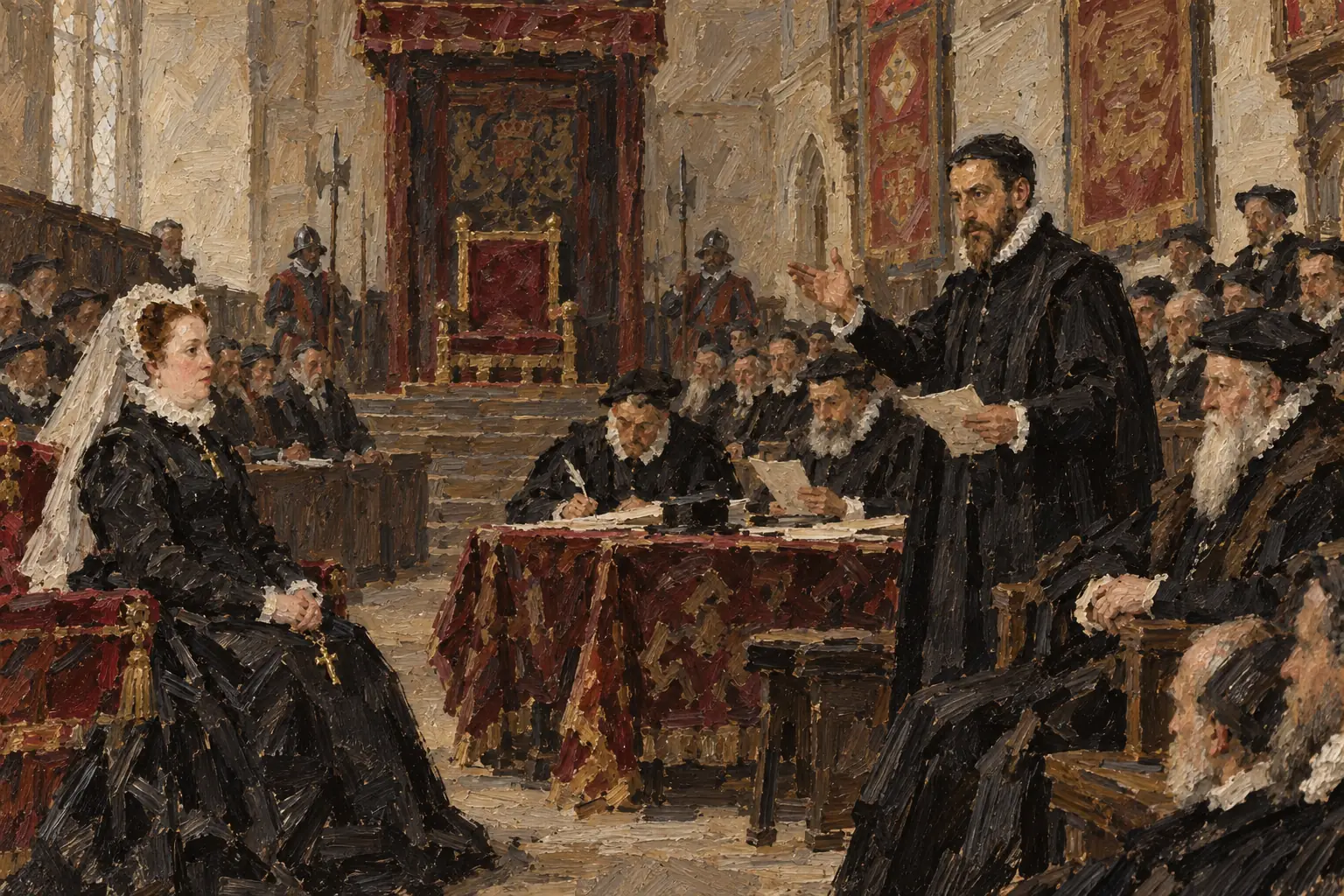
Mary, Queen of Scots spent almost 20 years imprisoned in England after fleeing Scotland in 1568. During this time, she became a focal point for Catholic opposition to Elizabeth I's Protestant rule, involvement in various plots ultimately sealing her fate.
Key factors contributing to the decision for execution
- Long-term imprisonment and political intrigue - Mary's presence in England made her a symbol for Catholic discontent, as she was Elizabeth's cousin and a potential successor with strong claims to the throne.
- Involvement in Catholic plots - Mary was linked to several conspiracies aimed at overthrowing Elizabeth, with Catholic nobles and foreign powers viewing her as an alternative monarch.
- The Babington Plot (1586) - This scheme provided undeniable evidence that Mary had approved plans for Elizabeth's assassination, leaving little room for leniency.
- Pressure on Elizabeth - Advisors urged action to eliminate the threat, leading Elizabeth to sign the death warrant despite her hesitation, as Mary's continued existence posed a risk to national security.
The execution and its immediate domestic impact
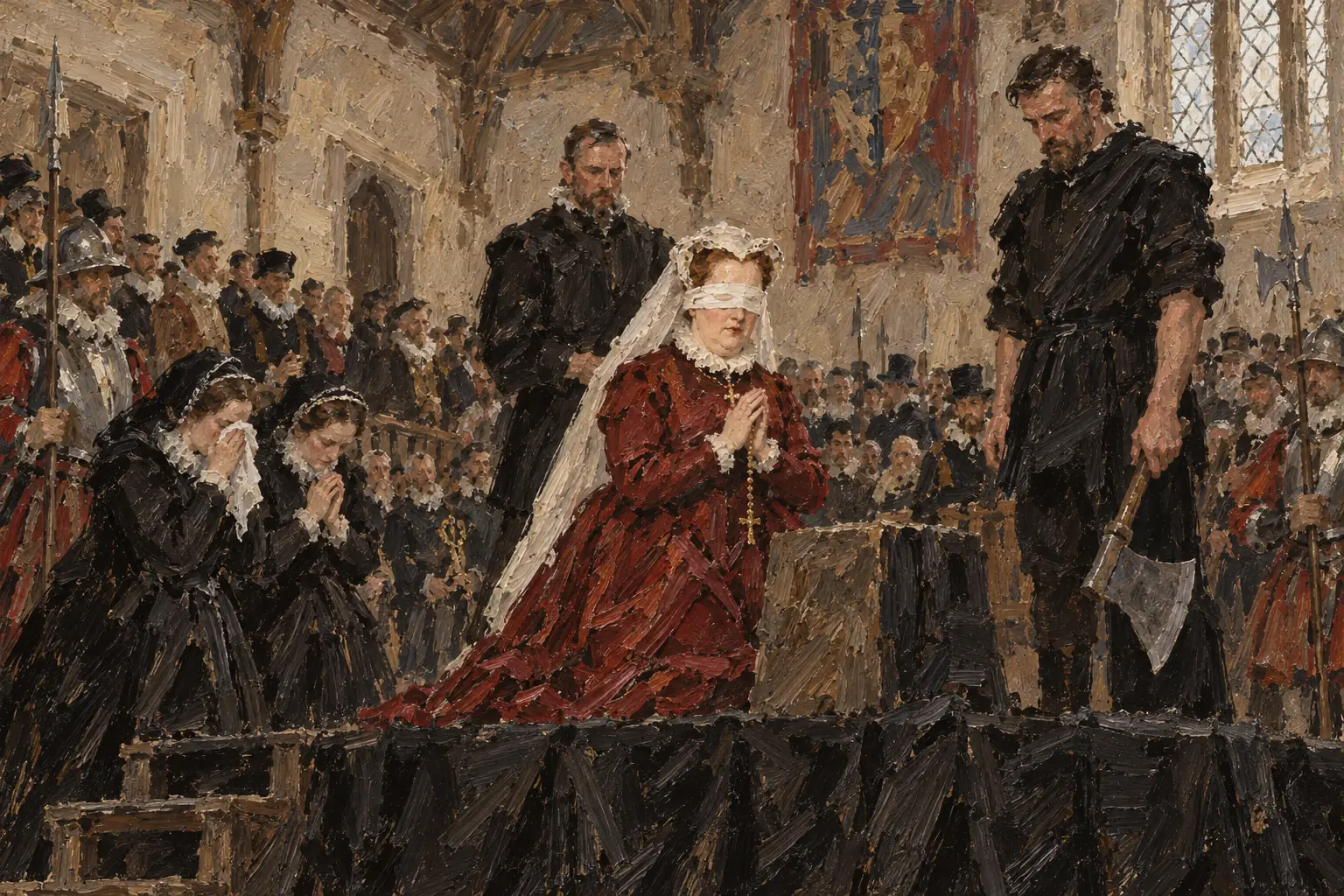
The execution occurred on 8 February 1587 at Fotheringhay Castle, where Mary was beheaded for treason. This act removed a major internal danger to Elizabeth's reign, altering the landscape of Catholic resistance within England.
Details of the execution and its effects in England
- Process of execution - Mary faced her death as a convicted traitor, maintaining her composure and framing herself as a Catholic martyr during the proceedings.
- Elimination of a Catholic figurehead - With Mary gone, there was no prominent alternative claimant to rally around, reducing the potential for internal rebellions by discontented nobles.
- Strengthening of Elizabeth's throne - The removal of this threat enhanced the security of Protestant rule, as English Catholics lost a key symbol of hope for replacing Elizabeth.
- Persistence of some threats - Although domestic Catholic plots diminished, they did not cease entirely, with lingering unrest among supporters.
International repercussions of the execution
Mary's death as an anointed monarch and Elizabeth's cousin provoked widespread shock and anger across Europe, particularly among Catholic leaders. This reaction intensified existing tensions and contributed to escalating conflicts.
Responses from Catholic Europe
- Outrage from rulers - Philip II of Spain, Mary's former brother-in-law, saw the execution as a grave insult, bolstering his motivations for retaliation against England.
- Papal and Catholic condemnation - The Pope and wider Catholic community regarded Mary as a martyr, inspiring greater solidarity against Protestant England.
- Push towards open conflict - While Philip had already been planning an invasion partly due to Mary's situation, her execution provided a stronger pretext, accelerating preparations for war.
- Broader European impact - The event highlighted the deepening divide between Protestant and Catholic powers, setting the stage for an international confrontation.
Elizabeth's response and the broader significance
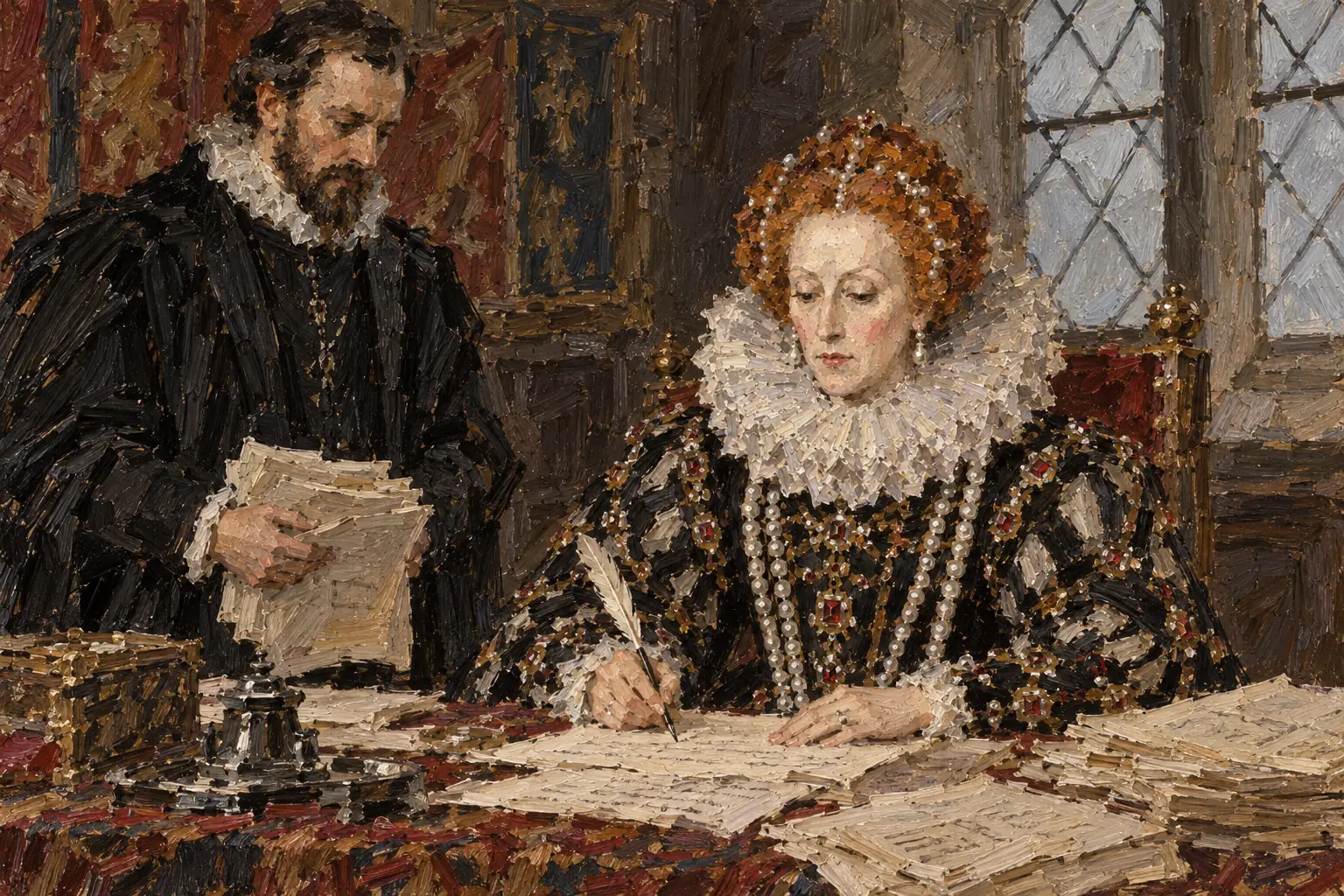
Elizabeth publicly expressed regret over the execution, using it as a means to distance herself from the decision while acknowledging its necessity. This event represented a pivotal moment in Elizabethan history, balancing internal stability against external risks.
Elizabeth's handling of the aftermath
- Public regret and scapegoating - Elizabeth claimed sorrow for Mary's death and imprisoned her secretary, William Davison, blaming him for sending the warrant without full authorisation.
- Private acknowledgement of necessity - In reality, Elizabeth and her council recognised the execution as essential for England's protection against Catholic threats.
- Turning point in relations with Spain - The act neutralised the highest-level domestic Catholic danger but paved the way for a major clash with Catholic Spain, marking a shift from internal to international challenges.