4.2 - Law Enforcement & Punishment
Key facts and dates
Law enforcement and punishment in modern Britain underwent significant transformations after 1900, with policing becoming more professional and technology-driven, while punishment shifted towards rehabilitation and away from capital measures. These changes reflected evolving societal views on crime, justice, and prevention.
Timeline of key events
- 1901 – First fingerprint bureau established, marking the start of forensic specialisation in policing.
- 1902 – Opening of the first Borstal institution for young offenders, focusing on rehabilitation.
- 1907 – Introduction of probation as a non-custodial alternative to imprisonment.
- 1930s – Adoption of two-way radios, enhancing police communication and response times.
- 1965 – Suspension of capital punishment for murder, leading to its permanent abolition in 1969.
- 1970s – Community service orders introduced, requiring offenders to perform unpaid work.
- 1982 – Launch of Neighbourhood Watch schemes, promoting public cooperation in crime prevention.
- 1980s – First use of forensic DNA testing and expansion of CCTV cameras for crime detection.
Specialised policing units and technology
Image 1 of 2: The first fingerprint bureau, set up in 1901, began the use of forensic science in British policing
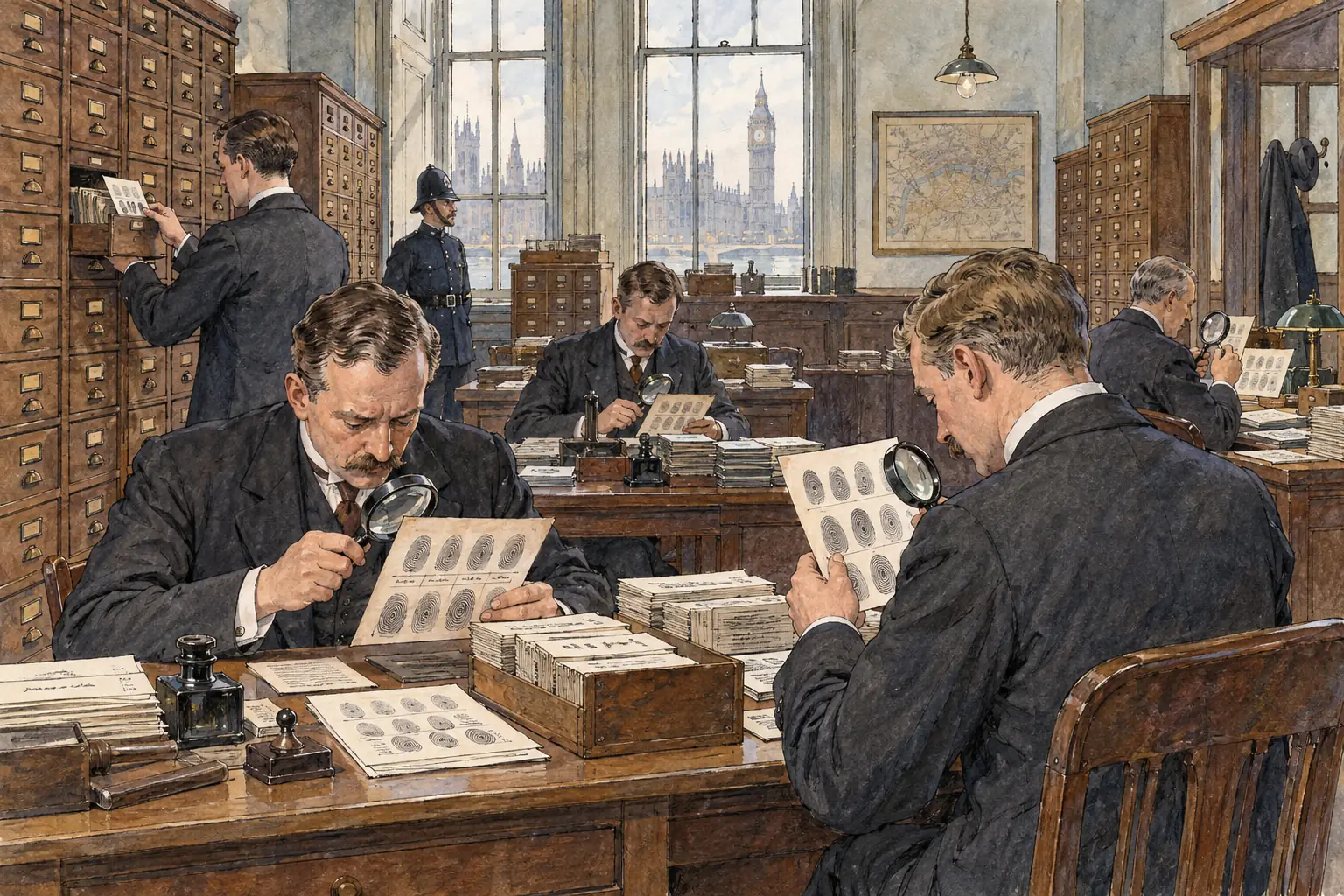

Policing in modern Britain evolved significantly after 1900, becoming more advanced and targeted as crime patterns grew more complex. Forces adapted by creating dedicated units with expertise in specific areas, while embracing technological innovations to improve efficiency in detecting and preventing offences.
Specialised units in modern policing
- Forensic and detective branches - Early developments included fingerprint bureaus and science laboratories, which expanded to handle evidence analysis; later units focused on fraud, drugs, anti-terrorism, canine handling, and cybercrime, each equipped with tailored techniques for investigation.
- Technological advancements - Innovations such as the 999 emergency number and two-way radios improved rapid response; further progress included CCTV cameras for surveillance, forensic DNA testing to link suspects to scenes, and computer databases for storing and accessing criminal records, all enhancing accuracy and speed in law enforcement.
Community involvement and crime prevention

A key shift in modern policing emphasised collaboration with the public and proactive measures to stop crime before it occurs. This approach recognised that effective law enforcement requires shared responsibility, moving away from purely reactive methods.
Methods of community engagement
- Neighbourhood Watch schemes - Initiated in 1982, these programmes encourage residents to monitor their areas for suspicious behaviour and report it to police, fostering local vigilance and reducing opportunities for crime.
- Focus on prevention - Strategies include high-visibility patrols to deter potential offenders, outreach programmes for young people to address root causes, and ongoing CCTV monitoring to identify risks early, promoting a safer environment through anticipation rather than response.
Abolition of the death penalty
One of the most profound changes in punishment was the end of capital punishment, reflecting a broader move towards humane and proportionate justice. This marked a departure from earlier eras where execution was common for serious crimes.
Key stages in abolishing capital punishment
- Suspension and abolition - Capital punishment for murder was suspended in 1965 and fully abolished in 1969; by the 1990s, it was removed for all offences, replacing it with life imprisonment as the harshest sentence.
- Shift in penal philosophy - This change highlighted growing beliefs in rehabilitation over retribution, influenced by debates on the ethics and effectiveness of the death penalty in deterring crime.
Prison reforms and treatment of young offenders
Image 1 of 2: From 1902 Borstals gave young offenders education and training in a trade
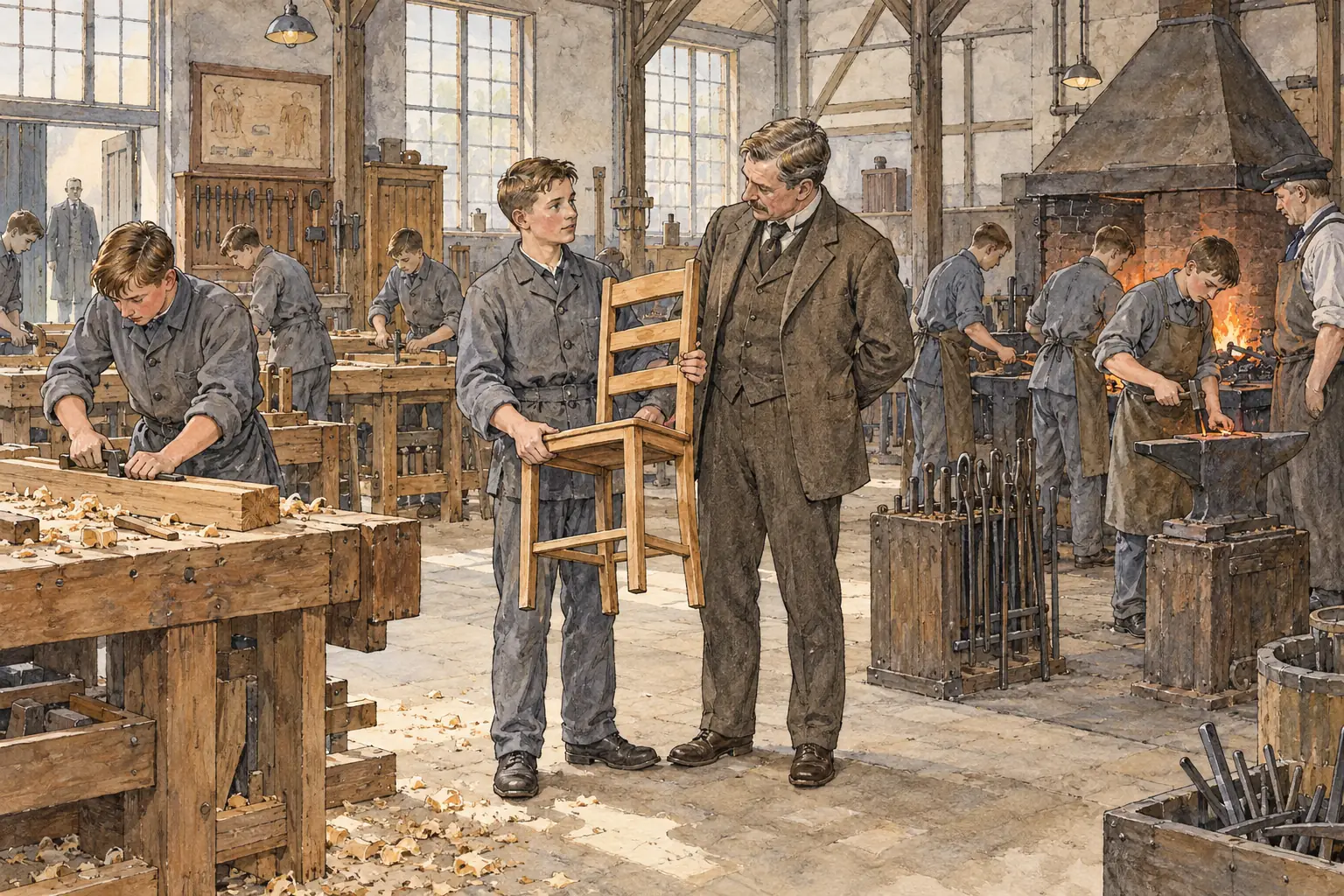
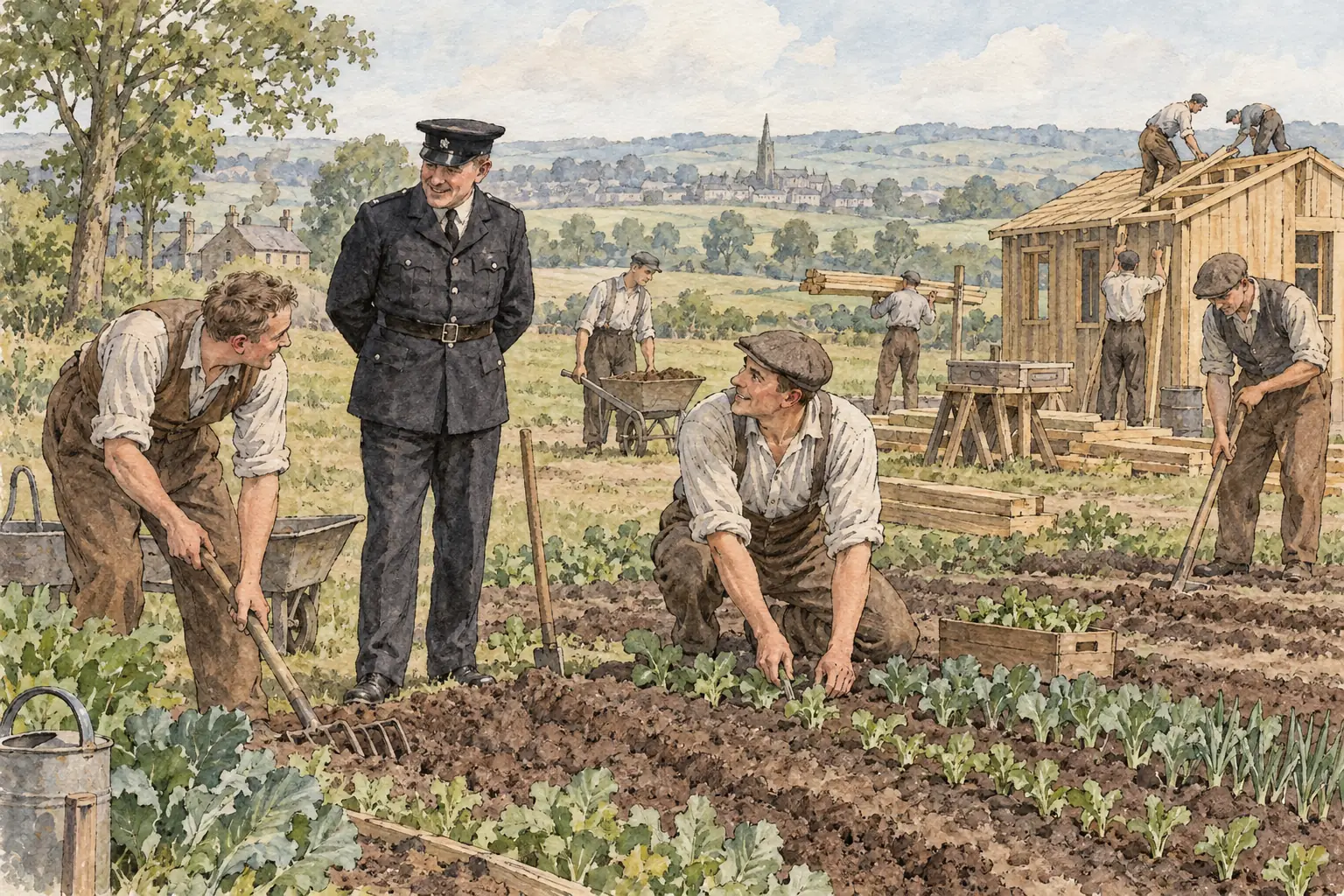
The prison system in modern Britain has been reformed to prioritise rehabilitation and reintegration, with adaptations for different offender types. Special attention has been given to young people, acknowledging their need for distinct handling to encourage positive development.
Changes to imprisonment and youth justice
- Open prisons - These lower-security facilities emerged for low-risk inmates, allowing greater freedom and activities to prepare them for life outside, focusing on skills and behaviour improvement.
- Treatment of young offenders - Reforms included separate juvenile courts and detention centres; the Borstal system, starting in 1902, provided education and training, later evolving into youth custody centres that emphasise reform over punishment.
Growth of non-custodial punishments
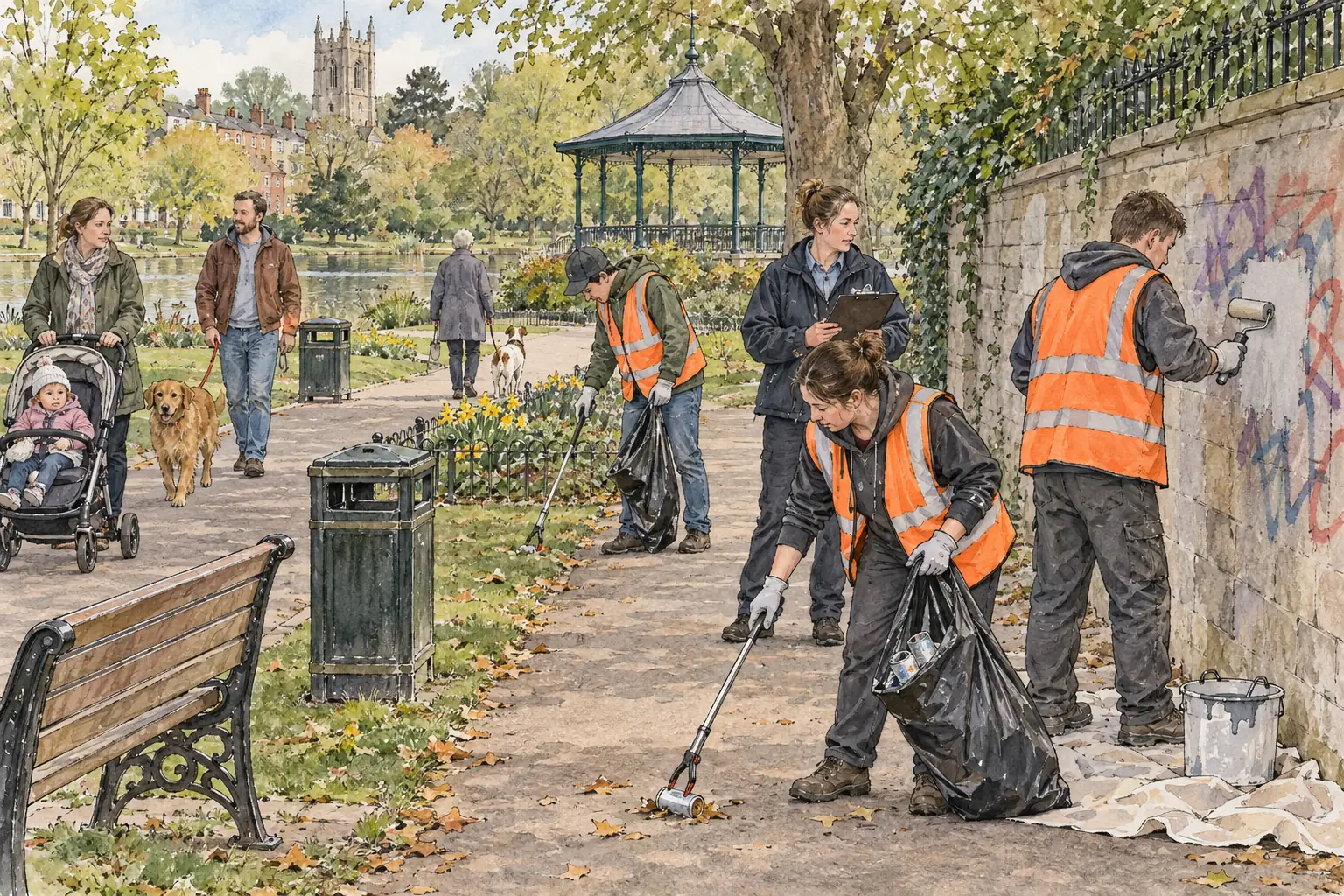
To address overcrowding and promote rehabilitation for less serious offences, non-custodial options expanded, allowing offenders to remain in the community while serving sentences. These alternatives reflect a belief that incarceration is not always the most effective response.
Examples of non-custodial alternatives
- Probation - Introduced in 1907, this involves supervised community living with guidance to encourage reform, avoiding the negative impacts of prison.
- Community service orders - From the 1970s, offenders perform unpaid work benefiting society, such as environmental clean-ups, as a way to make amends.
- Parole and monitoring - Early release from prison under strict conditions promotes good behaviour; modern tools like electronic tagging and curfews enable oversight without full imprisonment, tailoring punishment to the individual's circumstances.