3.1 - Détente in the 1970s
Key facts and dates
The 1970s marked a phase of détente between the superpowers, where the United States and the Soviet Union sought to ease Cold War tensions through diplomacy and arms control. This period was driven by shared concerns over nuclear risks and economic pressures, leading to key agreements that fostered temporary cooperation.
Timeline of key events
- Early 1970s – Détente emerges as both superpowers face high arms race costs and domestic economic issues.
- 1972 – SALT I signed, limiting intercontinental ballistic missiles and anti-ballistic missile sites.
- 1975 – Helsinki Accords agreed by 35 nations, covering security, cooperation, and human rights.
- 1979 – SALT II initialled, proposing further limits on nuclear weapons, but not ratified due to Soviet invasion of Afghanistan.
The meaning and emergence of détente

Détente refers to the easing of strained relations between the United States and the Soviet Union during the 1970s. This period saw both superpowers engaging in dialogue and agreements to reduce the risk of conflict, influenced by several pressing factors.
Factors leading to détente
- Economic burdens - The enormous expense of maintaining vast nuclear arsenals strained national budgets, prompting a need for cost-saving measures.
- Domestic challenges - Internal economic difficulties in both countries encouraged leaders to prioritise stability over escalation.
- Fear of nuclear conflict - The mutual recognition of the devastating potential of atomic warfare motivated efforts to prevent accidental or deliberate confrontations.
The SALT I agreement and its significance
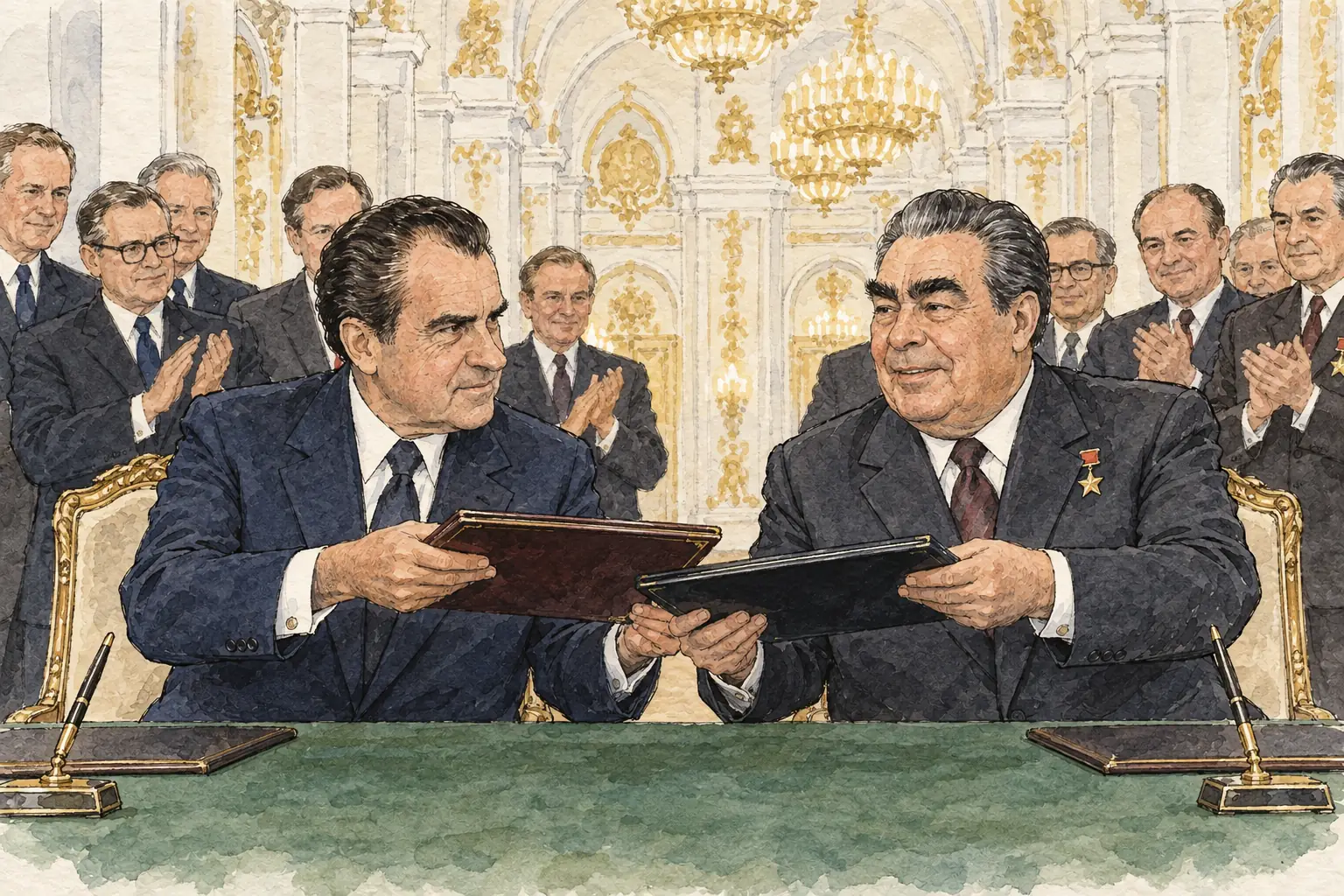
The Strategic Arms Limitation Treaty (SALT I), signed in 1972, represented a major step in arms control between the superpowers. It aimed to curb the expansion of nuclear capabilities, marking a shift towards regulated competition rather than unchecked buildup.
Key provisions of SALT I
- Limits on missiles - Both sides agreed to cap the number of intercontinental ballistic missiles and submarine-launched ballistic missiles.
- Restrictions on defences - Each nation was permitted only two sites for anti-ballistic missile systems, reducing the incentive for defensive arms races.
- Broader impact - As the first treaty to impose concrete restrictions on nuclear stockpiles, SALT I promoted mutual trust and demonstrated a shared commitment to global security.
The Helsinki Accords and their main provisions
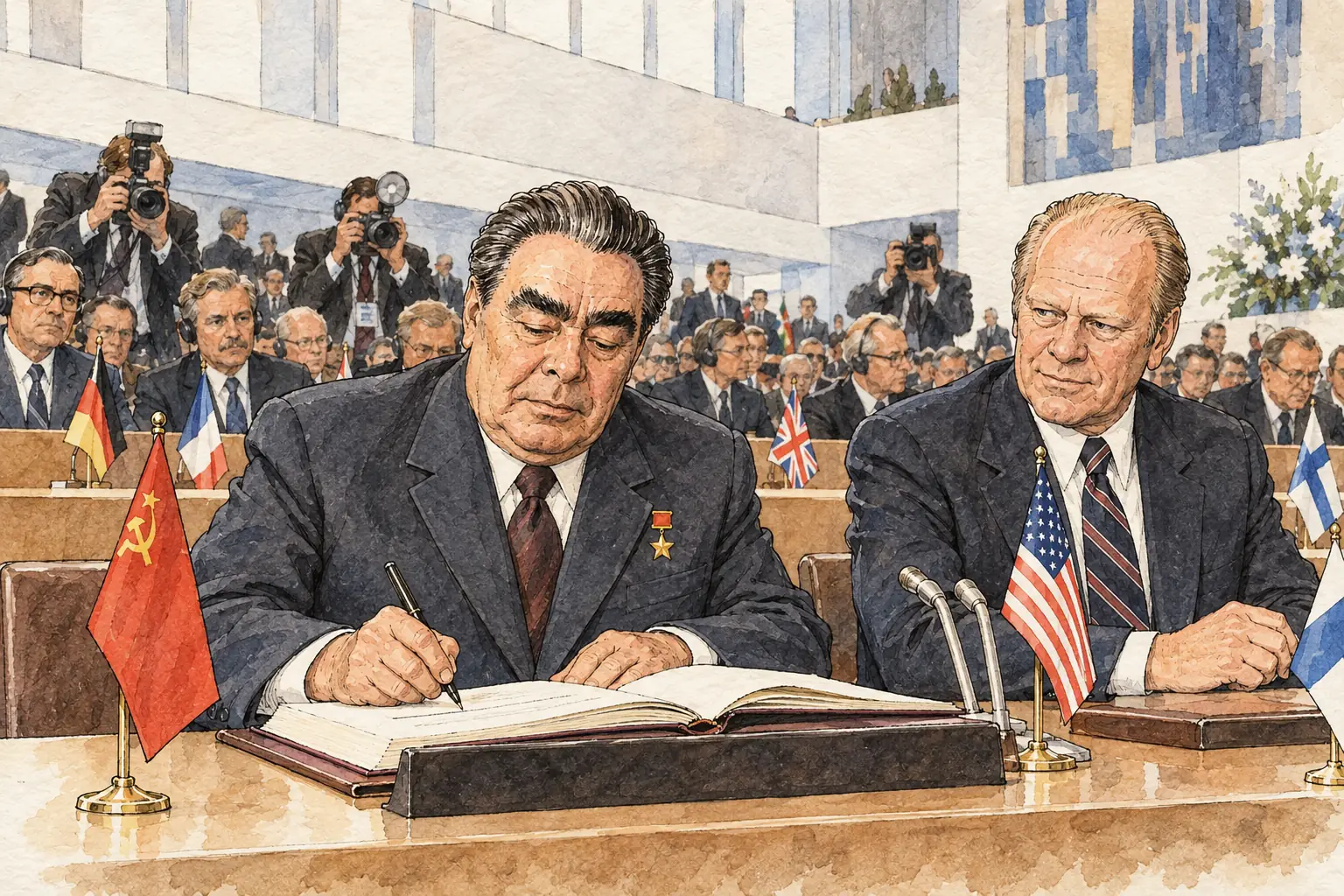
The Helsinki Accords, signed in 1975 by 35 countries including the United States and the Soviet Union, were a cornerstone of détente. These agreements addressed multiple areas of East-West relations, fostering greater stability and interaction across the Iron Curtain.
Main baskets of the Helsinki Accords
- Security commitments - Borders in Europe were officially recognised, confirming Soviet territorial expansions and the permanent division of Germany.
- Cooperation initiatives - Nations pledged to enhance exchanges in economic activities, scientific research, and cultural programmes between Eastern and Western blocs.
- Human rights pledges - All signatories agreed to uphold fundamental freedoms, though the Soviet Union often disregarded these domestically, leading to ongoing Western criticism.
- Overall significance - The accords enhanced confidence and collaboration, representing a peak in superpower relations despite later violations.
SALT II negotiations and non-ratification
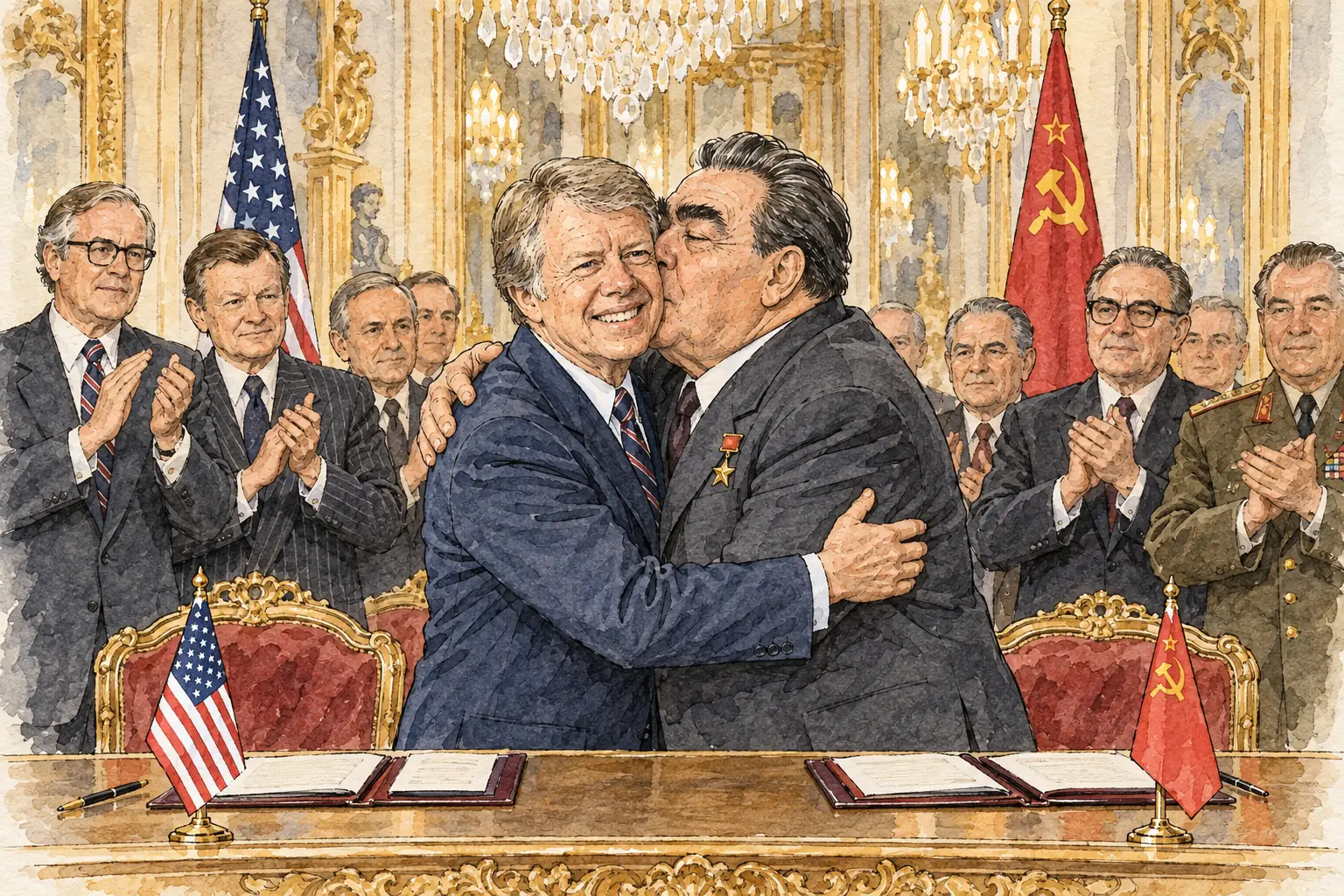
Building on earlier efforts, the Strategic Arms Limitation Treaty II (SALT II) was initialled in 1979 to extend arms control measures. It sought to impose stricter boundaries on nuclear delivery systems, reflecting continued interest in détente.
Details of SALT II and its fate
- Proposed restrictions - The treaty aimed to limit strategic bombers and various missile types, further constraining the superpowers' arsenals.
- Evidence of commitment - Negotiations showed both sides' ongoing dedication to reducing tensions through diplomacy.
- Failure to ratify - The United States Senate did not approve the treaty following the Soviet Union's invasion of Afghanistan in late 1979, which severely damaged relations and ended the era of détente.