3.2 - End of Détente & Second Cold War
Key facts and dates
The period from 1979 marked the collapse of détente and a resurgence of Cold War hostilities, driven by events like the Soviet invasion of Afghanistan and heightened US military spending. This era, known as the Second Cold War, eventually gave way to improved relations through diplomatic summits and arms agreements, setting the stage for the conflict's end.
Timeline of key events
- 1979 – Soviet Union invades Afghanistan to support its communist government, prompting Western condemnation as aggressive expansion.
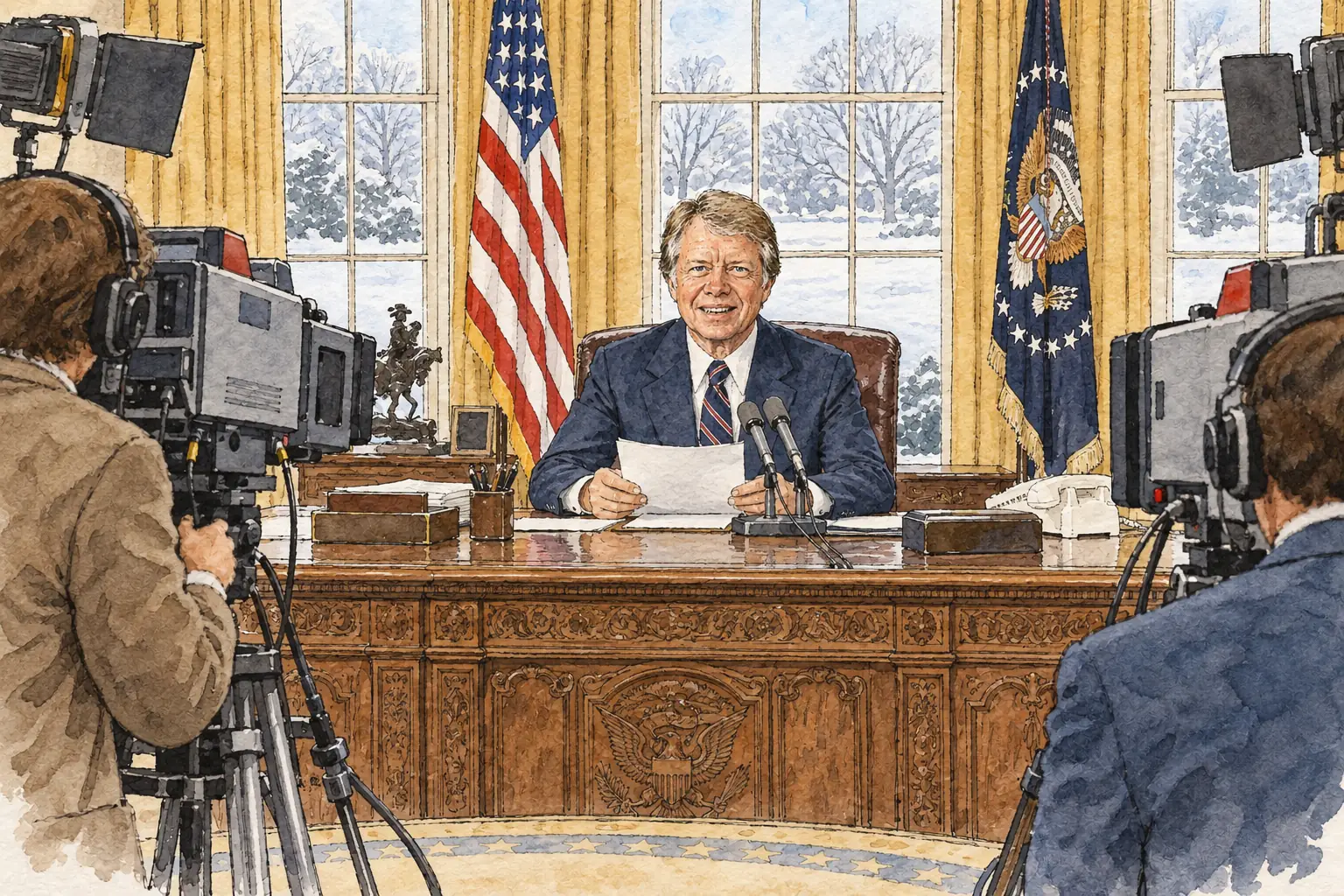
- 1980 – US President Jimmy Carter announces the Carter Doctrine, imposes sanctions, and leads a boycott of the Moscow Olympics.
- 1981 – Ronald Reagan takes office, increases US defence spending, and deploys missiles in Europe.
- 1983 – Reagan launches the Strategic Defense Initiative (SDI), alarming Soviet leaders.
- 1984 – Soviet bloc boycotts the Los Angeles Olympics in retaliation.
- 1985 – Mikhail Gorbachev becomes Soviet leader and initiates reforms; first summit with Reagan in Geneva.
- 1987 – Reagan and Gorbachev sign the INF Treaty, eliminating intermediate-range nuclear missiles.
Soviet invasion of Afghanistan and the US response
Image 1 of 2: Soviet troops entered Afghanistan in late December 1979
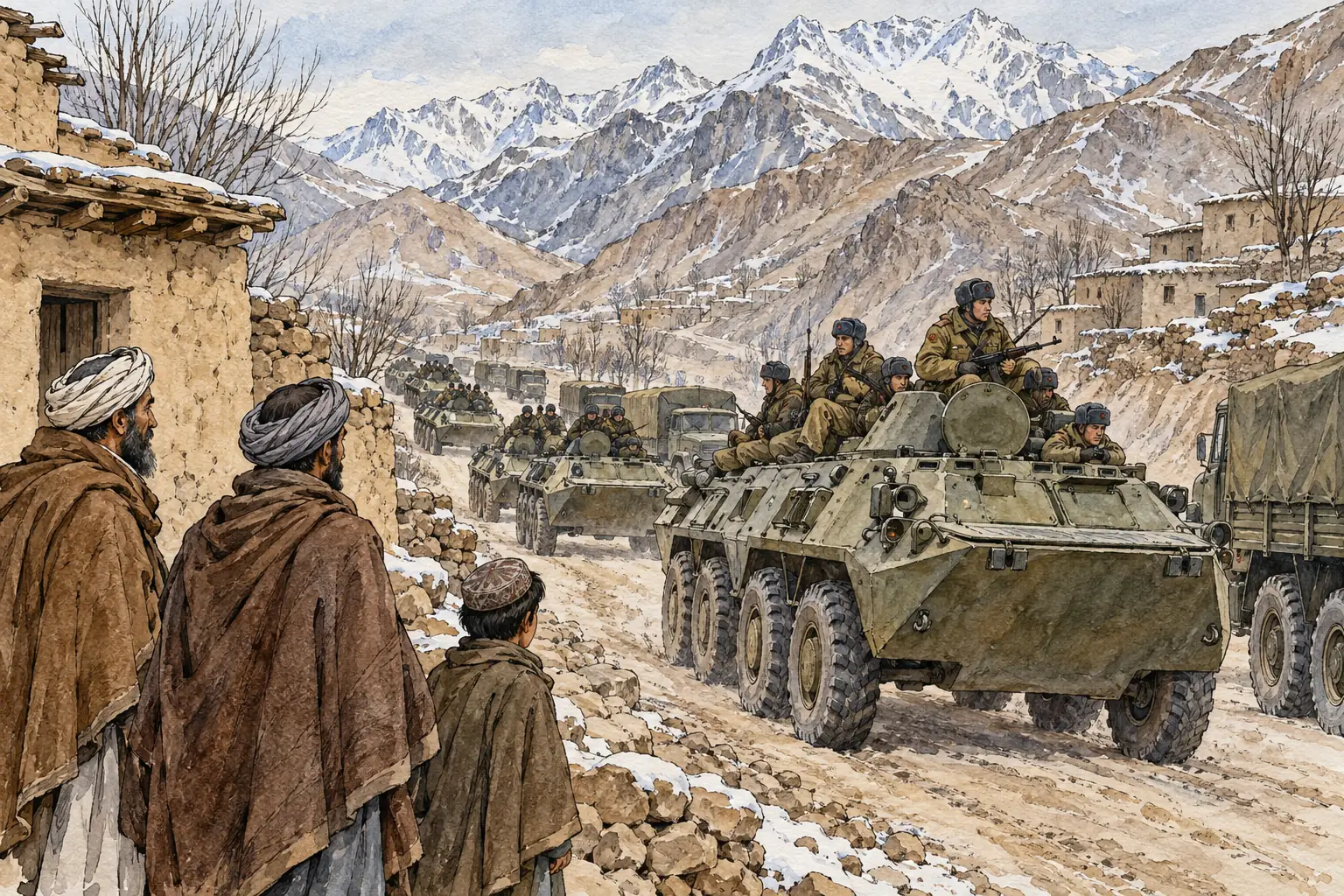
In late 1979, the Soviet Union launched a military invasion of Afghanistan to prop up a communist regime threatened by internal rebellion. This action was perceived in the West as a bold expansionist move into a strategically vital area near the Persian Gulf, effectively shattering the era of détente that had characterised US-Soviet relations in the 1970s.
Key aspects of the invasion and its immediate consequences
- Soviet motives - The intervention aimed to stabilise the pro-Soviet government amid growing unrest, but it entangled the USSR in a prolonged and costly conflict against Afghan resistance fighters.
- Western perception - The US and its allies viewed the invasion as evidence of Soviet aggression, heightening fears of further communist influence in the Middle East.
US countermeasures under President Carter
- Carter Doctrine (1980) - This policy declared that the US would employ military force if required to safeguard its vital interests in the Persian Gulf region, signalling a direct challenge to Soviet actions.
- Economic sanctions - The US restricted trade with the USSR, including grain exports, to exert financial pressure and limit Soviet resources.
- Olympic boycott - Carter spearheaded a refusal by the US and numerous allied nations to participate in the 1980 Moscow Olympics as a protest; in response, the Soviet bloc boycotted the 1984 Los Angeles Olympics, escalating symbolic confrontations.
Reagan's approach and the escalation of tensions
Image 1 of 2: Reagan called the Soviet Union an evil empire in a speech to American evangelical Christians in Orlando, Florida, on 8 March 1983
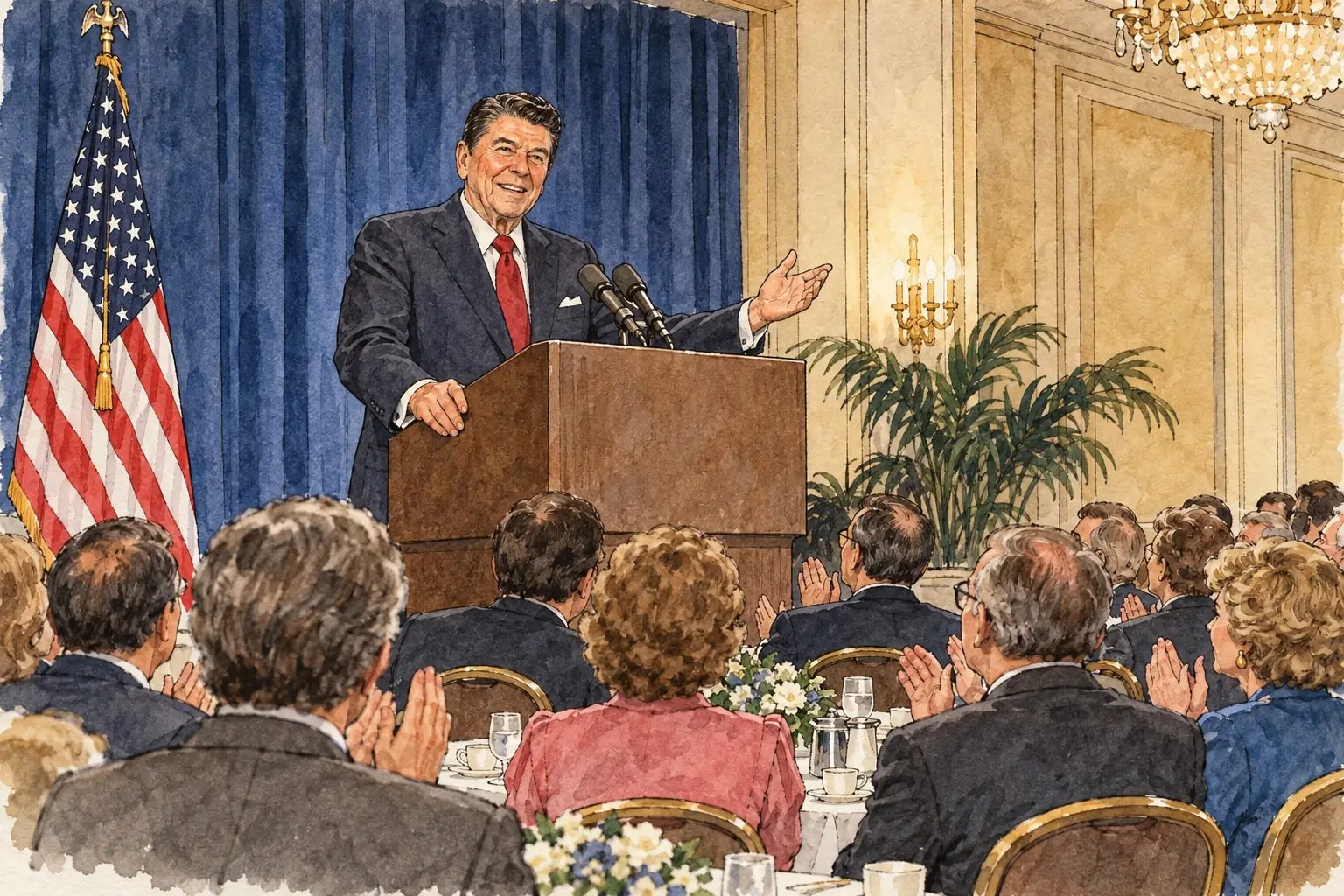
Upon assuming the presidency in 1981, Ronald Reagan rejected the détente policies of his predecessors and adopted a more confrontational stance towards the Soviet Union. This period, dubbed the Second Cold War, saw a sharp rise in superpower rivalries through military build-ups and ideological clashes.
Elements of Reagan's hardline policy
- Increased defence spending - Reagan authorised massive investments in both nuclear and conventional weapons, aiming to outpace Soviet capabilities and pressure their economy.
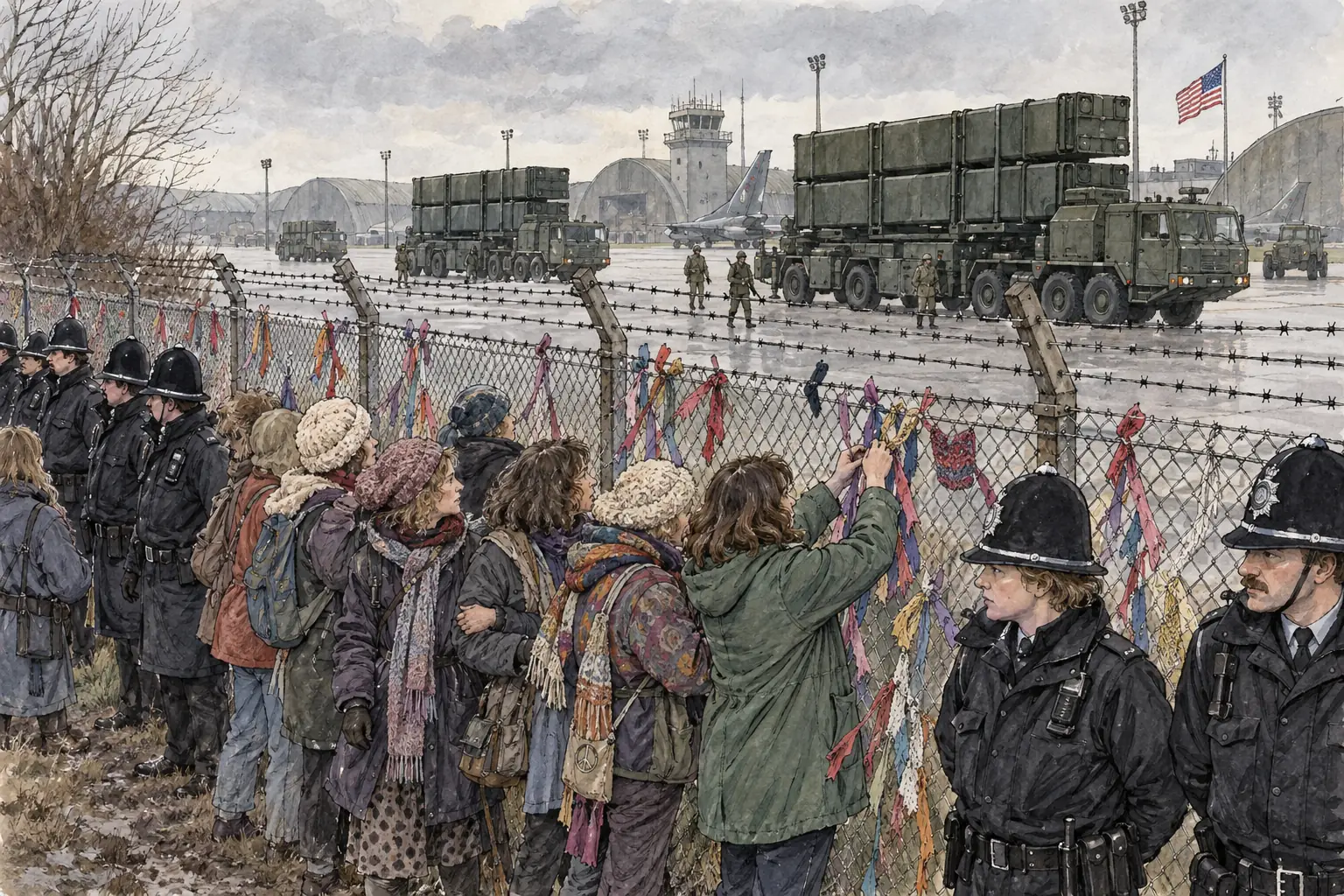
- Missile deployments in Europe - The US positioned new missiles to counter Soviet SS-20 systems, intensifying the arms race and raising tensions on the continent.
- Anti-communist rhetoric - Reagan publicly denounced the USSR as an "evil empire," framing the conflict in moral terms and rallying domestic and international support against communism.
The Strategic Defense Initiative (SDI)
In 1983, Reagan introduced the Strategic Defense Initiative (SDI), a groundbreaking programme to create a space-based shield against incoming missiles. Popularly known as "Star Wars," it represented a shift from mutual assured destruction to potential US defensive superiority.
Significance of SDI in the Cold War context
- Technological ambitions - The initiative sought to develop satellite-based systems capable of detecting and destroying Soviet missiles in flight, theoretically rendering nuclear attacks ineffective.
- Impact on Soviet Union - It alarmed Soviet leaders by threatening to disrupt the nuclear balance, forcing them to allocate scarce resources to countermeasures and exacerbating economic difficulties.
- Broader implications - While never fully realised, SDI heightened tensions and contributed to the USSR's financial strain, indirectly pushing towards negotiations.
Gorbachev's reforms and summits with Reagan
Image 1 of 3: At Geneva in November 1985 Reagan and Gorbachev talked alone by the fire with only their interpreters
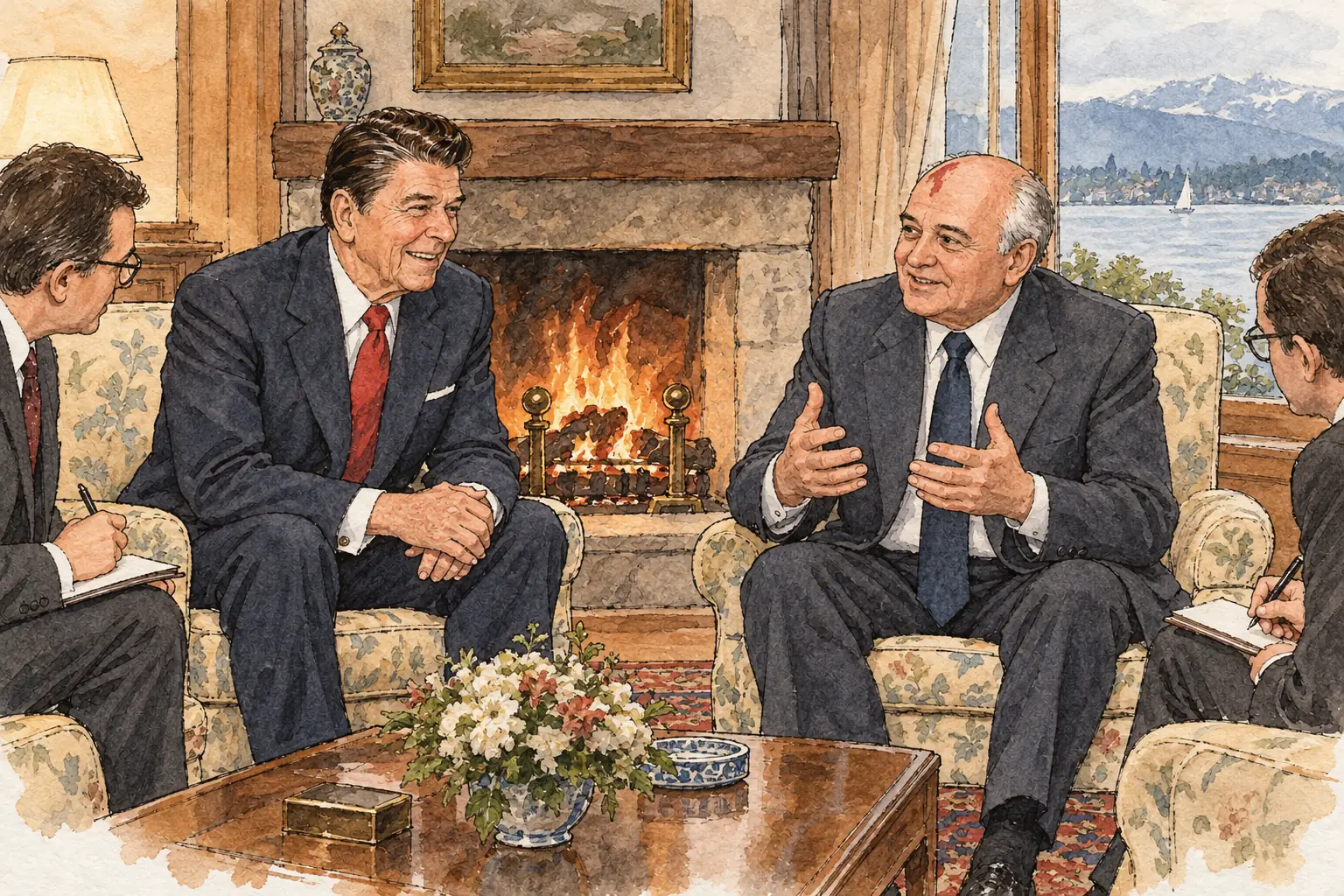
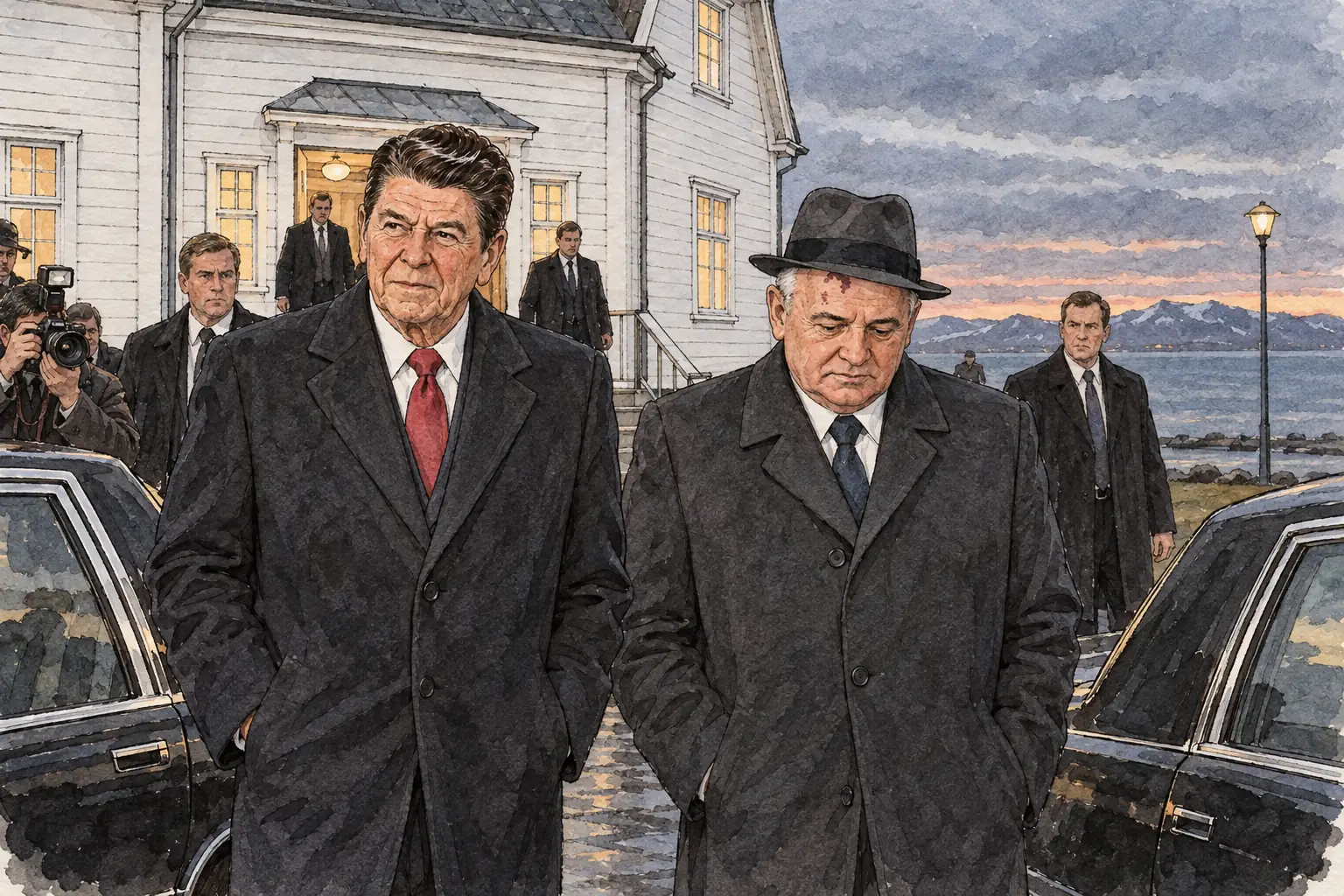
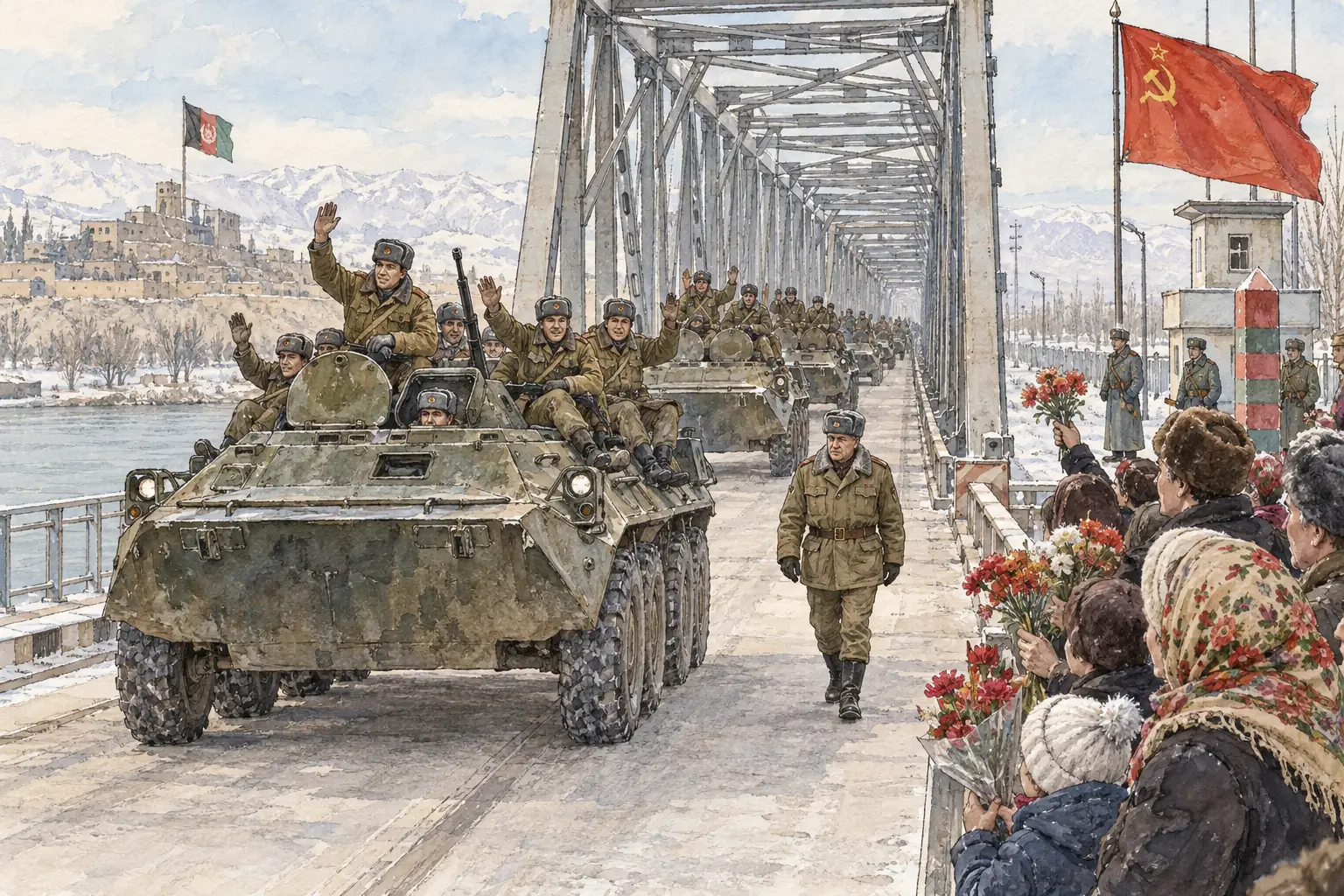
Mikhail Gorbachev's ascension to Soviet leadership in 1985 introduced a fresh dynamic, as he pursued internal reforms and warmer relations with the West to revive the struggling Soviet economy. Reagan, initially hawkish, engaged positively once Gorbachev demonstrated willingness to compromise.
Gorbachev's new direction
- Economic and political reforms - Gorbachev implemented policies like perestroika (restructuring) and glasnost (openness) to address inefficiencies and foster dialogue, signalling a departure from rigid Soviet orthodoxy.
- Approach to East-West relations - He prioritised reducing arms and improving ties to ease the burden of military spending and access Western technology.
Series of summit meetings
- Geneva (1985) - Initial talks established personal rapport between Reagan and Gorbachev, setting a foundation for future discussions.
- Reykjavík (1986) - Intensive negotiations on arms reductions nearly achieved a breakthrough but stalled over SDI.
- Washington (1987) - Focused on verifiable arms cuts, leading to concrete agreements.
- Moscow (1988) - Symbolised warming relations, with discussions advancing mutual trust and cooperation.
The INF Treaty and reduction of tensions
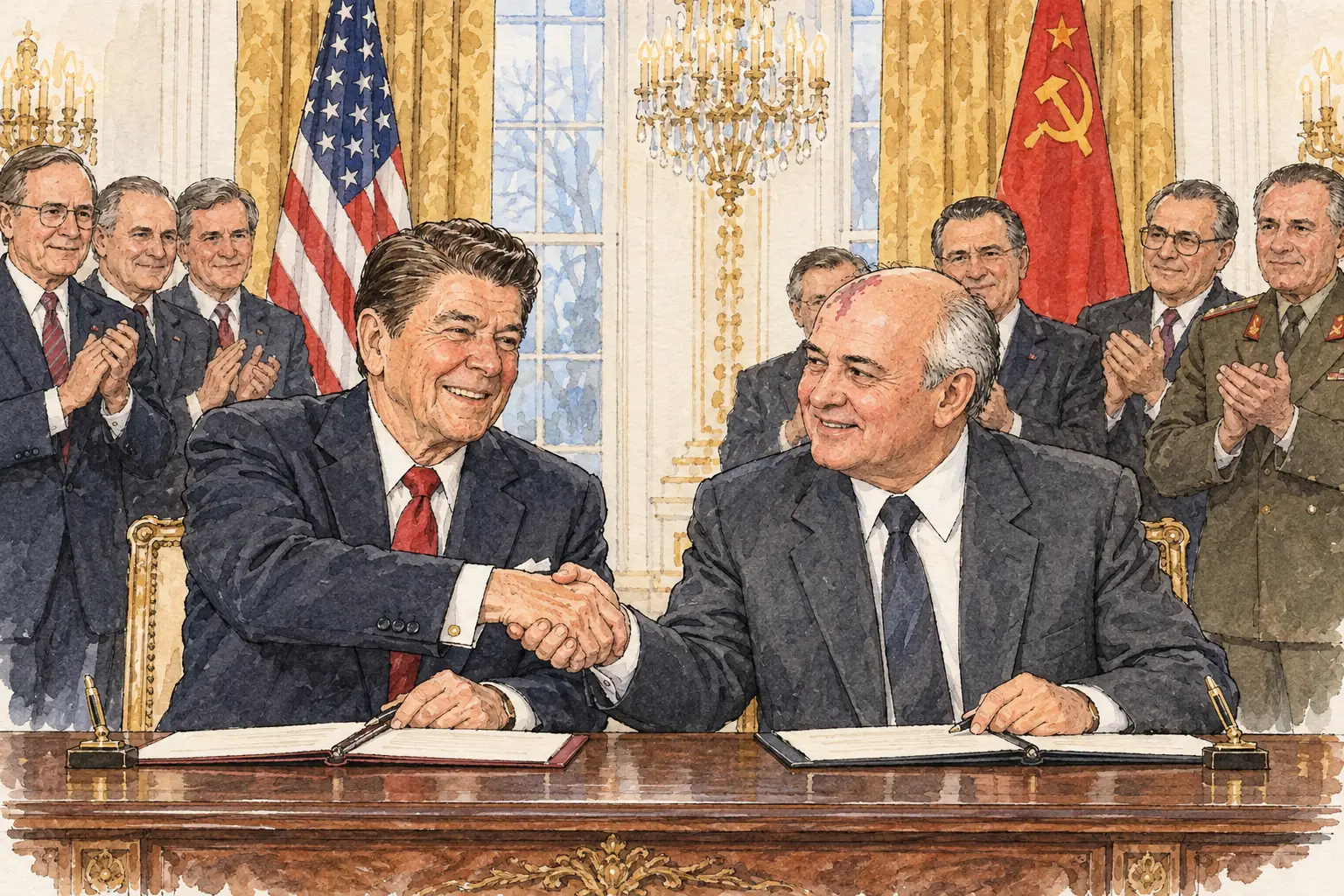
The collaborative efforts of Reagan and Gorbachev culminated in the Intermediate-Range Nuclear Forces (INF) Treaty in 1987, a landmark accord that marked the first real reduction in nuclear arsenals. This agreement, along with ongoing diplomacy, significantly de-escalated Cold War hostilities by the decade's end.
Details of the INF Treaty
- Key provisions - Both superpowers agreed to dismantle all intermediate-range nuclear missiles, including US Pershing II and Soviet SS-20 systems, with provisions for on-site inspections to ensure compliance.
- Historic importance - It eliminated an entire class of weapons, reducing the nuclear threat in Europe and demonstrating that arms control was achievable.
Broader outcomes of reduced tensions
- Personal relationship - The leaders' constructive interactions built confidence, facilitating further talks and easing ideological divides.
- Long-term effects - By the late 1980s, these developments had thawed relations, paving the way for the Cold War's eventual conclusion and the dissolution of longstanding rivalries.