3.1 - Causes of Disease, 1700–1900
Key facts and dates
The period from 1700 to 1900 marked a significant transition in medical understanding, shifting from traditional beliefs to scientific explanations of disease causation. This era culminated in the establishment of germ theory, which revolutionised approaches to infectious illnesses.
Timeline of key events
- Early 1700s – Widespread belief in miasma and imbalance of humours as causes of disease.
- 1854 – Cholera epidemic in London reinforces miasma theory among many doctors.
- 1861 – Louis Pasteur disproves spontaneous generation through experiments on spoilage.
- 1876 – Robert Koch identifies the bacterium causing anthrax.
- 1882 – Koch discovers the tuberculosis bacillus.
- 1883 – Koch isolates the cholera bacterium.
- 1880s – Pasteur develops vaccines using weakened microbes.
- Late 19th century – Germ theory gains acceptance, influencing figures like Joseph Lister.
Continuity of traditional ideas in the early 1700s
At the start of the 18th century, understanding of disease remained restricted, with both medical professionals and the general population holding onto established explanations. These ideas, inherited from earlier periods, persisted even as new scientific methods began to emerge.
Persistent traditional explanations for disease
- Miasma theory - Many believed that epidemics resulted from poisonous vapours or bad air arising from decaying matter, a view that dominated responses to outbreaks.
- Imbalance of humours - The ancient concept of health depending on equilibrium among bodily fluids like blood and bile was still influential, though it started to wane gradually.
- Limited scientific progress - Without advanced tools or evidence, these theories shaped treatments and public health measures, delaying shifts towards more accurate causes.
Development of germ theory by Louis Pasteur
Image 1 of 2: Pasteur showed that microorganisms caused fermentation and spoilage in liquids like wine
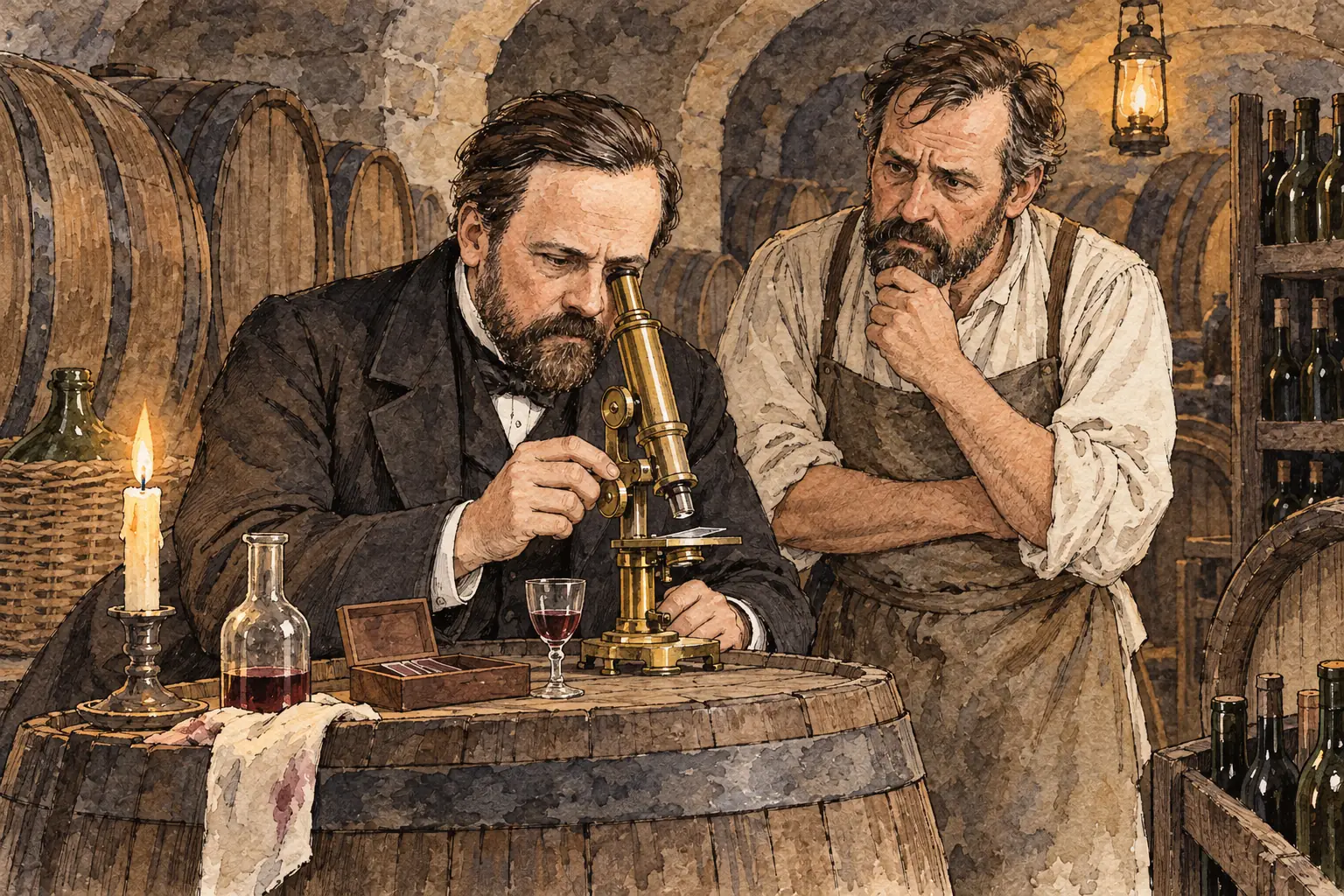
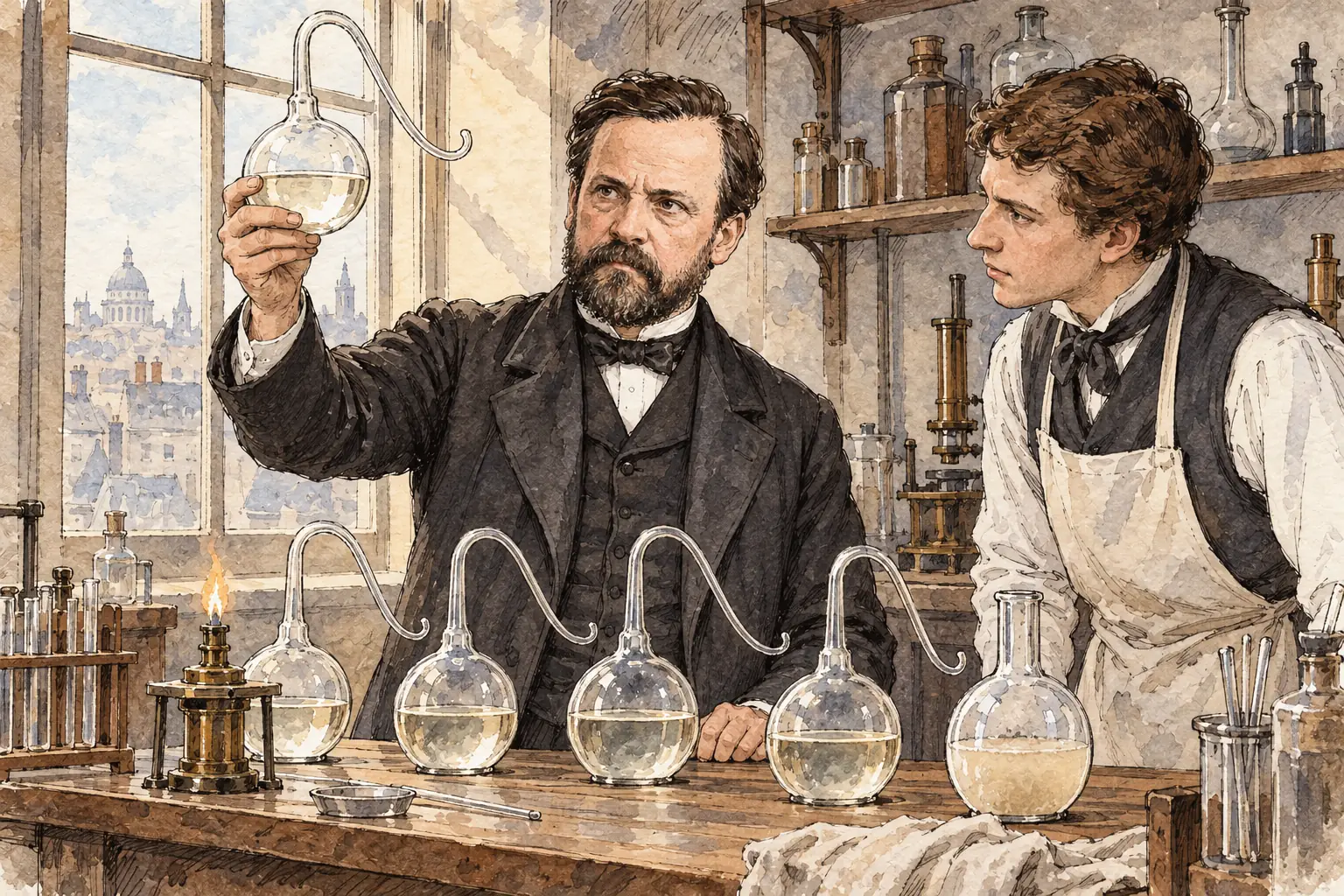
The mid-19th century brought a pivotal change with the introduction of germ theory, which identified microscopic organisms as key agents of disease. French scientist Louis Pasteur played a central role in this breakthrough through rigorous experimentation.
Pasteur's key experiments and proposals
- Disproving spontaneous generation - In 1861, Pasteur conducted tests showing that microorganisms in the air, rather than arising spontaneously, caused fermentation and spoilage in liquids like wine.
- Application to human disease - Building on these findings, he suggested that similar germs could invade the body and trigger infections, forming the basis of germ theory.
- Initial reception - While groundbreaking, the theory faced doubt, particularly as it challenged long-held views on disease origins.
Robert Koch's identification of specific bacteria
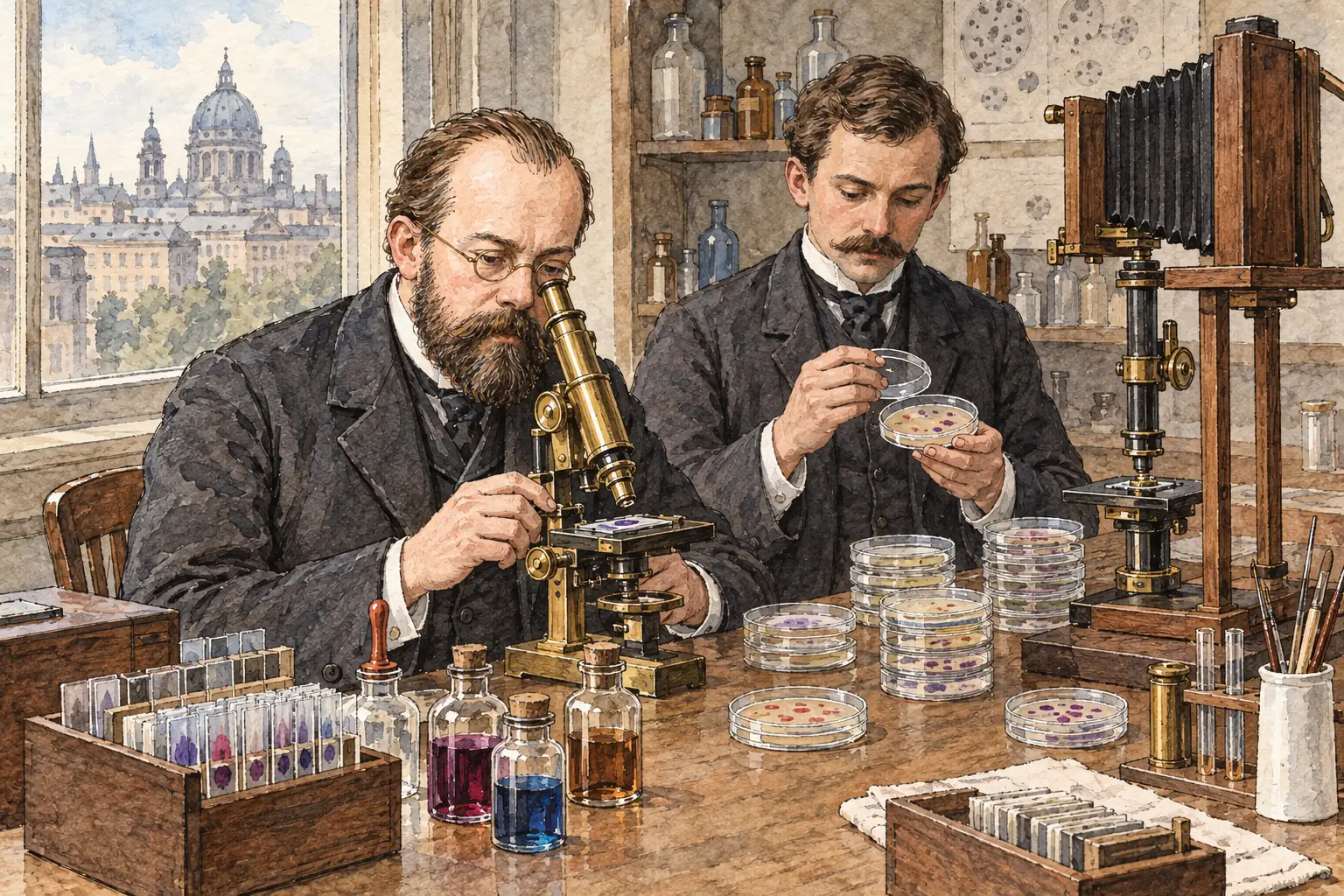
German researcher Robert Koch advanced germ theory by pinpointing exact microbes responsible for individual diseases. His methodical approach provided concrete evidence that strengthened the scientific case against traditional theories.
Koch's discoveries and techniques
- Identification of disease-causing bacteria - Koch isolated the anthrax bacterium in 1876, the tuberculosis bacillus in 1882, and the cholera bacterium in 1883, linking each to a specific illness.
- Innovative laboratory methods - He pioneered techniques for staining bacteria to make them visible under microscopes and growing them in cultures, enabling global researchers to replicate and expand his work.
- Impact on medical research - These methods facilitated a worldwide effort to uncover microbial causes, shifting focus from vague environmental factors to targeted pathogens.
Gradual acceptance of germ theory in Britain
Despite initial resistance, germ theory slowly gained traction in Britain as accumulating evidence overwhelmed older beliefs. This acceptance marked a major step in aligning medical practice with scientific principles.
Factors leading to widespread adoption
- Skepticism during outbreaks - In events like the 1854 London cholera epidemic, miasma theory prevailed among British doctors, who dismissed early germ ideas as unproven.
- Influence of key figures - By the late 19th century, surgeons such as Joseph Lister applied germ theory to antiseptic techniques, reducing infections and demonstrating its practical value.
- Integration into education - Medical textbooks began incorporating germ theory, and combined with Pasteur's vaccine developments in the 1880s using attenuated microbes, it became the standard explanation for infectious diseases.
Emerging ideas on genetic and lifestyle factors
By the end of the 19th century, while germ theory dominated infectious disease explanations, other influences on health started to be recognised. These observations laid groundwork for broader understandings of illness beyond microbes.
New perspectives on non-infectious causes
- Suspected hereditary links - Some diseases were noted to cluster in families, hinting at hereditary factors, though the mechanisms remained unclear.
- Role of living conditions - Connections between poverty, inadequate nutrition, and higher illness rates were observed, prompting reforms in public health and sanitation.
- Lifestyle influences - Ideas emerged that daily habits and environments could affect susceptibility to disease, expanding beyond germs to include social and personal elements.