3.2 - Prevention, Treatment & Care, 1700–1900
Key facts and dates
The 18th and 19th centuries marked a period of significant transformation in British medicine, shifting from limited interventions to more organised treatment, professional care, and government-led prevention strategies. These changes reduced mortality rates and improved public health amid rapid urbanisation and industrial growth.
Timeline of key events
- 1700s – Numerous hospitals established, funded by charities and donors, providing care for the poor and training for physicians.
- 1796 – Edward Jenner develops the first smallpox vaccine, using cowpox to create immunity.
- 1846–1847 – Introduction of effective anaesthetics such as ether and chloroform, enabling pain-free operations.
- 1853 – British government makes smallpox vaccination compulsory to combat widespread outbreaks.
- 1854 – Florence Nightingale improves nursing during the Crimean War, emphasising hygiene and nutrition.
- 1860 – Nightingale founds the first professional nursing school in Britain.
- 1865 – Joseph Lister pioneers antiseptic techniques using carbolic acid, based on germ theory.
- 1875 – Public Health Act mandates local authorities to implement sanitation measures, including clean water and sewers.
Improvements in hospital care
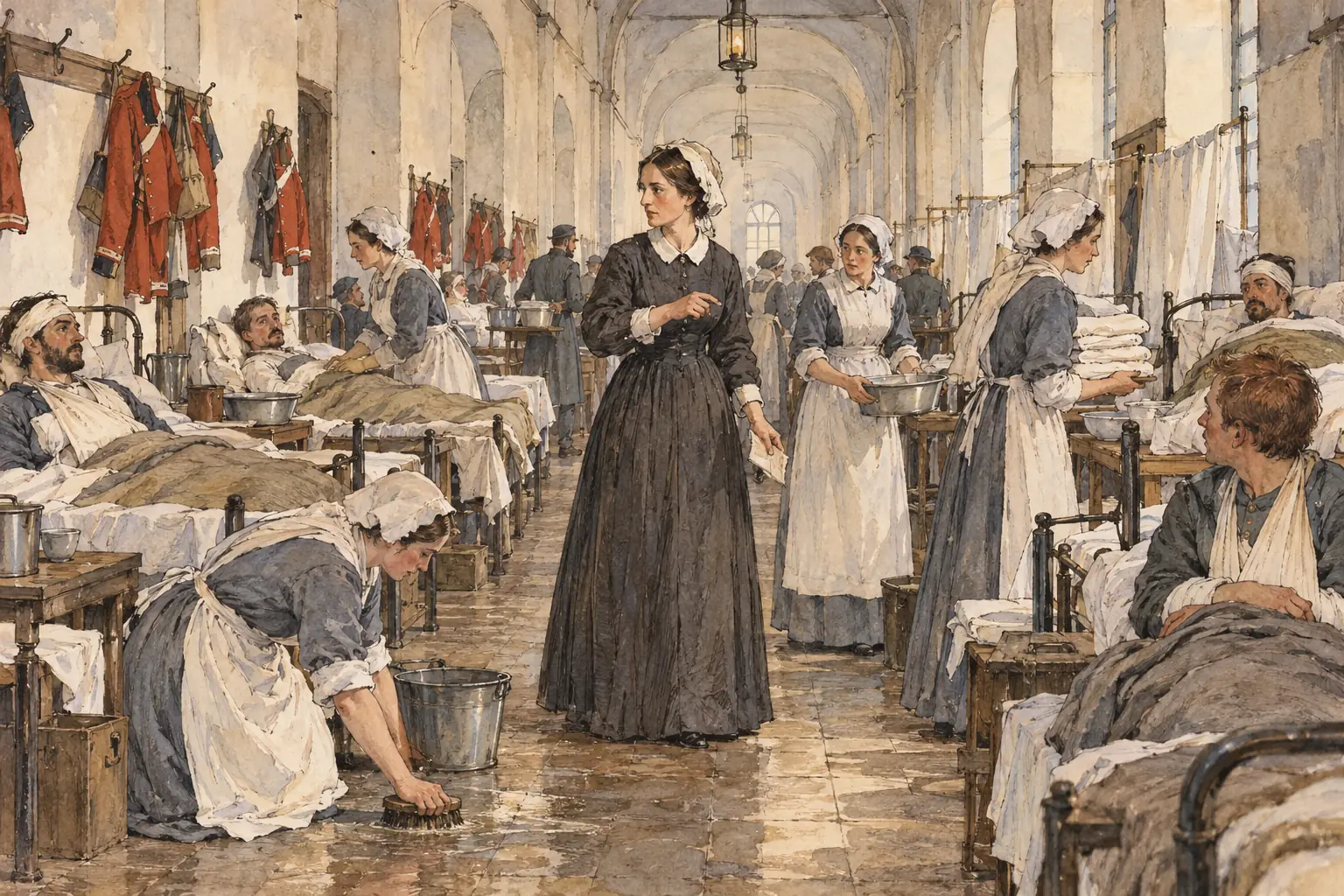
During the 18th and 19th centuries, hospital care in Britain underwent substantial enhancements, evolving from basic charitable institutions to more structured and hygienic facilities. This shift was driven by increased funding, professional training, and a focus on patient welfare.
Establishment and early conditions of hospitals
In the 1700s, a wave of new hospitals emerged, supported by donations from charities and affluent individuals. These institutions primarily served impoverished patients who could not afford private treatment, while also functioning as practical training environments for medical practitioners. Despite these intentions, many hospitals suffered from overcrowding and unsanitary environments, which often exacerbated the spread of infections among patients.
Florence Nightingale's reforms in nursing
Florence Nightingale revolutionised nursing practices during her work in the Crimean War in 1854. She advocated for rigorous cleanliness, improved hygiene standards, and better nutritional support for patients. Her efforts at Scutari hospital drastically lowered mortality rates through simple yet effective measures like regular sanitation and balanced diets.
Following the war, Nightingale continued her influence by founding Britain's inaugural school for professional nurses in 1860. She also authored detailed guidelines on hospital architecture and nursing methods, promoting well-ventilated wards and organised care routines.
Outcomes of hospital improvements by the late 1800s
By the end of the 19th century, hospitals had become cleaner and more efficient, staffed by trained nurses who followed standardised protocols. These changes reduced infection risks and improved patient recovery, marking a clear progression from the disorganized facilities of the early 1700s.
Advances in surgery
Image 1 of 2: By 1847 chloroform had been found to make people unconscious, so operations could be pain-free
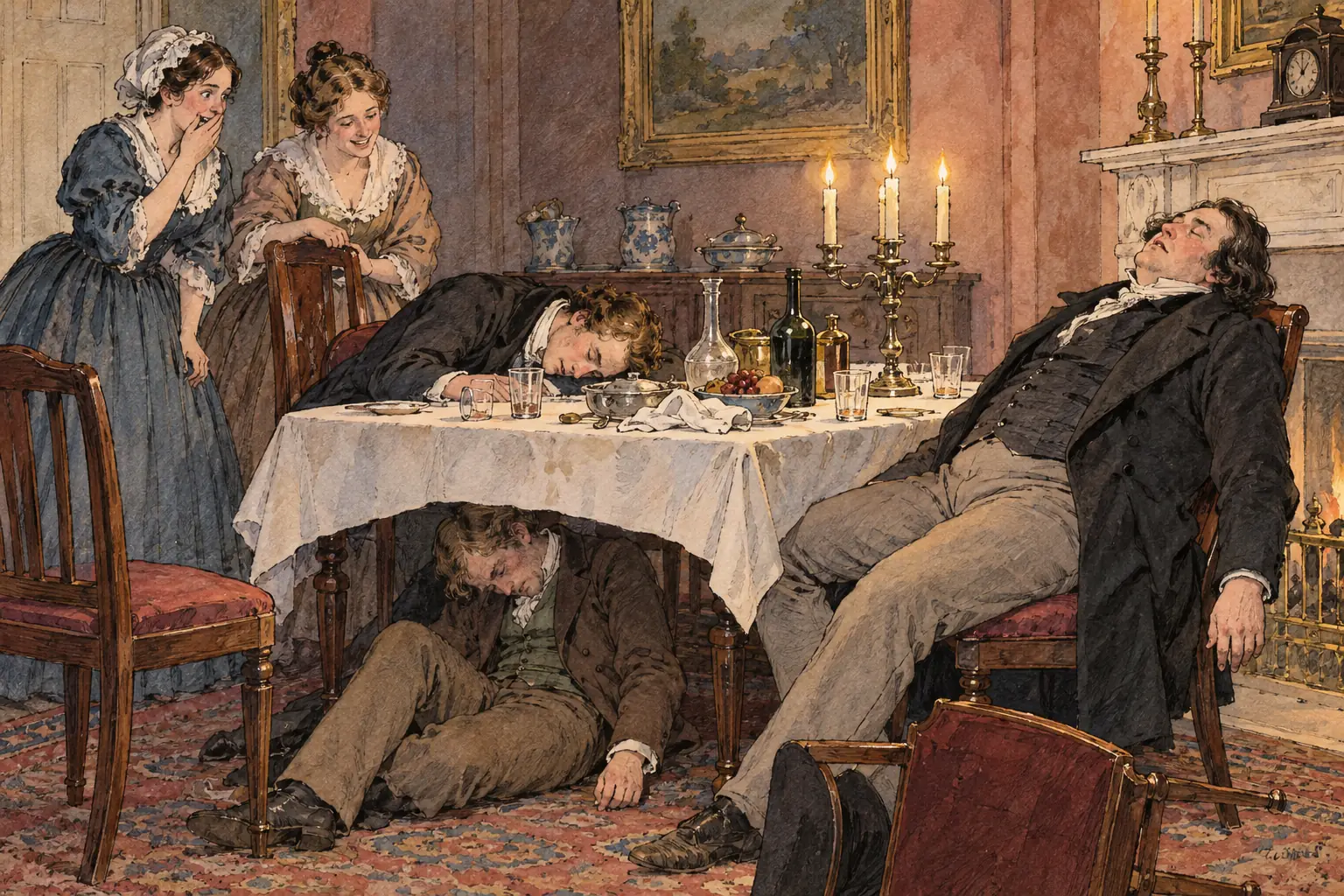
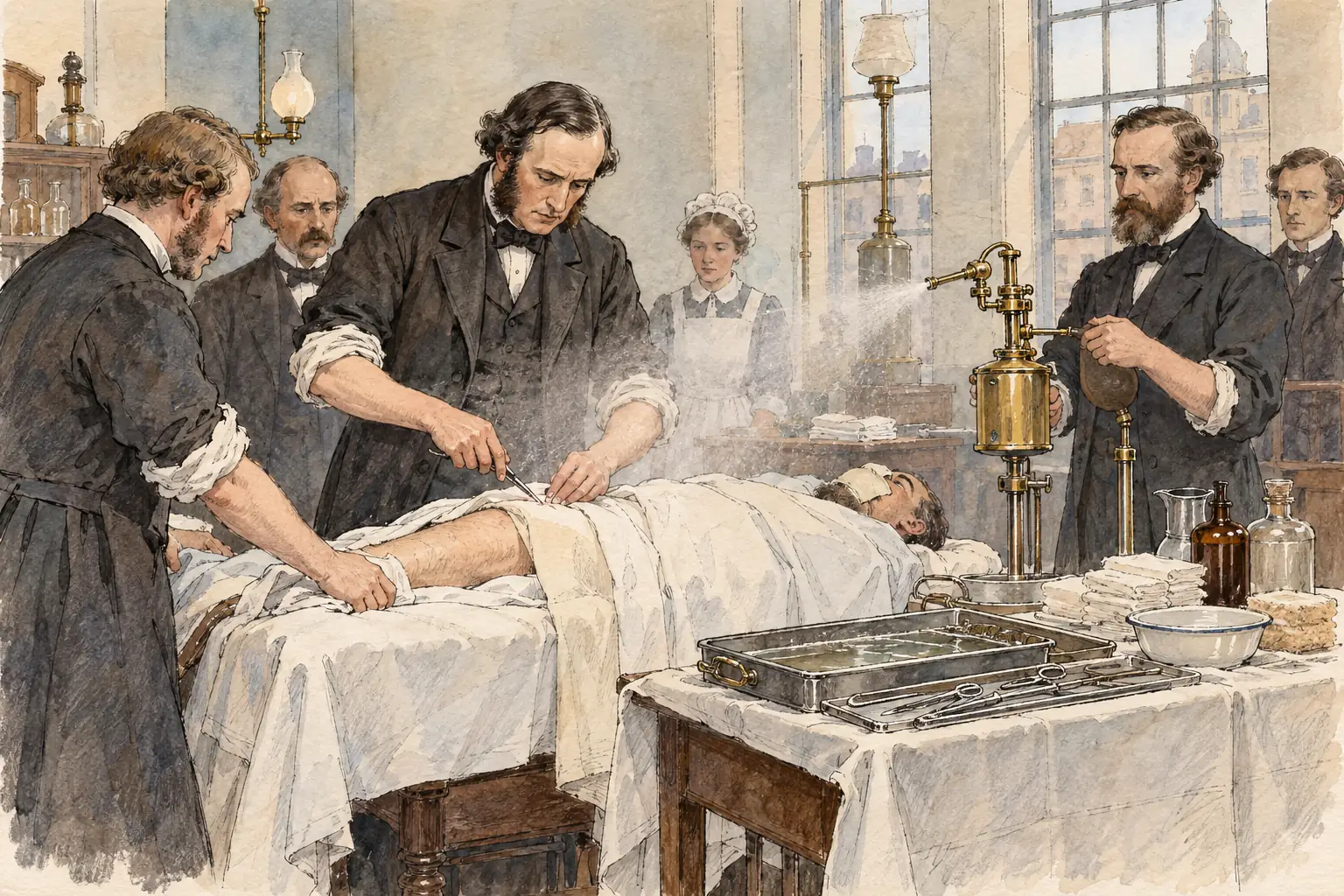
Surgical practices advanced dramatically in the 19th century, addressing longstanding issues of pain and infection that had previously made operations highly dangerous. These innovations allowed for more intricate procedures and significantly improved survival rates.
Introduction of anaesthetics
Between 1846 and 1847, surgeons began employing reliable anaesthetics such as ether and chloroform, which rendered patients unconscious and pain-free during operations. This breakthrough facilitated extended and more precise surgeries, though it initially contributed to a challenging phase where deeper incisions increased infection risks due to unsterilised environments.
Development of antiseptic techniques
In 1865, Joseph Lister applied Louis Pasteur's germ theory to surgery by using carbolic acid to disinfect wounds and instruments. This antiseptic approach effectively eliminated microbes, leading to a sharp decline in post-operative infections and making surgery a more viable treatment option.
Evolution to aseptic surgery
By the 1890s, antiseptic methods had progressed into aseptic techniques, where entire operating theatres were sterilised to prevent any microbial contamination. Surgeons adopted practices such as wearing gloves and gowns, and using boiled tools, ensuring wounds remained germ-free from the outset.
As a result, by 1900, surgical interventions were considerably safer than in 1800, when even minor procedures often resulted in fatal infections due to a lack of understanding about germs.
Developments in vaccination for disease prevention
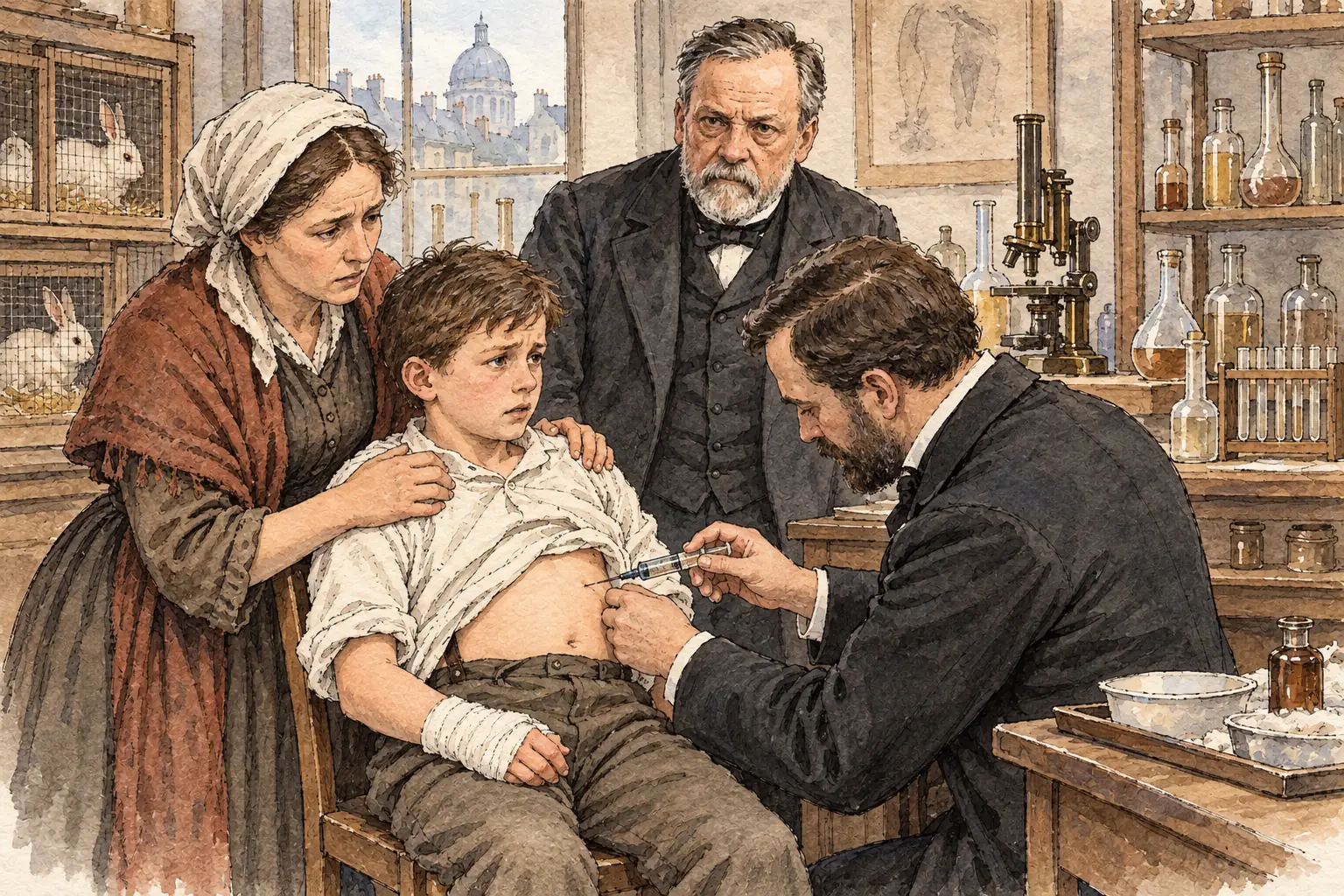
The 18th and 19th centuries introduced groundbreaking vaccination methods, shifting disease prevention from reactive measures to proactive immunisation. This era laid the foundation for controlling infectious outbreaks through scientific innovation.
Edward Jenner's smallpox vaccine
In 1796, Edward Jenner created the world's first vaccine against smallpox by inoculating individuals with material from cowpox sores, which provided immunity without causing the full disease. Despite early doubts from the medical community, the vaccine's success led to a rapid decrease in smallpox cases across Britain.
Government intervention and compulsory vaccination
The British government recognised the vaccine's potential and made smallpox vaccination mandatory in 1853, reflecting a growing acceptance of state involvement in health matters. This policy further accelerated the decline of the disease, demonstrating vaccination's effectiveness on a national scale.
Influence of Pasteur's work on further vaccines
Louis Pasteur's later research in the 19th century expanded vaccination principles, leading to immunisations for animal diseases and initial human applications, such as against rabies. Although widespread human vaccines beyond smallpox emerged after 1900, these developments built on Jenner's foundation, emphasising prevention over cure.
Public health reforms
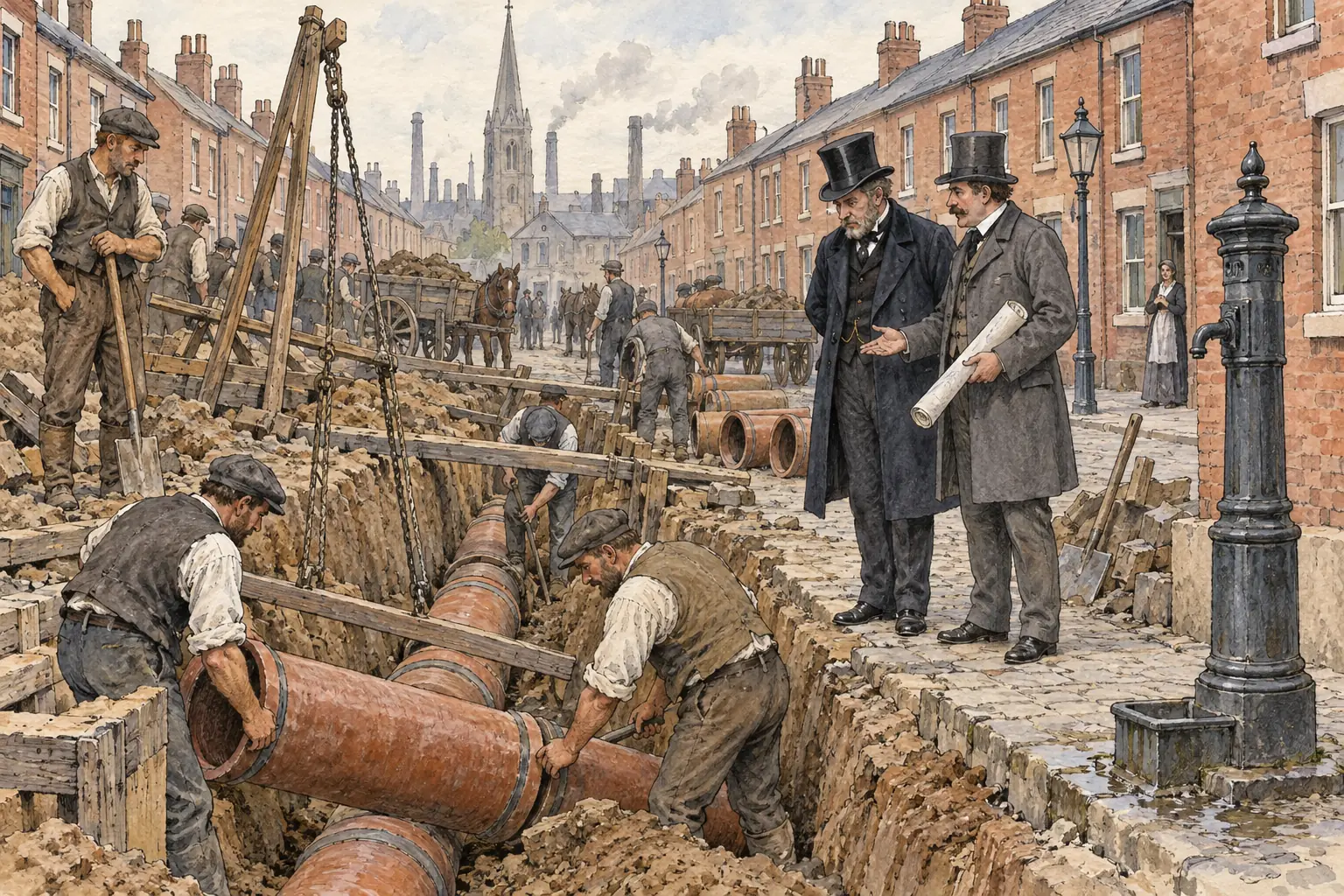
Public health in Britain transformed in the 19th century as urban growth led to recurrent epidemics, prompting reformers and the government to implement systematic improvements in sanitation and living conditions.
Early urban challenges and pioneering research
In the early 1800s, rapidly expanding cities suffered from overcrowding, contaminated water supplies, and inadequate waste disposal, fuelling outbreaks of diseases like cholera and typhoid. Figures such as John Snow traced these epidemics to polluted water sources, highlighting the need for environmental interventions.
Shift in government attitudes
Initially, the government adopted a hands-off approach, but social reformers pushed for change. The Public Health Act of 1848 offered advisory guidelines, but it was largely ineffective due to its voluntary nature.
The Public Health Act of 1875
This landmark legislation required local authorities to supply clean water, construct sewer systems, manage rubbish collection, and install street lighting. It also mandated the appointment of medical officers of health to oversee community well-being. Unlike earlier measures, the 1875 Act enforced these provisions, signifying a commitment to preventing disease through regulated public environments.
By 1900, these reforms had established government responsibility for basic sanitation, creating healthier urban spaces and reducing epidemic risks compared to the neglectful conditions of the 1700s.