1.2 - Development of the Cold War
Key facts and dates
The development of the Cold War in the late 1940s saw escalating tensions between the United States and the Soviet Union, marked by ideological clashes, economic aid programmes, and military alliances. This period solidified the division of Europe into rival spheres of influence, with key events revolving around containment efforts and crises in Germany.
Timeline of key events
- 1947 – Truman Doctrine announced, pledging US support to nations resisting communism, with aid to Greece and Turkey.
- 1947 – Marshall Plan launched, providing economic assistance to rebuild Europe and counter communist appeal.
- 1947 – Cominform established by Stalin to coordinate and control communist parties in Eastern Europe.
- 1948 – Berlin Blockade begins, with Stalin cutting off land access to West Berlin to pressure Western Allies.
- 1949 – Comecon formed to manage economies of Soviet-aligned states and reject Marshall Aid.
- 1949 – NATO created as a Western defensive alliance, seen by Stalin as an aggressive move.
- 1949 – Berlin Blockade ends after successful Western airlift; West and East Germany established as separate states.
The Truman Doctrine and Marshall Plan
Image 1 of 2: On 12 March 1947 Truman asked Congress for aid for Greece and Turkey, promising to support free peoples resisting communism
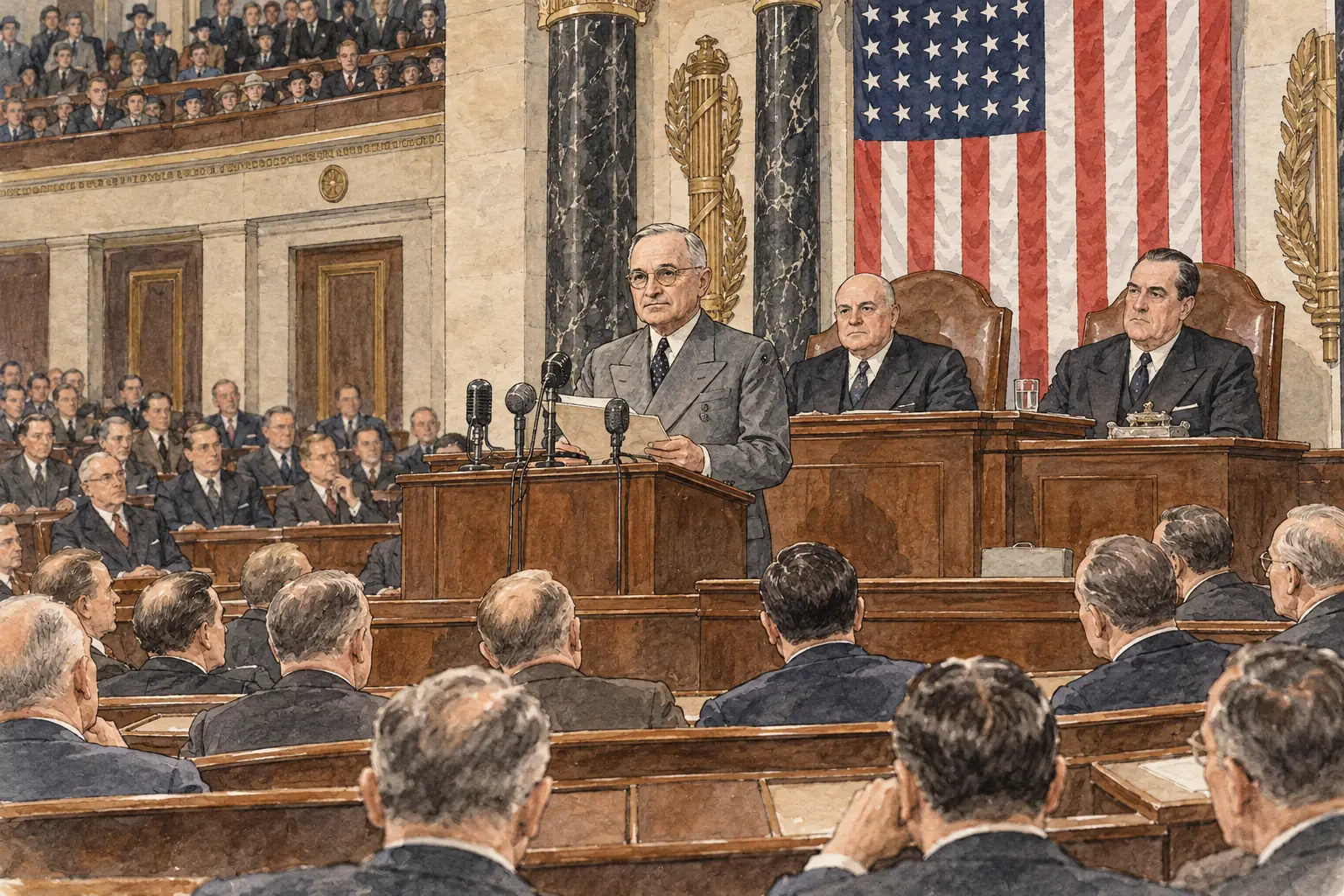
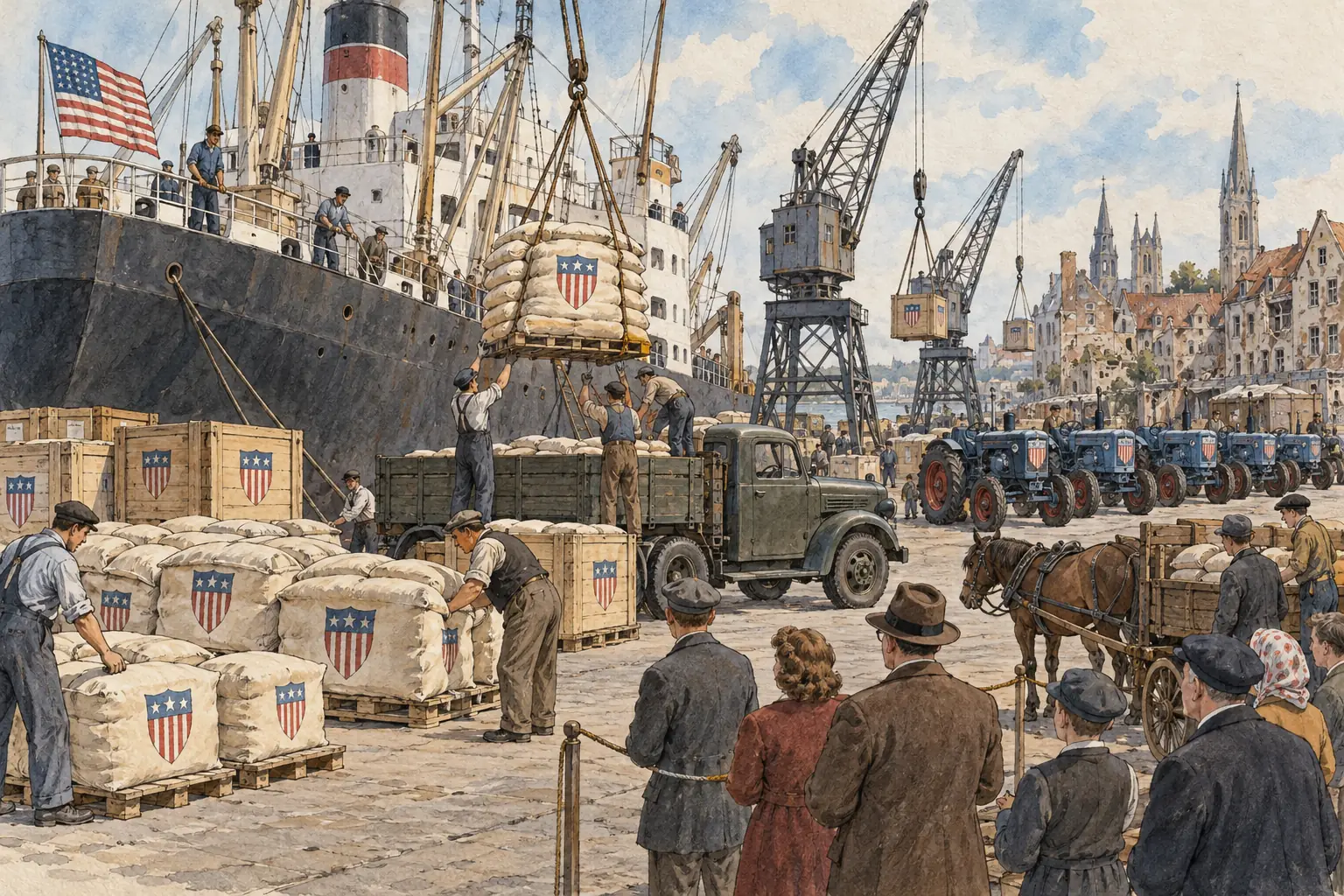
In the aftermath of the Second World War, the United States sought to prevent the spread of communism in Europe through targeted policies. These initiatives aimed to support vulnerable nations and rebuild economies, reducing the appeal of Soviet influence.
Key features of the Truman Doctrine
- Announcement and purpose - Introduced in 1947 by President Harry Truman, this policy committed the US to assisting countries threatened by communist takeovers, framing it as a defence of free peoples against oppression.
- Practical application - Immediate aid was provided to Greece and Turkey, where civil conflicts risked communist victories; this included financial and military support to stabilise governments and resist internal rebellions.
Elements of the Marshall Plan
- Economic recovery focus - Also launched in 1947, named after US Secretary of State George Marshall, it offered billions in aid to help European nations reconstruct after wartime devastation, targeting poverty and unemployment that could foster communist support.
- Broader impact - By promoting prosperity and trade, the plan encouraged democratic stability across Western Europe, though it was rejected by Soviet-influenced states, deepening ideological divisions.
Stalin's responses through Cominform and Comecon
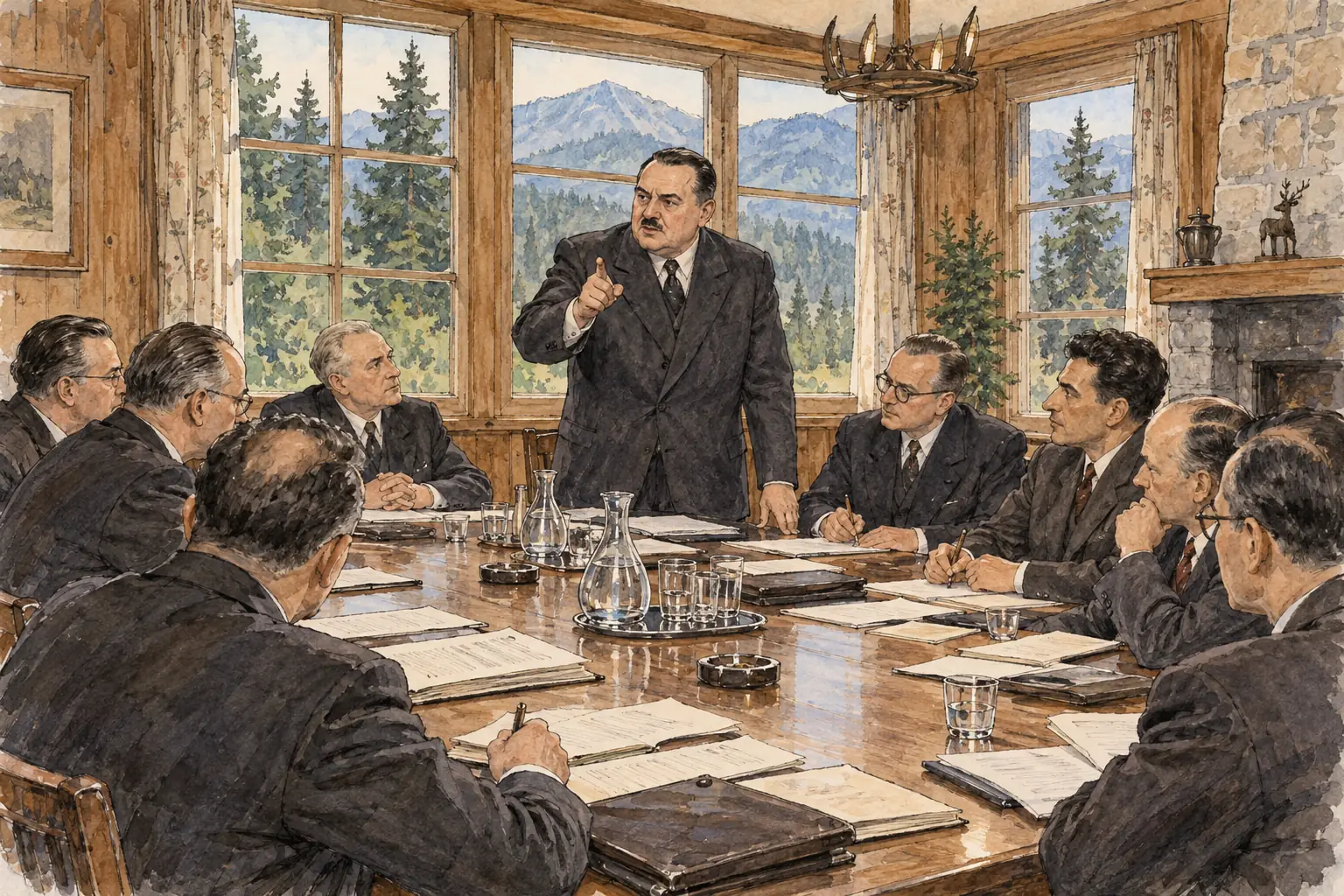
Soviet leader Joseph Stalin viewed US policies like the Truman Doctrine and Marshall Plan as direct threats to communist expansion. In response, he implemented measures to consolidate control over Eastern Europe and counter Western economic influence.
Creation and role of Cominform
- Establishment in 1947 - The Communist Information Bureau (Cominform) was formed to unify communist parties across Eastern Europe, ensuring they followed Soviet directives and resisted Western overtures.
- Control mechanisms - It facilitated coordination among satellite states, promoting ideological conformity and preventing any deviation towards capitalism or US aid.
Purpose of Comecon
- Formation in 1949 - The Council for Mutual Economic Assistance (Comecon) was set up to integrate the economies of Soviet bloc countries, providing an alternative to Western aid and fostering mutual trade.
- Strategic objectives - By directing resources and planning, Comecon ensured that Eastern European nations did not accept Marshall Plan funds, reinforcing Soviet dominance and economic isolation from the West.
The formation of NATO and its implications
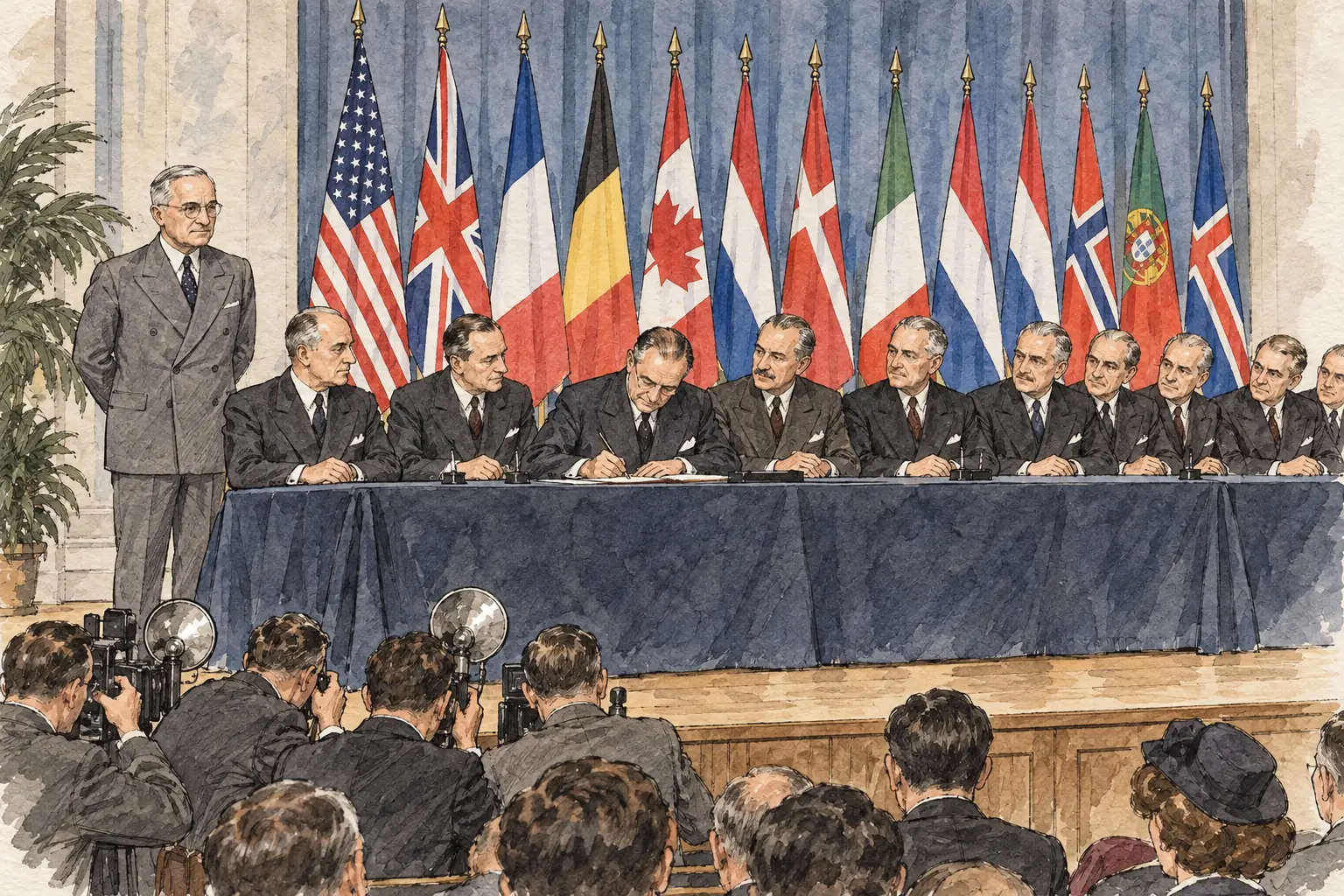
As Cold War tensions rose, Western nations formed a military alliance to counter perceived Soviet aggression. This development marked a significant escalation, formalising the division of Europe into opposing camps.
Establishment of NATO
- Creation in 1949 - The North Atlantic Treaty Organisation (NATO) was founded by the United States, Canada, and several Western European countries as a collective defence pact, where an attack on one member would be considered an attack on all.
- Defensive rationale - It aimed to deter Soviet expansion through unified military strength, providing security for rebuilding democracies in the face of communist threats.
Soviet perspective and consequences
- Stalin's reaction - He interpreted NATO as an offensive alliance encircling the Soviet Union, heightening paranoia and prompting increased military preparations in the East.
- Division of Europe - The alliance solidified the split into Western capitalist blocs and Eastern communist spheres, intensifying the Cold War and setting the stage for future confrontations.
The situation in Berlin after the Second World War
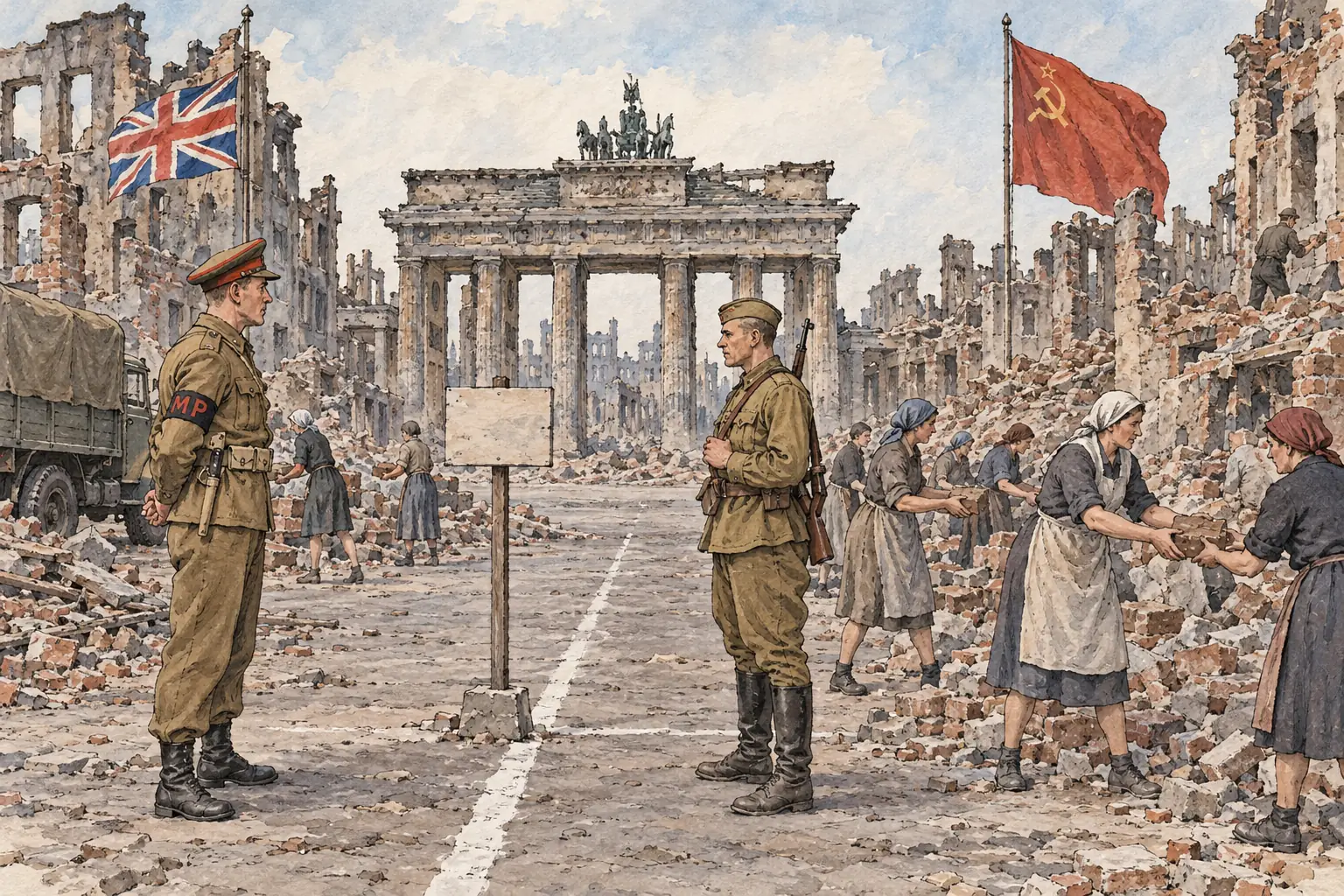
Post-war Berlin became a focal point of Cold War rivalries due to its unique geopolitical position. Located deep within Soviet-controlled territory, the city exemplified the broader divisions in Germany and Europe.
Division of Berlin
- Post-war zoning - Following the Second World War, Berlin was divided into four sectors controlled by the Allies: the United States, Britain, and France managed the western zones, while the Soviet Union controlled the eastern zone.
- Symbolic importance - As the former capital, Berlin represented the ideological clash, with Western zones promoting democracy and capitalism amid a surrounding communist landscape.
Challenges of the split
- Access issues - West Berlin relied on land routes through Soviet territory for supplies, creating vulnerabilities that Stalin could exploit to pressure the Western Allies.
- Economic contrasts - The Western sectors experienced recovery through US aid, contrasting with the slower progress in the Soviet zone, which fuelled tensions and migration flows.
The Berlin Crisis and its outcomes
Image 1 of 2: From 24 June 1948 Soviet forces closed every road, rail and canal route into West Berlin
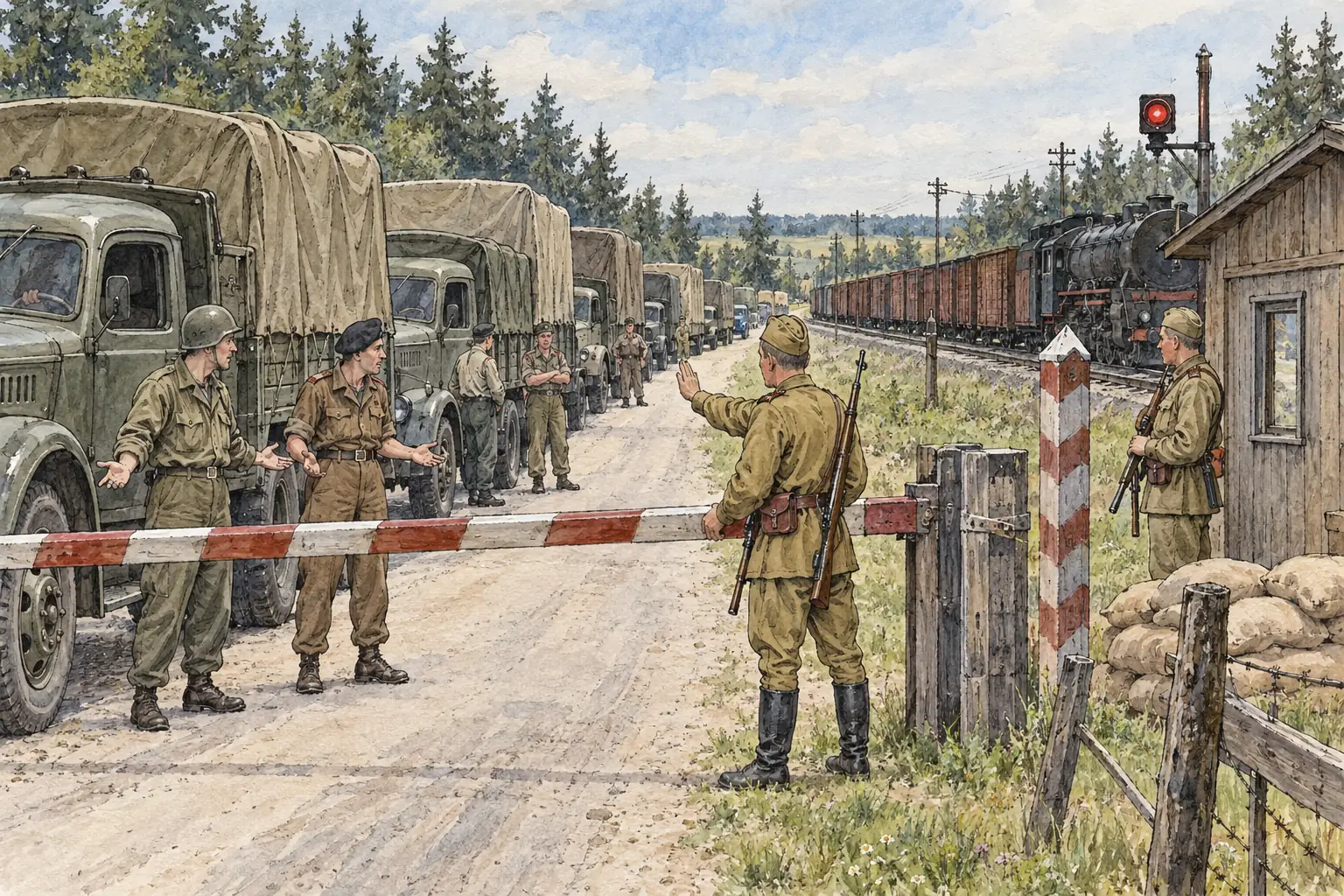
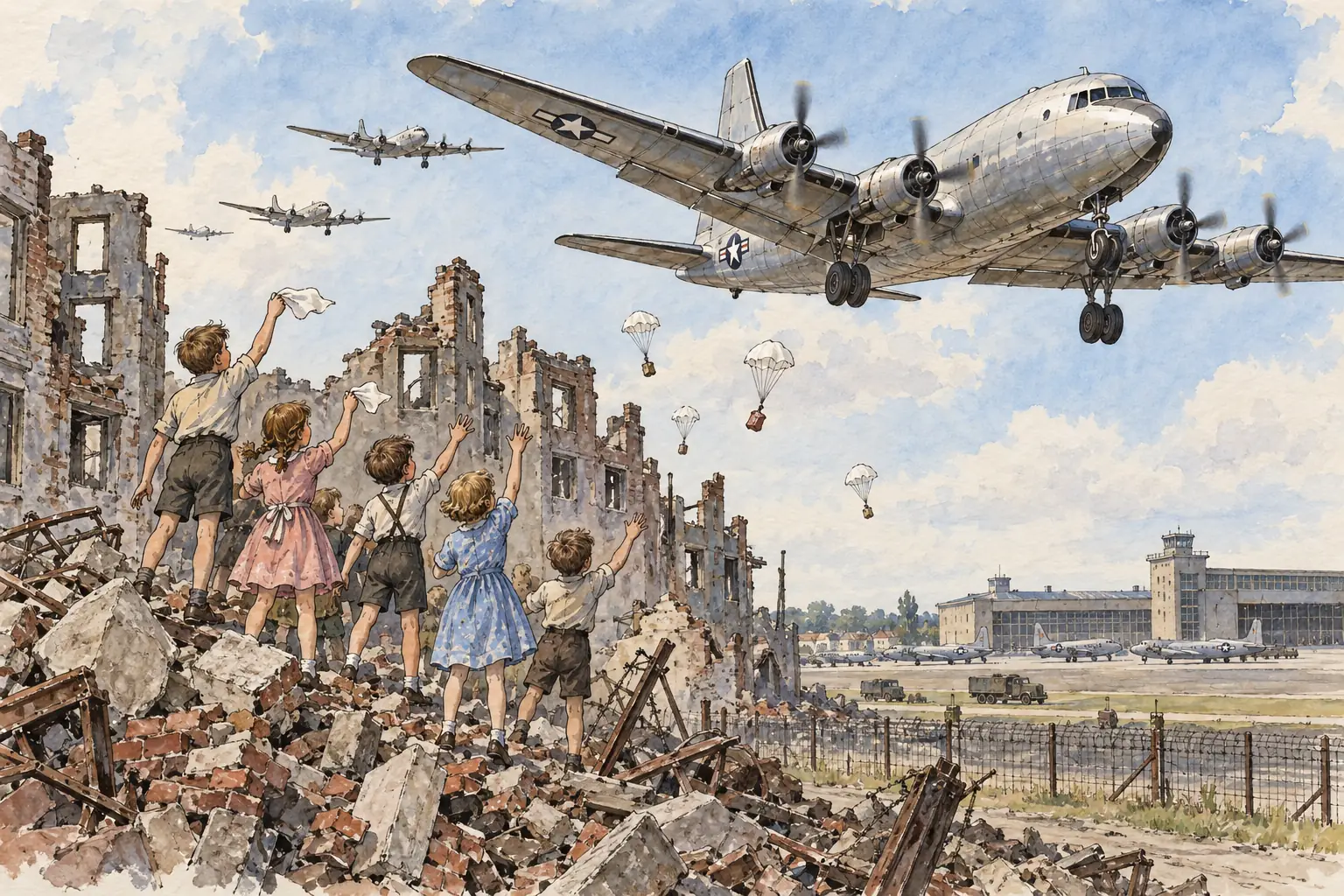
The Berlin Crisis of 1948-49 represented a direct confrontation over control of the city, testing the resolve of both sides. It arose from disputes over currency reforms and broader efforts to unify Western zones.
Causes and events of the Berlin Blockade
- Stalin's blockade in 1948 - In response to Western plans for a separate West German state and currency reforms, Stalin sealed off all road, rail, and canal access to West Berlin, aiming to starve out the Western presence and force unification under Soviet terms.
- Western response: the Berlin Airlift - From June 1948 to May 1949, the US and its allies organised a massive air operation, flying in over two million tonnes of food, fuel, and supplies to sustain West Berlin's population of more than two million people.
Outcomes and long-term impact
- End of the blockade - Stalin lifted the restrictions in May 1949 after realising the airlift's success, though it highlighted the failure of his strategy to expel the West.
- Division of Germany - The crisis led to the formal creation of the Federal Republic of Germany (West Germany) in May 1949 and the German Democratic Republic (East Germany) in October 1949, entrenching the Iron Curtain and symbolising the deepening Cold War divide.