1.3 - Intensification of the Cold War
Key facts and dates
The Cold War escalated during the 1950s through a rapid buildup of nuclear weapons, the creation of opposing military alliances, and violent suppression of dissent in Eastern Europe. These developments deepened divisions between the superpowers and heightened global fears of conflict.
Timeline of key events
- 1949 – USSR tests its first atomic bomb, ending the USA's nuclear monopoly.
- Early 1950s – Both USA and USSR develop hydrogen bombs, far more powerful than atomic weapons.
- 1955 – Warsaw Pact formed in response to West Germany joining NATO.
- 1956 – Hungarian Uprising begins with protests against communist rule.
- November 1956 – Soviet troops invade Hungary to crush the rebellion.
- Late 1956 – International condemnation of the invasion, including Olympic boycotts by some nations.
The nuclear arms race and Cold War tensions
Image 1 of 2: The first hydrogen bomb was tested by the USA at Enewetak Atoll in the Pacific on 1 November 1952
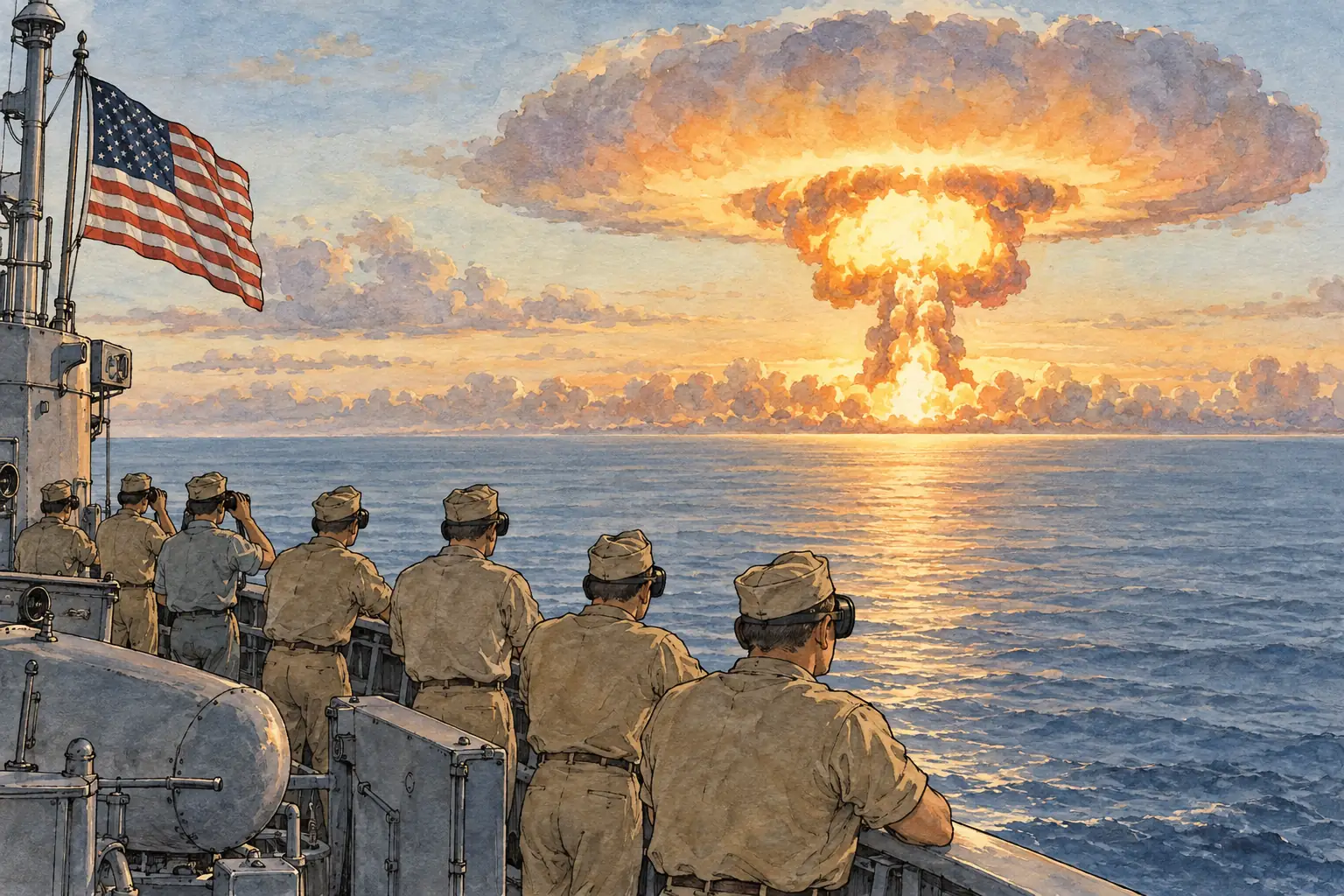
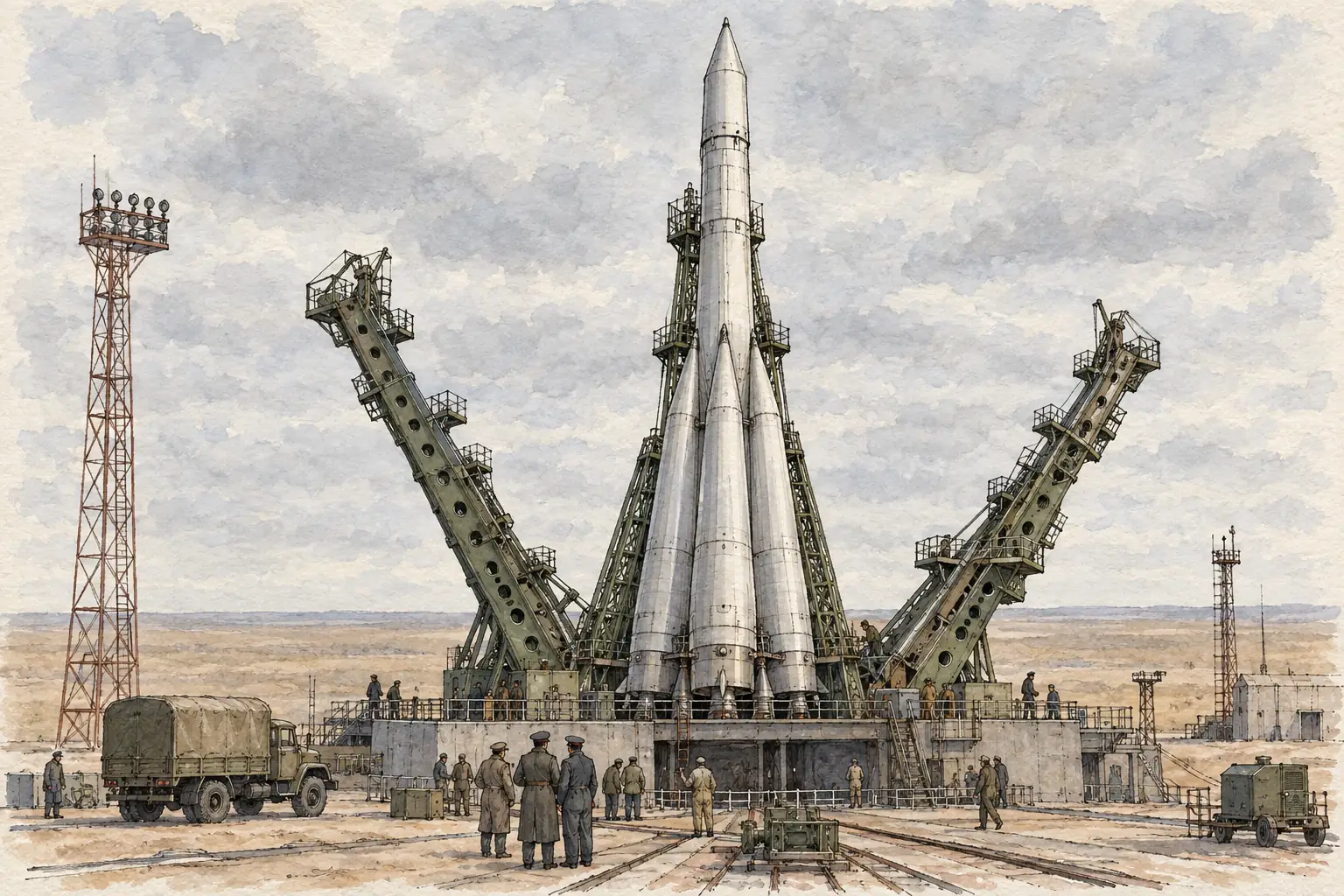
During the 1950s, the United States of America (USA) and the Union of Soviet Socialist Republics (USSR) engaged in a fierce competition to expand their nuclear capabilities. This race began when the USSR successfully tested its own atomic bomb in 1949, breaking the USA's exclusive control over such weapons. Both sides then advanced to creating hydrogen bombs by the early 1950s, which were vastly more destructive.
Reasons for heightened tensions from the arms buildup
- Perceived threats - Each superpower saw the other's growing arsenal as a direct danger, prompting efforts to maintain superiority and avoid falling behind.
- Increased fear and mistrust - The rapid accumulation of weapons fostered suspicion, as neither side could fully verify the other's intentions or stockpiles.
- Doctrine of Mutually Assured Destruction (MAD) - This concept emerged, suggesting that the certainty of total devastation would prevent either side from initiating a nuclear attack, yet it also amplified anxiety about accidental escalation.
Formation of the Warsaw Pact
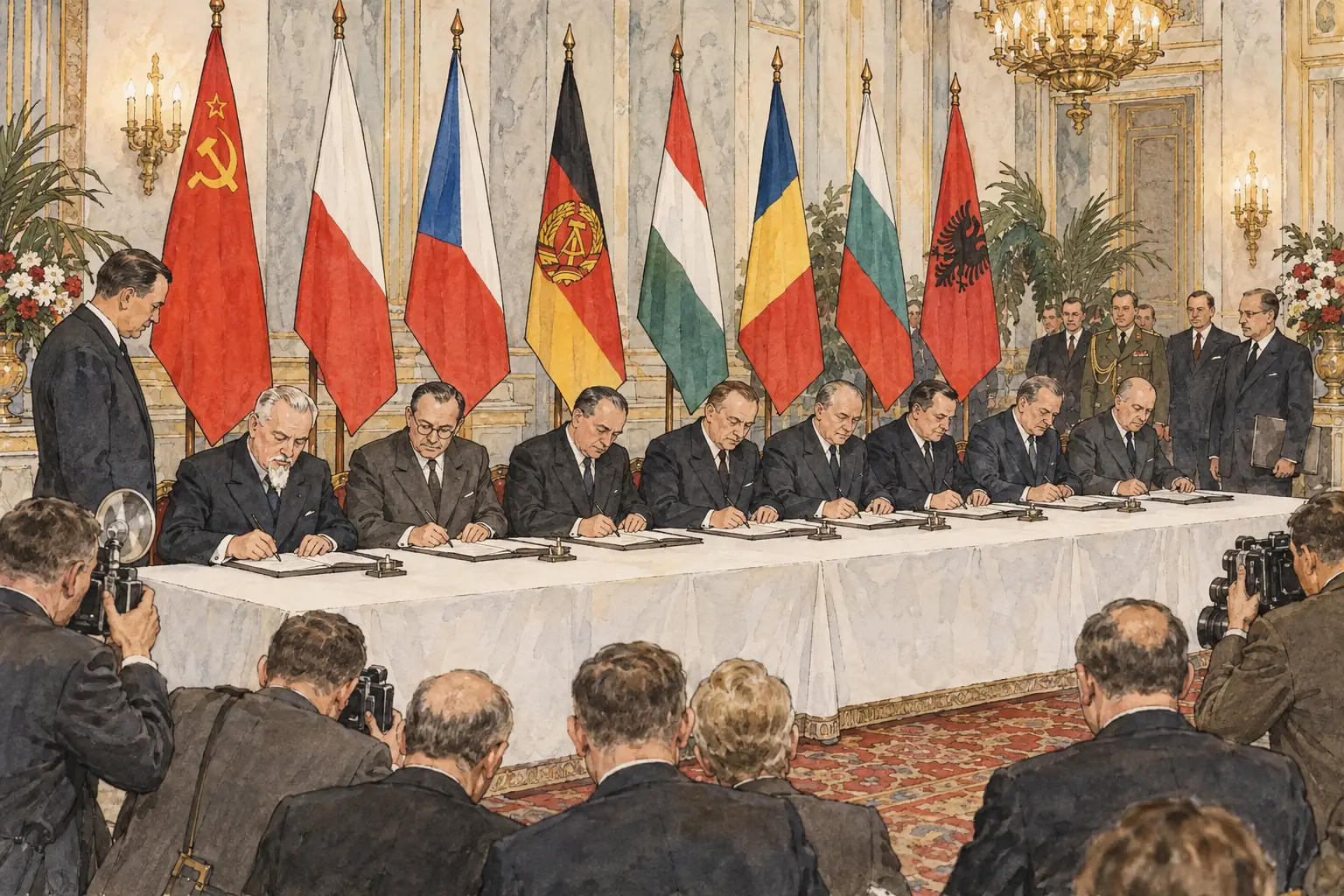
The Warsaw Pact was established in 1955 as a direct counter to the integration of West Germany into the North Atlantic Treaty Organization (NATO) earlier that year. This military alliance bound the USSR with its satellite states in Eastern Europe, including countries like Poland, East Germany, and Czechoslovakia.
Significance of the Warsaw Pact
- Response to NATO expansion - It served as the Soviet Union's strategic reply, formalising control over its allies and balancing Western military strength.
- Division of Europe - The pact solidified the split of the continent into two rival blocs: NATO in the West and the Warsaw Pact in the East, making armed confrontation seem more likely.
- Strengthened Soviet influence - By uniting these nations under a single command, the USSR ensured collective defence and prevented any drift towards Western alliances.
Causes and events of the Hungarian Uprising
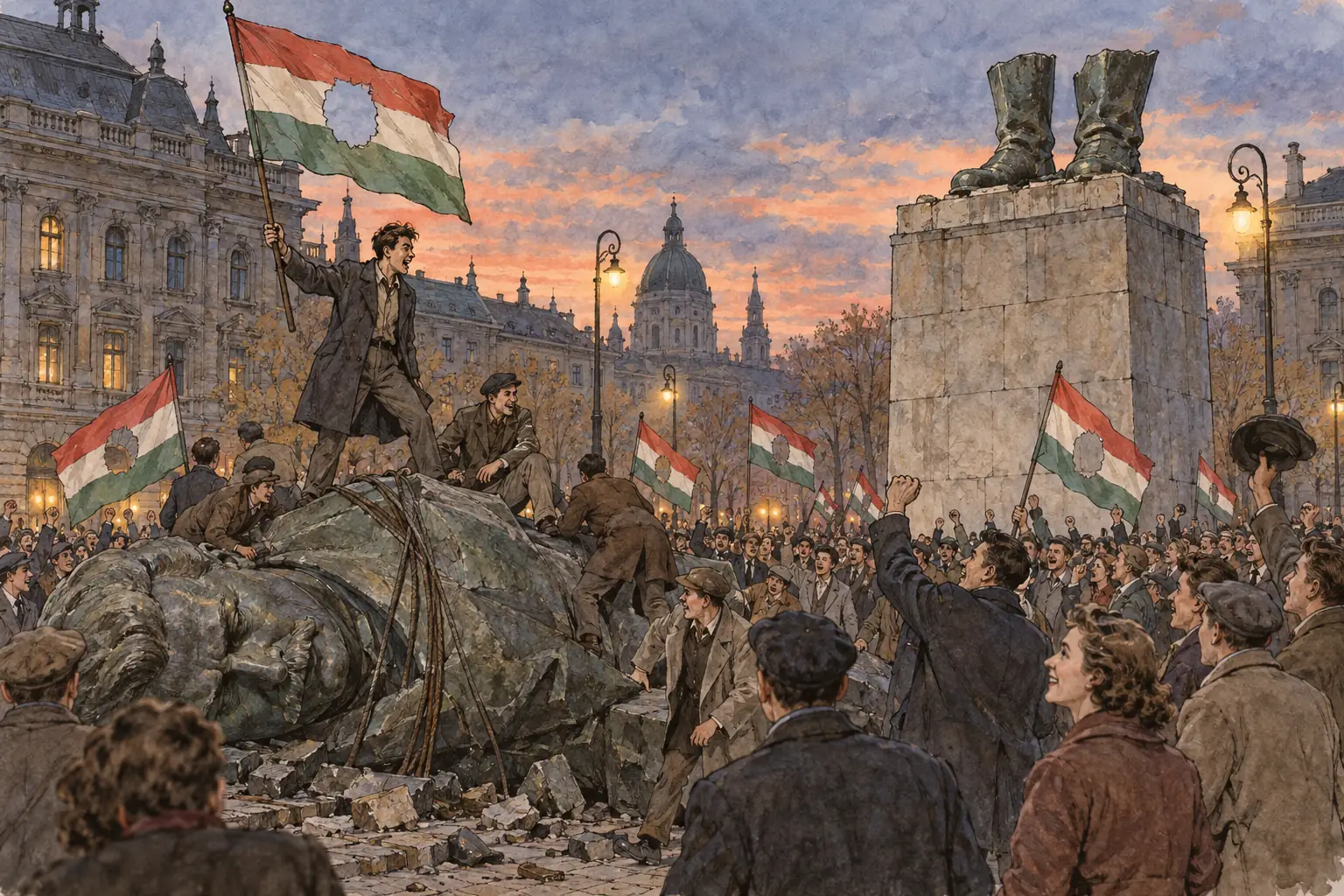
The Hungarian Uprising erupted in 1956 amid widespread dissatisfaction with Soviet-imposed communism. Following Joseph Stalin's death in 1953, Nikita Khrushchev's policy of de-Stalinisation—criticising Stalin's harsh methods—sparked optimism for political relaxation across Eastern Europe.
Key factors leading to the uprising
- Economic hardships - Hungarians endured poverty, food shortages, and poor living standards under the strict regime of leader Mátyás Rákosi.
- Demands for reform - Protests started in Budapest, calling for greater freedoms, the removal of Soviet troops, and an end to oppressive policies.
- Rise of Imre Nagy - As demonstrations grew, reformist Imre Nagy was appointed prime minister; he introduced changes such as allowing multiple political parties and announcing Hungary's intention to withdraw from the Warsaw Pact.
Soviet response to the uprising
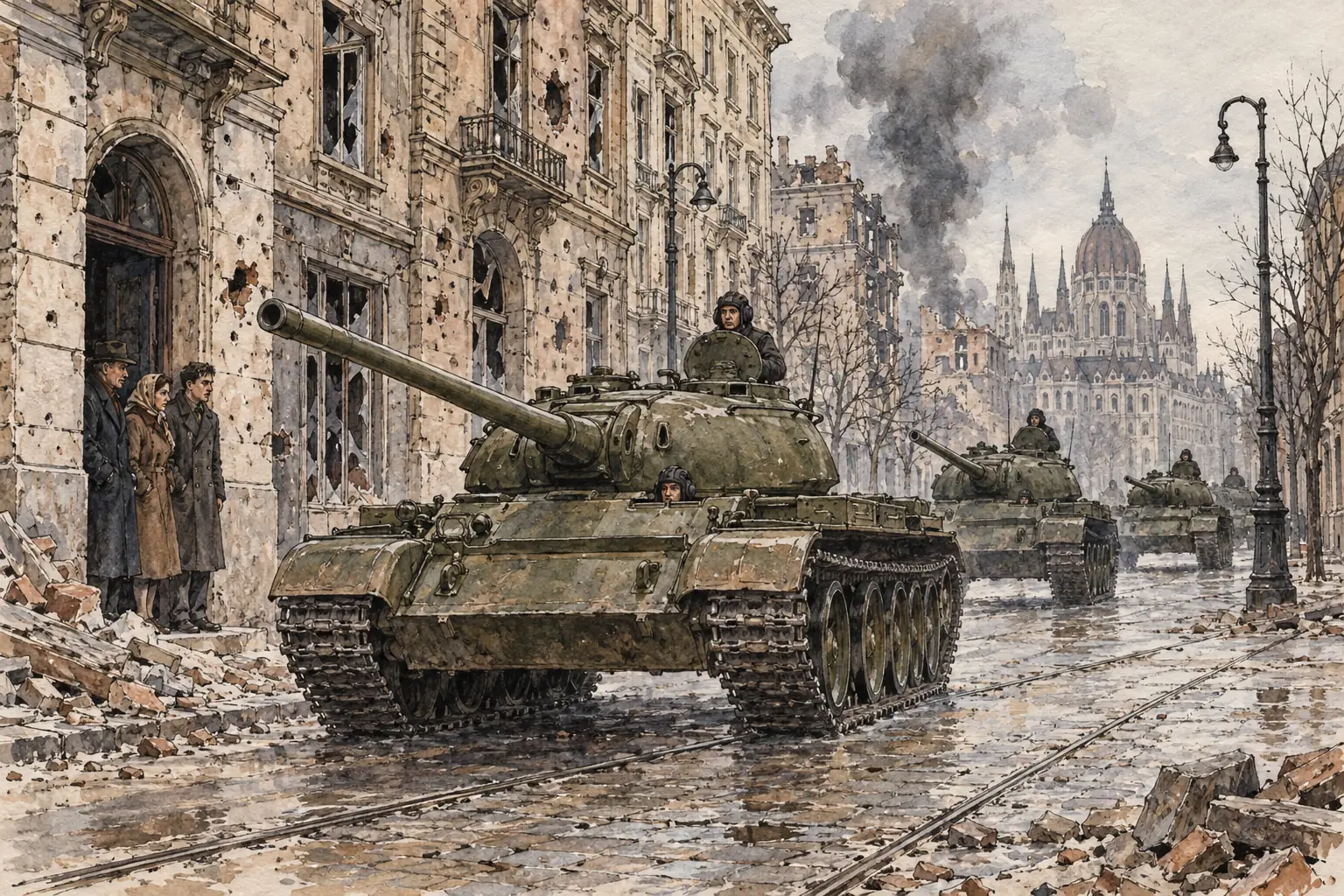
Khrushchev viewed Nagy's reforms as a dangerous rejection of socialism and a threat to the Warsaw Pact's unity. In November 1956, he ordered a massive military intervention, deploying thousands of troops and tanks into Hungary to restore order.
Outcomes of the Soviet intervention
- Suppression of the rebellion - The invasion led to intense fighting, with over 2,000 Hungarians killed and many more wounded or arrested.
- Execution of leaders - Nagy was captured, tried, and executed in 1958, while a pro-Soviet government was installed to replace him.
- Reassertion of control - This action demonstrated the USSR's determination to maintain dominance, quashing hopes for independence in its sphere of influence.
International reaction and significance
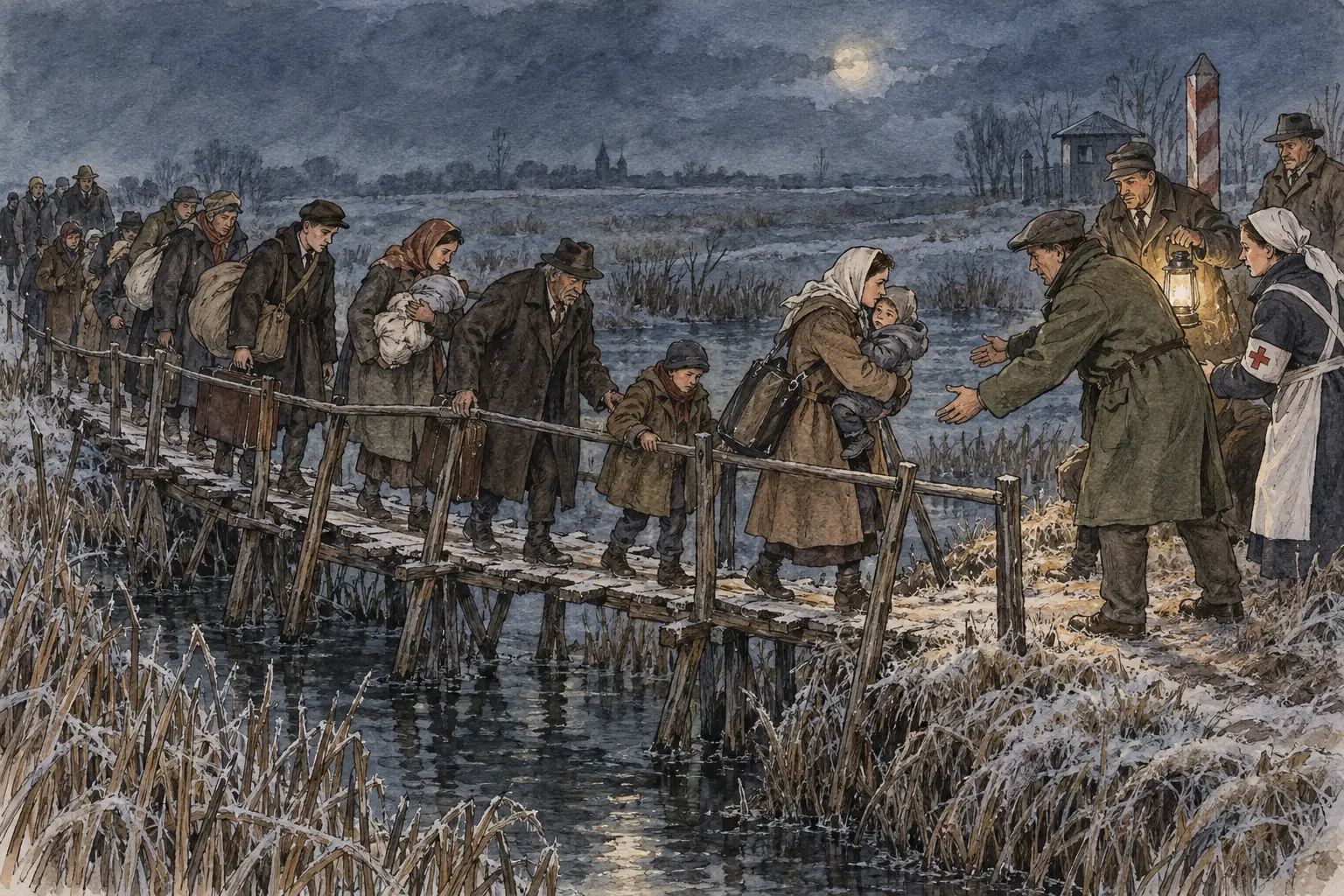
The Soviet crackdown on Hungary drew sharp criticism from the West, though it stopped short of direct intervention. The United Nations passed resolutions denouncing the invasion, and countries like Spain and the Netherlands withdrew from the 1956 Olympic Games in protest.
Key aspects of the global response
- Western condemnation - Leaders in the USA and Europe voiced strong disapproval, and the USA offered asylum to around 200,000 Hungarian refugees fleeing the violence.
- Lack of military aid - Despite rhetoric, no armed support was provided, revealing the West's reluctance to challenge the USSR within its established borders.
- Broader Cold War implications - The events confirmed Soviet authority in Eastern Europe, showed that revolts would face brutal repression, and deepened superpower rivalries by exposing the limits of Western influence behind the Iron Curtain.