3.7 - Opposition, Resistance & Conformity
Key facts and dates
Opposition to the Nazi regime in Germany from 1933 to 1945 was varied but generally limited, with most Germans showing some form of conformity due to a mix of support, fear, and pragmatism. Key aspects included youth groups challenging cultural norms, religious criticism, and subtle worker dissent, though these efforts were often isolated and suppressed.
Key facts to remember
- Genuine enthusiasm – Many supported the regime for its promises of national revival and economic stability.
- Opportunistic compliance – Individuals conformed to gain personal advantages, such as career progression.
- Rule by fear – The Gestapo and concentration camps enforced obedience through terror.
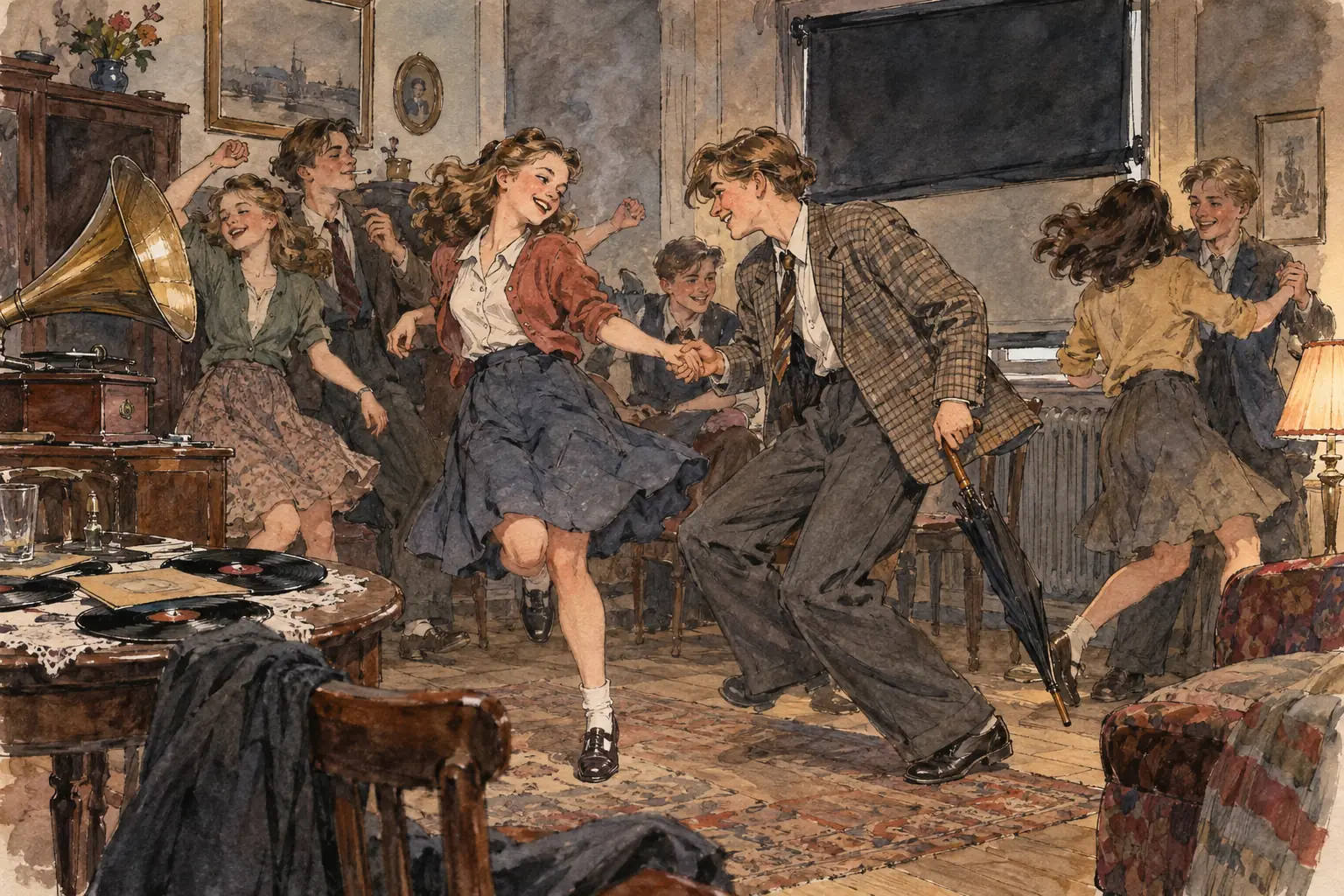
- Swing Youth – Informal groups of young people who rejected Nazi culture by embracing jazz and Western fashions.
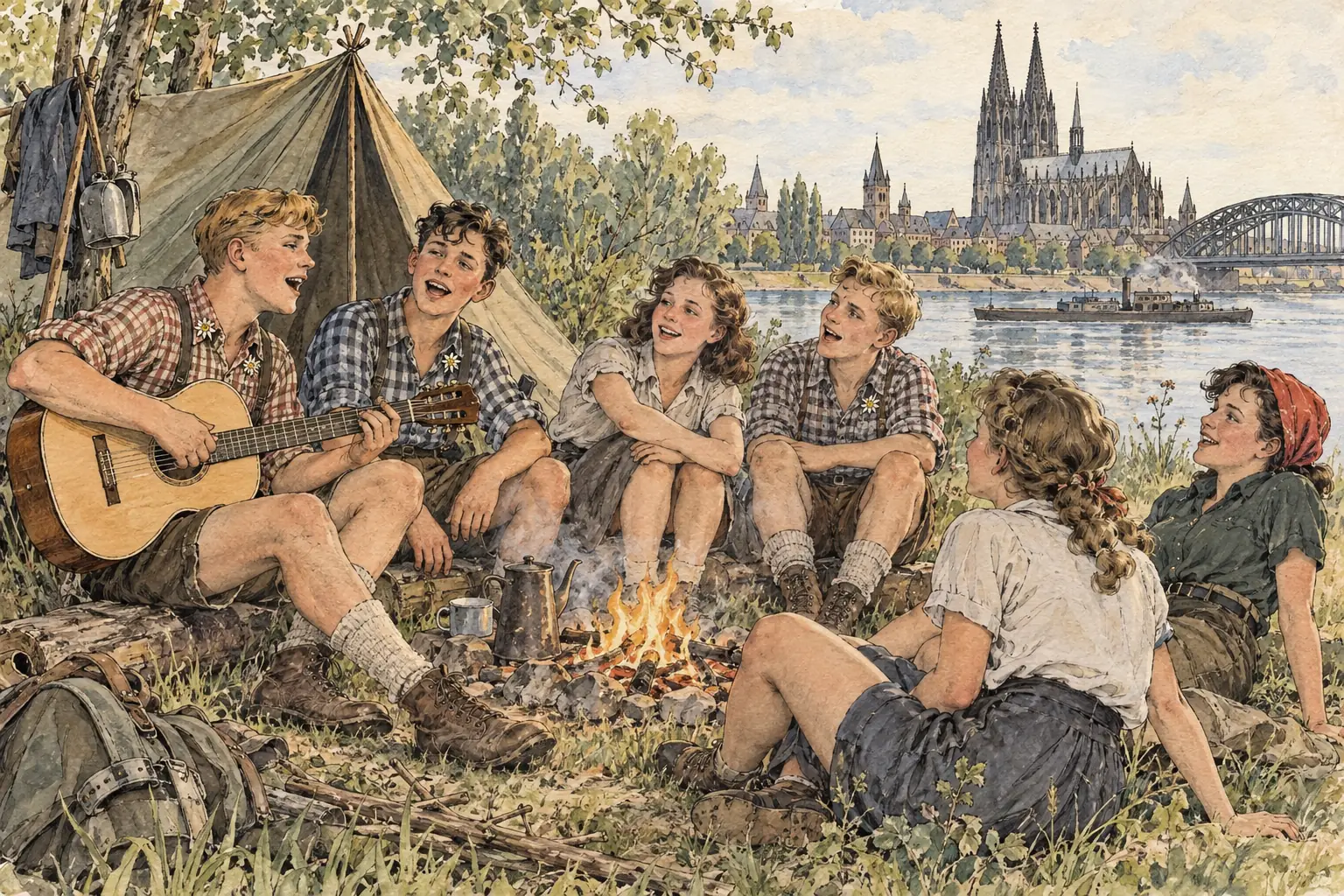
- Edelweiss Pirates – Working-class youth who engaged in non-conformity, including sabotage during wartime.
- Church-based criticism – Protestant and Catholic leaders occasionally spoke out against policies like euthanasia.
- Worker resistance – Small-scale actions like slowdowns or absenteeism in factories.
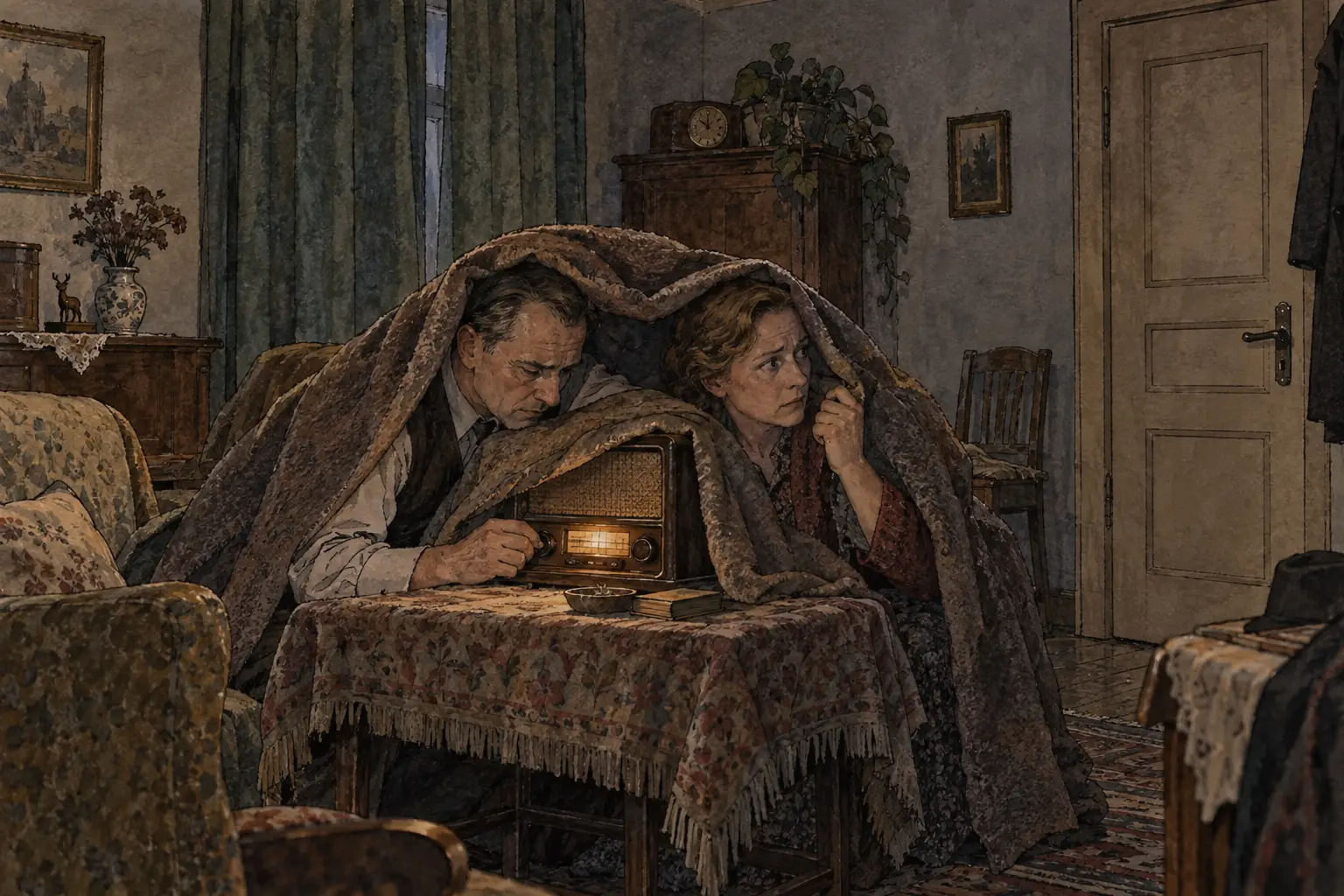
- Private dissent – Everyday grumbling or listening to foreign radio, often hidden to avoid punishment.
Levels of support for the Nazi regime
Support for the Nazi regime among Germans varied widely, ranging from active backing to passive acceptance. This spectrum can be understood through three main categories: genuine enthusiasm, opportunistic compliance, and conformity driven by fear. These levels helped maintain the regime's stability despite underlying tensions.
Categories of support and conformity
- Genuine enthusiasm - A significant portion of the population actively endorsed the regime, particularly in its early years, due to perceived successes like reduced unemployment and national pride from events such as the 1936 Olympics. Supporters often joined organisations like the Hitler Youth or believed in the regime's ideological goals.
- Opportunistic compliance - Many Germans went along with the regime to secure personal benefits, such as job opportunities, promotions, or social status. This included joining the Nazi Party for career advantages or participating in public rallies to avoid suspicion, without deep ideological commitment.
- Rule by fear - Obedience was often enforced through intimidation, with the secret police monitoring dissent and severe punishments for non-conformity. This created a climate where people conformed outwardly to protect themselves and their families, even if they harboured private reservations.
Forms of opposition and resistance
Image 1 of 3: The Swing Youth rejected Nazi culture by dancing to banned American jazz
While outright rebellion was rare, various groups and individuals engaged in opposition through non-conformity, criticism, and subtle resistance. These efforts were typically small-scale and focused on specific issues, reflecting the diverse sources of discontent within society.
Youth non-conformity and groups
- Swing Youth - Urban, middle-class young people who rejected Nazi regimentation by listening to banned jazz music, wearing distinctive clothing like long jackets, and socialising in informal clubs. Their activities challenged the regime's cultural controls but were largely apolitical.
- Edelweiss Pirates - Working-class youth groups, often from industrial areas, who evaded Hitler Youth obligations, sang anti-Nazi songs, and during the war engaged in minor sabotage like distributing leaflets or aiding deserters. They represented a form of rebellious independence rather than organised politics.
Church-based criticism
Religious leaders occasionally voiced opposition, particularly on moral grounds. Protestant pastors like Dietrich Bonhoeffer criticised the regime's interference in church affairs and policies such as the persecution of Jews. Catholic bishops issued statements against euthanasia programmes, though overall church resistance was cautious to avoid full confrontation.
Small-scale worker resistance
Factory workers expressed dissent through everyday actions like deliberate slowdowns in production, high absenteeism rates, or spreading rumours. These were often motivated by poor working conditions and wartime hardships, but remained fragmented without union support, which had been banned.
Private dissent
Many Germans engaged in low-level opposition at home, such as listening to forbidden BBC broadcasts, telling anti-regime jokes, or grumbling about food shortages. This form of resistance was widespread but hidden, as public expression could lead to denunciation by neighbours or colleagues.
Reasons for fragmented and limited opposition
Opposition to the regime was rarely effective due to its disjointed nature and the high risks involved. Groups operated in isolation, lacking coordination, which made it easier for the authorities to suppress them.
Factors contributing to fragmentation and danger
- Lack of unity - Different opposition groups had varying goals; for example, youth non-conformists focused on cultural freedom, while church critics emphasised ethics, preventing a unified front.
- Suppression and surveillance - The regime's extensive police network, including the Gestapo, infiltrated groups and used informants, making organised resistance highly dangerous with severe consequences like imprisonment or execution.
- Social and ideological divisions - Many potential opponents were divided by class, religion, or region, and some initially supported aspects of the regime, such as economic policies, which diluted resolve.
- Wartime constraints - During the Second World War, opposition became even riskier as resources were diverted to the war effort, and acts of dissent were treated as treason.
Methods to sustain the dictatorship
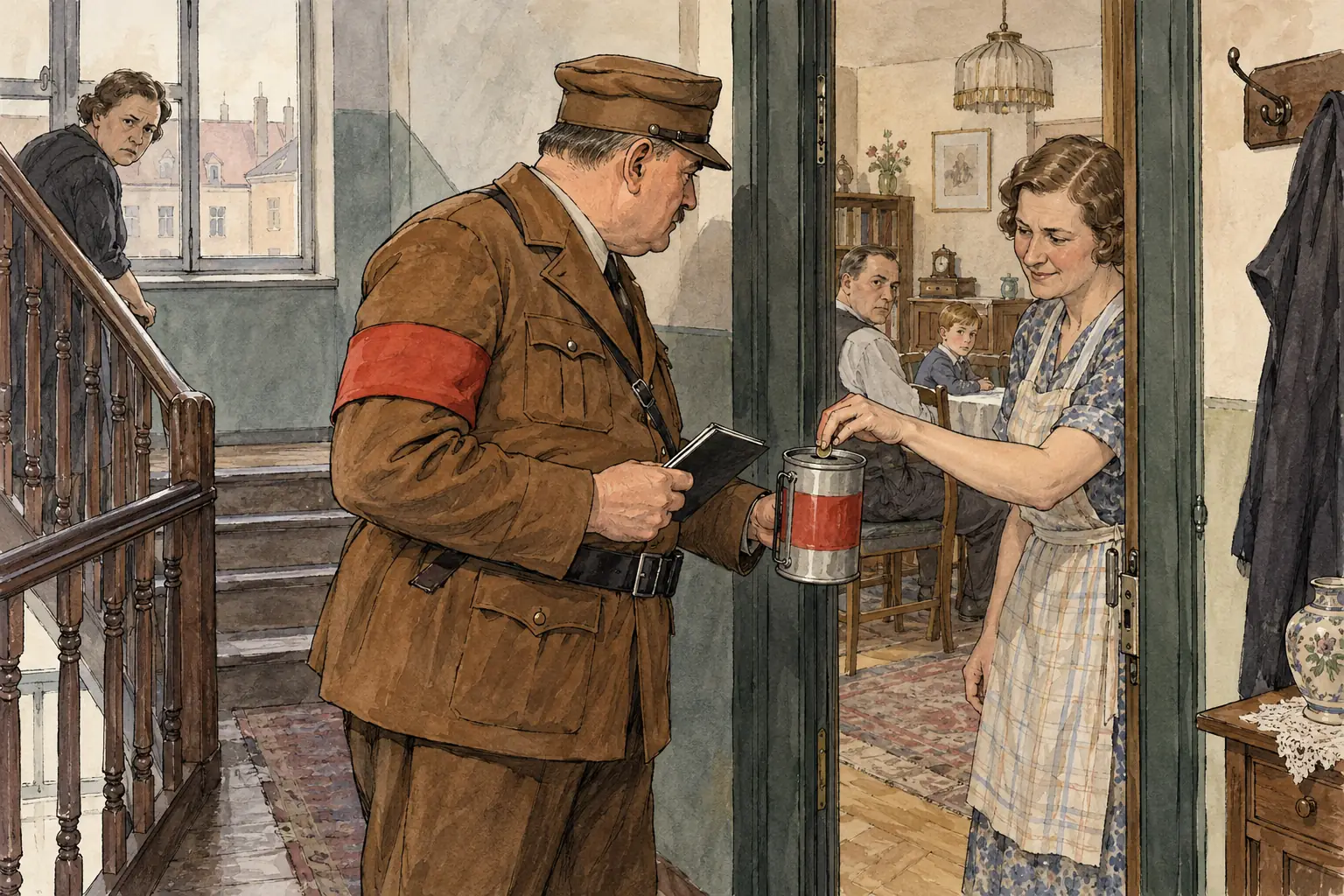
The Nazi regime maintained power through a strategic combination of coercion, propaganda, and economic improvements. These elements created an environment where conformity was encouraged and opposition was minimised.
Key methods of control
- Coercion - The use of terror through agencies like the SS and concentration camps deterred resistance, with laws enabling arbitrary arrests and a network of block wardens monitoring neighbourhoods.
- Propaganda - Led by Joseph Goebbels, state-controlled media, posters, and rallies promoted Nazi ideology, fostering loyalty and portraying the regime as successful and unifying.
- Economic improvement - Policies that reduced unemployment through public works and rearmament provided tangible benefits, winning support from workers and businesses, which outweighed grievances for many. This blend ensured broad compliance, as the perceived advantages and risks of dissent outweighed the appeal of opposition for most Germans.