2.2 - The Munich Putsch, 1923
Key facts and dates
The Munich Putsch of 1923 occurred amid severe economic and political turmoil in Germany, as the Weimar Republic grappled with invasion, financial collapse, and internal unrest. This failed coup attempt by Adolf Hitler and the Nazi Party highlighted the fragility of the young democracy and shaped future Nazi strategies.
Timeline of key events
- January 1923 – French and Belgian troops occupy the Ruhr region to enforce reparations, sparking passive resistance and economic chaos.
- Summer 1923 – Hyperinflation peaks, with the German mark becoming virtually worthless, causing widespread hardship.
- 8 November 1923 – Hitler and Nazi supporters seize a beer hall in Munich, declaring a national revolution and pressuring Bavarian leaders.
- 9 November 1923 – The putsch march in Munich is halted by police; 16 Nazis are killed in the clash.
- February–April 1924 – Hitler's trial for treason draws national attention; he receives a lenient five-year sentence but serves only nine months.
- 1924 – While imprisoned, Hitler writes Mein Kampf, outlining Nazi ideology including anti-Semitism and Lebensraum.
- 1925 – Nazi Party is refounded, shifting focus to legal electoral strategies and nationwide expansion.
Causes of the Munich Putsch in 1923
In 1923, Germany faced a series of crises that weakened the Weimar Republic and created an opportunity for extremist groups like the Nazis to challenge the government. Adolf Hitler, leader of the National Socialist German Workers' Party (NSDAP), believed the time was ripe for a seizure of power, inspired by Mussolini's successful March on Rome in 1922.
Key factors leading to the putsch
- Occupation of the Ruhr - French and Belgian forces invaded Germany's industrial heartland in January 1923 to extract unpaid reparations under the Treaty of Versailles, prompting passive resistance from workers and crippling production.
- Hyperinflation crisis - The government's decision to print money to pay striking Ruhr workers led to runaway inflation; by late 1923, prices soared astronomically, wiping out savings and causing mass unemployment and poverty.
- Political instability - Widespread discontent with the Weimar government's handling of these issues fuelled support for right-wing groups; Hitler saw parallels with Italy and aimed to stage a 'March on Berlin' to overthrow the regime.
- Bavarian unrest - Bavaria, a conservative stronghold, was at odds with the central government in Berlin; local leaders like Gustav von Kahr considered their own rebellion, which Hitler hoped to exploit.
- Nazi ambitions - With growing membership and armed SA stormtroopers, Hitler believed a bold move could rally nationalists, including war hero General Erich Ludendorff, to establish a new authoritarian order.
Events of the Beer Hall Putsch
Image 1 of 2: Armed Nazis held the Bürgerbräukeller on the night of 8 November 1923 while Hitler forced Kahr and the Bavarian leaders to back his revolution
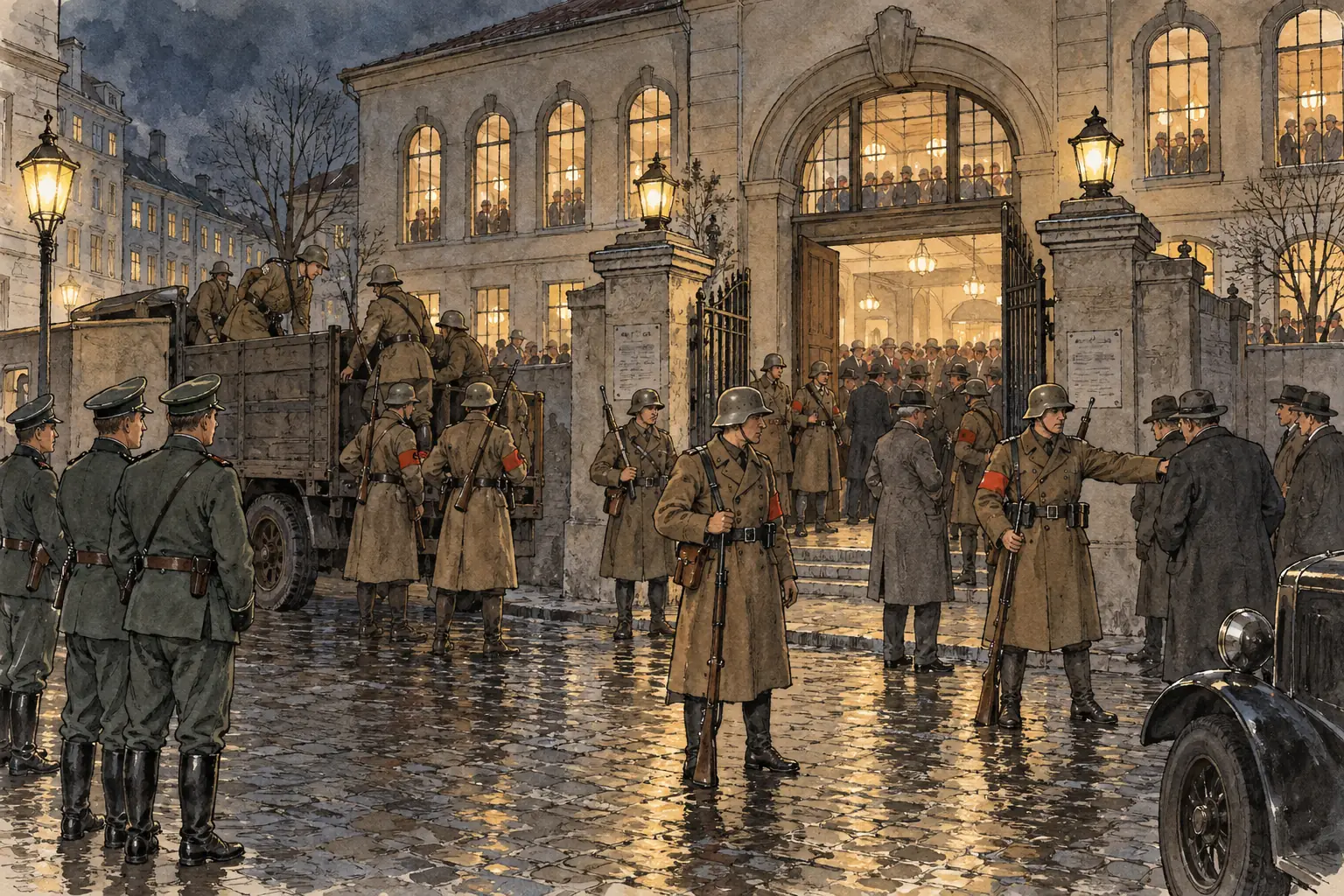
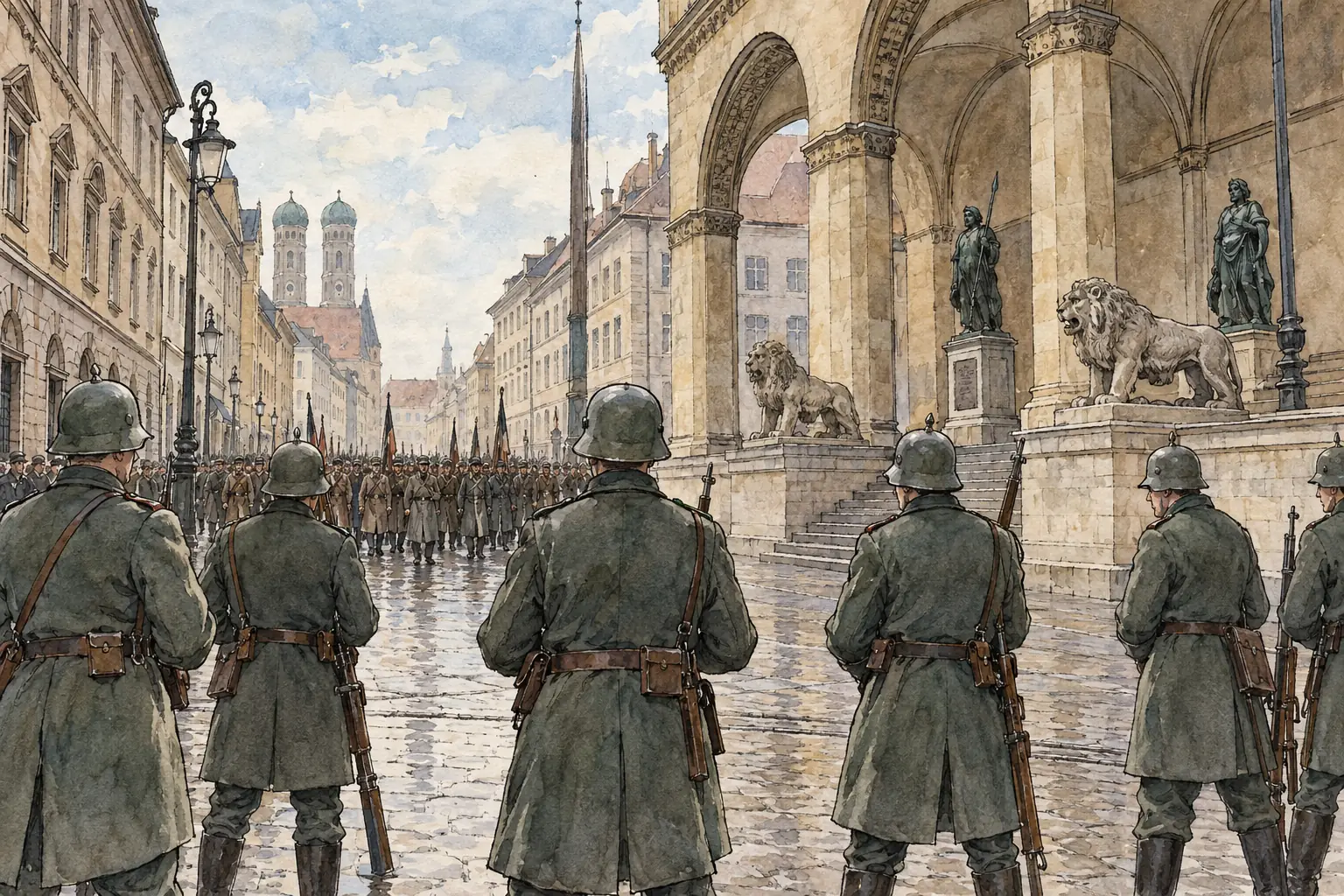
The Munich Putsch, also known as the Beer Hall Putsch, was a poorly planned attempt by Hitler and his followers to seize control in Bavaria as a stepping stone to national power. It unfolded over two days in November 1923, involving dramatic confrontations but ultimately collapsing due to lack of broader support.
Sequence of events during the putsch
- Seizure of the beer hall - On 8 November, Hitler interrupted a meeting of Bavarian officials at the Bürgerbräukeller in Munich, firing a shot into the ceiling and declaring a revolution; he coerced leaders like von Kahr into supporting his 'national government'.
- Involvement of Ludendorff - General Ludendorff, a respected First World War figure, joined the plotters, lending credibility; the group announced the overthrow of the Weimar Republic and planned to march on Berlin.
- Overnight developments - While Hitler left to rally more supporters, von Kahr and others reneged on their forced pledges and alerted authorities; Nazi forces occupied key buildings but failed to secure widespread backing.
- The failed march - On 9 November, around 2,000 Nazis, led by Hitler and Ludendorff, marched towards the city centre; they encountered a police blockade at the Odeonsplatz, where gunfire erupted, killing 16 Nazis and four policemen.
Immediate consequences and suppression
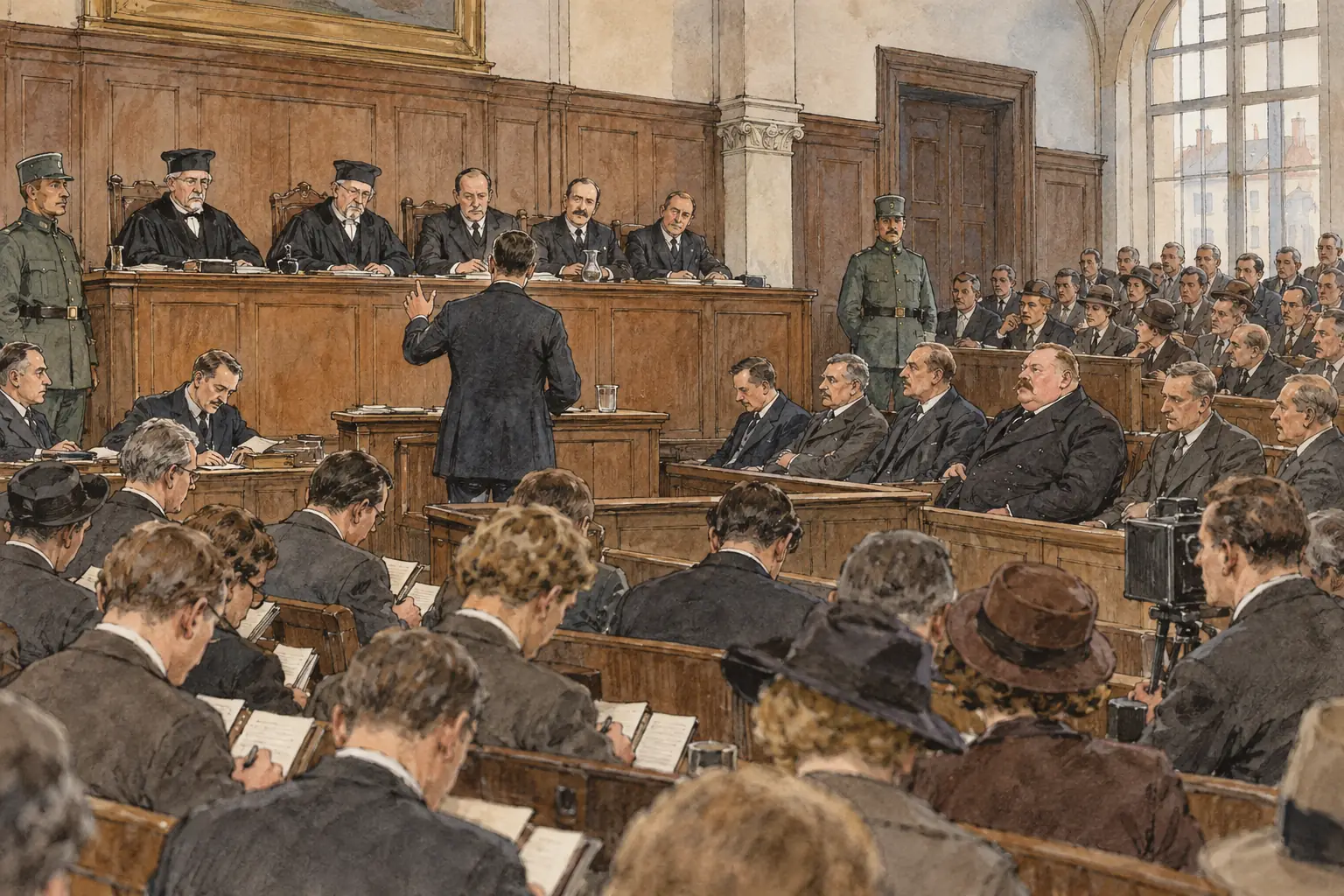
The putsch was swiftly crushed by state forces, exposing the Nazis' organisational weaknesses. However, the aftermath provided Hitler with unexpected opportunities to promote his ideas, turning a defeat into a propaganda victory.
Suppression and short-term outcomes
- Rapid defeat - Bavarian police and army units loyal to the government quickly dispersed the rebels; Ludendorff was arrested on the spot, while Hitler fled but was captured two days later hiding in a supporter's home.
- Casualties and arrests - The clash resulted in deaths on both sides, with many Nazi leaders detained; the party was temporarily banned, and its newspaper shut down.
- Hitler's trial - In February 1924, Hitler stood trial for high treason in Munich; he used the courtroom as a platform to denounce the Weimar Republic and articulate Nazi grievances, gaining national publicity.
- Lenient sentencing - Sympathetic judges imposed a minimum five-year sentence on Hitler, who served only nine months in comfortable conditions at Landsberg Prison; Ludendorff was acquitted, highlighting judicial bias towards the right.
Long-term impacts on Hitler and the Nazi Party
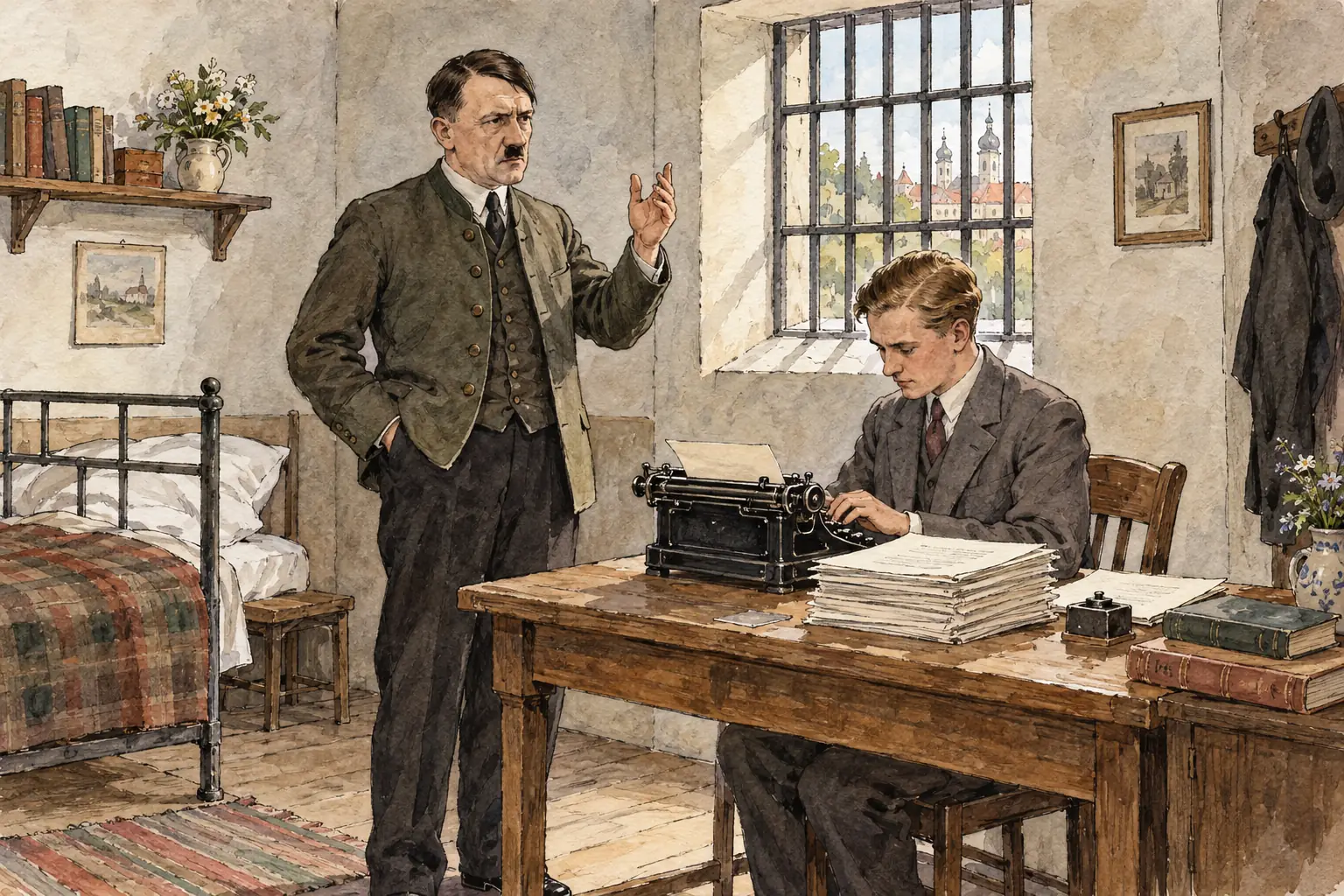
Despite its failure, the Munich Putsch marked a turning point for the Nazis, prompting a strategic rethink that contributed to their later rise. Hitler emerged stronger, with refined ideology and a focus on legal paths to power.
Key lessons and developments
- Writing of Mein Kampf - During imprisonment, Hitler dictated his manifesto, Mein Kampf, which outlined core Nazi beliefs such as anti-Semitism, the need for Lebensraum (living space), and the Führer principle of absolute leadership.
- Shift to legal strategies - Recognising the futility of armed revolt, Hitler decided to pursue power through elections and democratic means, aiming to subvert the system from within.
- Party reorganisation - Upon release, Hitler refounded the NSDAP in 1925, expanding it nationwide with branches in every region; he strengthened the SA and created the SS for personal protection.
- Propaganda gains - The putsch was reframed as a heroic sacrifice, with annual commemorations boosting Nazi mythology; it also attracted more members disillusioned with Weimar's instability.
- Broader significance - The event exposed Weimar's vulnerabilities but also its resilience in suppressing threats; for the Nazis, it provided invaluable experience in mobilisation and ideology.