3.1 - The Church & Feudal System
Key facts and dates
The Norman Conquest introduced a rigid feudal system and significant reforms to the English Church, reshaping social hierarchies and religious institutions. These changes helped consolidate William the Conqueror's control, though elements of everyday life persisted.
Timeline of key events
- 1066 – William the Conqueror claims ownership of all English land, establishing the feudal system.
- 1070 – Deposition of Anglo-Saxon Archbishop Stigand and appointment of Norman Lanfranc as Archbishop of Canterbury.
- 1070s onwards – Replacement of many Anglo-Saxon bishops with Normans and introduction of Church reforms.
- Late 11th century – Establishment of church courts and rebuilding of cathedrals in Norman Romanesque style.
- Throughout William's reign – Church leaders, including Lanfranc, serve as royal advisors and regents, aligning the Church with Norman government.
The structure of the Norman feudal system
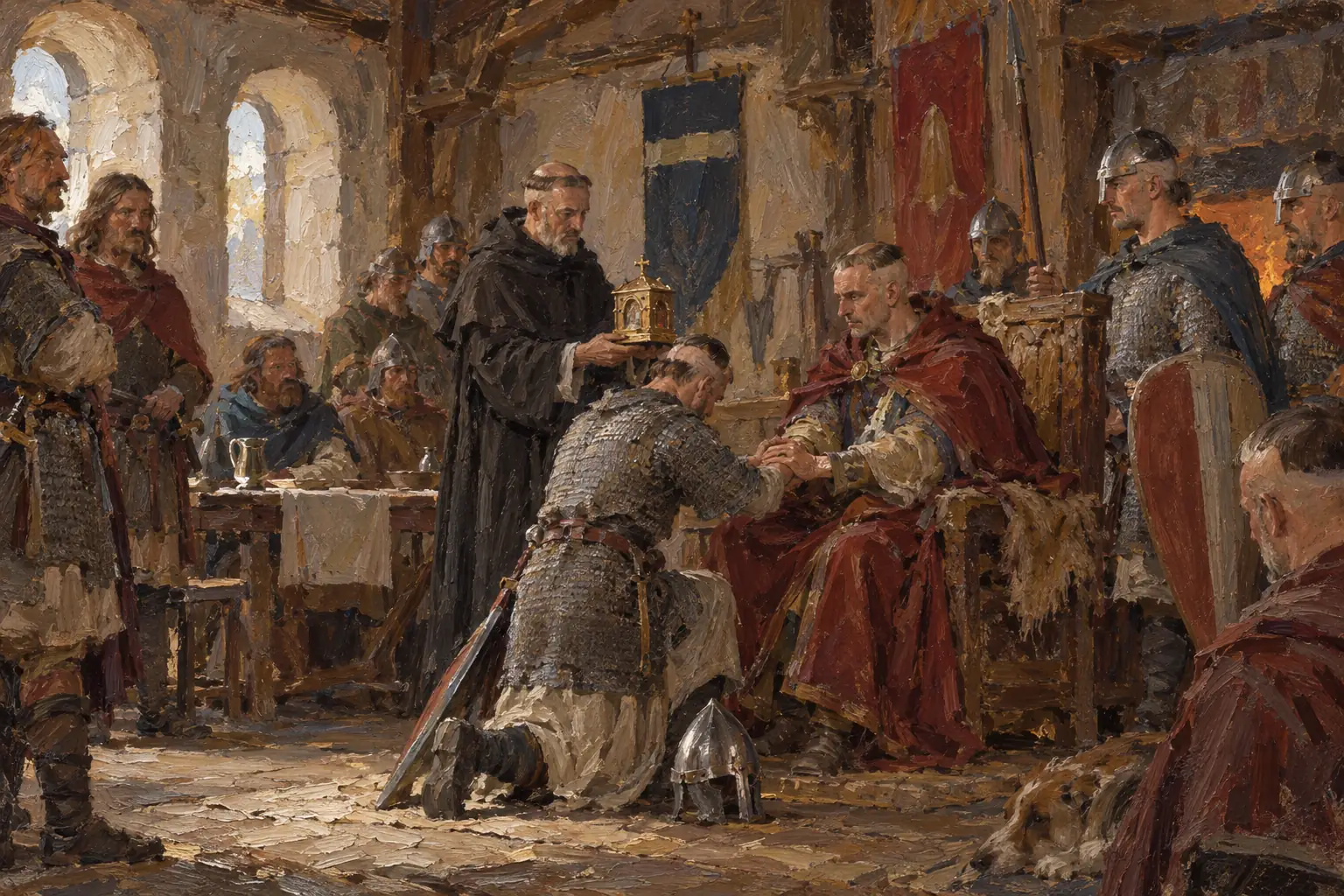
William the Conqueror introduced a new feudal system in England after the Conquest, claiming personal ownership of all land to ensure loyalty and control. This created a strict hierarchy where land was distributed in exchange for services, binding society through a chain of obligations.
Hierarchy of the feudal system
- The king - At the top, William granted large areas of land, known as fiefs, to his most trusted followers while retaining ultimate authority.
- Tenants-in-chief - These were loyal Norman barons and bishops who received extensive estates; in return, they swore oaths of homage to the king.
- Knights - Positioned below tenants-in-chief, knights were given smaller portions of land, called knight's fees, to support their role in the cavalry.
- Peasants - At the bottom, the majority of the population worked the land, farming for their lords and sustaining the entire system.
Obligations and punishments in the feudal system
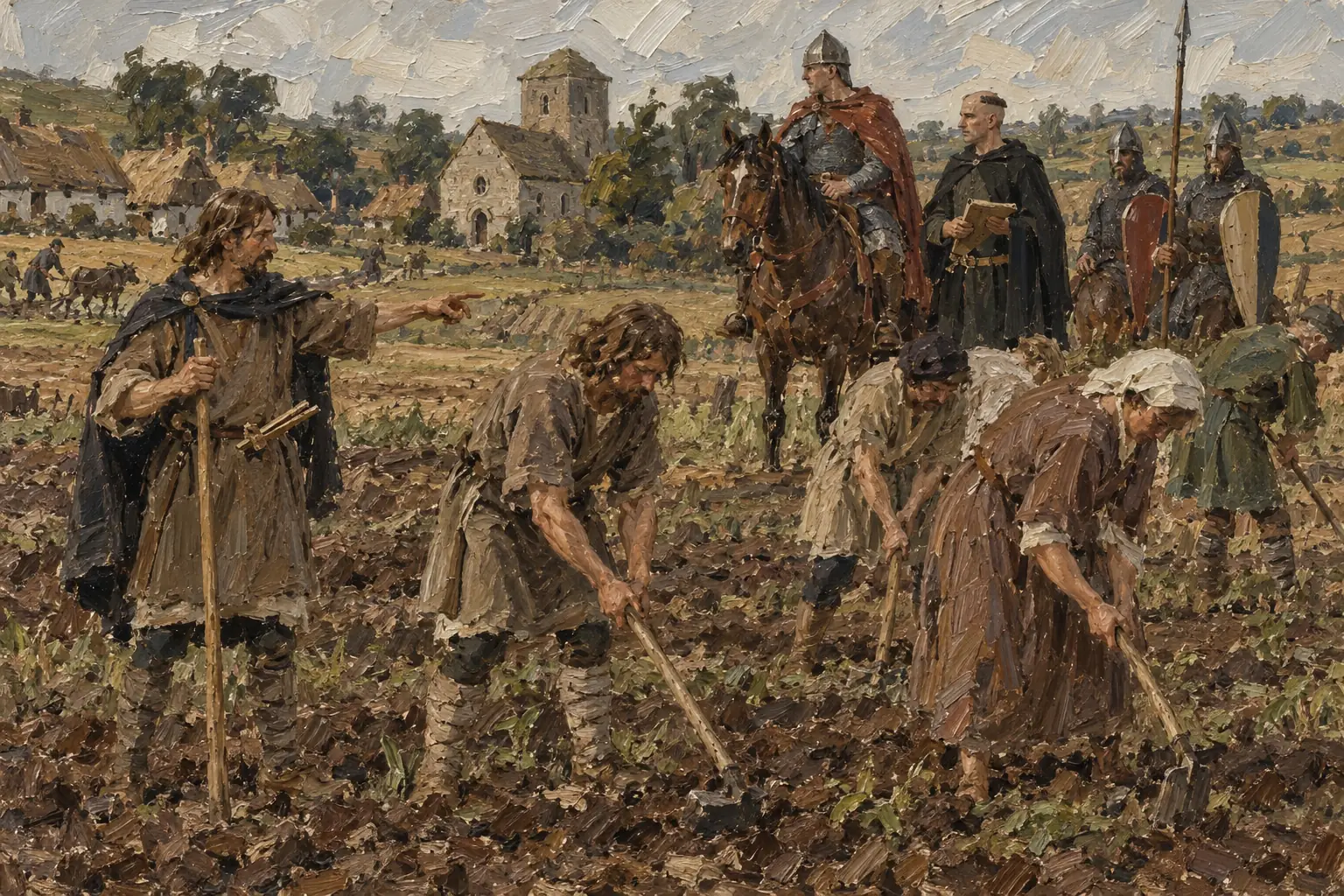
The feudal system relied on mutual obligations, where each level provided services to those above in exchange for land and protection. Failure to meet these duties could result in severe consequences, reinforcing the king's authority.
Key obligations within the system
- Homage and military service - Tenants-in-chief and knights swore loyalty and provided armed support, such as around 40 days of knight service each year to fight in the king's forces.
- Labour service - Peasants were required to work on their lord's private land, known as the demesne, performing tasks like ploughing and harvesting.
- Other duties - vassals might also offer advice in councils or financial aid during emergencies, ensuring the system's stability.
Punishments for failing duties
- Forfeiture - If a vassal rebelled or neglected obligations, their land could be seized by the king or superior lord.
- Enforcement mechanisms - This threat maintained discipline, as losing land meant loss of status and livelihood, deterring disloyalty across the hierarchy.
Normanisation of the English Church
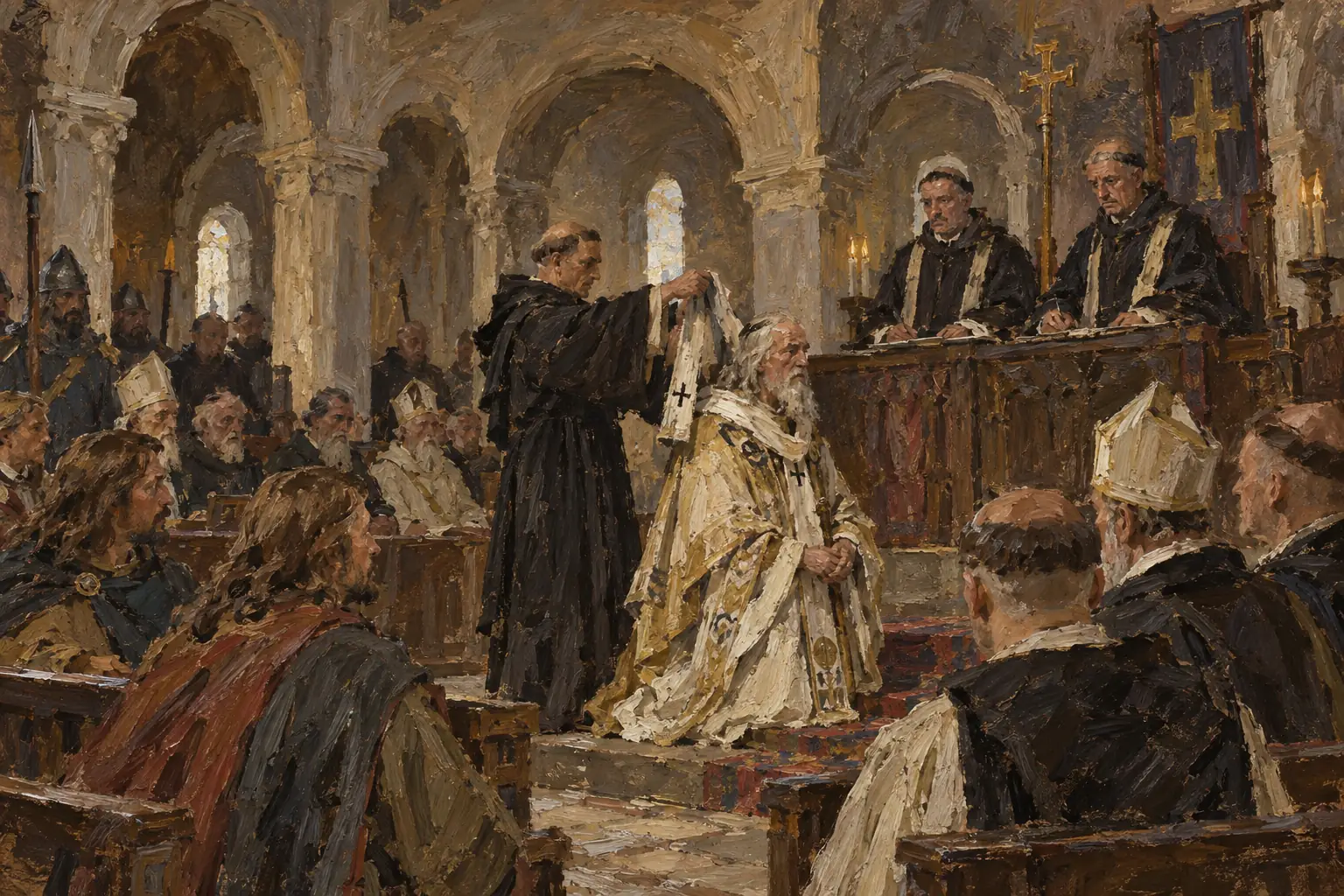
The Church was a major power in medieval society, owning vast lands, influencing morals, and advising rulers. William the Conqueror sought to bring it under Norman control to secure his regime, replacing key Anglo-Saxon figures with Normans.
Steps in Normanising the Church
- Deposition of Anglo-Saxon leaders - In 1070, William removed Stigand, the last Anglo-Saxon Archbishop of Canterbury, who was accused of corrupt practices.
- Appointment of Normans - Lanfranc, a trusted Norman scholar, was installed as the new archbishop, and many Anglo-Saxon bishops were gradually replaced by Norman ones.
- Alignment with royal power - The Church's influence was harnessed to support Norman rule, with leaders like Lanfranc acting as regents during the king's absences in Normandy.
Reforms introduced by Lanfranc
Image 1 of 2: Lanfranc held regular church councils to set rules for the clergy
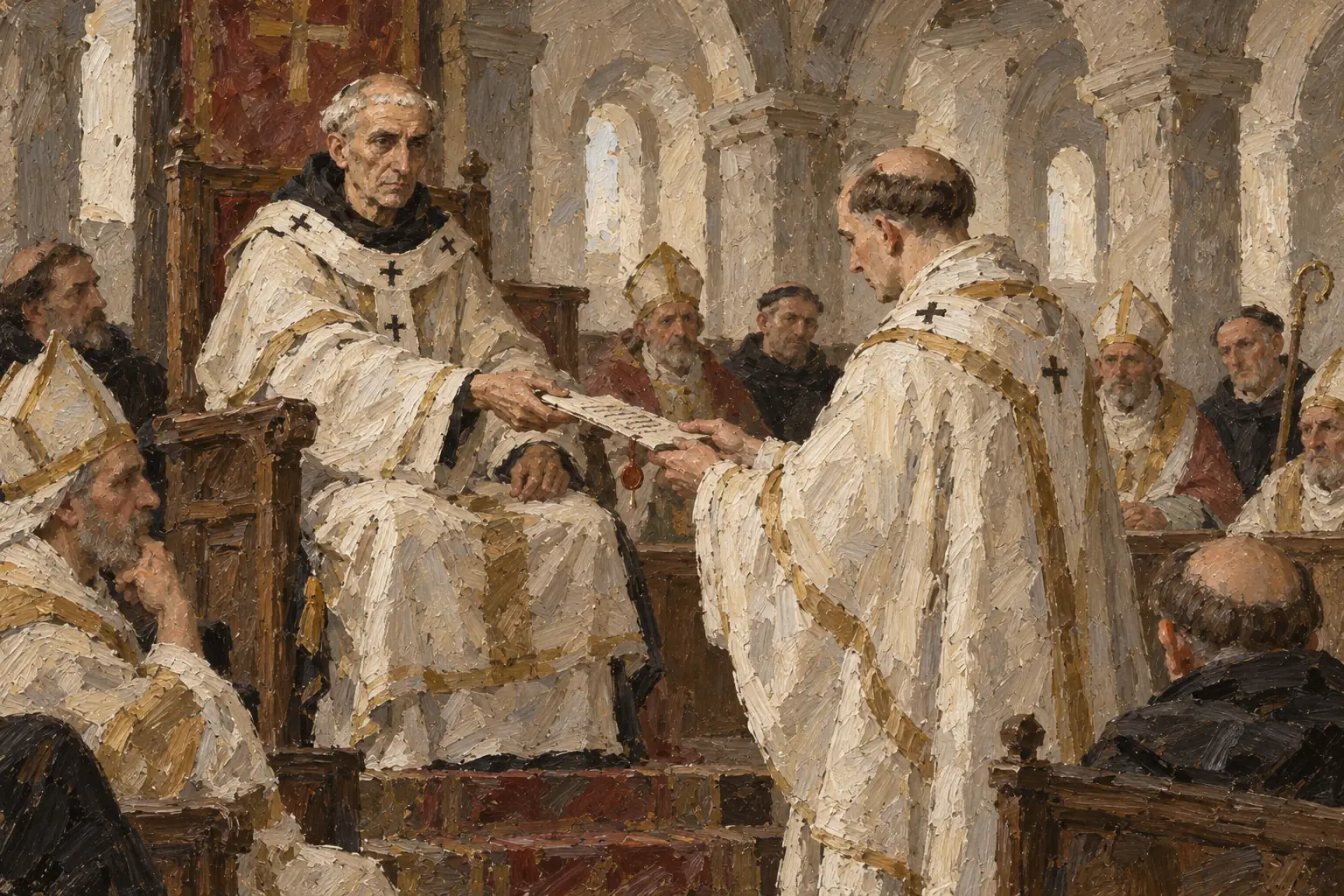
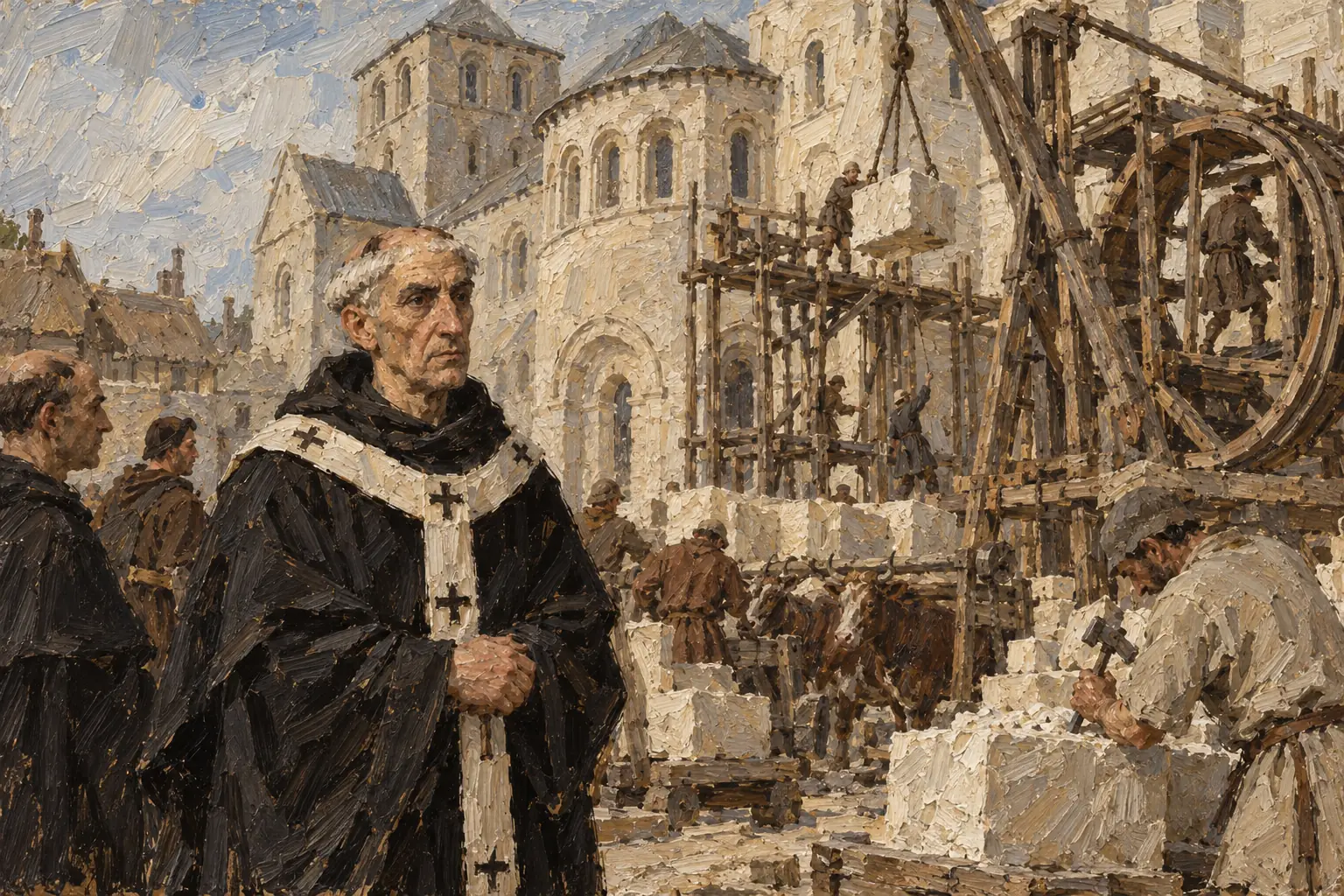
As Archbishop of Canterbury, Lanfranc implemented sweeping changes to purify and reorganise the English Church, addressing corruption and enhancing its structure. These reforms strengthened discipline and tied the Church more closely to Norman governance.
Main reforms under Lanfranc
- Ending corrupt practices - He banned pluralism (holding multiple church positions) and simony (selling church offices), which had been common under figures like Stigand.
- Organisational changes - Regular church councils were convened to establish rules, and separate church courts were set up to judge religious matters.
- Architectural developments - Numerous cathedrals and local churches were reconstructed in the elaborate Norman Romanesque style, symbolising the new order.
- Broader impact - These changes improved clerical standards and ensured the Church legitimised William's rule while remaining under royal oversight.
Extent of change and continuity under Norman rule
Norman rule transformed England's elite structures, introducing a new aristocracy and reformed institutions, but many elements of ordinary life remained unchanged. This blend of innovation and persistence shaped post-Conquest society.
Areas of significant change
- Social and economic shifts - A Norman elite replaced the Anglo-Saxon nobility, with the feudal system reorganising landholding and obligations.
- Church integration - Reforms tied the Church firmly to the monarchy, enhancing its role in government and law.
Areas of continuity
- Daily life for the majority - Peasants and townspeople continued speaking English, farming traditional lands, and following local customs.
- Economic recovery - Trade and urban activities resumed, adapting to Norman laws without fundamental disruption to everyday routines.