3.2 - Norman Government
Key facts and dates
Norman government under William I represented a major shift towards centralised royal control, transforming the administrative and legal landscape of England after the Conquest. This period saw the reduction of noble power, enhanced taxation systems, and the creation of detailed records to support efficient rule.
Timeline of key events
- 1066 onwards – William I breaks up large Anglo-Saxon earldoms to prevent challenges to his authority.
- Post-1066 – Norman sheriffs replace Anglo-Saxon predecessors, gaining greater powers under direct royal oversight.
- 1079 – Establishment of the New Forest as a royal hunting reserve, introducing strict Forest Laws.
- 1085–1086 – Commissioning and completion of the Domesday survey across England.
- 1086 – Compilation of the Domesday Book, recording landholdings and resources for taxation and administration.
Centralisation of power under William I
William I transformed the structure of government in England by concentrating authority in the hands of the monarch. This approach ensured that no single noble could accumulate enough influence to threaten the crown, marking a departure from the more decentralised system of late Anglo-Saxon times.
Methods used to centralise authority
- Breaking up earldoms - Large territories previously held by powerful Anglo-Saxon earls were divided or diminished in size, distributing land among loyal Norman followers to weaken potential rivals.
- Limiting noble independence - Nobles were required to swear oaths of loyalty, and their autonomy was curtailed through royal oversight, preventing any challenge to the king's supremacy.
Role of regents and sheriffs
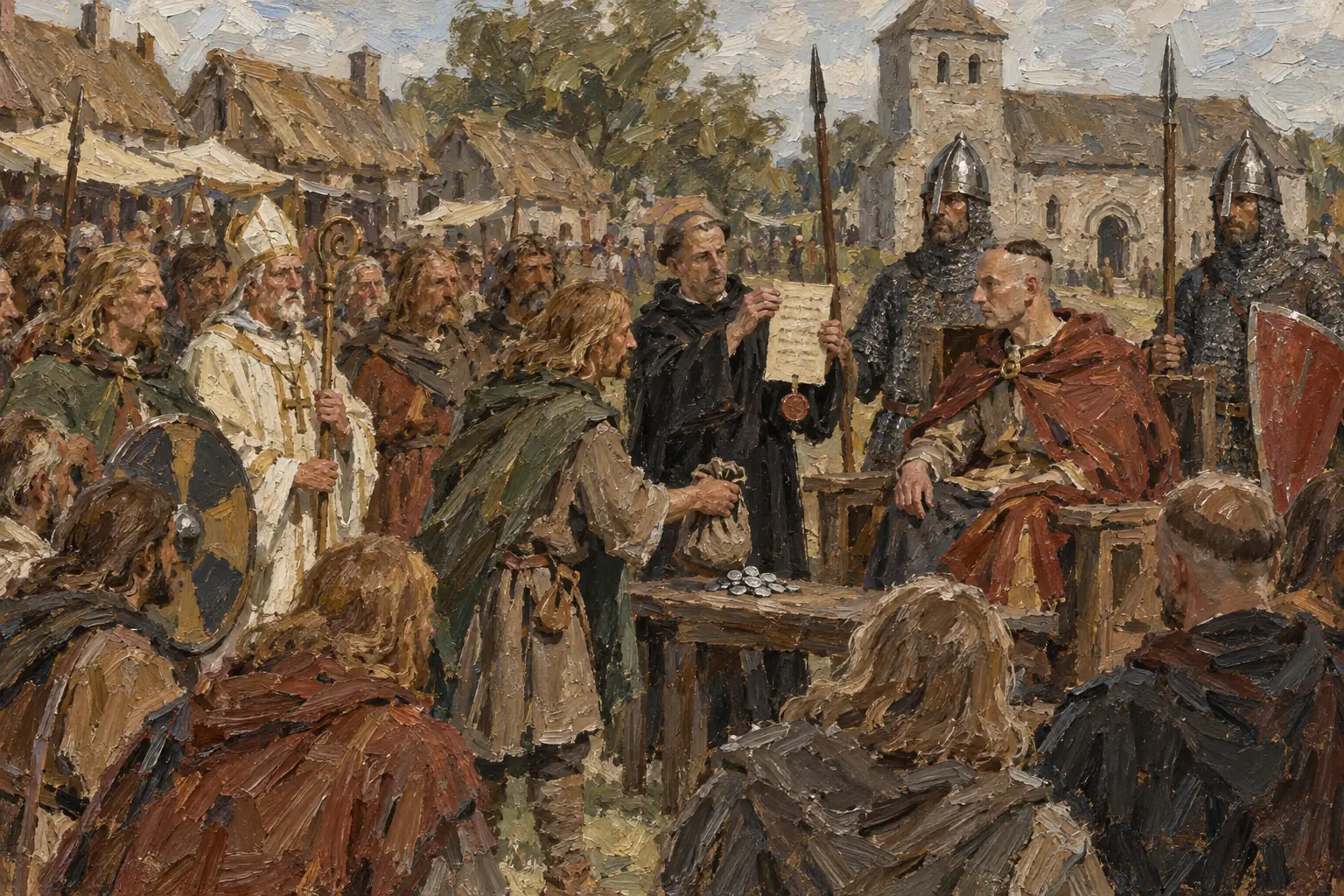
To sustain control, especially during his absences in Normandy, William relied on appointed officials who acted as extensions of royal power. This system reinforced the king's dominance across the kingdom.
Key officials in Norman administration
- Regents - Trusted figures, such as Lanfranc, were selected to govern England in the king's stead, upholding royal policies and ensuring continuity of authority.
- Sheriffs - The existing system of local administrators (formerly known as shire-reeves) was retained but reformed; Norman sheriffs wielded increased influence, reporting directly to the king.
- They enforced royal laws and delivered justice in the shires.
- They managed and supervised the king's estates within each region.
Expansion of royal demesne and Forest Laws
Image 1 of 2: Hunting the king's deer in a royal forest was severely punished
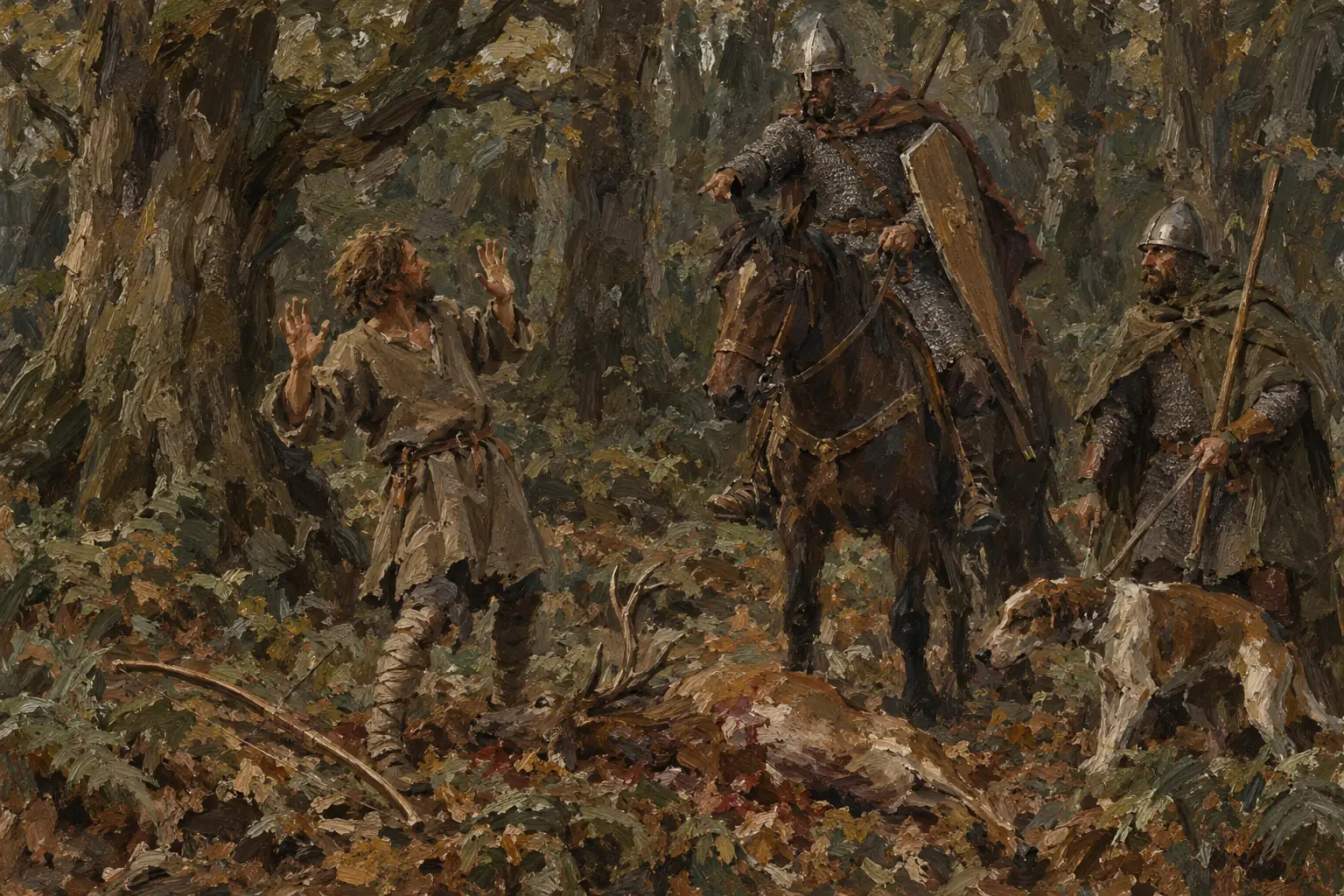
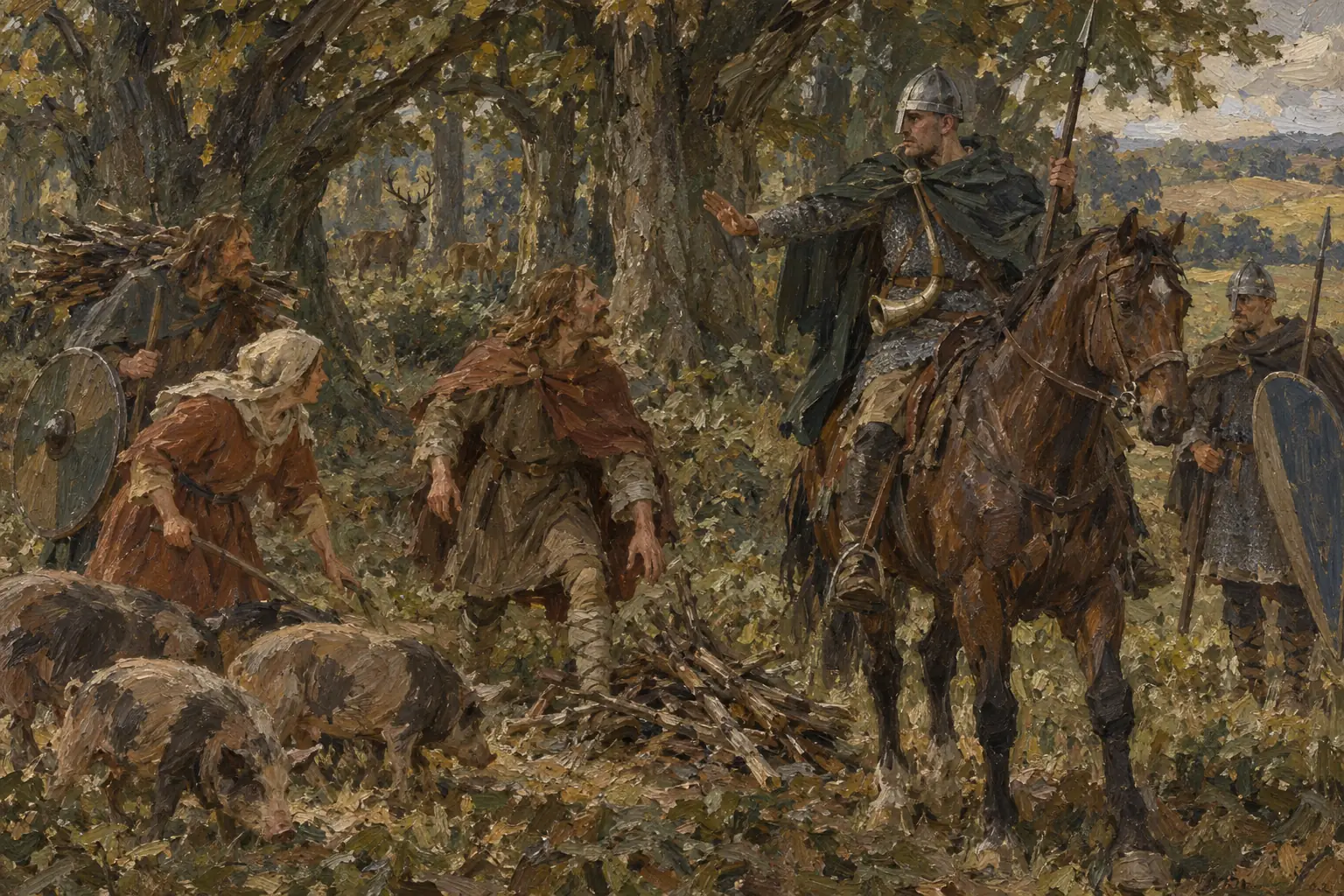
William significantly increased the lands under direct royal control, introducing new regulations that emphasised the crown's supremacy over property and resources. These changes bolstered the king's economic and legal power.
Features of royal land management
- Growth of royal demesne - The king expanded personal holdings by confiscating and retaining vast estates, which provided direct income and reduced reliance on feudal lords.
- Creation of royal forests - Areas like the New Forest, designated in 1079, were set aside as protected zones for royal hunting and resource preservation.
- Forest Laws - These regulations prohibited unauthorised activities such as hunting wildlife or felling trees, with severe penalties for breaches, asserting royal rights over those of landowners and commoners.
The Domesday survey and its significance
Image 1 of 2: William ordered the survey at his Christmas court at Gloucester in 1085
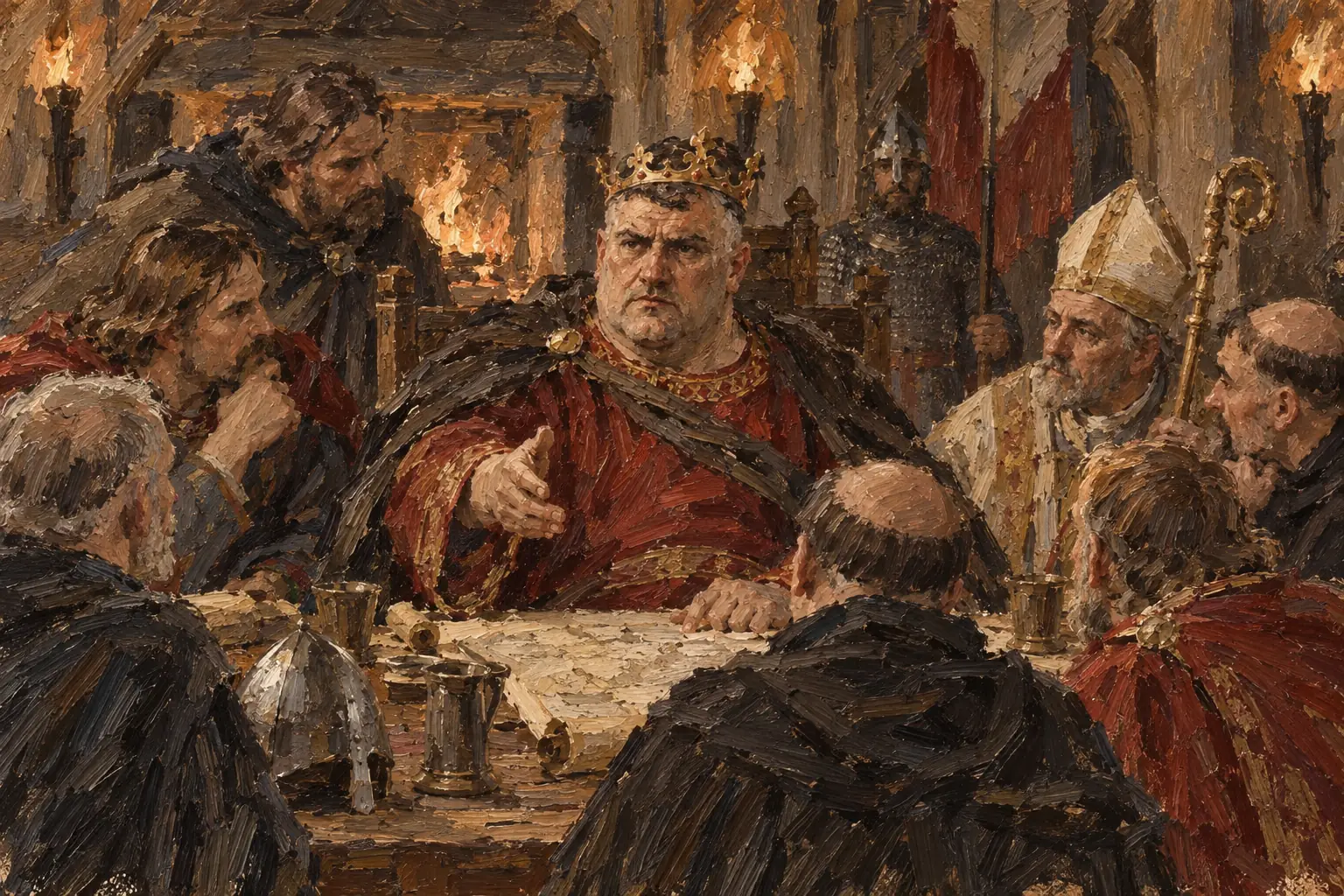
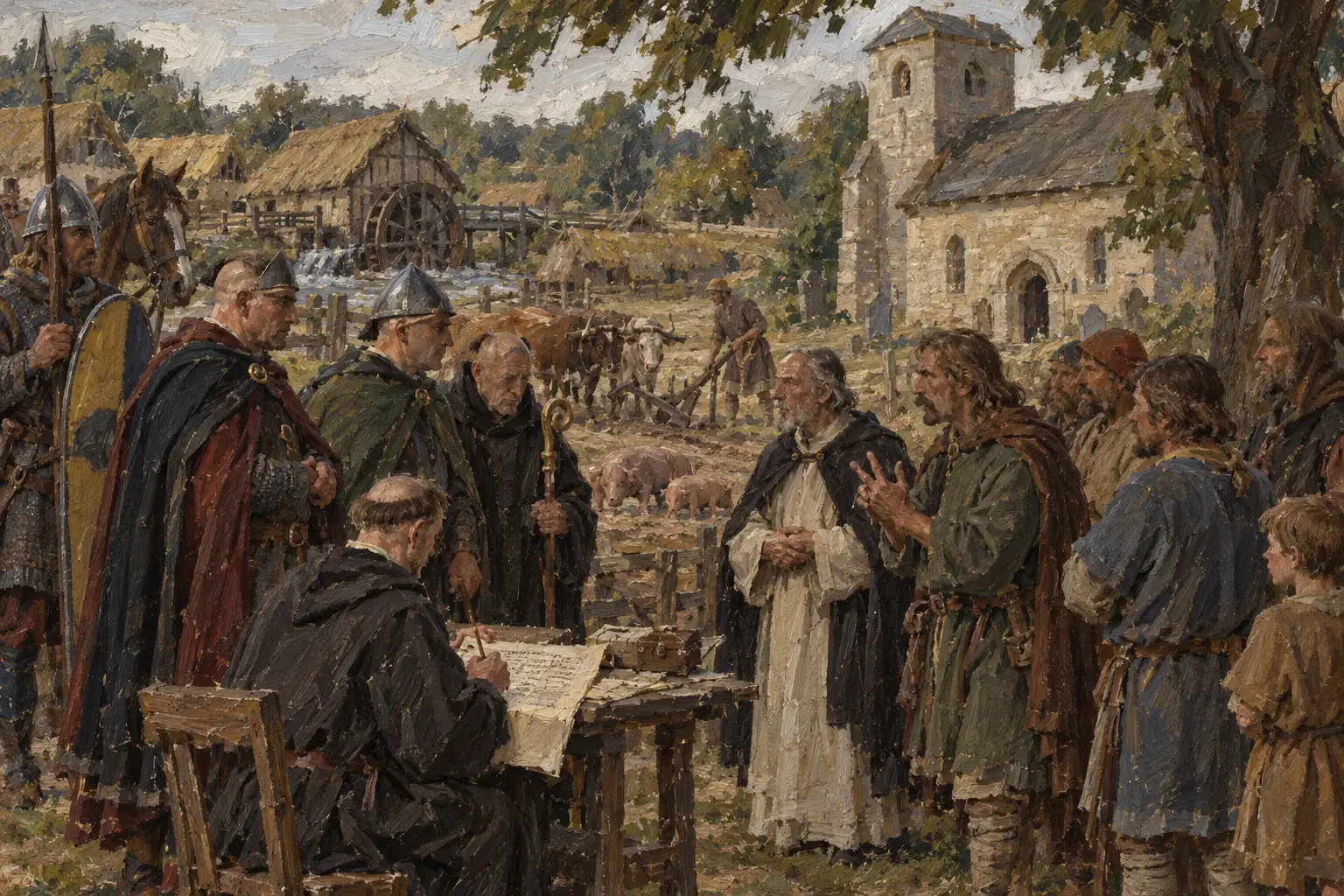
In 1085–1086, William commissioned a comprehensive assessment of his kingdom's assets to improve governance and revenue collection. This initiative resulted in a vital administrative tool that highlighted the sophistication of Norman rule.
Purpose and content of the Domesday survey
- Conduct of the survey - Royal commissioners travelled across England to document details of land ownership, population, and economic resources in every shire.
- Compilation into the Domesday Book - The 1086 record listed who controlled each parcel of land, its value, and associated obligations like taxes or feudal services.
Importance of the Domesday Book
- Enhanced taxation - It allowed for precise assessment and collection of revenues, as landowners could not conceal holdings or avoid payments.
- Resolution of disputes - The book served as an authoritative reference for settling legal claims over property rights.
- Administrative advancements - It demonstrated the centralised efficiency of Norman government, enabling better oversight and long-term planning for the realm.