2.2 - Anglo-Saxon Resistance, 1068–71
Key facts and dates
The years 1068 to 1071 marked a period of significant Anglo-Saxon uprisings against William the Conqueror's rule after the Norman Conquest of 1066. These rebellions, fuelled by resentment over lost power and lands, were ultimately suppressed through military force, securing Norman dominance.
Timeline of key events
- 1068 – Earls Edwin and Morcar lead a revolt in Mercia due to reduced authority under Norman control.
- 1069 – Edgar Ætheling and Northumbrian rebels, supported by a Danish fleet, seize York in a major northern uprising.
- Late 1069 – William recaptures York and launches the Harrying of the North as retaliation.
- 1070 – Hereward the Wake begins resistance from the Isle of Ely, aided by Danish forces.
- 1071 – Norman troops capture the Isle of Ely, defeating Hereward's rebellion and ending organised resistance.
Causes of Anglo-Saxon rebellions
Following the Norman Conquest, widespread dissatisfaction among Anglo-Saxon nobles and the general population led to a series of uprisings. These were primarily triggered by the imposition of Norman authority, which disrupted traditional power structures and economic stability.
Main factors driving the rebellions
- Loss of power and status - Anglo-Saxon earls and nobles, such as Edwin and Morcar, saw their influence diminished as William redistributed authority to his Norman followers.
- Confiscation of lands - The transfer of estates from Anglo-Saxon owners to Normans created economic hardship and resentment, particularly among displaced elites.
- Imposition of Norman control - Policies like heavy taxation, castle-building, and the replacement of local leaders with Norman appointees fuelled anger at foreign domination.
- Opportunistic alliances - Rebels often sought support from external forces, such as Danish fleets, to challenge William's regime.
- Broader discontent - Ordinary Anglo-Saxons suffered from the Conquest's aftermath, including social upheaval and the erosion of traditional rights, amplifying calls for resistance.
The 1068 Mercia revolt led by Edwin and Morcar
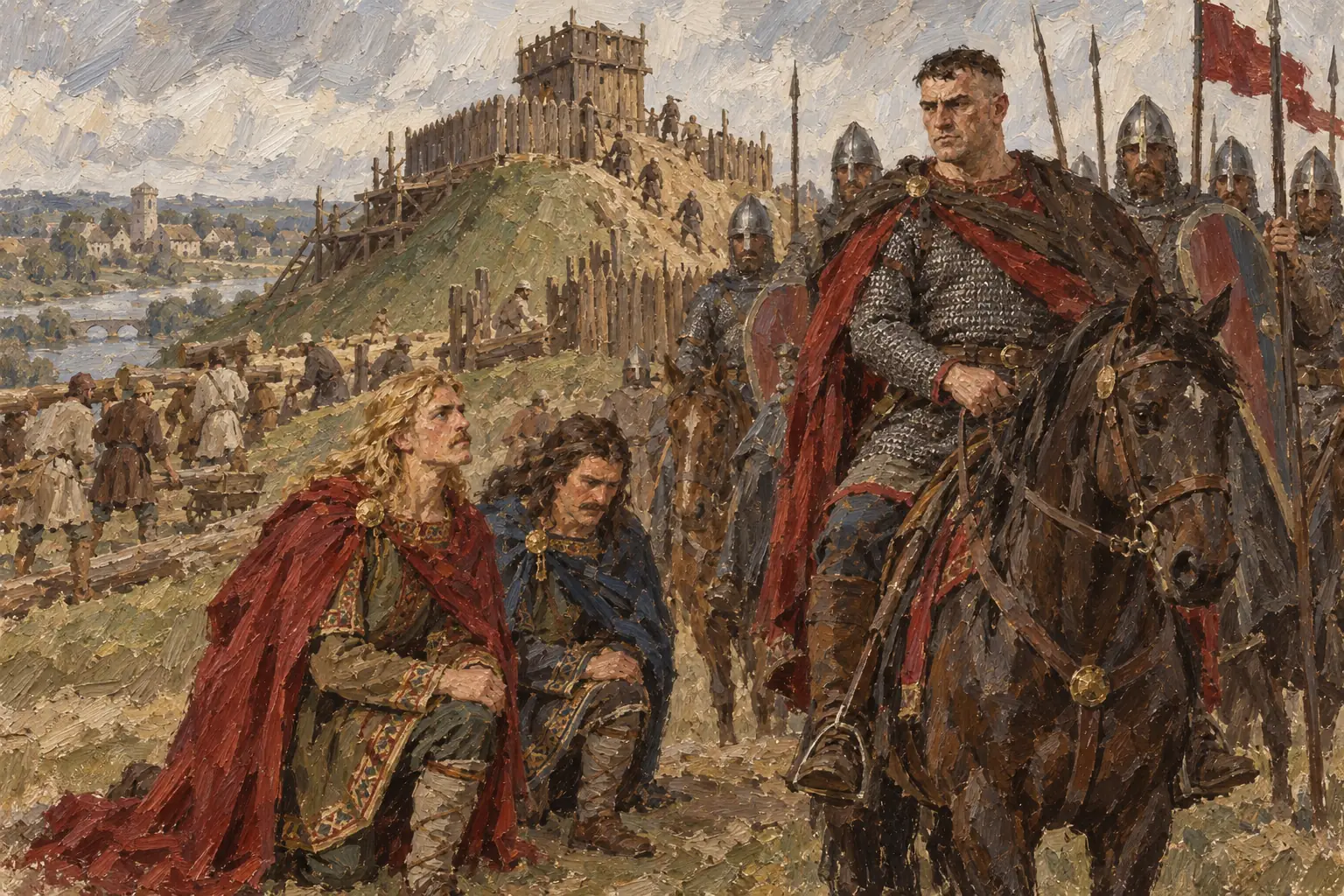
The first major challenge to Norman rule occurred in Mercia, a central Anglo-Saxon region, where local earls mobilised against William's growing influence. This uprising highlighted early tensions but was quickly contained.
Key aspects of the Mercia revolt
- Leadership and motivations - Earls Edwin and Morcar, prominent Anglo-Saxon nobles, initiated the rebellion due to the erosion of their regional power and the favouring of Norman lords.
- Course of events - The earls gathered supporters in Mercia to oppose William, aiming to restore their authority and challenge the new regime.
- Norman response - William acted decisively, marching his forces into the area and forcing the rebels to back down without major conflict.
- Immediate outcome - The earls surrendered, leading to the revolt's collapse and demonstrating William's ability to suppress threats swiftly through military presence.
The 1069 uprising and Harrying of the North
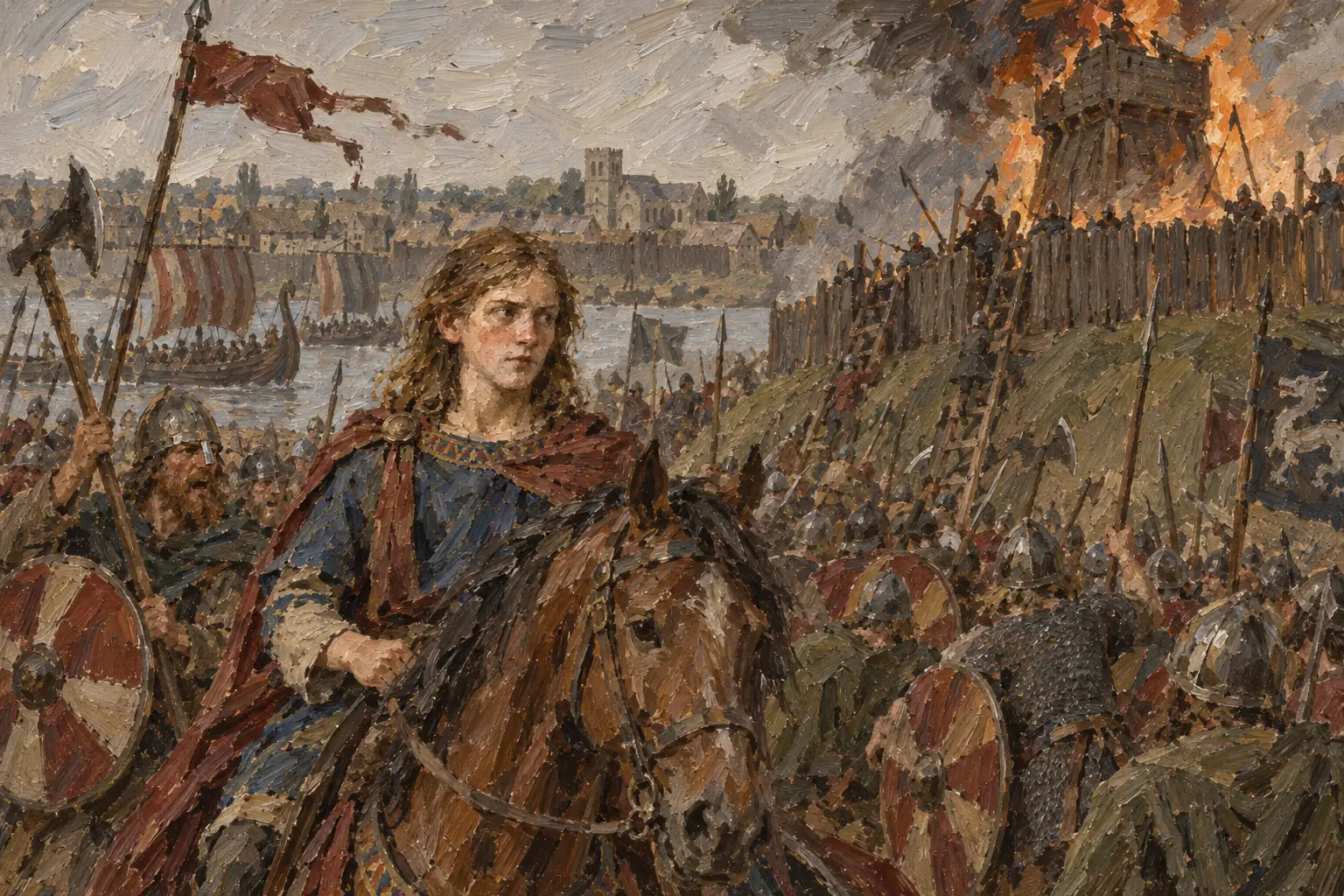
A more substantial rebellion erupted in northern England, involving a coalition of Anglo-Saxon claimants and foreign allies. This posed a serious threat to Norman control, prompting a severe retaliatory campaign.
Details of the northern uprising
- Key participants - Edgar Ætheling, the Anglo-Saxon heir displaced by the Conquest, joined Northumbrian rebels and received backing from a Danish invasion fleet.
- Major actions - The alliance captured the strategic city of York, marking a significant victory and a direct challenge to William's authority.
- William's counteroffensive - Norman forces advanced north, recapturing York and pursuing the rebels to eliminate the threat.
The Harrying of the North as retaliation
- Nature of the campaign - In late 1069, William ordered widespread devastation across northern regions, including the destruction of villages, crops, and livestock to prevent future revolts.
- Scale and impact - This brutal strategy caused famine and mass displacement, weakening the area's capacity for resistance and serving as a warning to potential rebels.
- Strategic purpose - The harrying aimed to break the spirit of northern opposition and secure long-term loyalty through fear and economic ruin.
The 1070-71 resistance led by Hereward the Wake
Image 1 of 2: Hereward used the marshes round Ely for hit-and-run raids on Norman troops
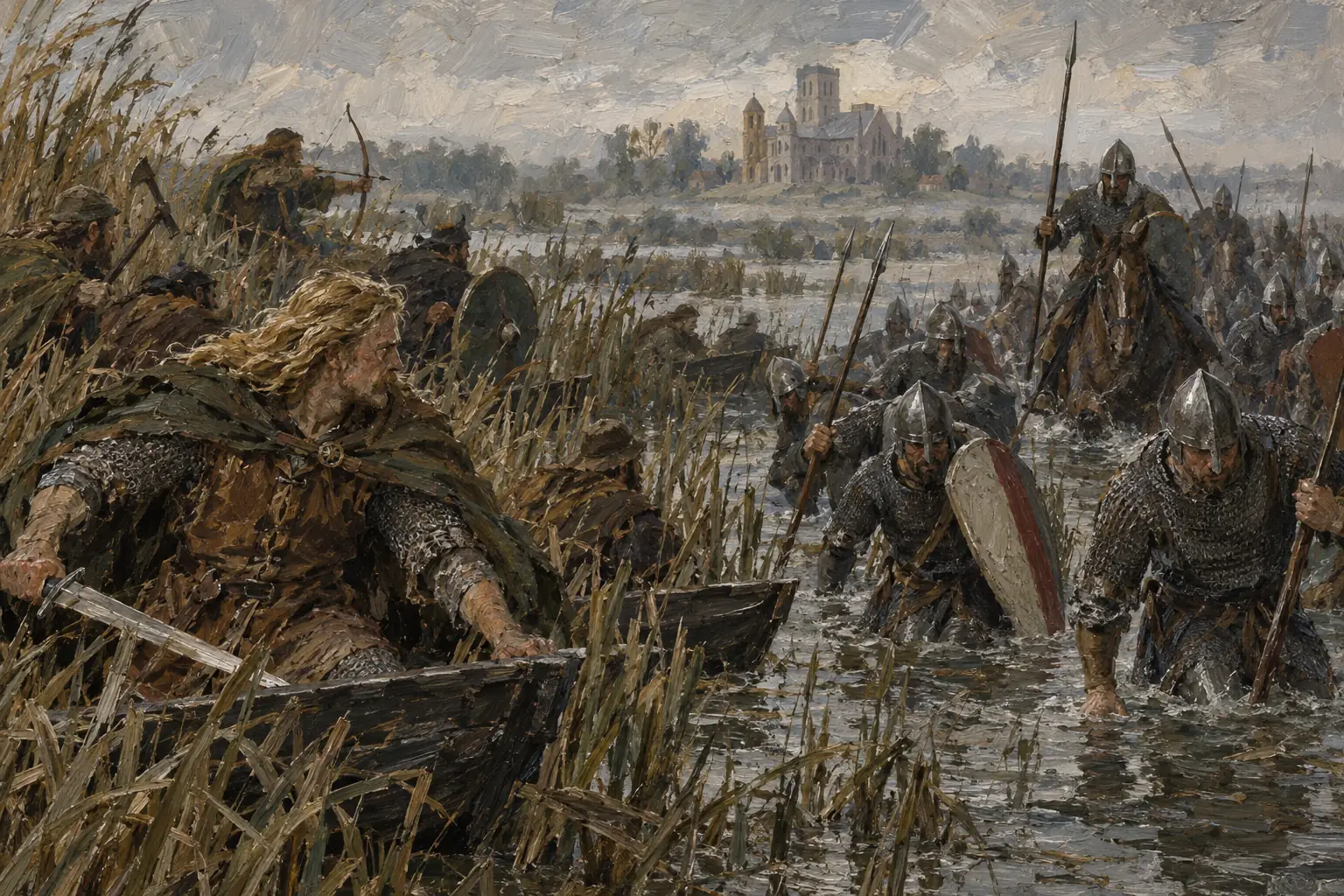
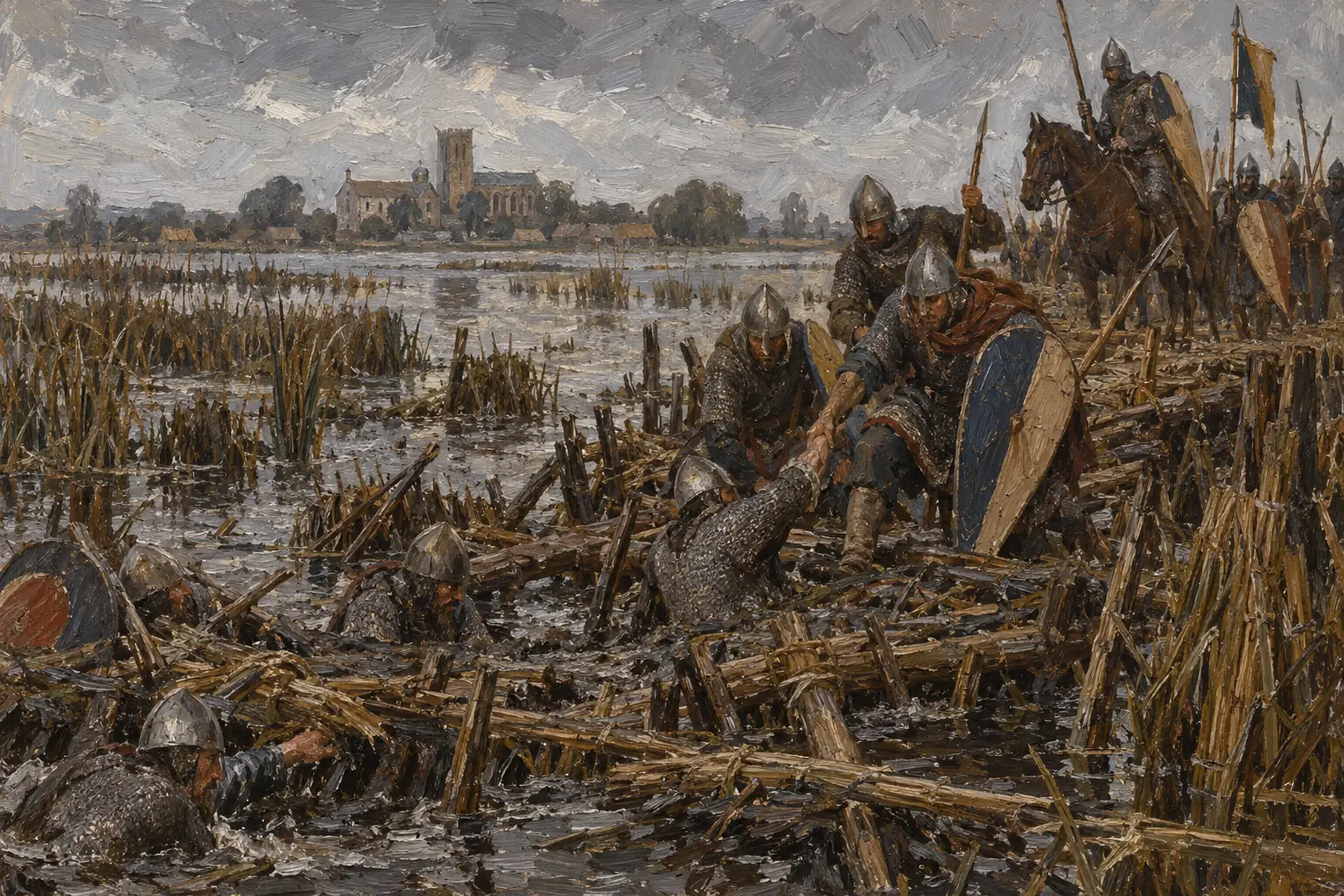
The final organised Anglo-Saxon revolt centred on the fenlands of eastern England, where a local leader coordinated guerrilla-style opposition. This drawn-out conflict represented the last major stand against Norman rule.
Features of Hereward's resistance
- Leadership and base - Hereward the Wake, an Anglo-Saxon thegn, established a stronghold on the Isle of Ely, using the marshy terrain for defensive advantages.
- Allied support - Some Danish forces provided assistance, bolstering the rebels' numbers and resources in their fight against Norman advances.
- Tactics employed - The resistance involved hit-and-run raids and fortified positions, exploiting the difficult landscape to prolong the struggle.
- Norman conquest of Ely - In 1071, William's troops built causeways and launched a determined assault, eventually capturing the isle and dispersing the rebels.
Outcomes and significance of the rebellions
Despite their intensity, the Anglo-Saxon uprisings from 1068 to 1071 failed to dislodge Norman control, leading to strengthened rule and lasting changes in English society. These events marked the end of large-scale resistance.
Consequences of the failed rebellions
- Suppression of opposition - All revolts were crushed through William's military efficiency, including rapid responses and harsh reprisals, eliminating key rebel leaders.
- Consolidation of Norman power - The defeats allowed William to further redistribute lands to loyal Normans, reducing Anglo-Saxon influence in governance and society.
- Long-term effects on England - Brutal measures like the Harrying of the North caused demographic and economic damage, but they effectively deterred future uprisings by 1071.
- End of organised resistance - By quelling these threats, William secured his throne, paving the way for deeper Norman integration and the establishment of feudal structures.