2.3 - James Meredith & Ole Miss, 1962
Key facts and dates
The James Meredith case represented a pivotal moment in the American civil rights movement, challenging racial segregation in higher education through legal and federal intervention. It highlighted the tensions between state resistance and national efforts to enforce desegregation, culminating in violence and presidential action.
Timeline of key events
- 1961 – James Meredith applies to the University of Mississippi and is rejected on racial grounds.
- Early 1962 – Meredith files a lawsuit, winning federal court rulings that order his admission.
- September 1962 – Governor Ross Barnett publicly defies court orders and blocks Meredith's enrolment.
- 30 September 1962 – Federal marshals escort Meredith to campus, sparking riots in Oxford that kill two people.
- 1 October 1962 – President Kennedy federalises the Mississippi National Guard to restore order and enforce integration.
- Late 1962 – Meredith successfully enrols and attends classes amid ongoing protection.
James Meredith's legal battle to enrol
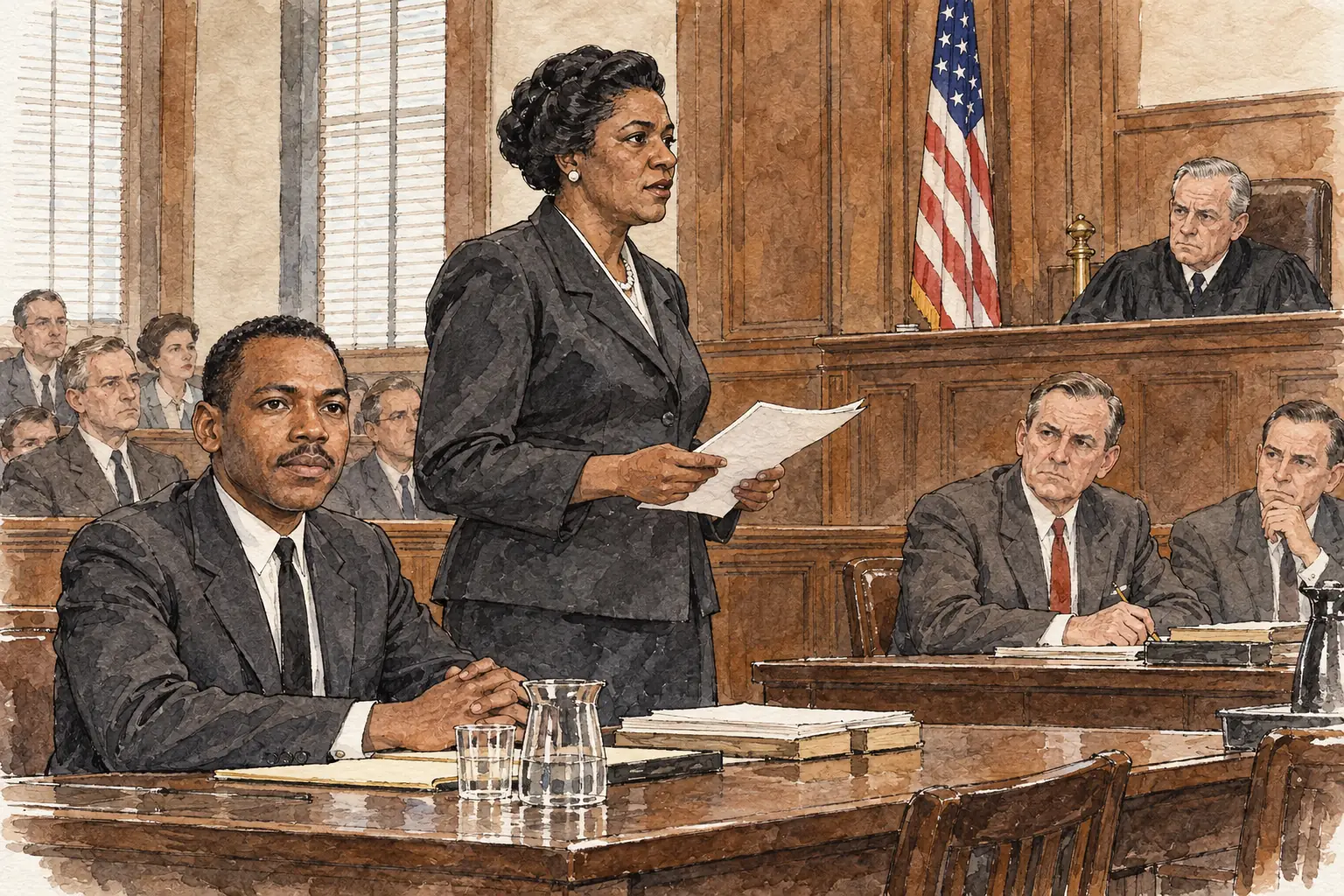
James Meredith, an African American air force veteran, sought to become the first black student at the University of Mississippi, known as Ole Miss, which had maintained racial segregation. His efforts involved a prolonged legal challenge against discriminatory admissions policies.
Stages of Meredith's legal challenge
- Initial application and rejection - In 1961, Meredith applied for admission but was denied based on his race, prompting him to pursue legal action with support from civil rights organisations.
- Court proceedings - Backed by the National Association for the Advancement of Colored People (NAACP), Meredith sued the university, arguing that segregation violated federal law. Federal courts, including the Supreme Court, ruled in his favour, mandating his enrolment.
- Determination to integrate - Meredith's battle symbolised broader efforts to dismantle educational barriers, drawing on the 1954 Brown v. Board of Education decision that declared segregated schools unconstitutional.
Governor Ross Barnett's defiance and the conflict
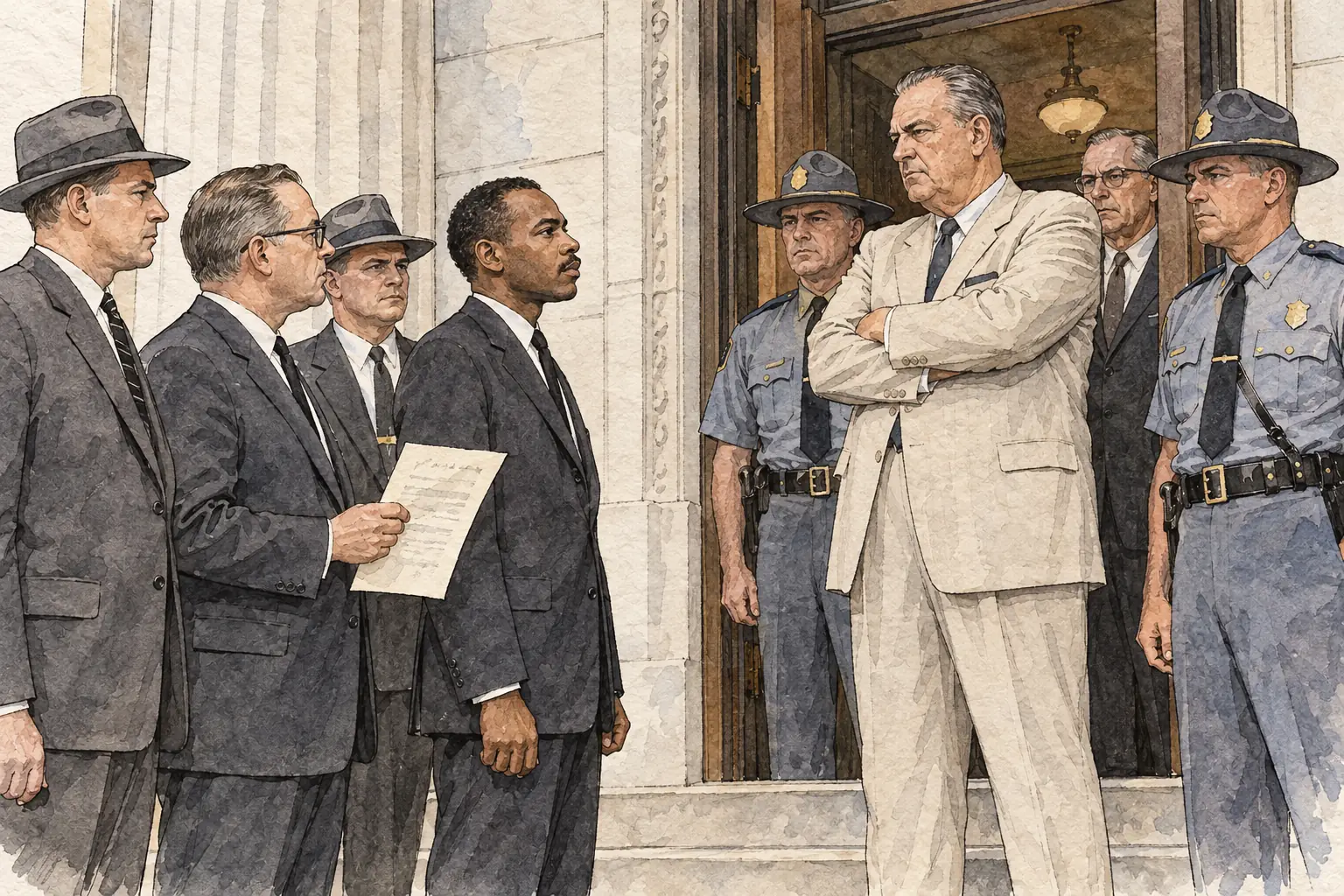
Mississippi's Governor Ross Barnett, a staunch segregationist, actively resisted federal desegregation orders, escalating the crisis into a standoff between state and national authorities. His actions reflected widespread southern opposition to civil rights reforms.
Barnett's resistance to integration
- Public opposition - Barnett vowed to maintain segregation, declaring that Mississippi would not yield to federal mandates and personally intervening to prevent Meredith from registering.
- State-level interference - He mobilised state police and supporters to block access to the campus, framing the issue as a defence of states' rights against perceived federal overreach.
- Escalation of tensions - Barnett's defiance encouraged local resistance, leading to a volatile atmosphere in Oxford and setting the stage for confrontation with federal enforcers.
Deployment of federal marshals and violent riots
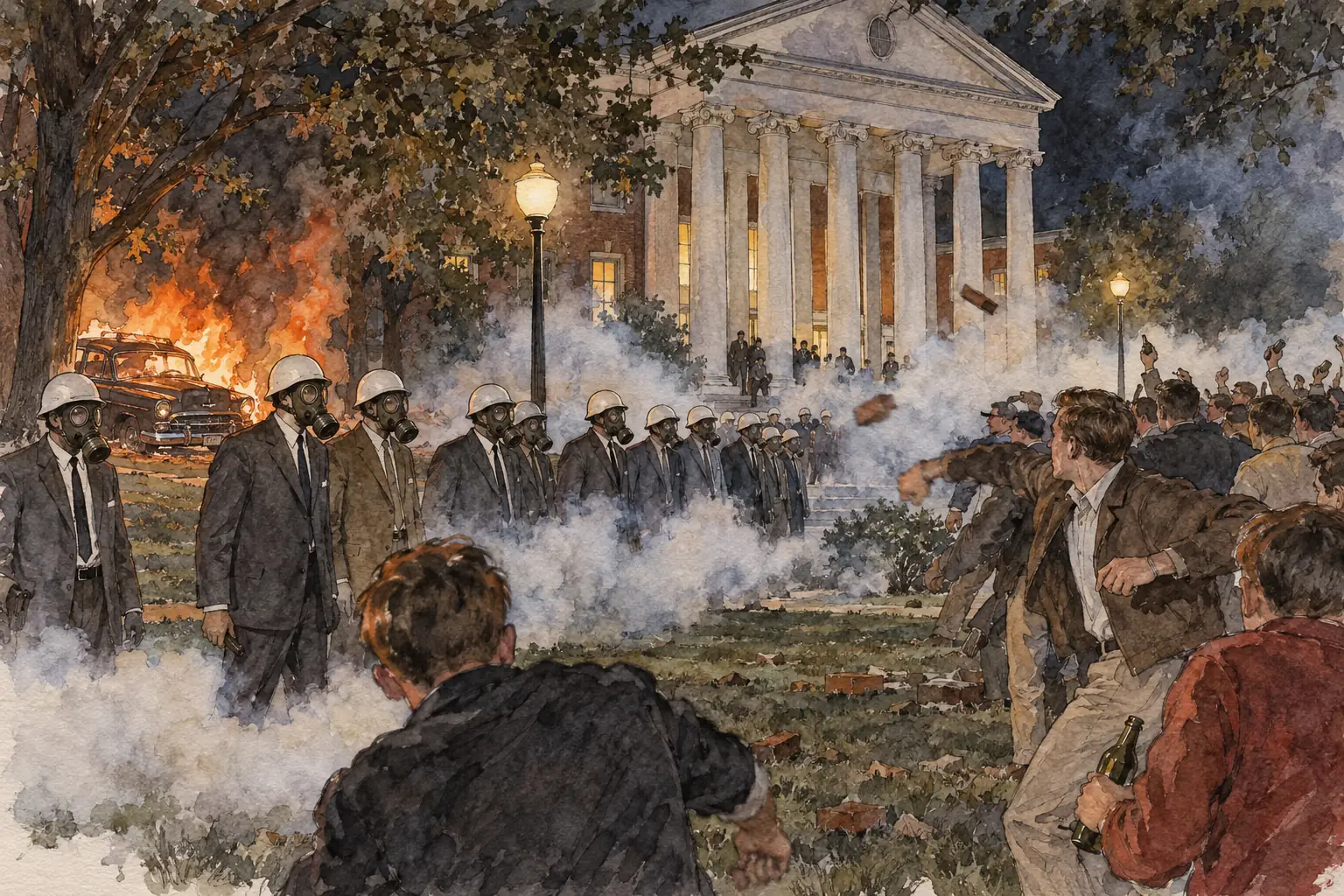
To enforce the court orders, the federal government sent marshals to protect Meredith, but this triggered widespread violence on the Ole Miss campus. The riots underscored the deep-seated racial divisions in the region.
Events surrounding the riots
- Arrival of federal marshals - On 30 September 1962, around 500 marshals escorted Meredith to the university, facing immediate hostility from crowds of segregationists.
- Outbreak of violence - Protesters, including students and outsiders, clashed with marshals, using bricks, bottles, and firearms. The unrest lasted through the night, resulting in two deaths—a journalist and a local resident—and numerous injuries.
- Scale of the disorder - The riots involved thousands of participants, with vehicles set alight and widespread property damage, highlighting the intensity of opposition to integration.
President Kennedy and the National Guard
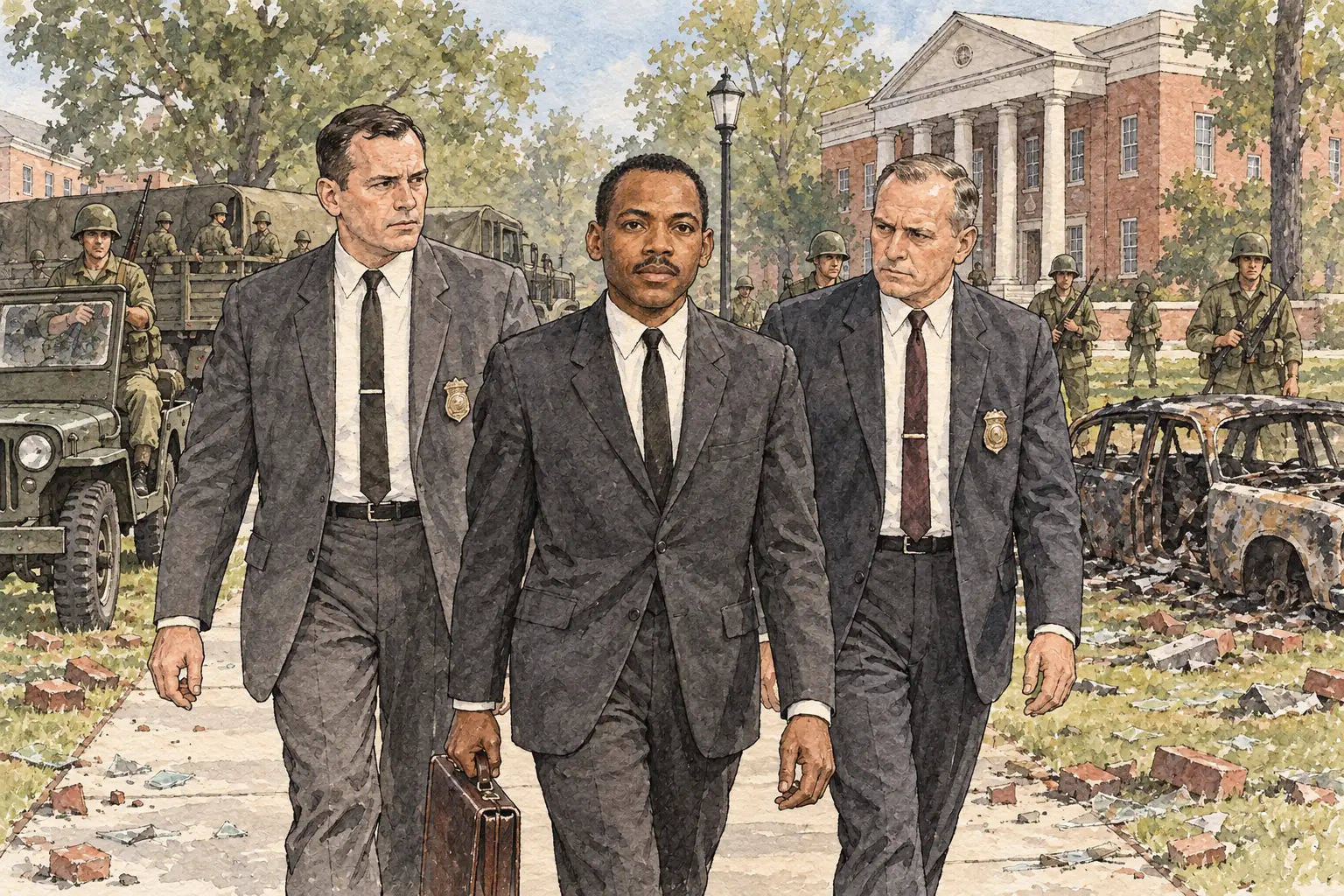
Faced with escalating violence, President John F. Kennedy took decisive action to restore order and uphold federal law. His response mirrored earlier interventions in civil rights crises.
Kennedy's measures to enforce desegregation
- Federalisation of troops - On 1 October 1962, Kennedy issued an executive order to federalise the Mississippi National Guard, placing it under national control to avoid reliance on state loyalty.
- Deployment and resolution - Thousands of guardsmen, along with additional federal forces, secured the campus, enabling Meredith to enrol and attend classes under protection.
- Broader presidential strategy - This move demonstrated Kennedy's commitment to enforcing court rulings, though it required careful negotiation to minimise further conflict.
Significance of the case for federal enforcement
The successful integration of Ole Miss marked a key advancement in the civil rights movement, reinforcing the federal government's role in dismantling segregation. It also tested the limits of presidential authority in the face of state resistance.
Key impacts of the Meredith case
- Victory for federal authority - The event affirmed the supremacy of federal courts over state defiance, building on precedents like the Little Rock crisis and strengthening enforcement of desegregation laws.
- Test of presidential resolve - Kennedy's handling of the situation showcased the challenges of balancing political pressures from southern Democrats while advancing civil rights, influencing future policies.
- Long-term legacy - The case inspired further integration efforts in education and highlighted the need for stronger federal protections, contributing to the momentum for the 1964 Civil Rights Act.