2.4 - Birmingham & March on Washington
Key facts and dates
The Birmingham campaign and the March on Washington were pivotal moments in the American civil rights movement, highlighting non-violent protest against segregation and building pressure for federal reform. These events showcased the power of media exposure and mass mobilisation in challenging racial injustice.
Timeline of key events
- April 1963 – Southern Christian Leadership Conference (SCLC) launches Project C in Birmingham to challenge segregated facilities and hiring practices.
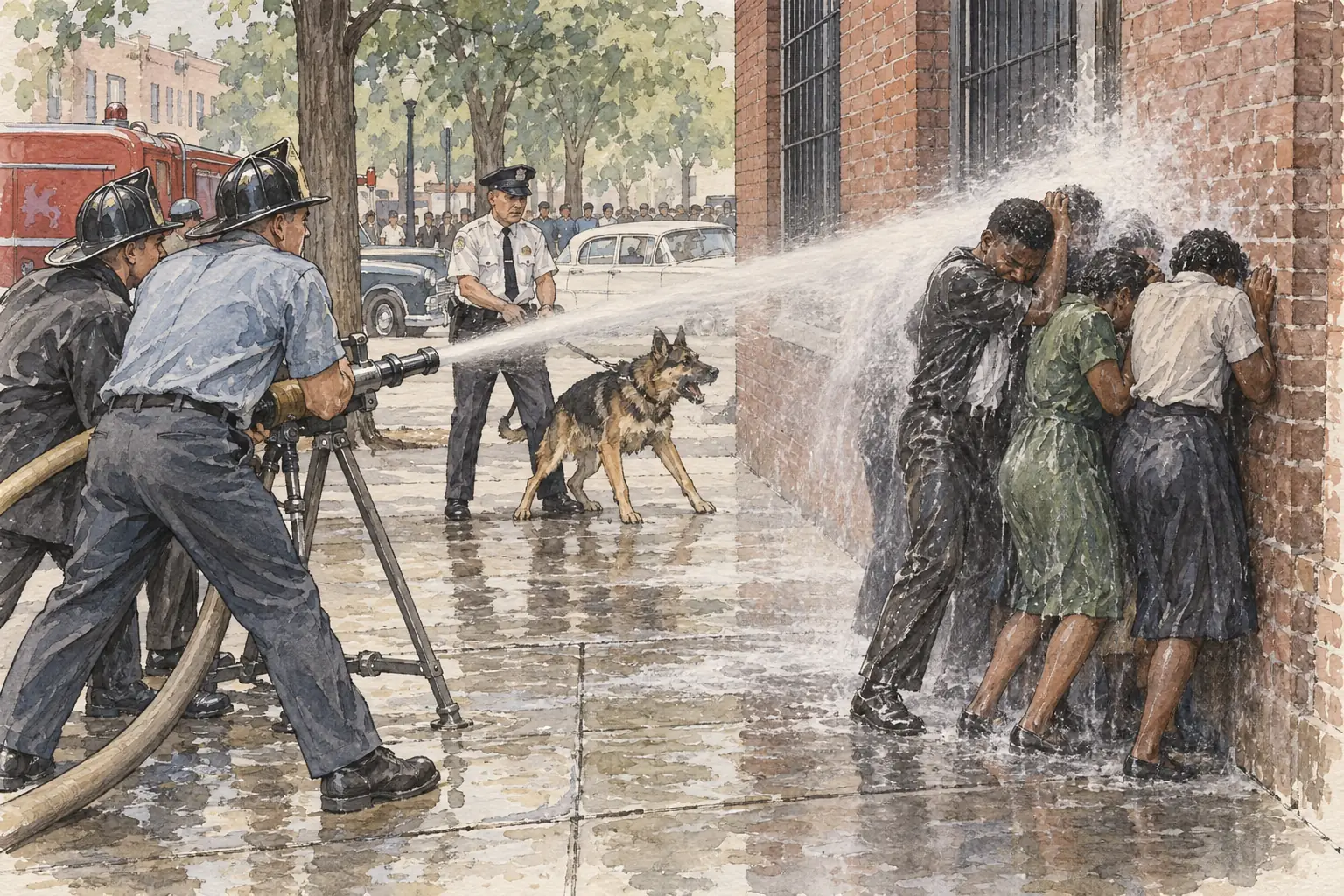
- Early May 1963 – Commissioner 'Bull' Connor deploys police dogs and fire hoses against peaceful demonstrators.
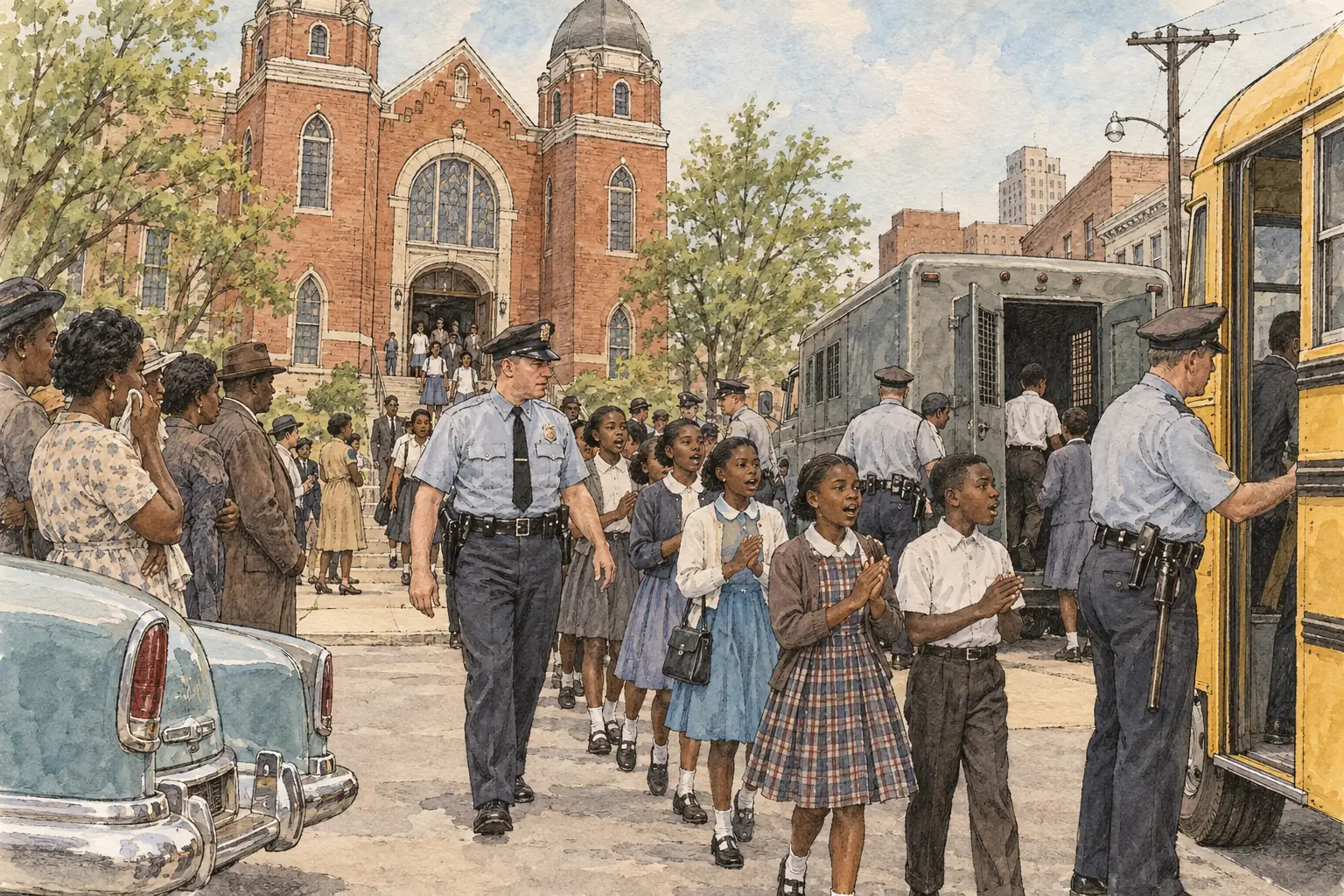
- 2-7 May 1963 – Children's Crusade sees over 1,000 young protesters arrested, drawing widespread attention.
- June 1963 – President Kennedy delivers a national address supporting civil rights legislation in response to Birmingham events.
- August 1963 – March on Washington attracts 250,000 participants, featuring Martin Luther King's 'I Have a Dream' speech.
- 1964 – Civil Rights Act passed, influenced by the momentum from Birmingham and the March.
Project C in Birmingham and its aims
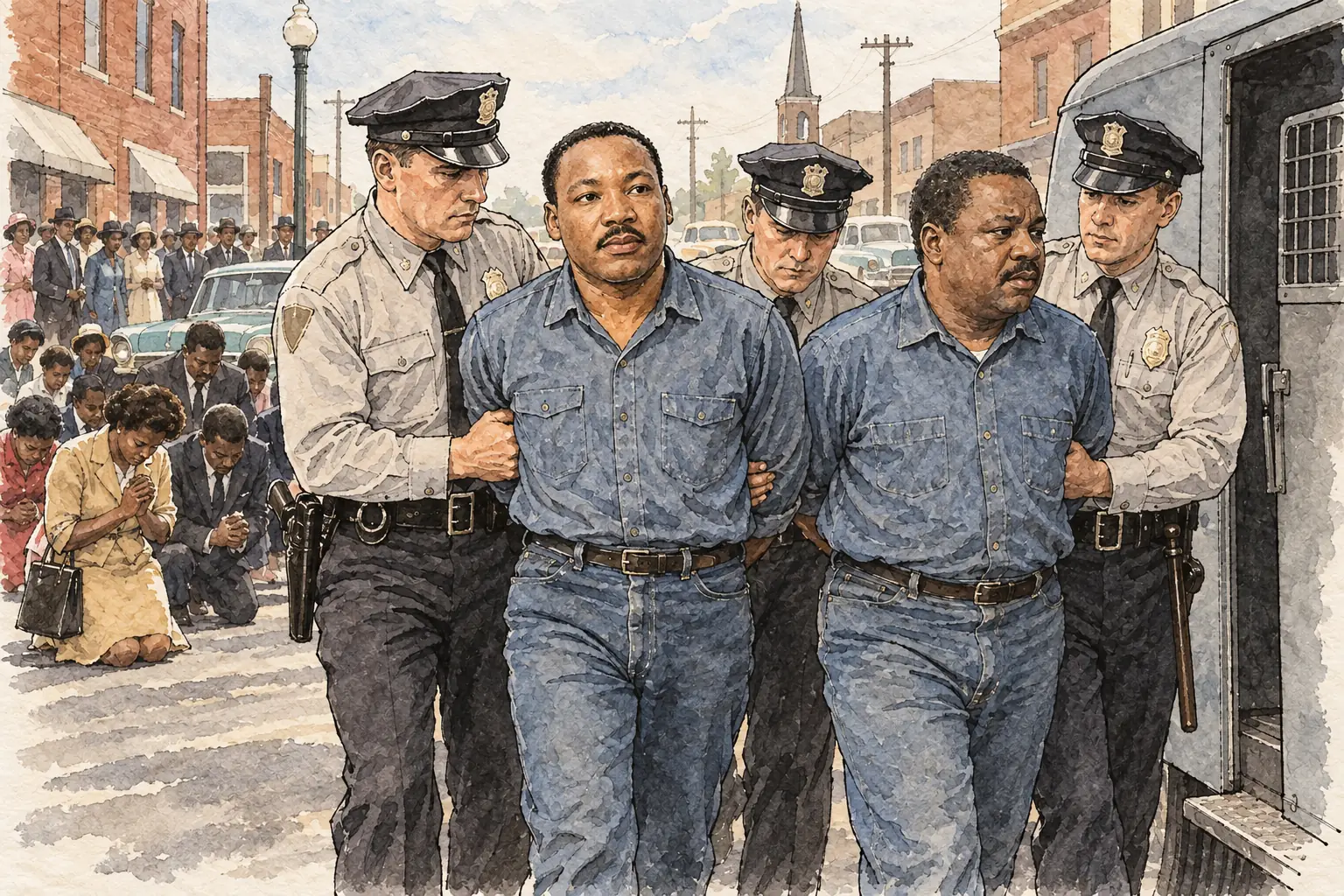
In 1963, the Southern Christian Leadership Conference (SCLC), led by Martin Luther King Jr., initiated Project C in Birmingham, Alabama. This campaign targeted one of the most segregated cities in the South, using non-violent direct action to expose and dismantle racial discrimination.
Main objectives of Project C
- Confronting segregated public facilities - The project aimed to end racial separation in places like shops, restaurants, and public amenities through boycotts and sit-ins.
- Challenging unfair hiring practices - Protesters sought to address discrimination in employment, where African Americans were often denied jobs or fair wages in local businesses.
- Strategy of non-violent confrontation - By provoking responses from authorities, the campaign intended to highlight injustices and gain sympathy from the wider American public.
Events and responses in Birmingham
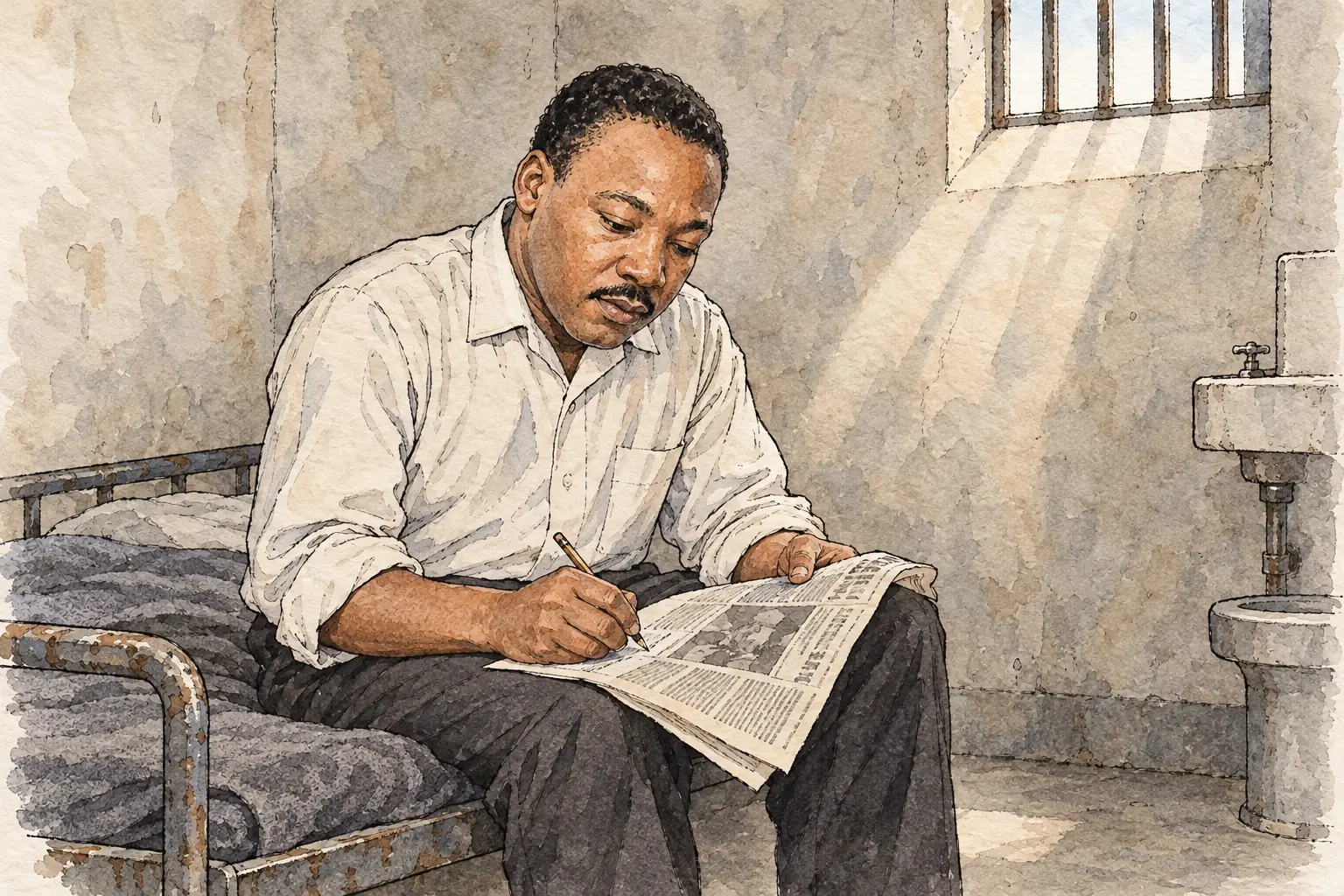
Image 1 of 3: In his cell King began his 'Letter from Birmingham Jail' in the margins of a newspaper
The Birmingham campaign involved a series of protests that escalated due to aggressive responses from local authorities. These events unfolded over several weeks, involving both adult and youth participants in acts of civil disobedience.
Key developments in the campaign
- Initial protests and arrests - Demonstrators staged marches and sit-ins, leading to the arrest of hundreds, including King, who wrote his famous 'Letter from Birmingham Jail' defending non-violent resistance.
- Commissioner 'Bull' Connor's tactics - Public Safety Commissioner Eugene 'Bull' Connor ordered the use of police dogs to attack protesters and high-pressure fire hoses to disperse crowds, often injuring participants.
- The Children's Crusade - Organised by local leaders, this involved schoolchildren joining protests; over five days, more than 1,000 young people faced arrest, with some as young as eight enduring harsh treatment, which shocked observers.
National impact of the Birmingham protests
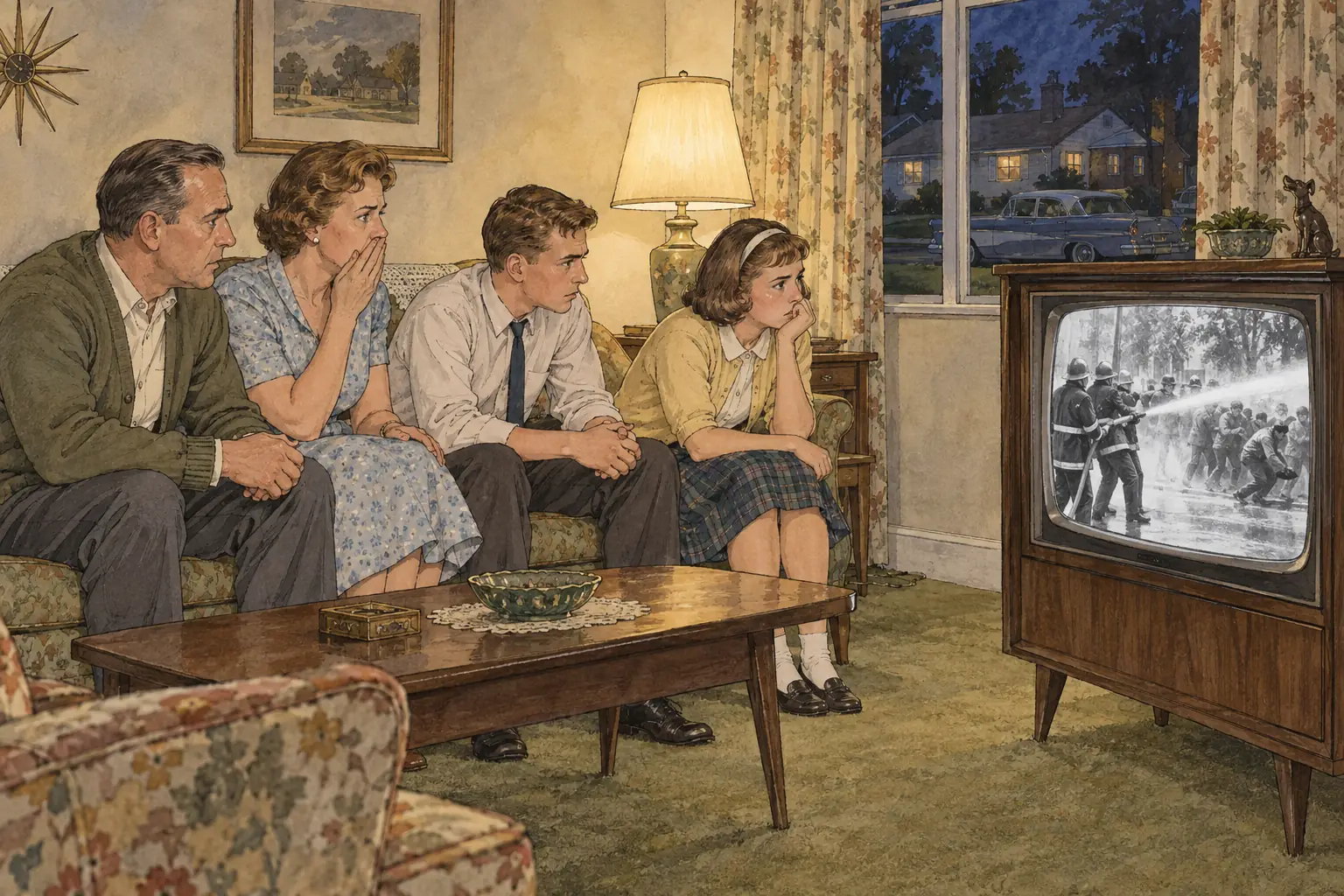
The Birmingham campaign had a profound effect beyond Alabama, largely due to its visibility in the media. Dramatic images and footage shifted public opinion and prompted federal intervention.
Ways the protests influenced national change
- Television coverage - Broadcasts of violent scenes, such as dogs attacking children and hoses knocking down protesters, horrified viewers nationwide and internationally, exposing the brutality of segregation.
- Kennedy's civil rights address - In June 1963, President John F. Kennedy responded with a televised speech condemning racism and pledging support for new laws to protect civil rights.
- Broader momentum - The events pressured businesses in Birmingham to desegregate and inspired similar campaigns elsewhere, strengthening the civil rights movement's push for equality.
The March on Washington for Jobs and Freedom
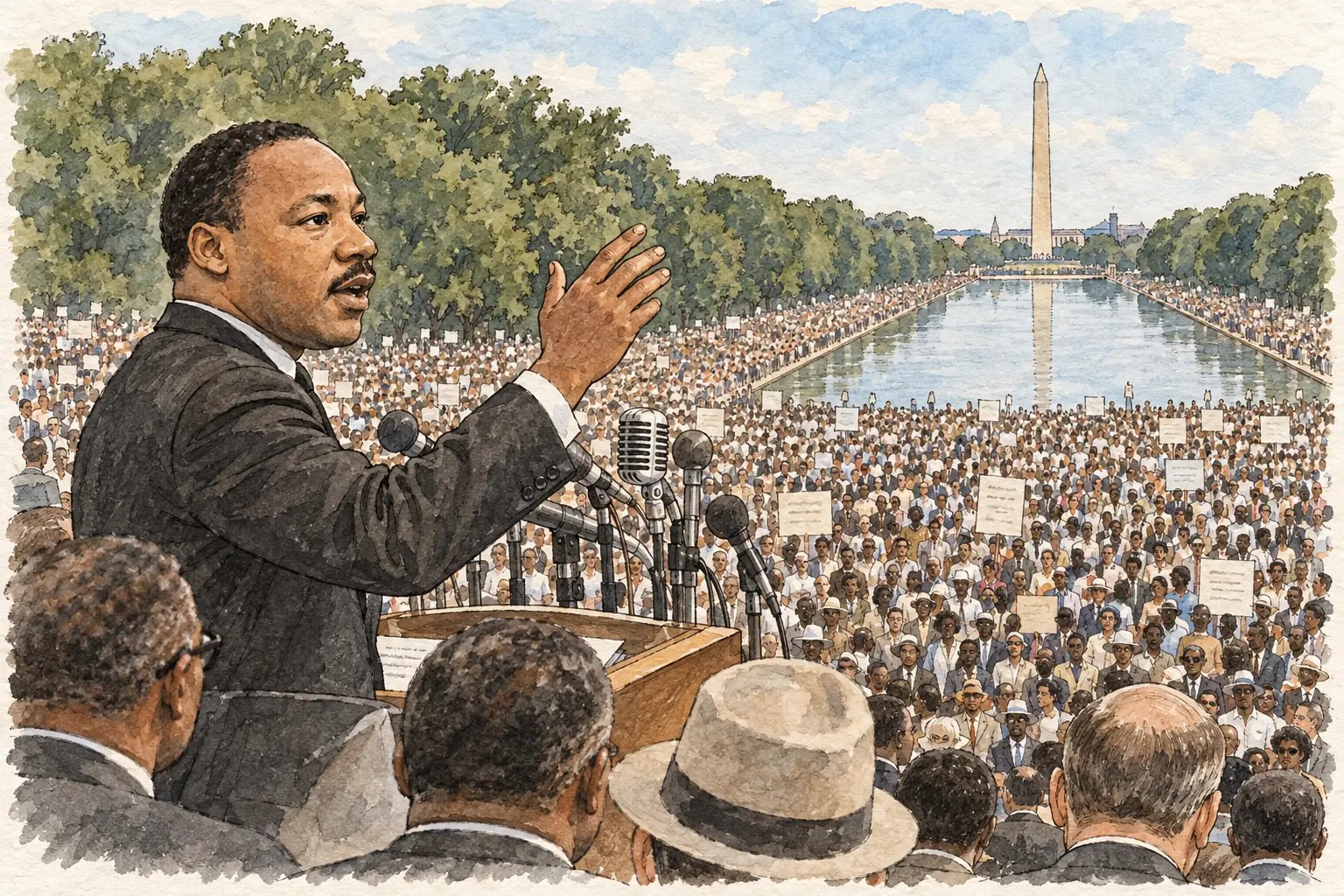
The March on Washington, held on 28 August 1963, was a massive demonstration organised to demand economic and civil rights for African Americans. It brought together diverse groups in a show of unity at the nation's capital.
Features of the March on Washington
- Scale of the demonstration - Over 250,000 people gathered at the Lincoln Memorial, making it one of the largest political rallies in American history.
- Coalition of groups - The event was coordinated by a alliance including the SCLC, National Association for the Advancement of Colored People (NAACP), labour unions, and religious organisations, reflecting broad support.
- Martin Luther King's speech - King's iconic 'I Have a Dream' address envisioned a future of racial harmony and equality, delivered to the crowd and broadcast live.
Significance of the March on Washington
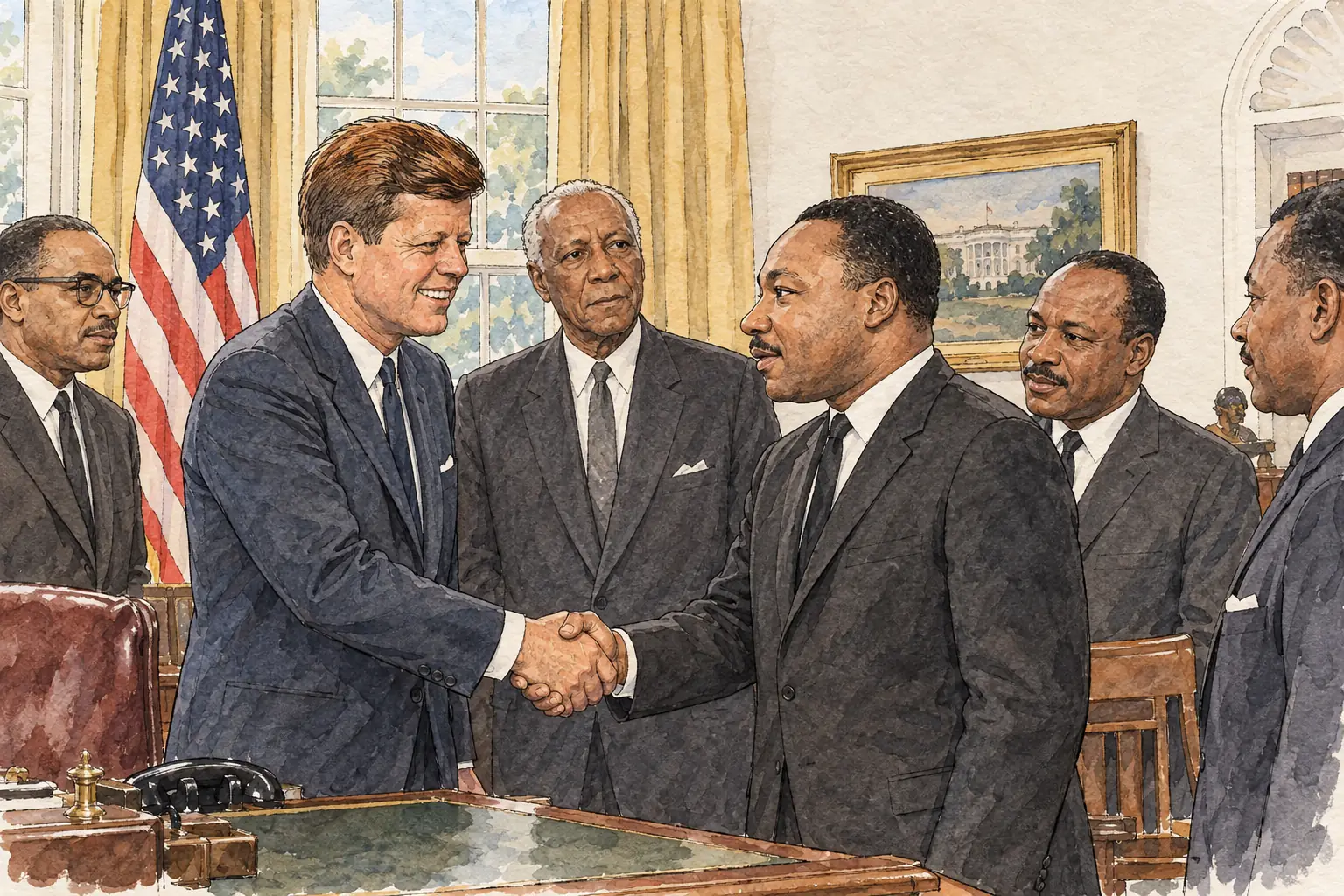
The March on Washington played a crucial role in advancing civil rights legislation, building on the outrage from events like Birmingham. It demonstrated the effectiveness of peaceful mass action in influencing policy.
Lasting effects of the March
- Momentum for federal legislation - The event increased pressure on Congress, contributing to the passage of the Civil Rights Act of 1964, which banned discrimination in public places and employment.
- Symbol of unity - By uniting various civil rights, labour, and religious groups, it highlighted shared goals of jobs, freedom, and an end to segregation.
- Cultural impact - King's speech became a defining moment, inspiring ongoing activism and symbolising the dream of equality in American society.