3.6 - Tet Offensive, 1968
Key facts and dates
The Tet Offensive in 1968 represented a major turning point in the Vietnam War, as North Vietnamese and Vietcong forces launched widespread attacks that exposed vulnerabilities in US strategy. Although a military setback for the communists, it profoundly shifted American public opinion and policy direction.
Timeline of key events
| Date | Event |
|---|---|
| Late 1967 | North Vietnamese leaders plan a massive offensive to coincide with the Tet holiday ceasefire. |
| 30 January 1968 | Surprise attacks begin across South Vietnam, targeting over 100 locations including cities and military bases. |
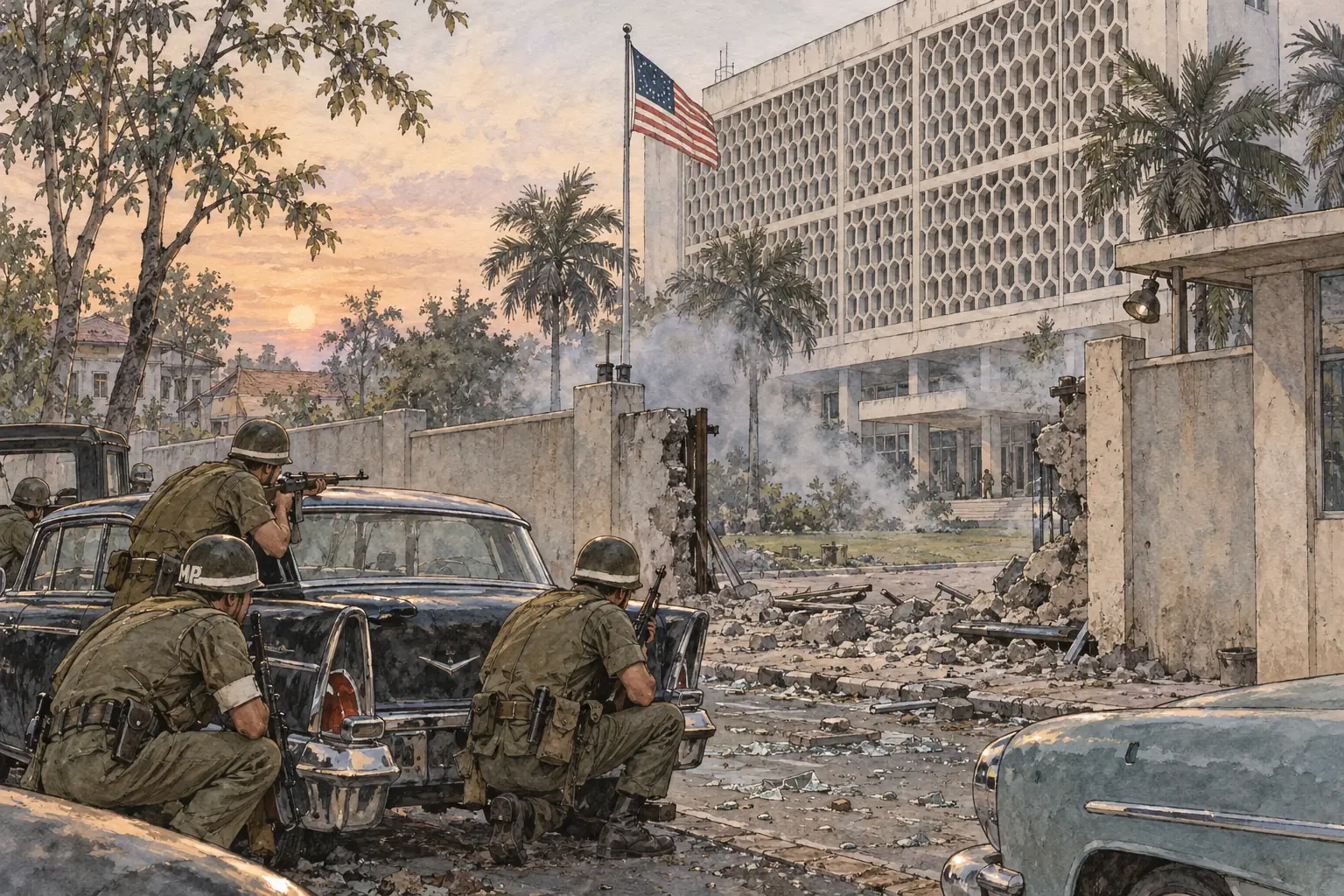
| 31 January 1968 | Vietcong assault on the US Embassy in Saigon highlights the offensive's audacity. |
| 31 January to 24 February 1968 | Intense Battle of Hue sees prolonged urban combat for control of the ancient city. |
| March 1968 | US forces reclaim most territories, but with heavy casualties on both sides. |
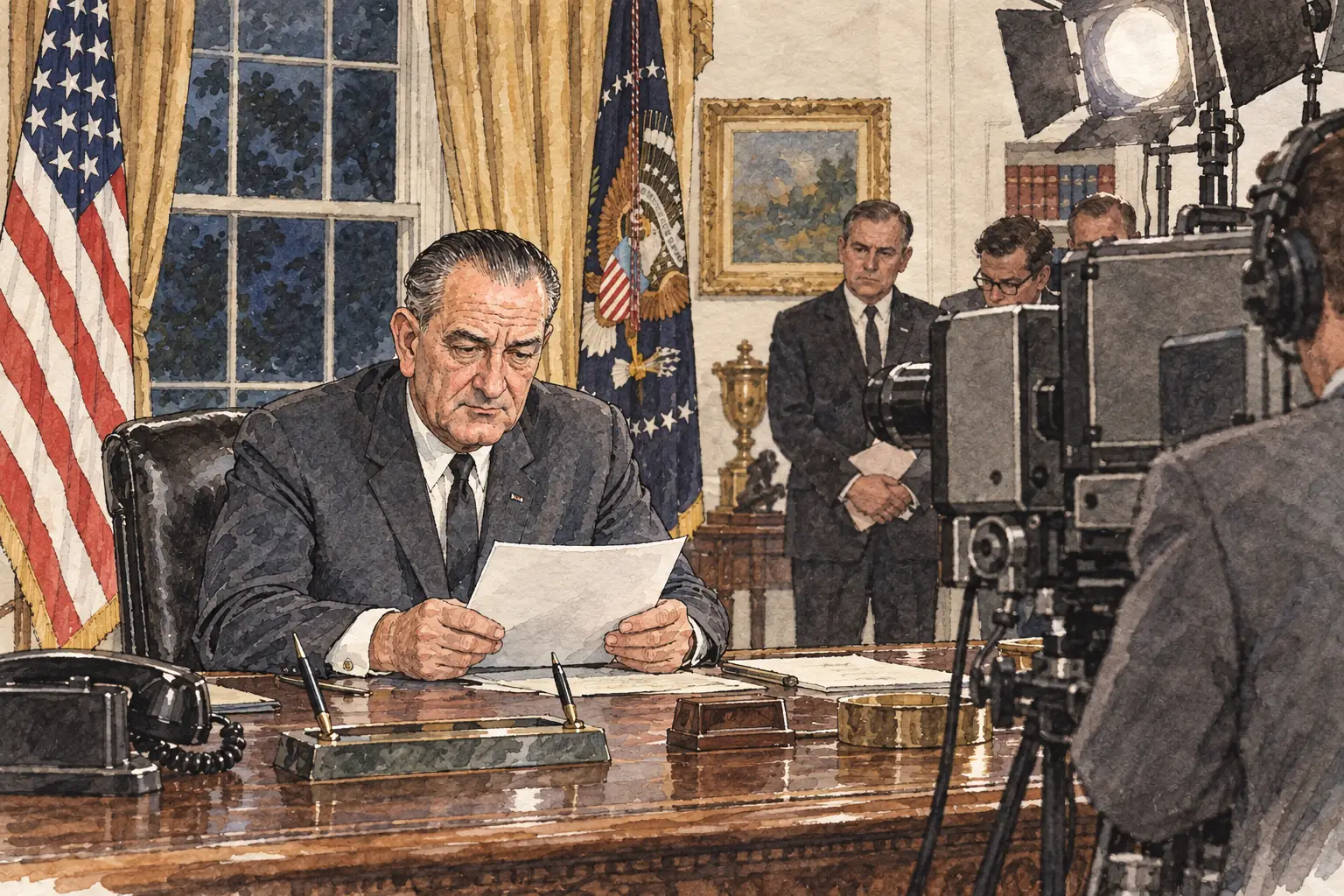
| 31 March 1968 | President Johnson announces he will not seek re-election, citing the war's toll. |
Key features of the Tet Offensive
The Tet Offensive marked a bold escalation in the Vietnam War, orchestrated by North Vietnamese leaders to deliver a decisive blow against South Vietnamese and American forces. Launched during the traditional Tet holiday, it exploited a period of expected calm to achieve maximum surprise.
Main characteristics of the attacks
- Coordinated surprise assaults - Vietcong and North Vietnamese Army (NVA) forces initiated simultaneous strikes on more than 100 targets across South Vietnam, including major cities, towns, and military installations.
- Timing during Tet holiday - The offensive began on 30 January 1968, capitalising on the lunar new year ceasefire when many South Vietnamese troops were on leave, catching defenders off guard.
- Scale and strategy - Involving around 80,000 communist troops, the attacks aimed to spark a popular uprising, overrun key urban centres, and force a collapse of the South Vietnamese government.
Fighting in Saigon and the Battle of Hue
Image 1 of 2: Early on 31 January 1968 Vietcong commandos broke into the grounds of the US Embassy in Saigon and held out for hours
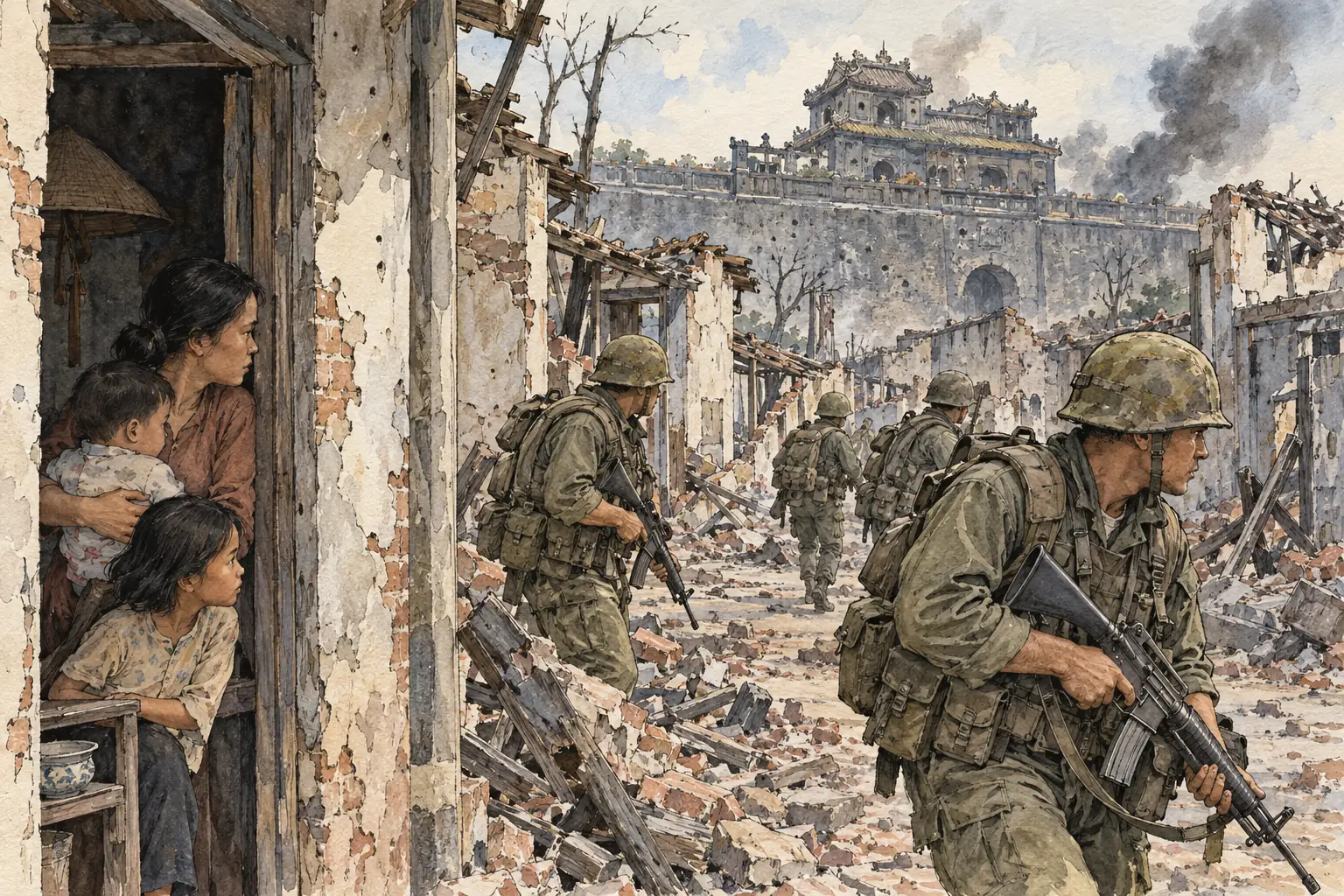
The Tet Offensive brought intense combat to urban areas, transforming civilian spaces into battlegrounds. Key clashes in Saigon and Hue demonstrated the Vietcong's ability to infiltrate and sustain operations deep within South Vietnam.
Major urban battles during Tet
- Assault on Saigon - Vietcong commandos targeted the capital, attacking symbols of power such as the presidential palace, radio station, and US Embassy on 31 January 1968. Although repelled within hours, the embassy raid shocked Americans by showing enemy reach into secure zones.
- Prolonged Battle of Hue - From 31 January to 24 February 1968, NVA and Vietcong forces seized much of the historic city of Hue, leading to house-to-house fighting. US Marines and Army of the Republic of Vietnam (ARVN) troops eventually recaptured it, but at the cost of widespread destruction and high civilian casualties.
Military outcomes and Vietcong losses
Despite initial gains, the Tet Offensive resulted in significant setbacks for the communist forces. US and ARVN troops mounted a strong counteroffensive, reclaiming lost ground and inflicting heavy damage.
Results of the military engagements
- Heavy Vietcong and NVA casualties - Communist forces suffered around 45,000 deaths, with the Vietcong particularly weakened as many experienced fighters were lost, forcing greater reliance on NVA regulars.
- US and ARVN recovery - American-led forces regained control of most attacked areas within weeks, with minimal territorial changes overall. However, the US reported over 4,000 fatalities, highlighting the offensive's human cost.
- Failure to achieve objectives - No widespread uprising occurred, and the South Vietnamese government held firm, marking Tet as a tactical defeat for the communists despite their bold execution.
Psychological and strategic impacts on US policy
Although a military victory for the US, the Tet Offensive delivered a profound psychological setback, undermining confidence in the war effort. It exposed flaws in American strategy and shifted the conflict's momentum.
Effects on US military and political approaches
- Questioning of US strategy - The attacks revealed intelligence failures and the limitations of search-and-destroy tactics, prompting debates over escalation versus withdrawal.
- Erosion of public support - Graphic media coverage of urban fighting contrasted with prior optimistic reports, leading many Americans to doubt the possibility of victory.
- Shift towards de-escalation - Tet influenced a move away from large-scale offensives, with greater emphasis on Vietnamisation—training ARVN forces to take over combat roles.
Credibility gap and Johnson's decision
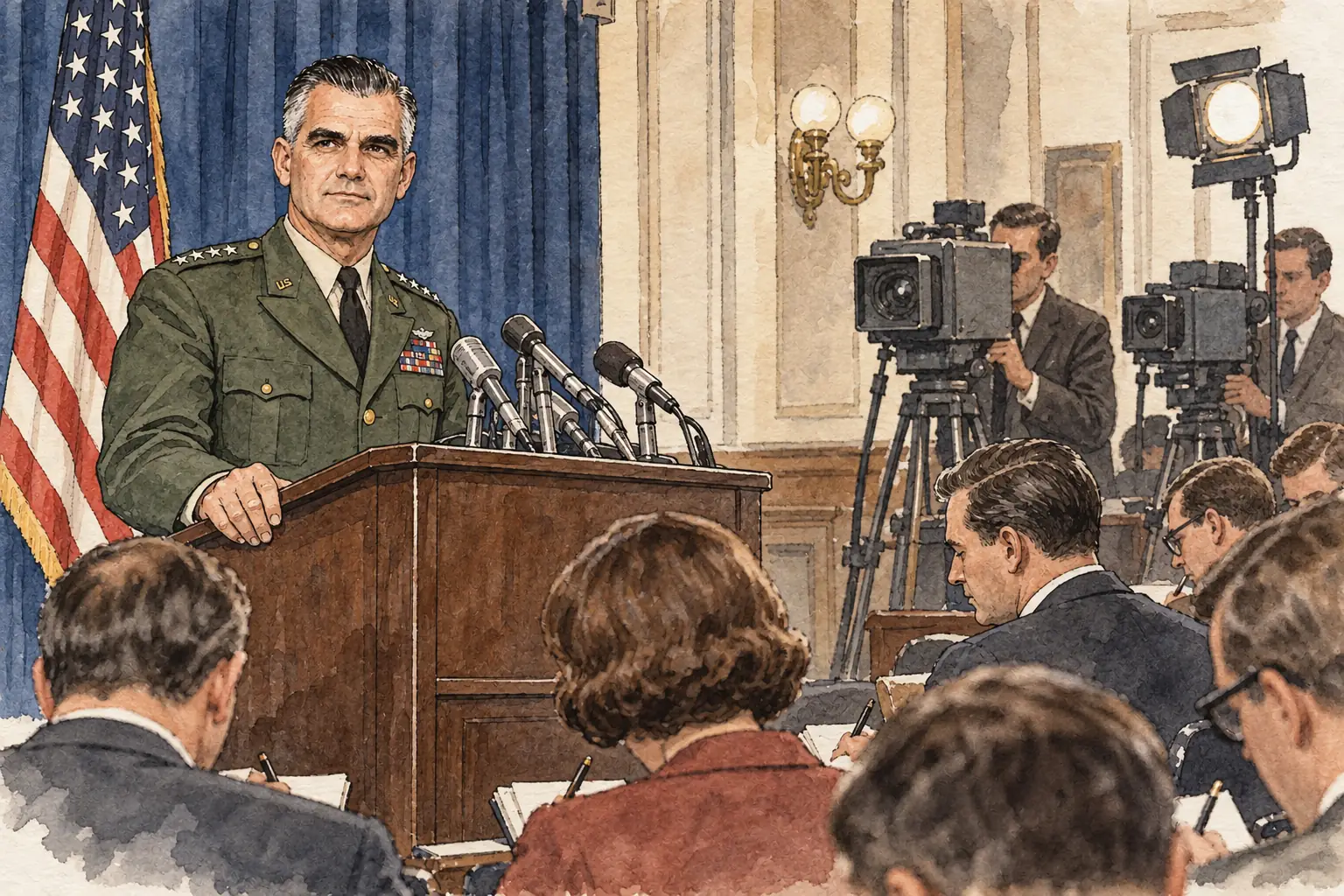
Image 1 of 2: In November 1967 Westmoreland told reporters that the end of the war was coming into view
The Tet Offensive widened the divide between official US government statements and the reality on the ground, fostering widespread scepticism. This disconnect had direct consequences for leadership and policy.
Development of the credibility gap
- Discrepancy in reporting - Prior to Tet, officials like General Westmoreland claimed the enemy was weakening, but the offensive's scale contradicted these assurances, creating distrust in government narratives.
- Media and public backlash - Television broadcasts of chaotic battles amplified perceptions of stalemate, fuelling anti-war protests and demands for transparency.
Johnson's response to Tet
- Decision not to seek re-election - On 31 March 1968, President Lyndon B. Johnson announced he would not run for another term, citing the war's divisiveness and his desire to focus on peace negotiations.
- Long-term policy shifts - This paved the way for new leadership under Richard Nixon, who pursued troop reductions and diplomatic efforts to end US involvement.