2.3 - Case Study: The Gunpowder Plot
Key facts and dates
The Gunpowder Plot of 1605 was a major treasonous conspiracy driven by religious tensions in early modern England, highlighting the severe punishments for crimes against the state. Although foiled, it reinforced anti-Catholic measures and left a lasting cultural impact.
Timeline of key events
- 1605 (early months) – Catholic conspirators, led by Robert Catesby, plan to assassinate King James I and destroy Parliament.
- 5 November 1605 – Guy Fawkes is discovered guarding gunpowder barrels beneath the House of Lords.
- Late 1605 – Surviving plotters are captured, tortured for information, and tried for high treason.
- January 1606 – Conspirators executed by hanging, drawing, and quartering in London.
- Post-1605 – Parliament enacts stricter laws against Catholics, including oaths of allegiance.
The plotters and their attempted crime
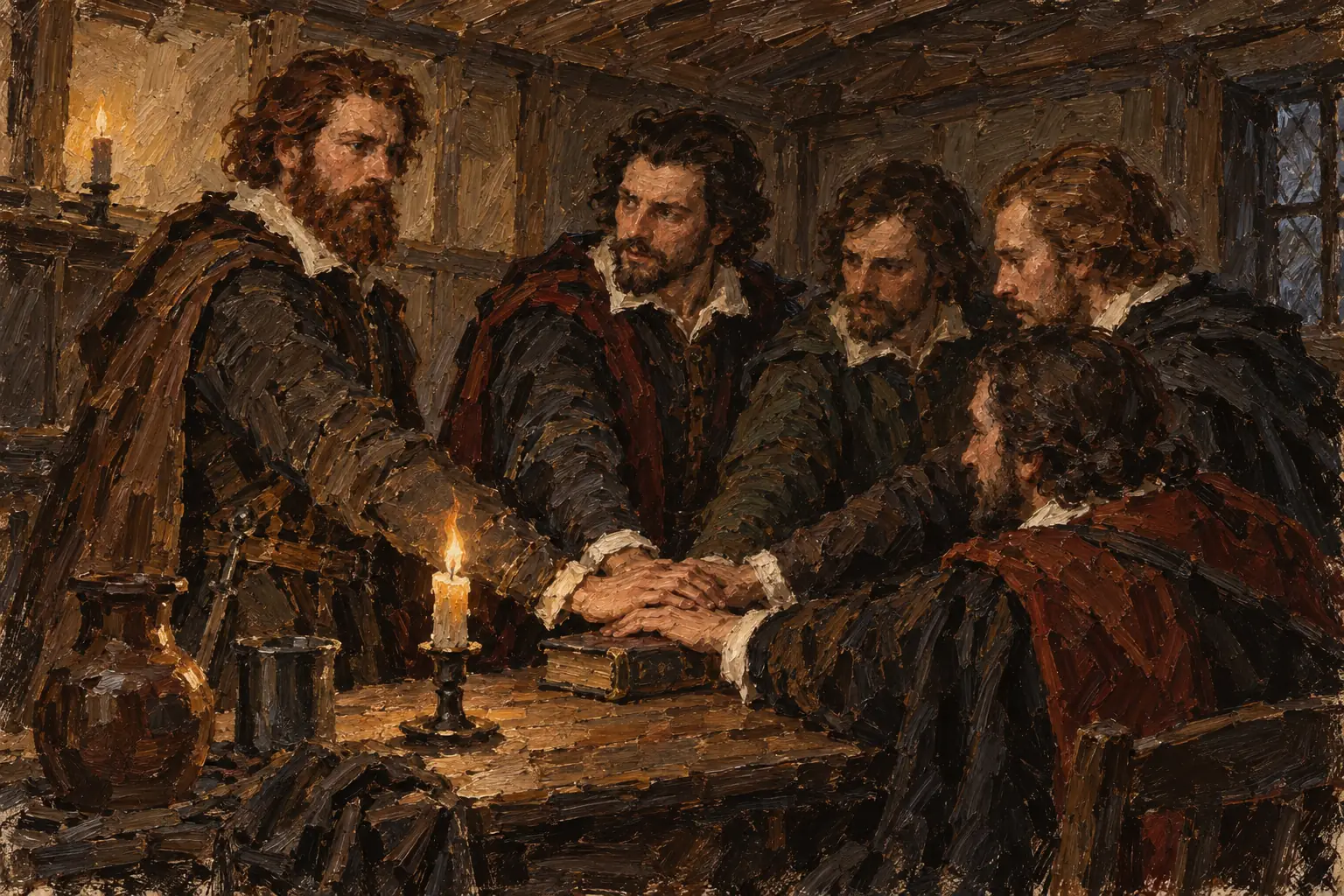
In 1605, a group of Catholic conspirators sought to overthrow the Protestant government through a dramatic act of violence. Motivated by religious persecution and dissatisfaction with King James I's policies, they aimed to eliminate key figures of authority in a single strike.
Key conspirators and motivations
- Main plotters - The group included Robert Catesby as the leader, Guy Fawkes (an explosives expert), and others such as Thomas Percy and John Wright, all driven by their Catholic faith and resentment towards anti-Catholic laws.
- Nature of the crime - The conspirators planned to detonate barrels of gunpowder under the House of Lords during the state opening of Parliament on 5 November 1605, intending to kill the king, his family, and leading politicians.
- Context of treason - This act was classified as high treason, viewed as the most serious offence because it directly challenged the monarch's authority and the stability of the state, rooted in ongoing religious conflicts between Catholics and Protestants.
Discovery of the plot and immediate response
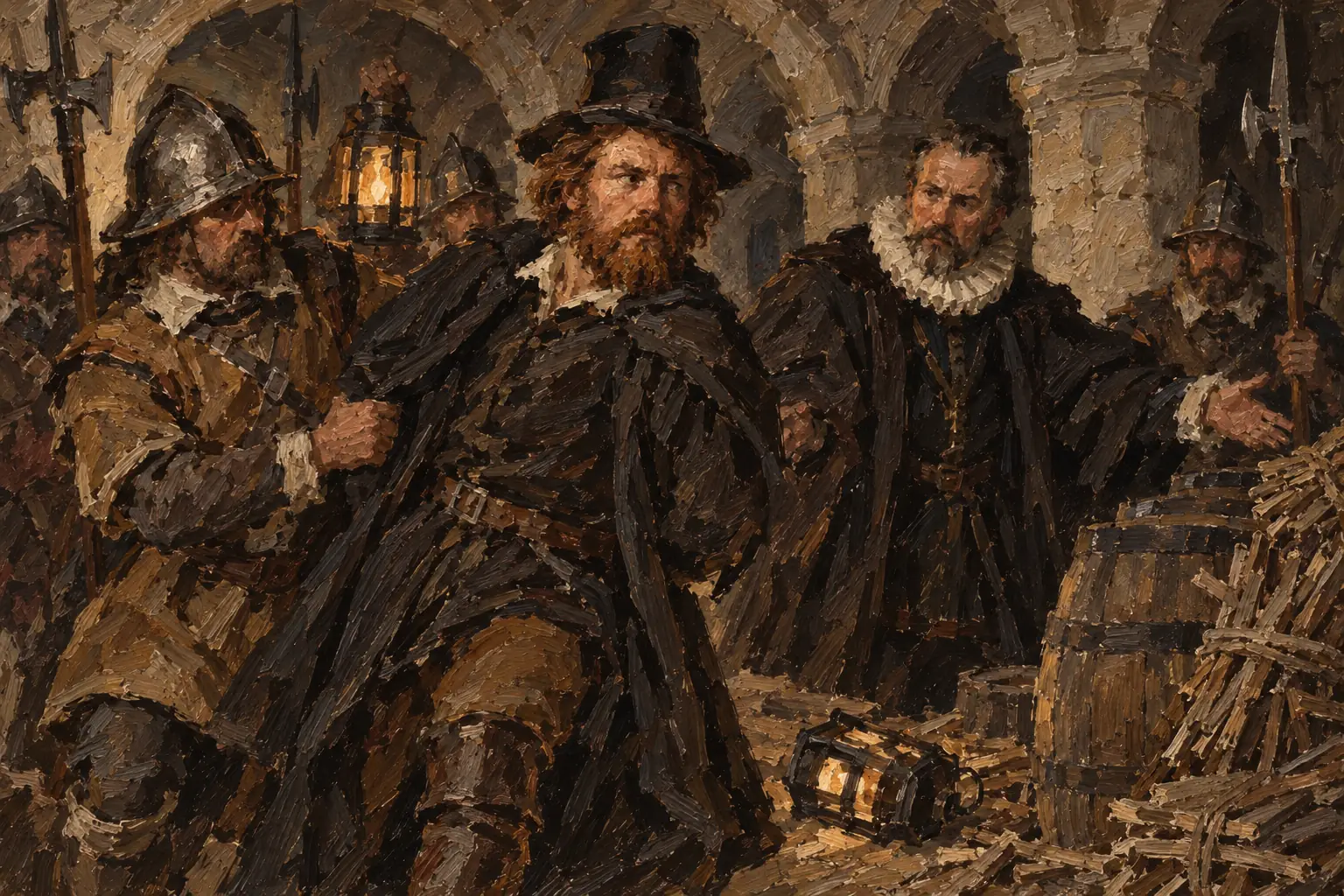
The conspiracy was uncovered just before its execution, leading to a swift and intense reaction from the authorities. This foiled attempt demonstrated the vigilance of the government in protecting the crown from internal threats.
How the plot was exposed
- Anonymous tip-off - An anonymous letter warned a Catholic nobleman not to attend Parliament, which alerted officials and prompted a search of the building's cellars.
- Capture of Guy Fawkes - On the night of 4 November 1605, Fawkes was found guarding approximately 36 barrels of gunpowder hidden beneath the House of Lords, ready for ignition.
- Authorities' response - Guards arrested Fawkes on the spot, and a wider manhunt ensued, resulting in the capture or death of other plotters during shootouts or pursuits in the following days.
Punishments for the conspirators
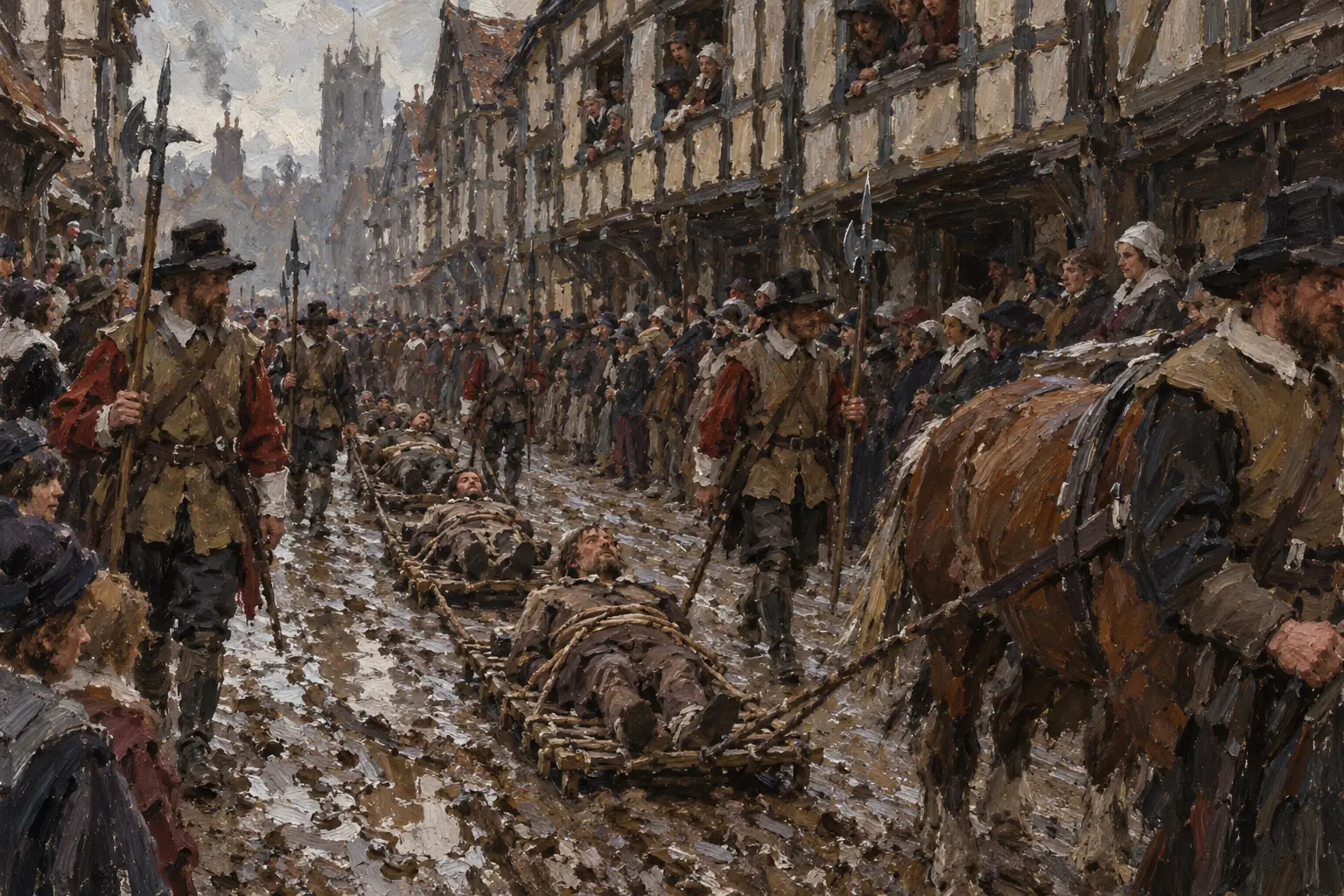
Those involved in the Gunpowder Plot faced extreme penalties designed to deter future rebellions and publicly affirm the power of the state. The executions were gruesome spectacles intended to instil fear and loyalty among the populace.
Execution method for high treason
- Trial and sentencing - The surviving conspirators were tried in a special court in January 1606, found guilty of treason, and sentenced to the standard punishment for such crimes.
- Hanging, drawing, and quartering - This involved hanging the condemned until nearly dead, followed by disembowelment while alive, beheading, and dismemberment; body parts were then displayed in public places like London Bridge as a warning.
- Public spectacle - The executions took place in prominent locations, such as St Paul's Churchyard, to maximise visibility and reinforce the message that treason would not be tolerated.
Use of torture in treason cases
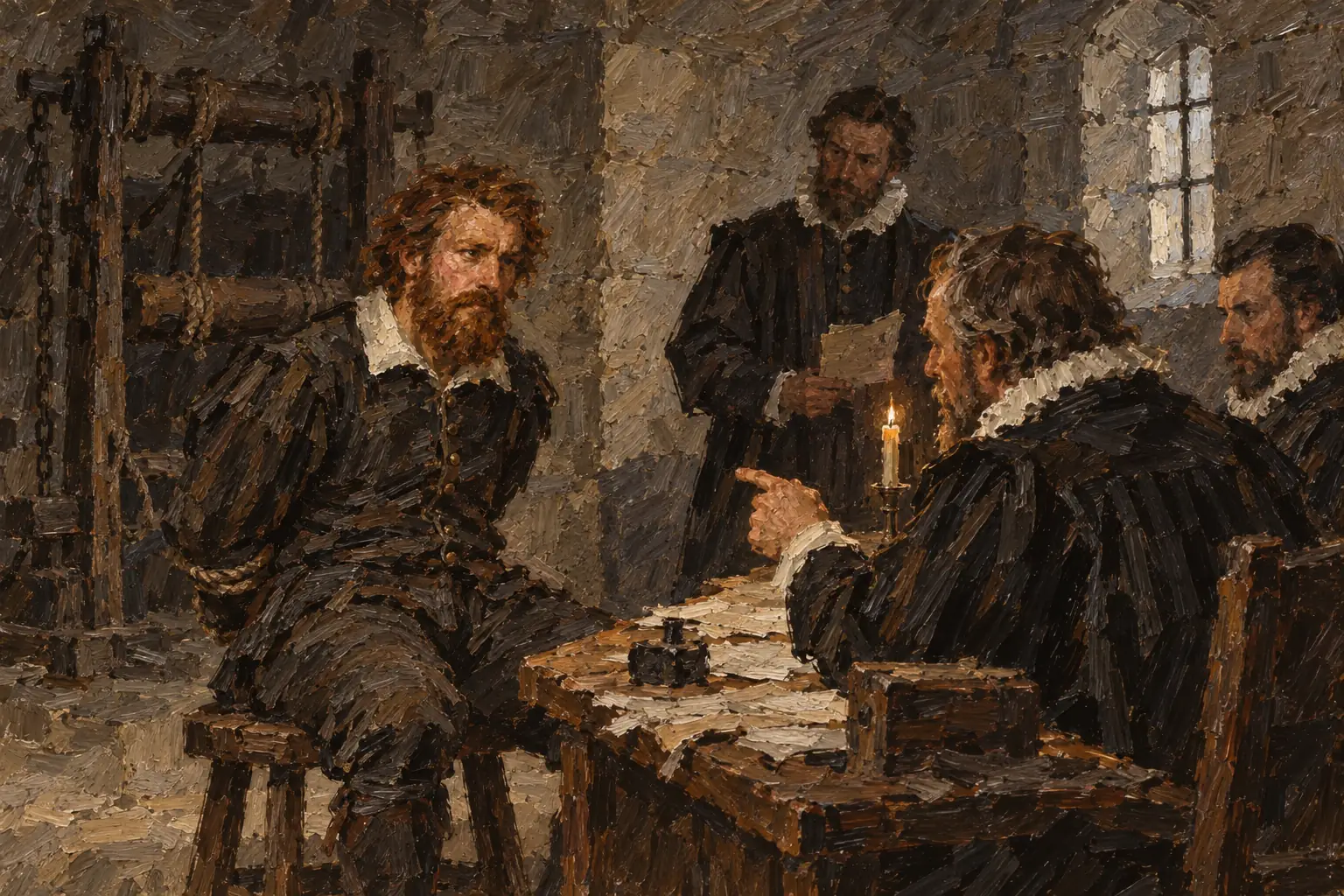
Although torture was not commonly used in English common law, it was authorised in exceptional circumstances for high-profile treason investigations. This practice was employed to gather intelligence about the plot and any wider networks.
Application of torture to plotters
- Legal basis - The king's privy council could permit torture in cases deemed threats to national security, overriding usual legal protections against cruel treatment.
- Torture of Guy Fawkes - Fawkes was subjected to methods like the rack (a device that stretched the body) in the Tower of London to extract confessions and names of accomplices, lasting several days until he broke.
- Rarity and purpose - Such measures were infrequent but justified for extracting vital information quickly, reflecting the era's emphasis on protecting the monarchy at all costs.
Long-term consequences and significance
The Gunpowder Plot had lasting effects on English society, intensifying religious divisions and shaping public memory. It underscored the government's determination to suppress dissent through harsh measures.
Impacts on laws and society
- Stricter anti-Catholic legislation - In response, Parliament introduced measures like the Popish Recusants Act, imposing heavier fines, restrictions on movement, and oaths of allegiance to further marginalise Catholics.
- Role as a deterrent - The brutal punishments served as a stark warning against challenging royal authority, helping to maintain order during a time of religious unrest.
- Cultural legacy - The event is commemorated annually on 5 November as Bonfire Night (also known as Guy Fawkes Night), with fireworks and effigy burnings, symbolising the enduring public awareness of the plot and the state's triumph over treason.