2.4 - Case Study: Matthew Hopkins & Witch-hunts
Key facts and dates
The witch-hunts led by Matthew Hopkins in East Anglia during the mid-17th century represented a peak in accusations and executions amid the turmoil of the English Civil War. This period saw fear and superstition amplified by social disorder, leading to a surge in prosecutions.
Timeline of key events
- 1645 – Matthew Hopkins begins his campaign as self-appointed Witchfinder General, travelling with John Stearne to investigate witchcraft claims.
- 1645-47 – Height of the witch-hunts in East Anglia, with over 100 people accused and executed amid civil war chaos.
- 1646 – Peak of trials, using methods like swimming tests and pricking for devil's marks to secure convictions.
- 1647 – Hopkins dies, contributing to the decline of the witch-hunt frenzy as public doubt grows.
Role of Matthew Hopkins as Witchfinder General
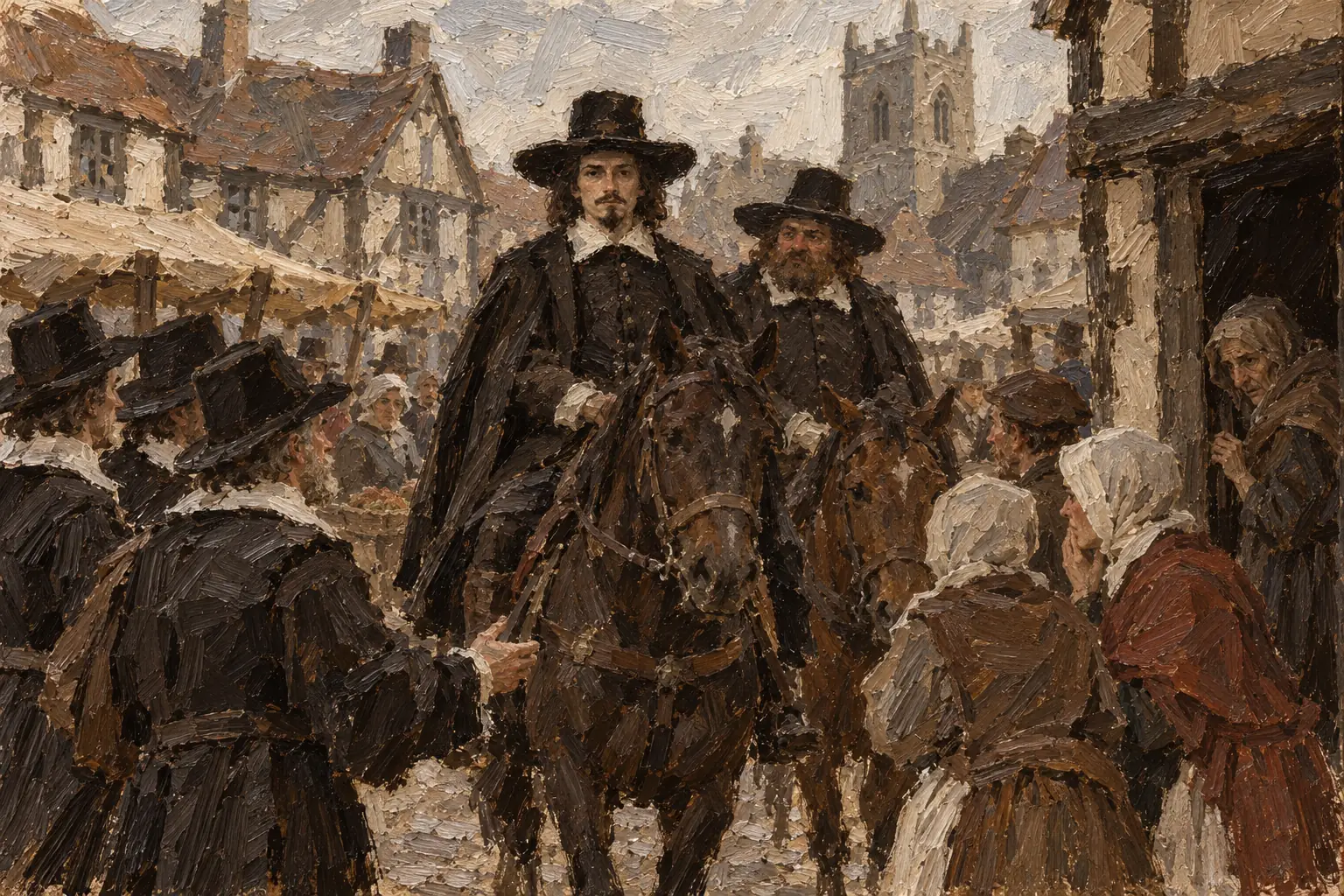
Matthew Hopkins emerged as a central figure in the witch-hunts of the mid-17th century, operating primarily in East Anglia. He proclaimed himself the Witchfinder General, a title he invented to legitimise his activities during a time of widespread unrest.
Hopkins's activities and associations
- Self-appointed authority - Without official backing, Hopkins positioned himself as an expert in detecting witchcraft, capitalising on the era's fears to gain influence.
- Collaboration with John Stearne - Hopkins worked closely with this associate, forming a team that moved from town to town to investigate and prosecute suspected witches.
- Targeting vulnerable groups - Accusations mainly focused on lower-class women, who were seen as easy targets in a society disrupted by conflict and hardship.
English Civil War context enabling witch-hunts
The English Civil War created an environment where witch-hunts could flourish, as traditional structures of society broke down. This period of instability amplified existing superstitions and provided opportunities for individuals like Hopkins to exploit public anxieties.
Factors contributing to the escalation of witch-hunts
| Factor | Description |
|---|---|
| Breakdown of law and authority | The war disrupted normal legal processes, allowing unregulated investigations and trials to proceed without oversight. |
| Economic hardships | Widespread poverty and resource shortages led communities to seek scapegoats for their misfortunes, often blaming alleged witches. |
| Atmosphere of fear | The chaos of conflict fostered paranoia, making people more susceptible to accusations of supernatural wrongdoing. |
| Social turmoil | Local disputes and grievances intensified, turning neighbour against neighbour in a climate of suspicion and blame. |
Methods used by Hopkins to identify witches
Image 1 of 2: Suspects were kept awake for days until they confessed
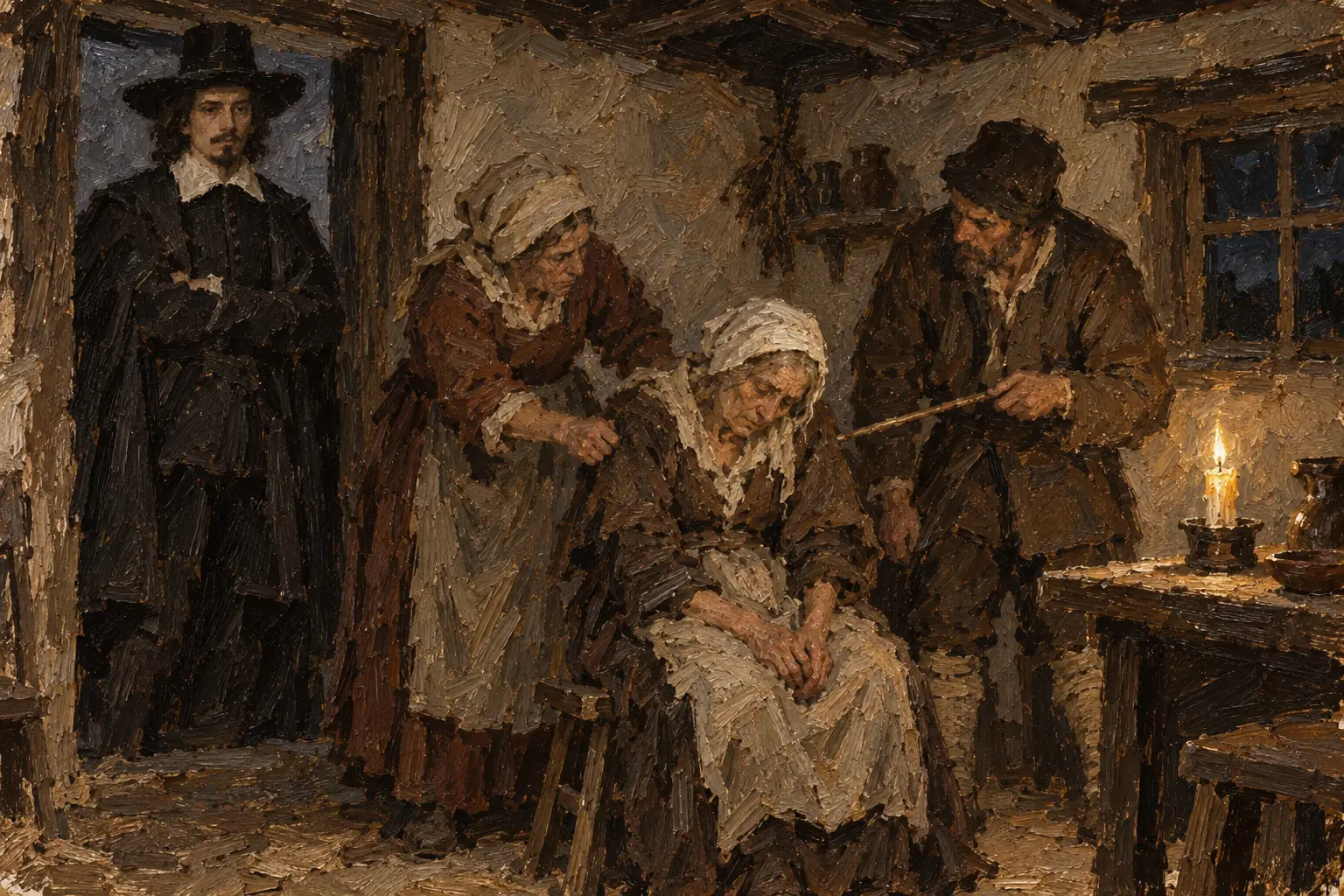
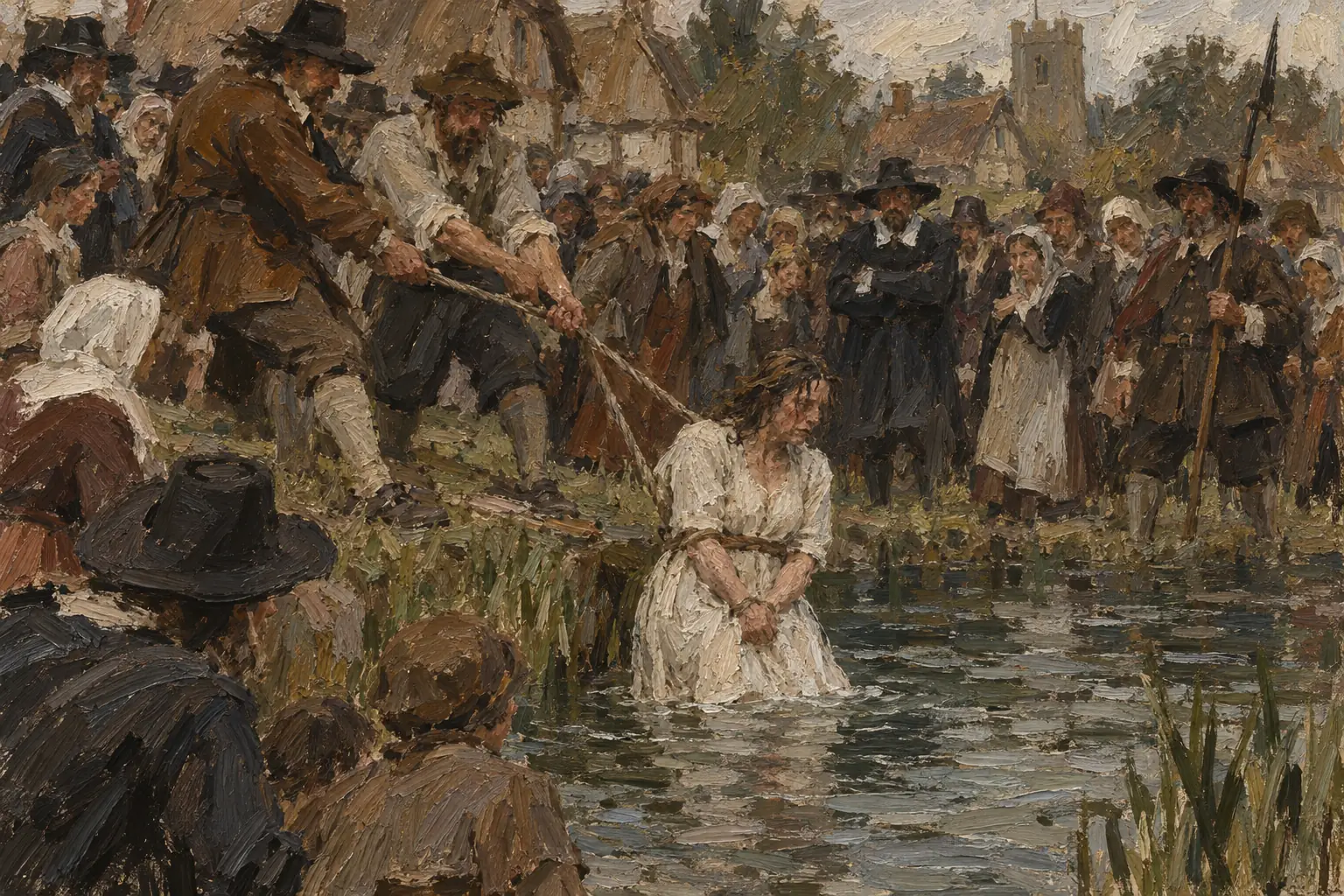
Hopkins employed a range of questionable techniques to uncover supposed witches, relying on superstition and coercion rather than evidence. These methods were designed to produce confessions and confirm guilt, often under duress.
Techniques for detecting witchcraft
| Technique | Description |
|---|---|
| Pricking for devil's marks | Hopkins searched suspects' bodies for moles or blemishes, pricking them with needles; if no pain or blood resulted, it was claimed as proof of a demonic mark. |
| Forced confessions | Accused individuals were subjected to sleep deprivation and intimidation to extract admissions of witchcraft, breaking their resistance over time. |
| Swimming test | Suspects were bound and thrown into water; floating was interpreted as guilt, as it supposedly showed rejection by pure water, while sinking indicated innocence. |
Scale and outcomes of the 1645-47 witch-hunts
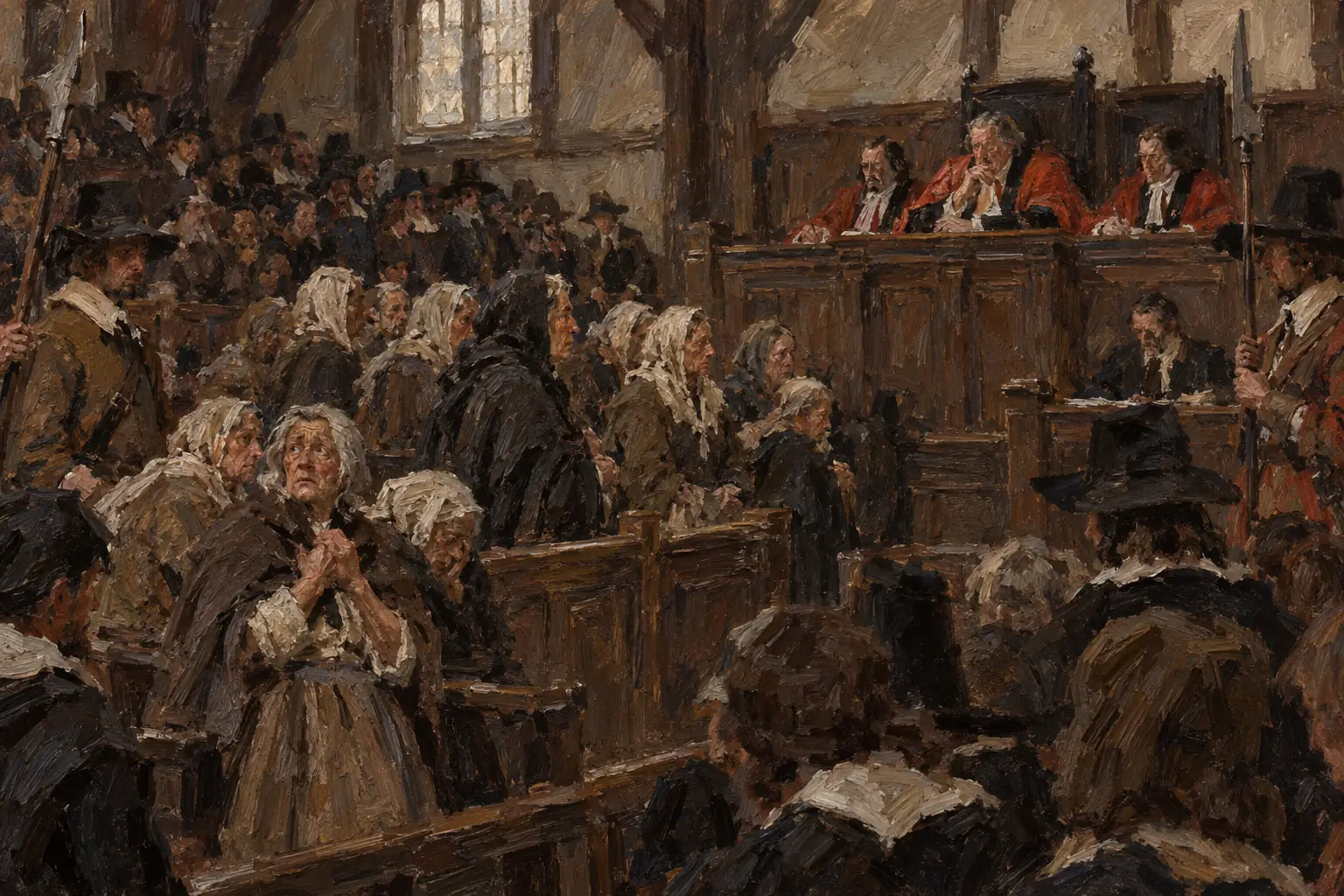
The witch-hunts under Hopkins marked a dramatic increase in prosecutions, far exceeding those of earlier periods. This surge resulted in numerous executions, reflecting the combined effects of personal zeal and societal pressures.
Characteristics of the witch-hunt surge
- Scale of executions - More than 100 people were hanged in just two years, a sharp rise compared to the lower numbers in previous decades.
- Punishment practices - Convicted witches faced hanging as the standard penalty under English law for the felony of witchcraft, distinct from burning, which was reserved for heresy.
- Personal incentives - Hopkins received payment for each conviction, motivating him to pursue and secure as many guilty verdicts as possible.
- Contributing factors - The frenzy was fuelled by civil war disruptions, community tensions, and Hopkins's relentless campaigning, which encouraged a wave of accusations.
Reasons for the end of the witch-hunt craze
The intense phase of witch-hunting concluded abruptly, influenced by shifting attitudes and key events. This decline highlighted growing doubts about the validity of such prosecutions.
Factors leading to the decline
- Hopkins's death in 1647 - His passing removed a driving force behind the hunts, disrupting the momentum of investigations.
- Rising skepticism - Increasing public and judicial doubt about the methods and fairness of trials began to undermine the credibility of accusations.
- Restoration of stability - As the civil war subsided, the return of regular authority reduced the chaos that had enabled unchecked witch-hunts.
- Broader societal shift - The excesses of the period prompted reflection, leading to fewer prosecutions and a move away from superstitious frenzy.