1.7 - Weimar Society & Culture, 1924–29
Key facts and dates
The 'Golden Years' of the Weimar Republic, from 1924 to 1929, represented a period of relative stability and progress following earlier turmoil, marked by economic recovery and social changes. However, these advancements were uneven, with cultural vibrancy sparking both enthusiasm and controversy amid persistent inequalities.
Timeline of key events
- 1918 – Women gain the right to vote under the new Weimar Constitution, marking a milestone in political equality.
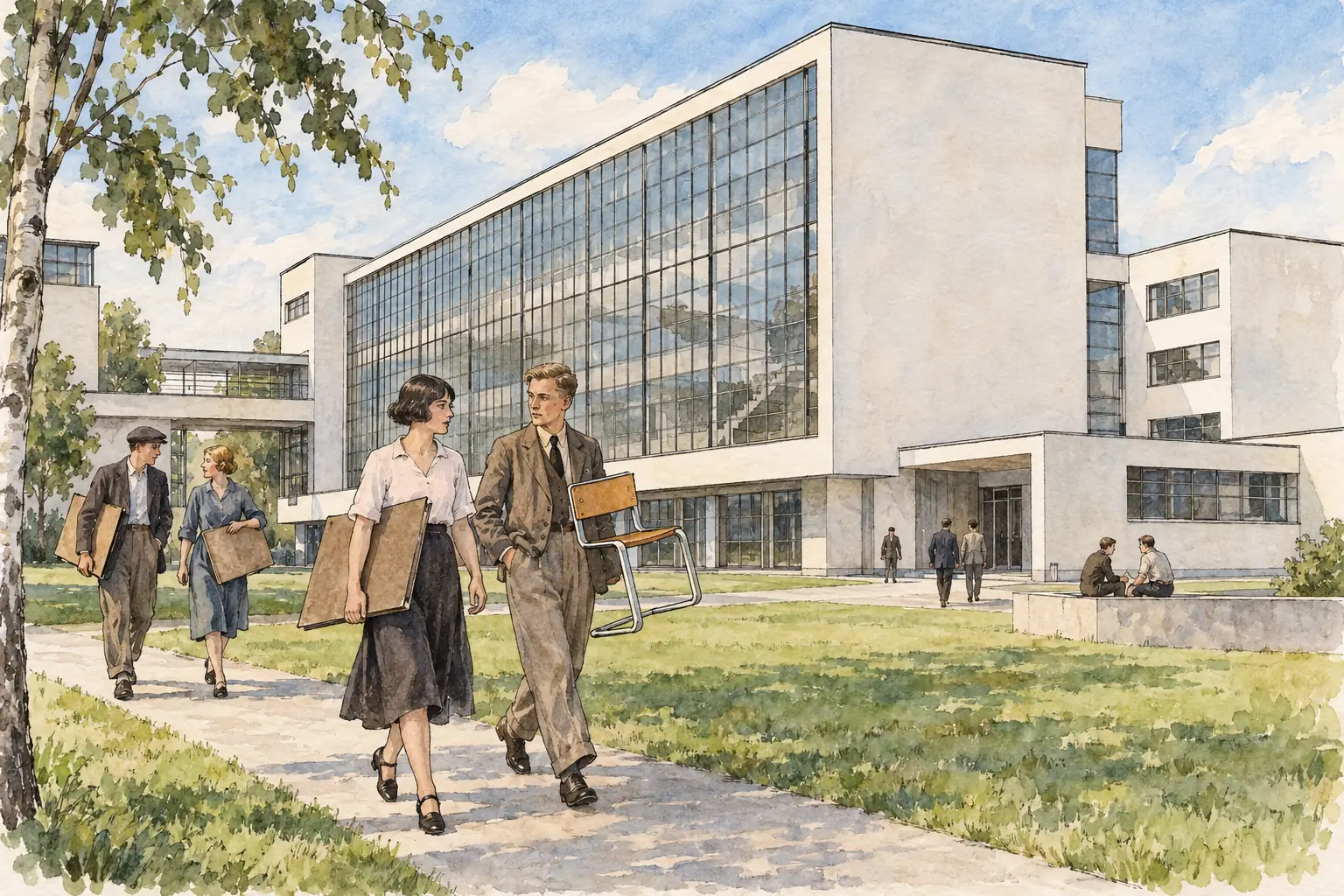
- 1919 – Founding of the Bauhaus school by Walter Gropius, pioneering modern architecture and design.
- 1924 – Introduction of the Rentenmark and Dawes Plan stabilises the economy, enabling improvements in wages and housing.
- 1925–1929 – Expansion of welfare provisions, including unemployment insurance and public housing projects.
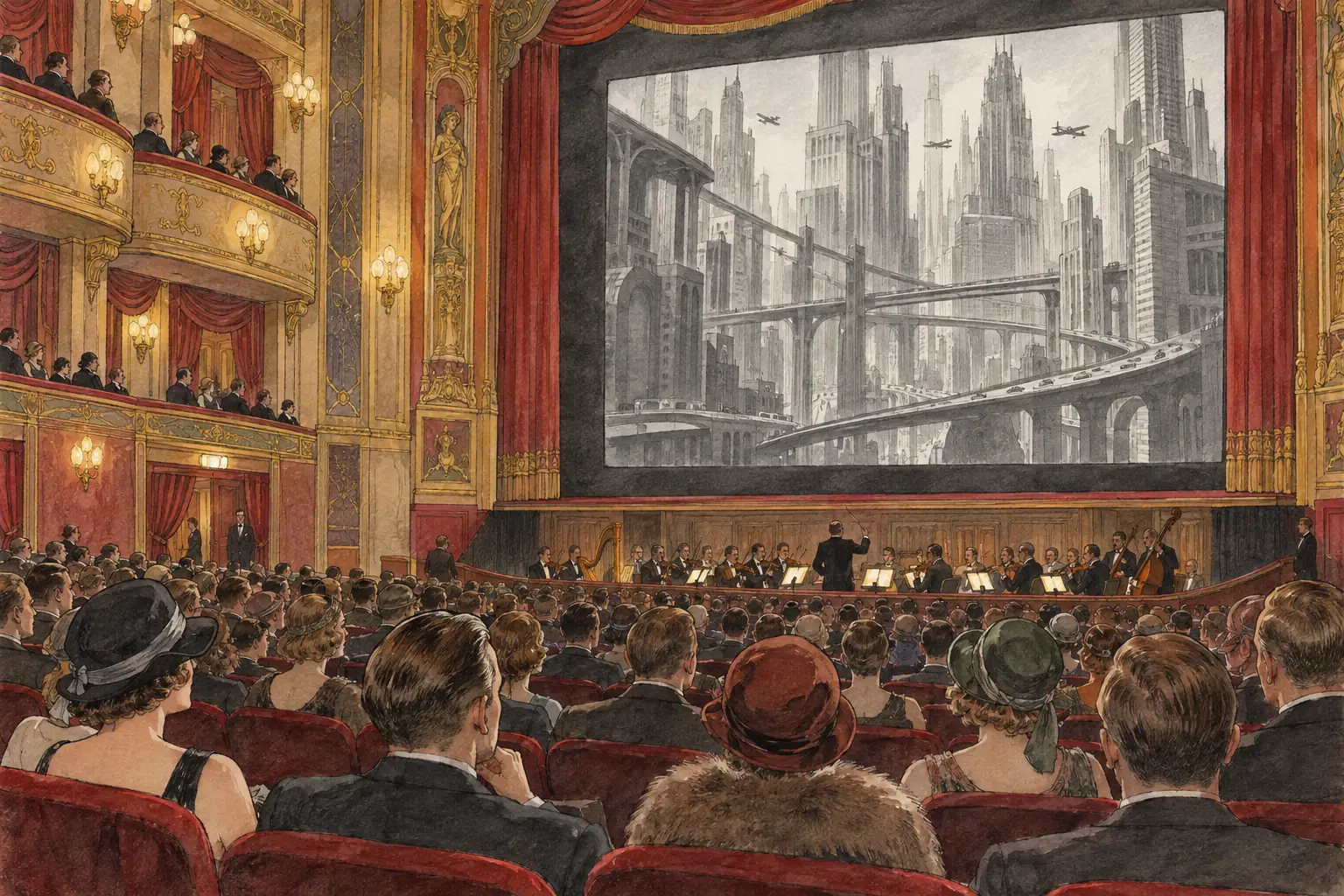
- 1926 – Release of Fritz Lang's film Metropolis, exemplifying Weimar cinema's innovative yet divisive exploration of modernity.
- 1929 – Global economic crash ends the Golden Years, exacerbating underlying social tensions.
Improvements in living standards and welfare
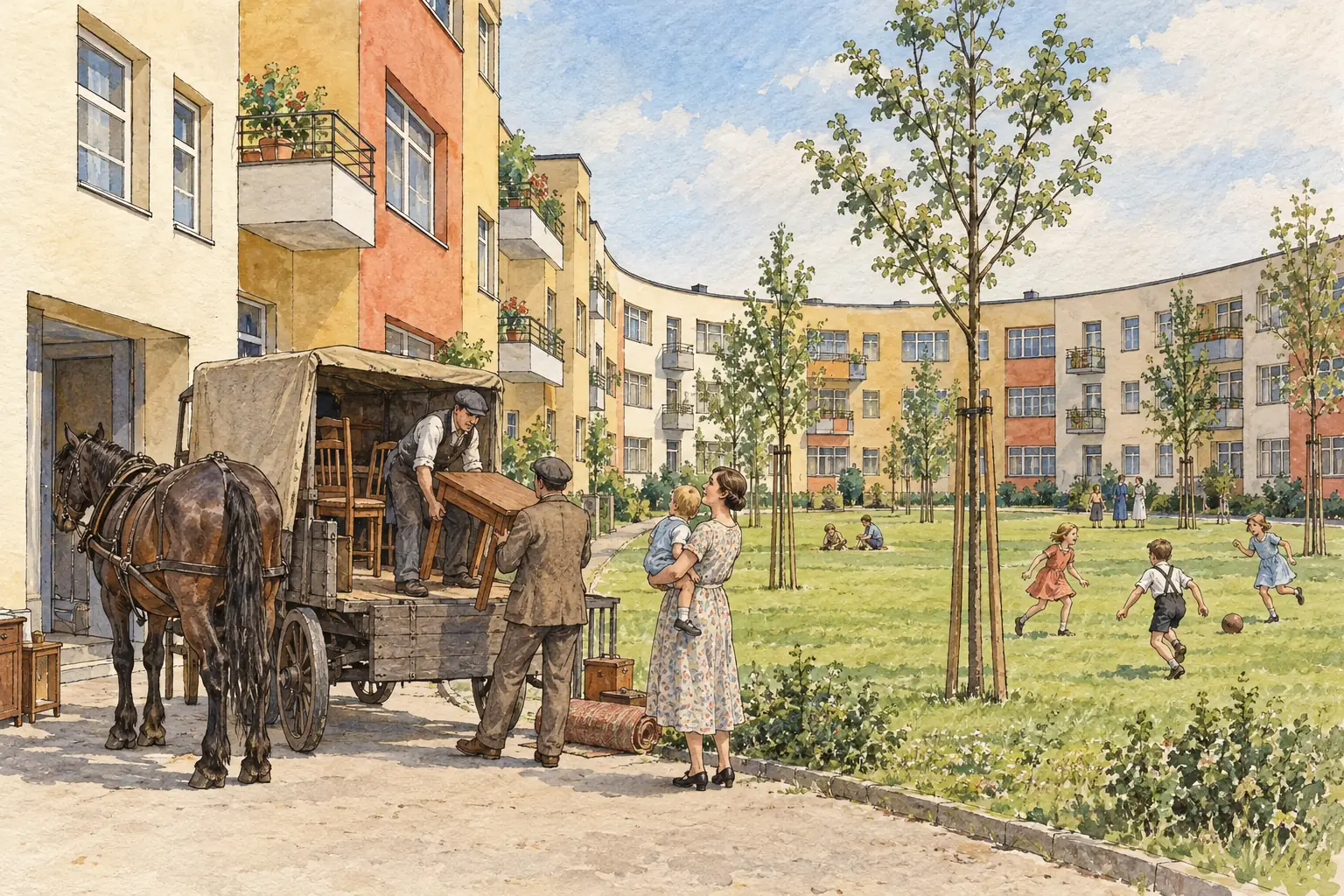
The Golden Years brought notable advancements in economic conditions for many Germans, driven by stabilisation efforts and foreign loans. These changes improved daily life through better compensation, housing access, and social support systems.
Key areas of progress in living standards
- Rising real wages - Stabilised currency and economic growth led to higher purchasing power for workers, with average incomes increasing by around 20% between 1924 and 1928, allowing greater affordability of goods and services.
- Housing developments - Government initiatives funded large-scale building projects, constructing over 2 million new homes to address shortages, often incorporating modern designs for improved living conditions.
- Welfare expansions - New laws introduced unemployment benefits, health insurance, and pensions, providing a safety net that reduced poverty and supported families during economic fluctuations.
Ongoing problems for farmers and the Mittelstand
Image 1 of 2: Falling food prices and high interest rates forced many indebted farmers to sell their land
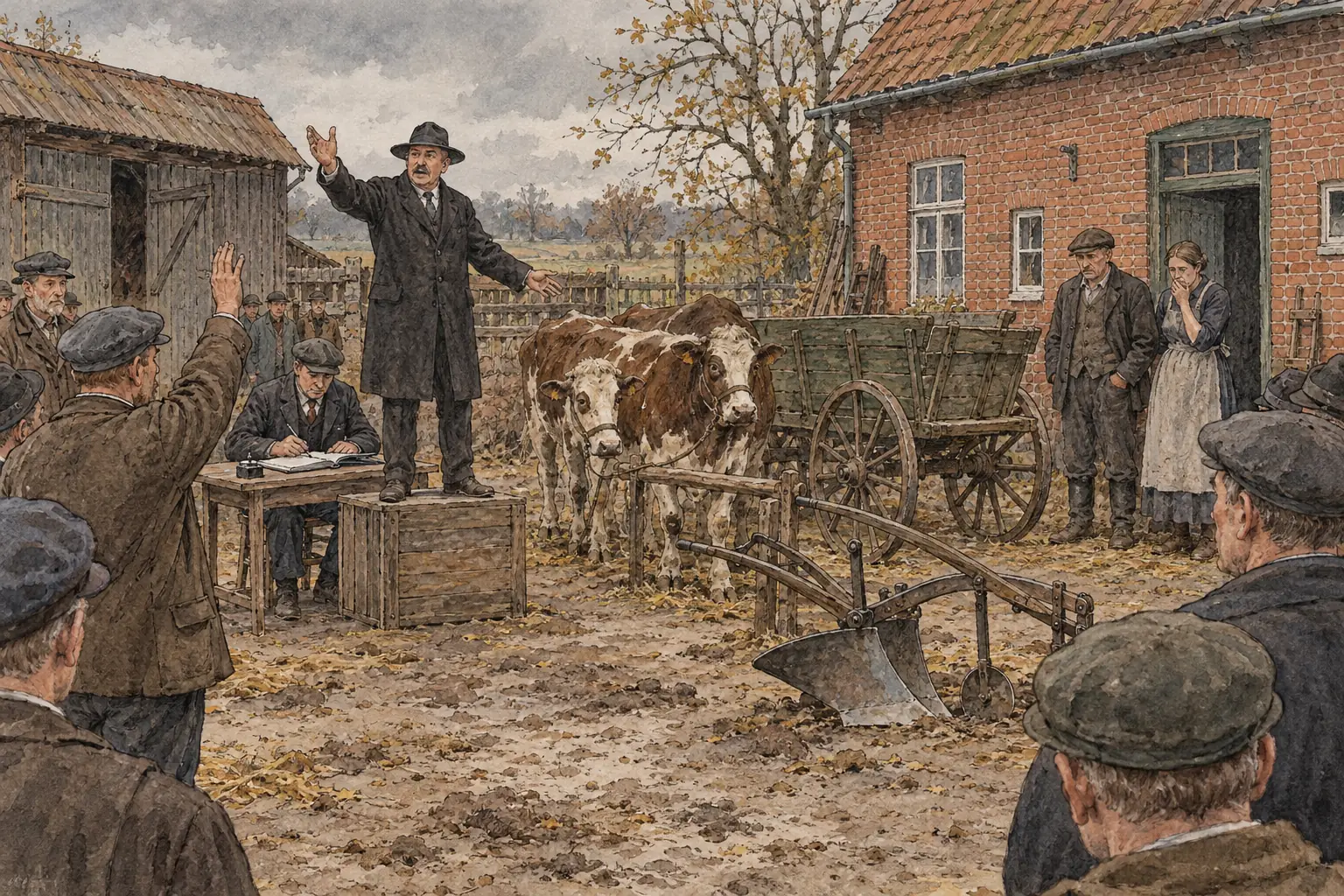
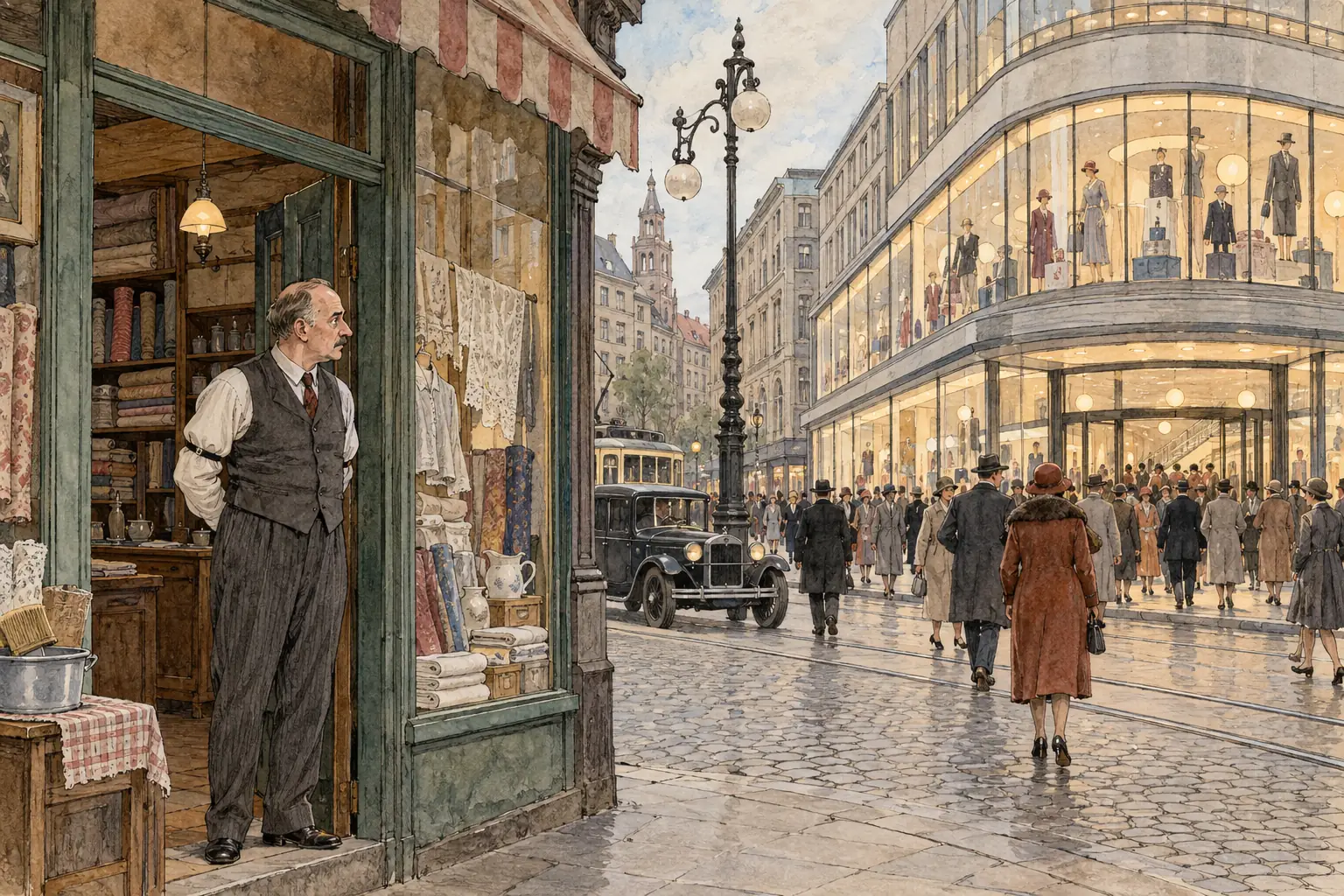
Despite overall progress, certain groups faced continued hardships during the Golden Years. Farmers and the Mittelstand – the middle class of small business owners and professionals – struggled with economic pressures that modernisation exacerbated.
Challenges faced by farmers
- Declining agricultural prices - Global competition and overproduction caused farm incomes to fall, with many rural workers unable to afford mechanisation or compete with imported goods.
- Debt and land loss - High interest rates on loans led to widespread foreclosures, forcing smallholders to sell land and contributing to rural poverty.
Difficulties for the Mittelstand
- Competition from big business - Large corporations and department stores squeezed small enterprises, leading to bankruptcies and job losses among shopkeepers and artisans.
- Inflation aftermath - Lingering effects of hyperinflation eroded savings and purchasing power, leaving many in this group resentful of the republic's perceived favouritism towards workers and elites.
Evolving roles of women in society
Image 1 of 2: More women took jobs as office clerks and typists
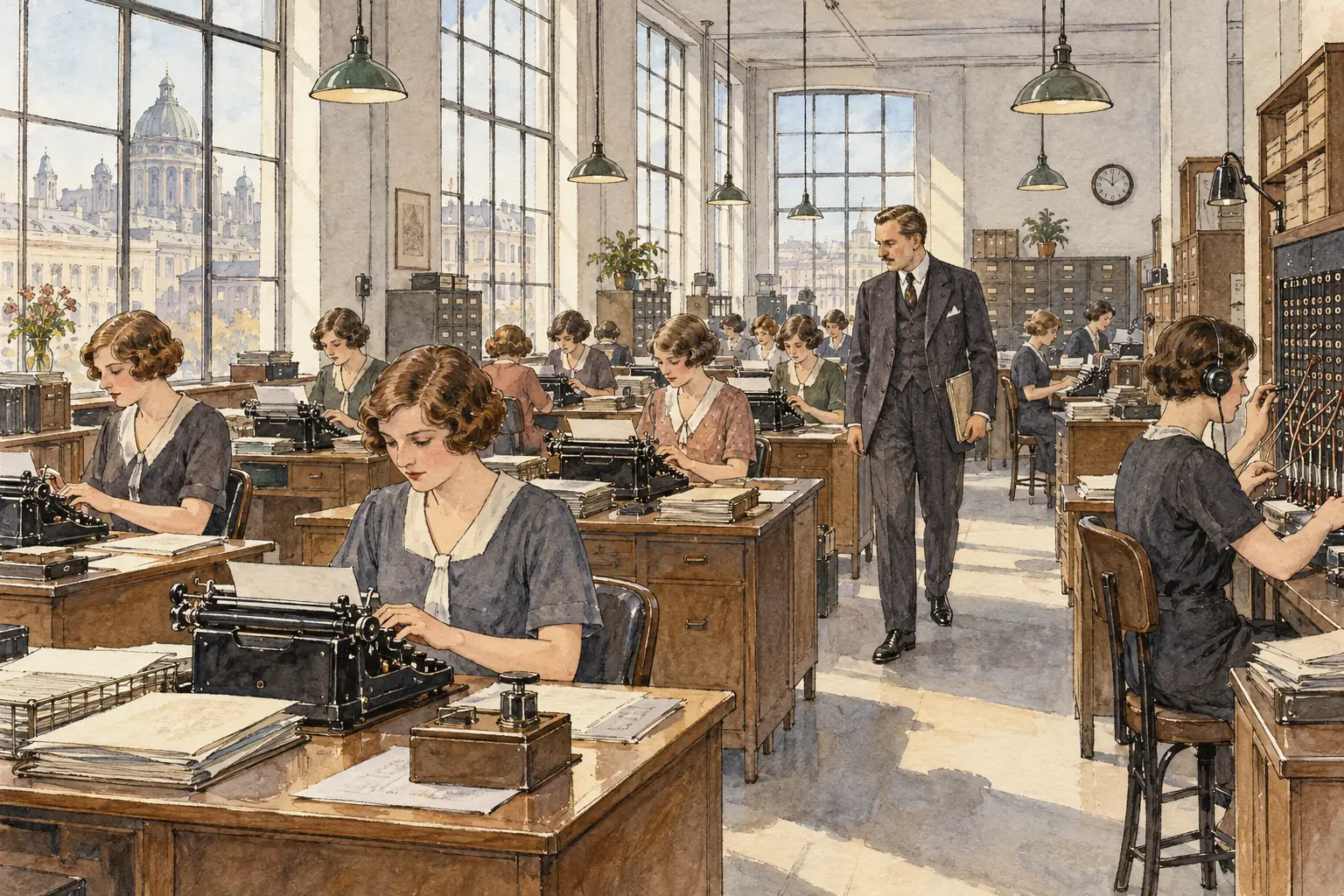
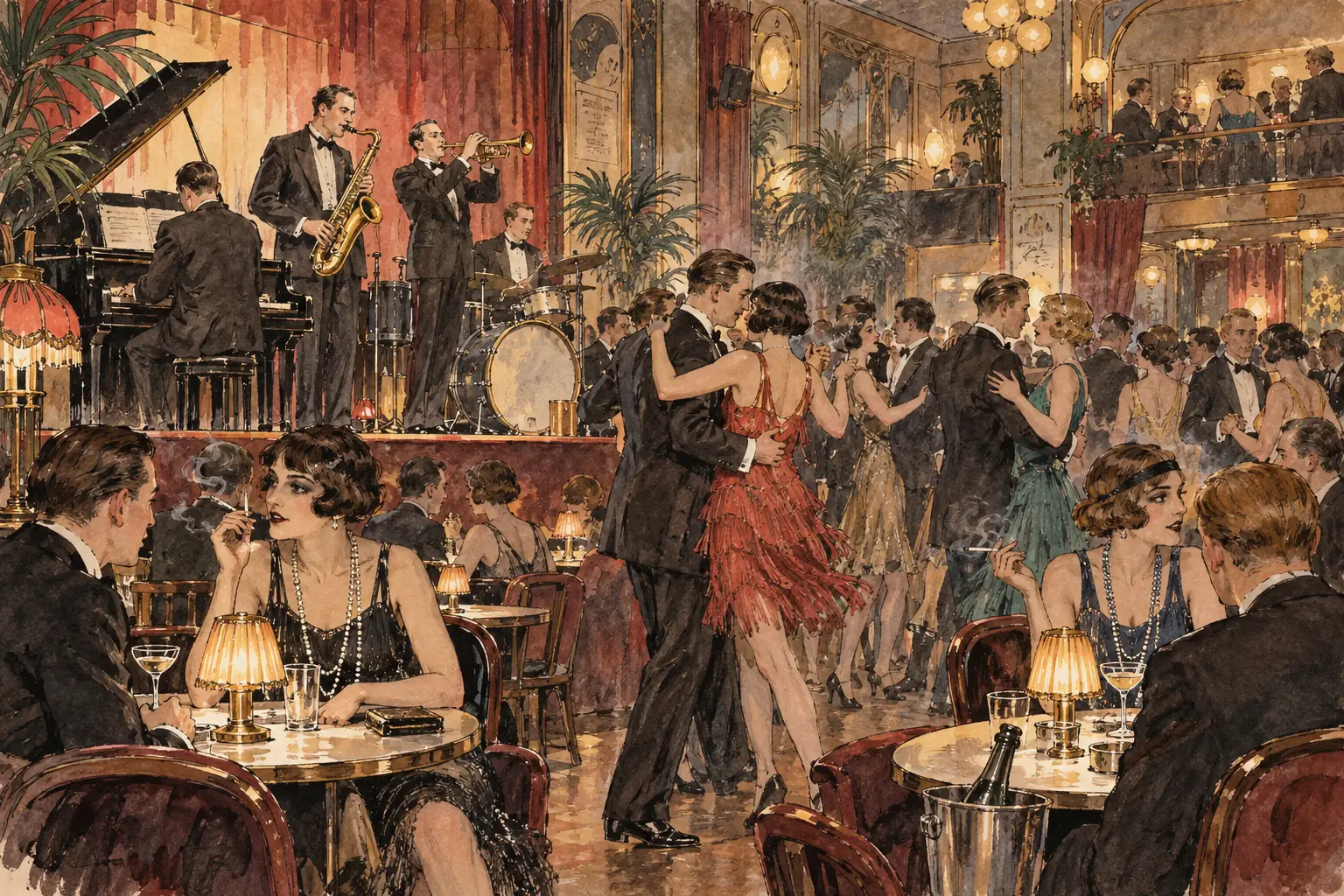
Women's positions in Weimar Germany underwent significant shifts during the Golden Years, influenced by legal reforms and social changes. While new opportunities emerged, they often clashed with conservative attitudes, creating a tension between progress and tradition.
Changes in women's work and politics
- Employment opportunities - More women entered the workforce in roles such as office clerks and factory workers, with employment rates rising due to urbanisation and labour shortages.
- Political participation - Suffrage granted in 1918 allowed women to vote and stand for election, resulting in female representatives in the Reichstag and greater involvement in political parties.
Developments in leisure and societal backlash
- Leisure and lifestyle - Urban women embraced modern fashions, nightlife, and sports, symbolising the 'New Woman' ideal of independence and freedom.
- Traditional resistance - Conservative groups criticised these changes as threats to family values, leading to backlash including media campaigns and policies encouraging women to focus on domestic roles.
Cultural innovations and debates
Image 1 of 2: The Bauhaus school at Dessau, whose functional steel-and-glass design influenced modern buildings
The Golden Years saw a burst of cultural creativity that mirrored the era's modernity and instability. Innovations in art, architecture, and entertainment both celebrated progress and ignited debates over traditional German values.
Key cultural movements and examples
- Bauhaus architecture - Led by Walter Gropius, this school promoted functional, minimalist designs using new materials like steel and glass, influencing urban buildings and symbolising efficiency and progress.
- Neue Sachlichkeit in art - This 'New Objectivity' style featured realistic depictions of everyday life and social issues, often critiquing war's aftermath and urban alienation through works by artists like Otto Dix.
- Cinema and theatre innovations - Films such as Fritz Lang's Metropolis explored futuristic themes and class divides, while experimental theatre challenged conventions, blending entertainment with social commentary.
Impact on Weimar values
Cultural dynamism reflected the republic's openness to experimentation but provoked controversy, with critics viewing it as decadent or un-German, fuelling debates about national identity and morality amid rapid change.