3.1 - Changing Definitions of Criminal Activity
Key facts and dates
Between 1700 and 1900, the nature of crime in Britain evolved alongside population growth, urbanisation, and industrial changes, while some traditional offences persisted. Familiar crimes like violence and theft continued, but new challenges emerged, and definitions shifted with societal attitudes. The following timeline captures significant events and turning points in criminal activity and legal responses.
Timeline of key events
- Early 1700s – Highway robbery increases with more road travel; figures like Dick Turpin become notorious.
- 1723 – Black Act introduces capital punishment for poaching deer or rabbits, reflecting strict Game Laws.
- 1736 – Witchcraft Act ends executions for witchcraft, treating claims as fraud instead.
- 1834 – Tolpuddle Martyrs arrested for forming a trade union and administering illegal oaths; sentenced to transportation.
- After 1800 – Highway robbery declines due to improved roads, patrols, and use of paper money.
- Late 1800s – Trade unions become legal, showing shifts in views on workers' organisations.
Prevalent crimes in the 18th century
Image 1 of 2: Highway robbery grew as more people travelled by coach on poorly policed roads
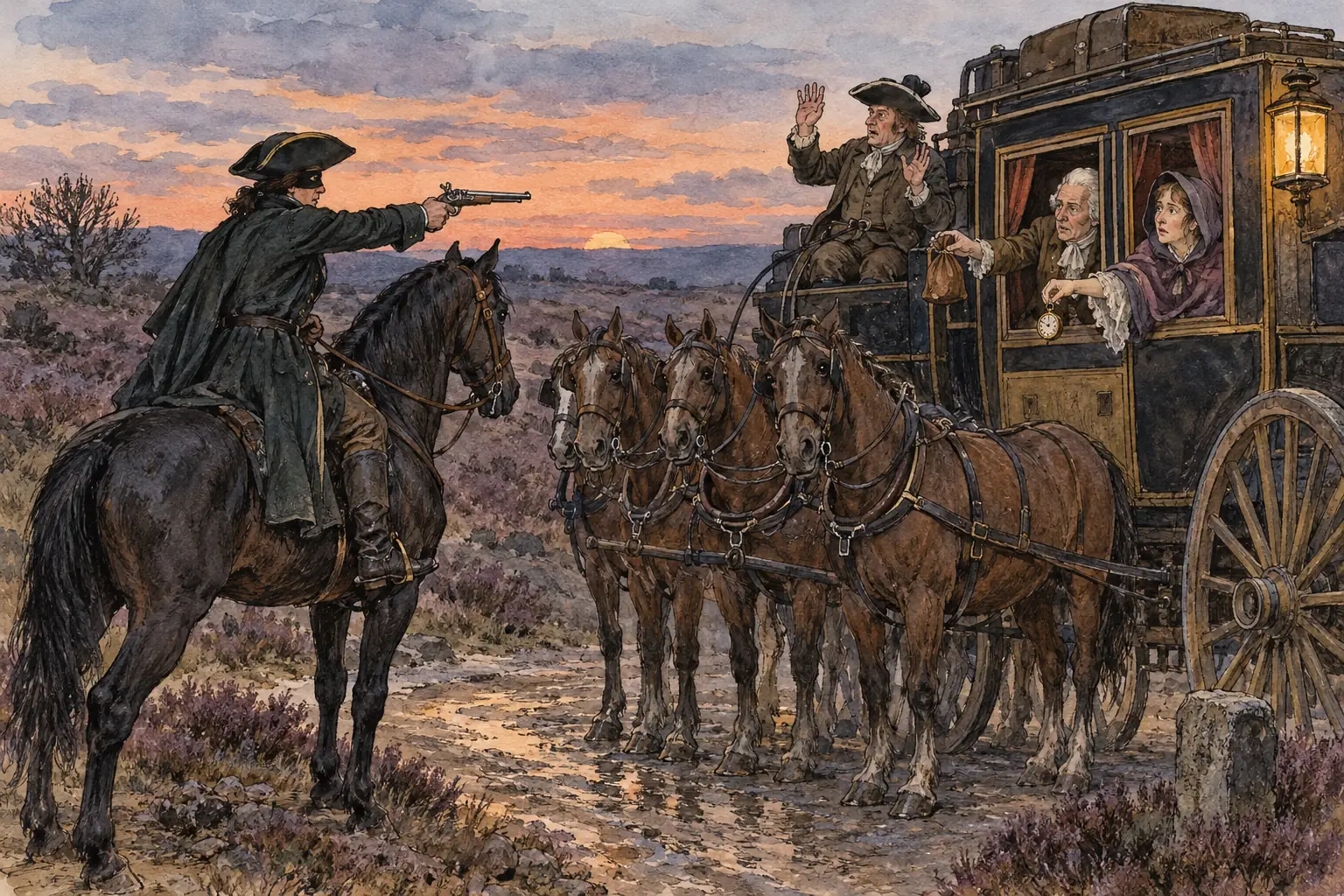
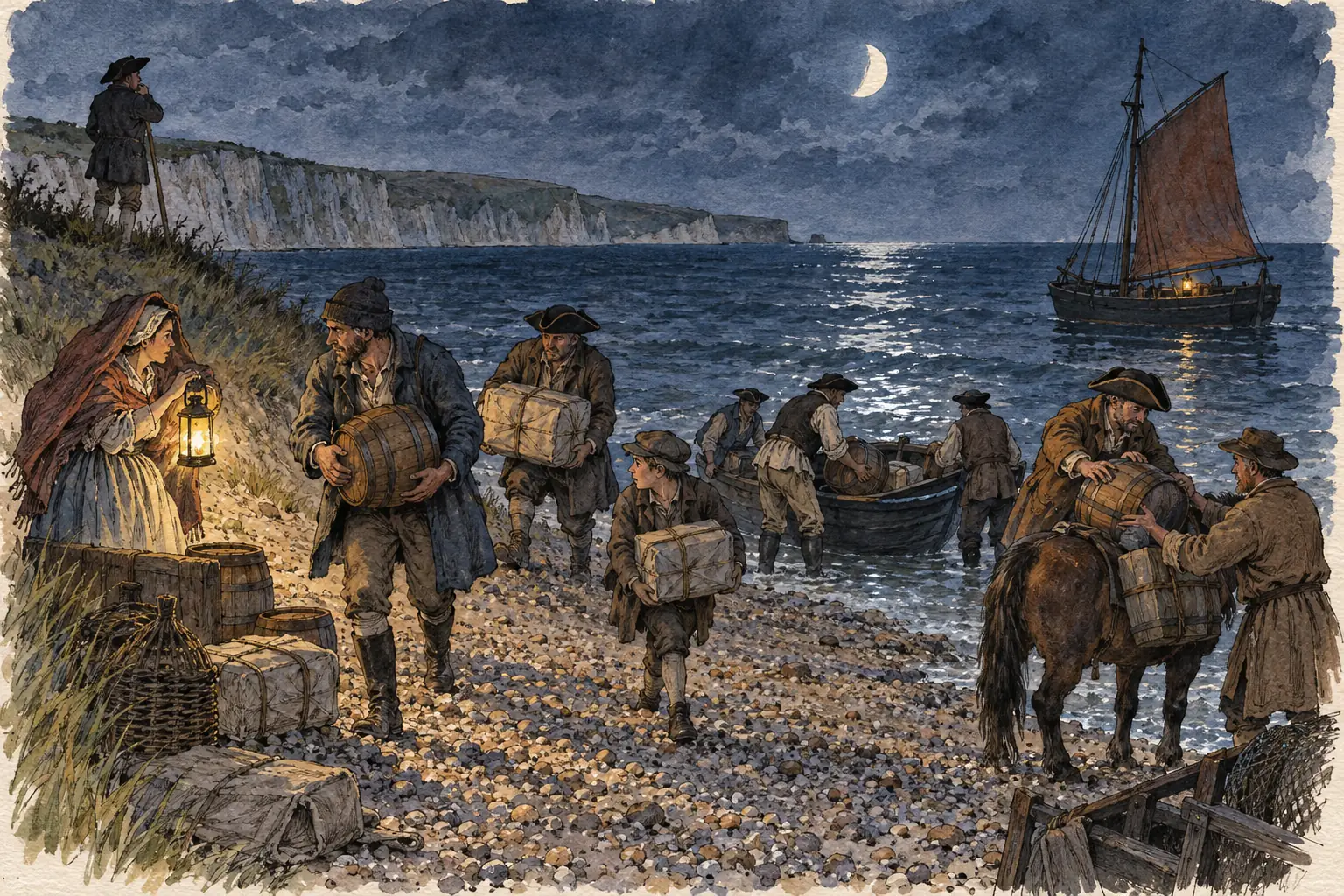
During the 1700s, many crimes remained familiar, such as assaults on individuals, theft of belongings, and challenges to authority. However, expanding populations and economic shifts led to a rise in specific offences, often linked to rural poverty and trade restrictions.
Common offences and their contexts
- Highway robbery - Armed thieves targeted travellers on roads, exploiting the lack of policing; notorious figures like Dick Turpin highlighted this issue as travel by coach grew.
- Smuggling - Gangs illegally brought in goods like tea, spirits, and fabrics to dodge high taxes; this was often viewed as a 'social crime' since locals bought cheap items and shielded smugglers.
- Poaching - Rural poor hunted game on private land, punished harshly under laws like the 1723 Black Act, which made it a hanging offence; despite this, poachers often gained community sympathy.
Decline of certain crimes in the 19th century
By the 1800s, some 18th-century offences diminished due to improvements in infrastructure, law enforcement, and financial practices. This reflected broader societal progress that reduced opportunities for certain crimes.
Factors leading to reduced offences
- Highway robbery - This largely vanished after 1800, thanks to enhanced roadways, horse-mounted guards, and banks using notes rather than valuable coins.
- Influence of urban and economic shifts - As cities expanded, rural-based crimes like widespread poaching became less dominant, though poverty persisted in new forms.
Changing definitions of crime through key examples
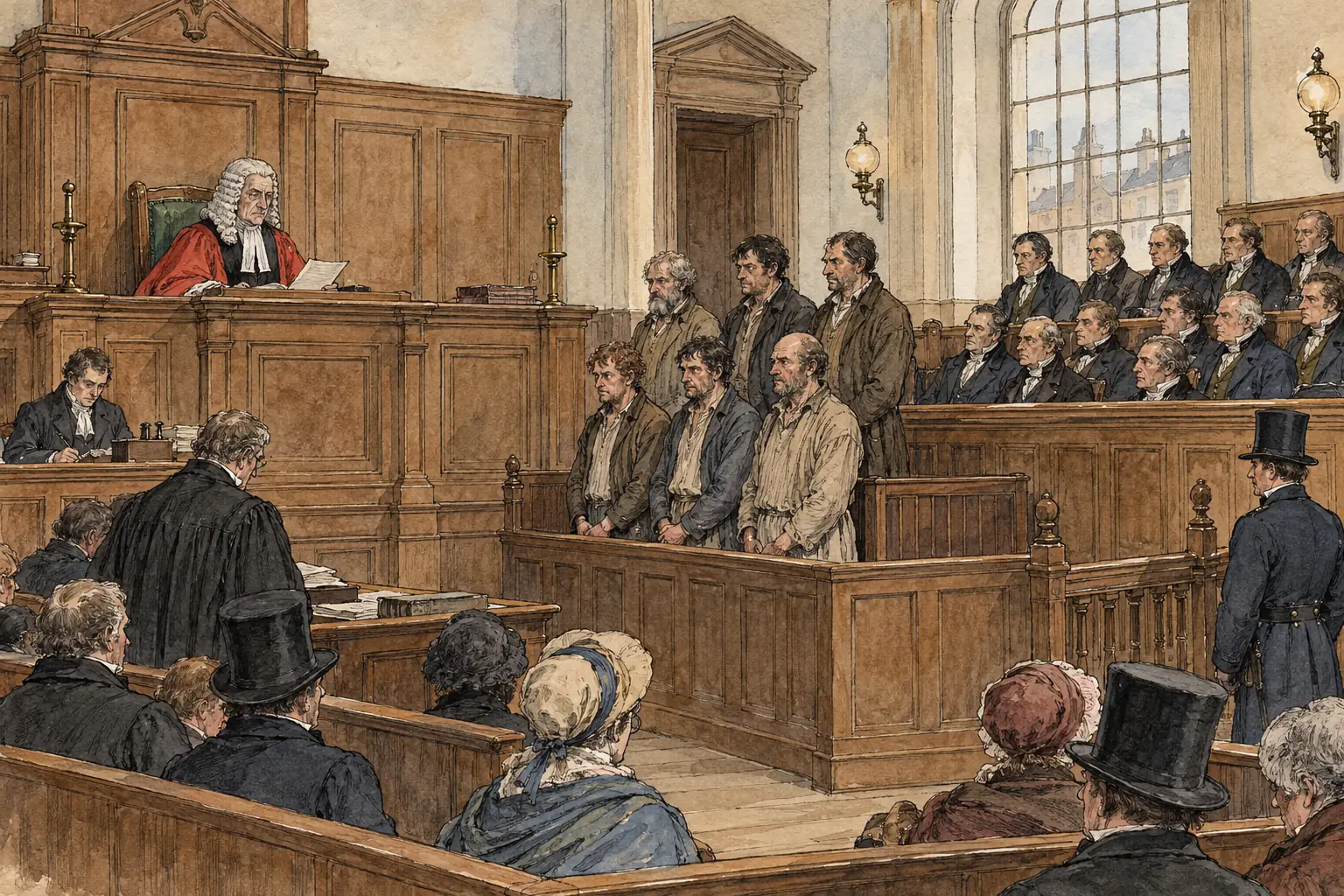
Over the period from 1700 to 1900, what society considered criminal evolved with Enlightenment ideas, industrial needs, and public opinion. Some acts lost their criminal status, while others faced increased scrutiny, especially during times of unrest.
Key examples of evolving crime definitions
- End of witchcraft prosecutions - The 1736 Witchcraft Act stopped executions, reclassifying accusations as deceit; this shift stemmed from rational thinking during the Enlightenment.
- Tolpuddle Martyrs case - In 1834, six Dorset labourers were convicted for swearing secret oaths in a workers' group and sent to Australia; their case aimed to suppress unions but sparked protests, leading to pardons and eventual legalisation of trade unions by the late 1800s.
- Rising focus on disorder - Laws tightened against riots and radical politics, particularly after the French Revolution, as authorities viewed protests as threats amid social changes.
Emergence of new criminal activities
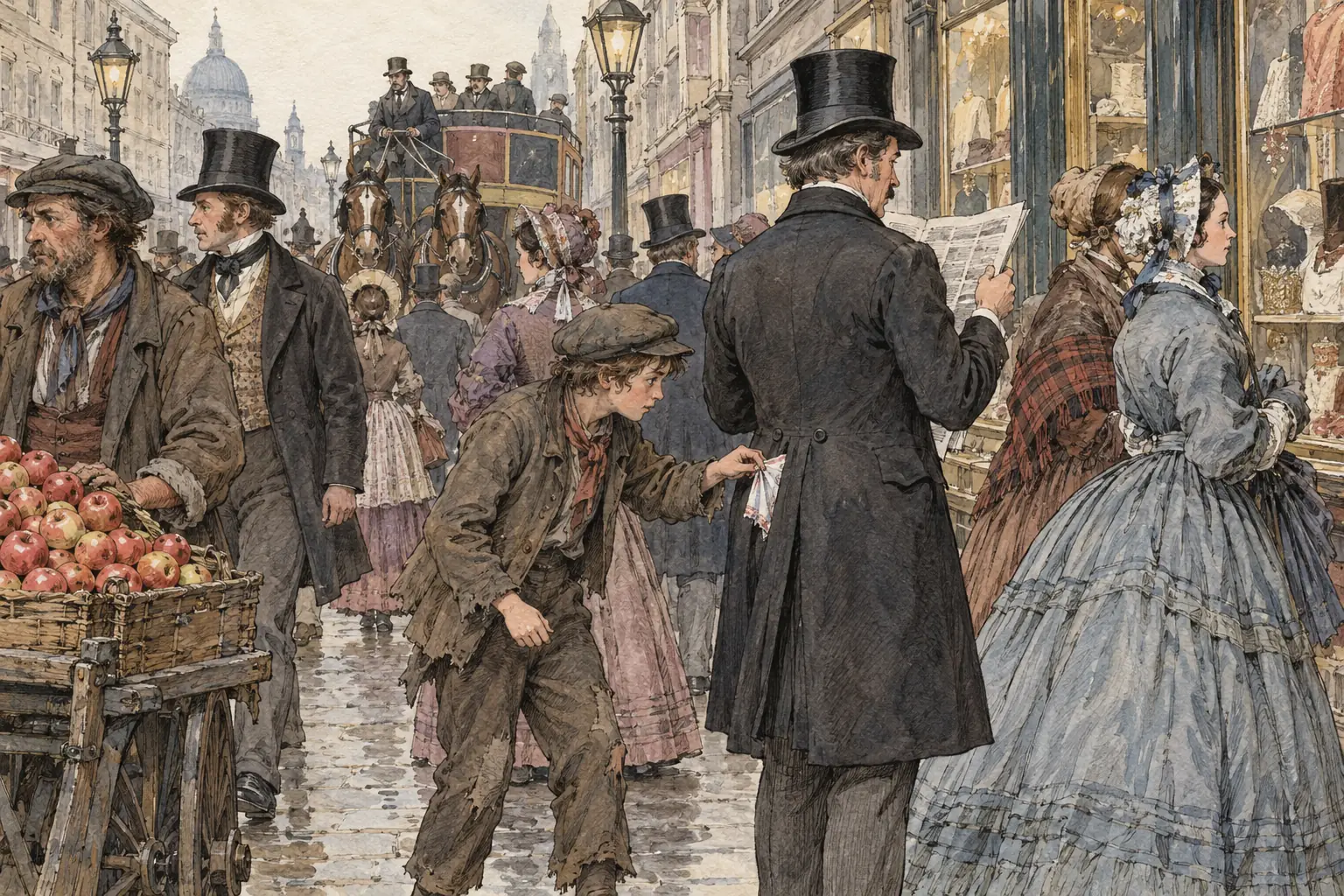
Industrialisation, urban growth, and poverty created fresh crime challenges in the 19th century. These reflected a more complex economy, with offences scaling up in crowded settings and involving financial deceit.
New offences linked to urban and industrial developments
- Urban theft - Pickpocketing surged in busy cities, capitalising on dense populations and anonymity.
- White-collar crimes - Fraud expanded with economic growth, involving deceit in business and finance.
- Broader trends - While traditional crimes like violence and property theft endured, the period saw heightened concerns over public disturbances and worker protests, driven by rapid societal transformations.