5.3 - Policing in Whitechapel
Key facts and dates
Policing in Whitechapel during the Victorian era was managed by the Metropolitan Police, facing unique challenges due to the area's poverty, overcrowding, and crime rates. These factors made it one of London's most demanding districts, with limited resources and community resistance complicating law enforcement efforts.
Key facts to remember
- H Division – Metropolitan Police unit responsible for Whitechapel, based at Leman Street station.
- Beat policing – Officers patrolled fixed routes on foot to deter and detect crime.
- Geographical challenges – Narrow alleys, courts, and rookeries allowed easy escapes for criminals.
- Community mistrust – Residents often viewed police as outsiders, leading to poor cooperation.
- Common crimes – Alcohol-related disorder, prostitution, gang extortion (e.g., Bessarabian Tigers, Odessa Gang).
- Social unrest – Included youth gangs, petty theft, and ethnic tensions against Jewish communities.
- 1889 riots – Violent protests against unemployment and poor working conditions in sweatshops.
Organisation of policing in Whitechapel
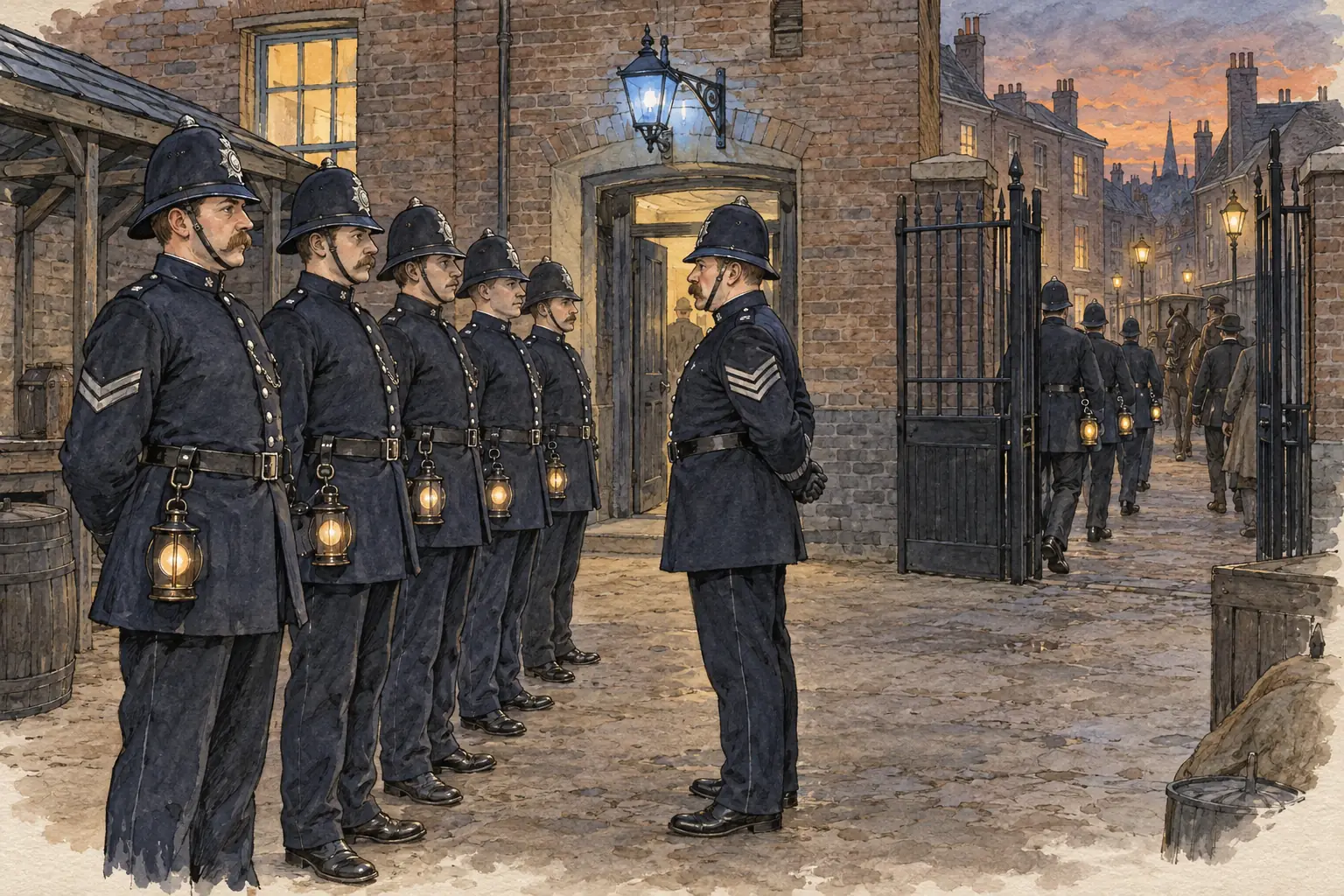
Whitechapel formed part of the Metropolitan Police's jurisdiction, specifically assigned to H Division. This unit operated from a central station on Leman Street, overseeing law enforcement in an area known for its dense population and high levels of deprivation.
Structure and oversight of H Division
- Metropolitan Police integration - H Division was one of several units within the broader Metropolitan Police force, established to maintain order across London, with Whitechapel presenting particular demands due to its social conditions.
- Leman Street station - Served as the primary base for officers, coordinating patrols and responses to incidents in the surrounding streets and districts.
- Resource allocation - The division managed a team of constables focused on daily policing, though the area's complexities often stretched these resources thin.
Duties of beat constables
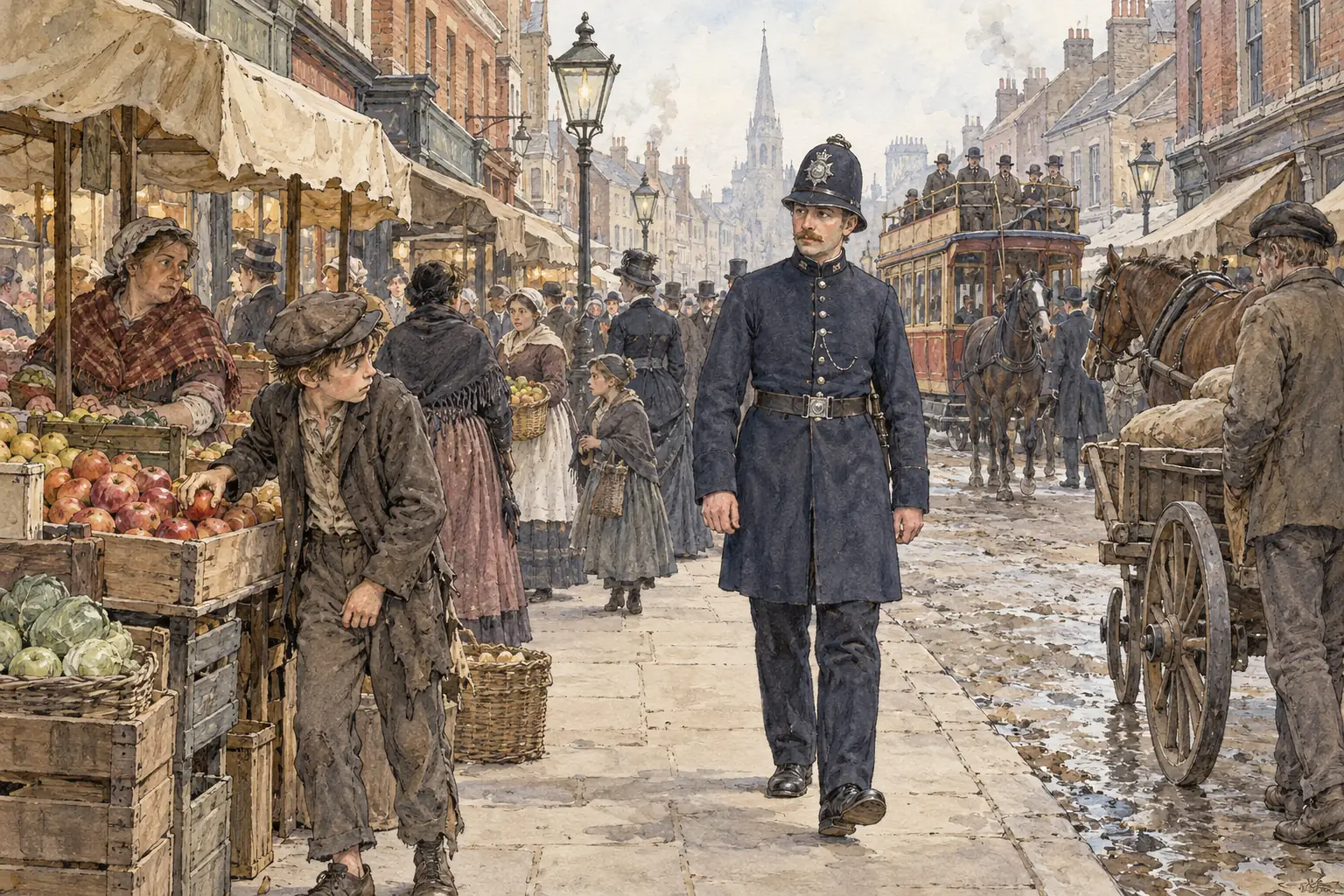
Beat constables were the frontline officers in Whitechapel, responsible for maintaining visible presence to prevent and respond to criminal activity. Their routines emphasised routine patrols to foster a sense of security and authority.
Routine responsibilities of beat constables
- Patrol patterns - Officers walked predetermined routes through streets at regular intervals, ensuring consistent coverage of the area.
- Crime deterrence - The uniformed, on-foot presence aimed to discourage offences by making potential criminals aware of police oversight.
- Detection and response - Constables sought to apprehend offenders during acts of crime, intervening in disturbances and gathering initial evidence for investigations.
Geographical and environmental challenges to policing
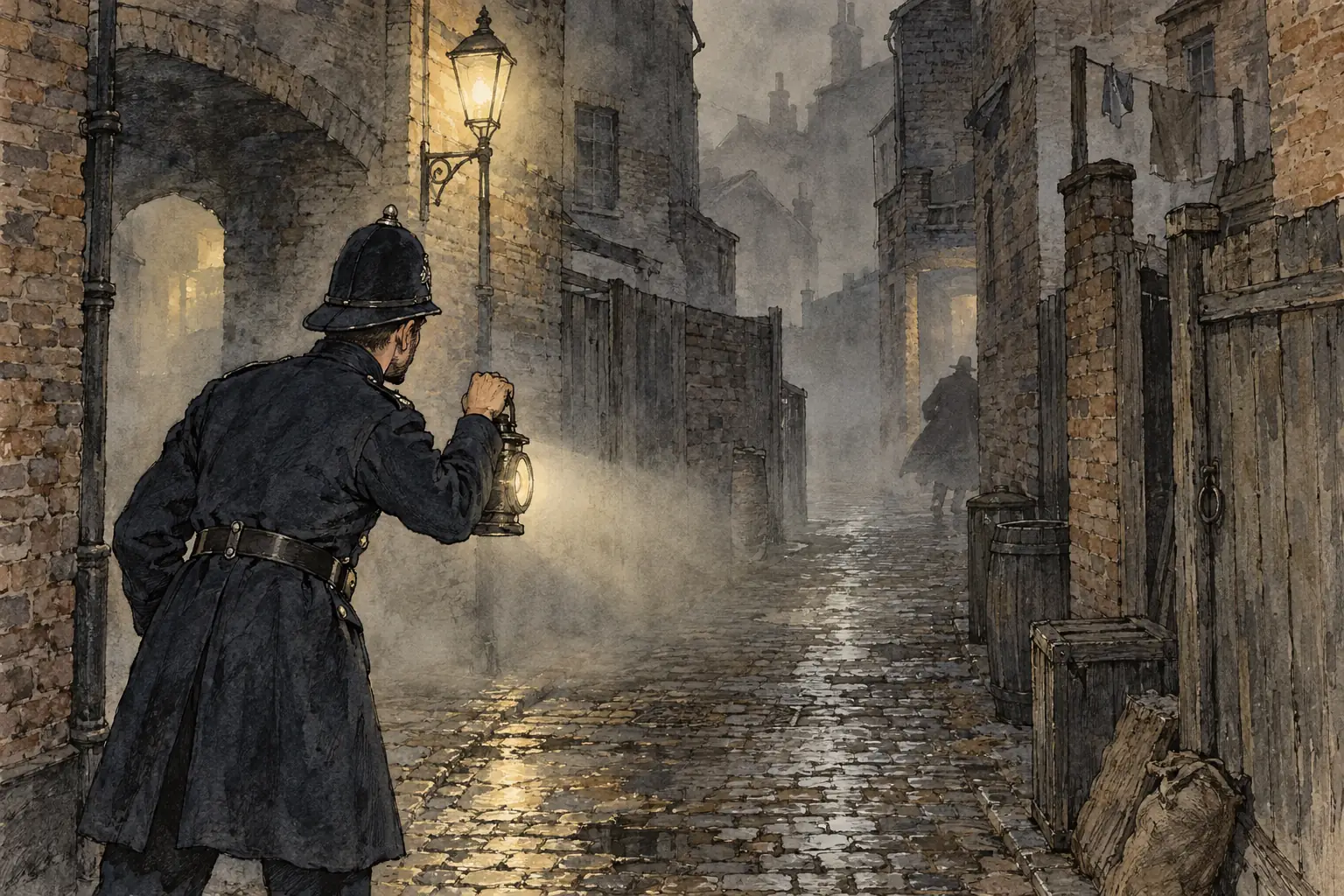
The physical layout and conditions of Whitechapel created significant obstacles for effective policing. Narrow, labyrinthine spaces combined with poor visibility made it difficult for officers to monitor or pursue suspects effectively.
Physical and atmospheric barriers
- Complex urban layout - A network of tight alleys, enclosed courts, and extensive rookeries provided hiding spots and escape routes for criminals, complicating chases and searches.
- Visibility issues - Frequent thick fog and inadequate street lighting reduced officers' ability to observe activities, especially during nighttime patrols.
- High population density - Overcrowded streets allowed wrongdoers to blend into large crowds, evading detection and making it hard to isolate incidents.
Community attitudes and cooperation issues
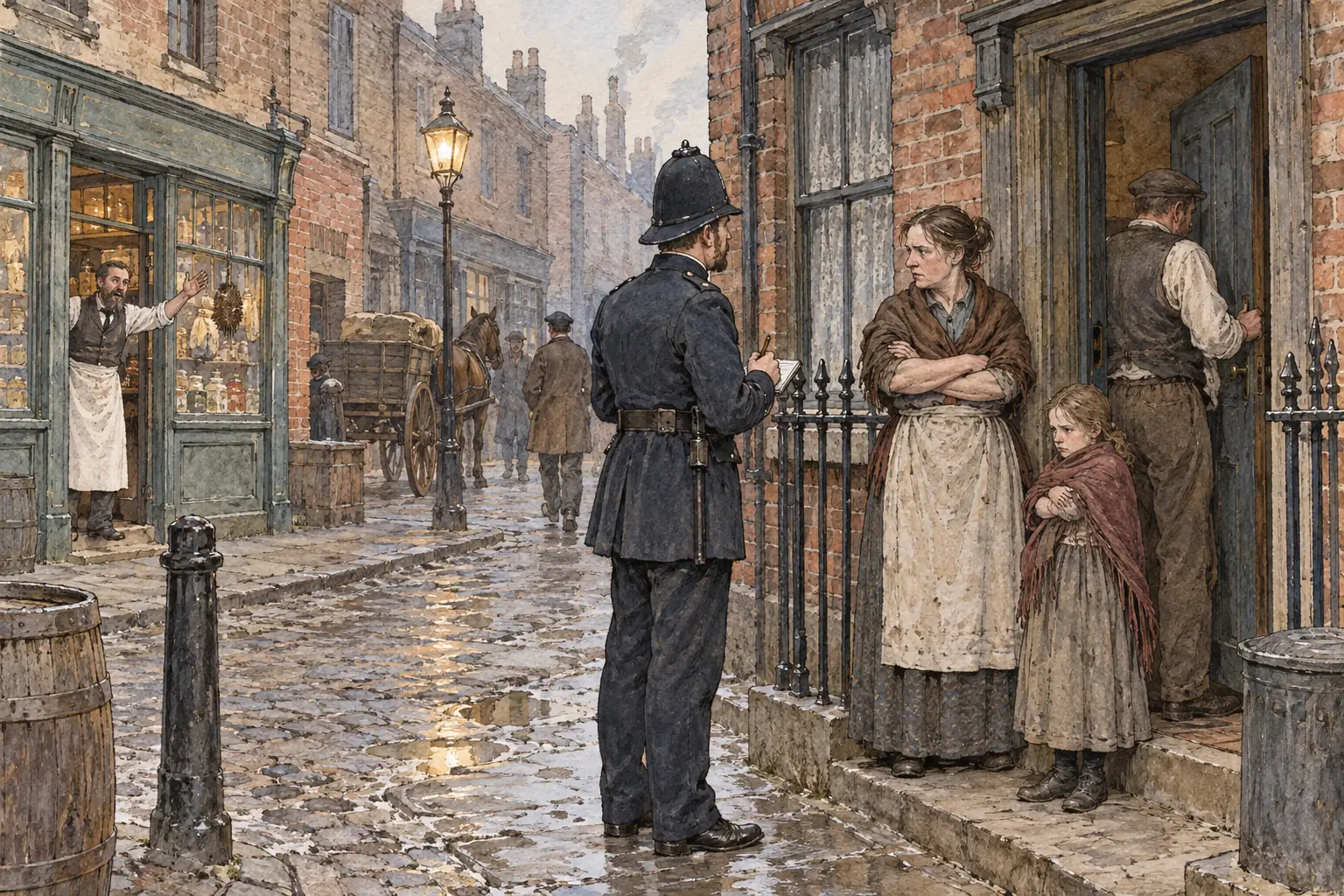
Residents in Whitechapel often held negative views of the police, stemming from social and economic grievances. This hostility reduced community support, hindering investigations and crime prevention.
Factors influencing community-police relations
- Perceived outsider status - Many locals regarded officers as representatives of an indifferent state that failed to address poverty, fostering resentment and alienation.
- Hostility and mistrust - Some inhabitants actively opposed police efforts, seeing them as intrusive rather than protective.
- Lack of cooperation - Witnesses frequently declined to provide statements or assist, limiting the gathering of evidence and resolution of cases.
Common crimes and policing difficulties
Image 1 of 3: Drunken fights outside pubs took up much of the police's time
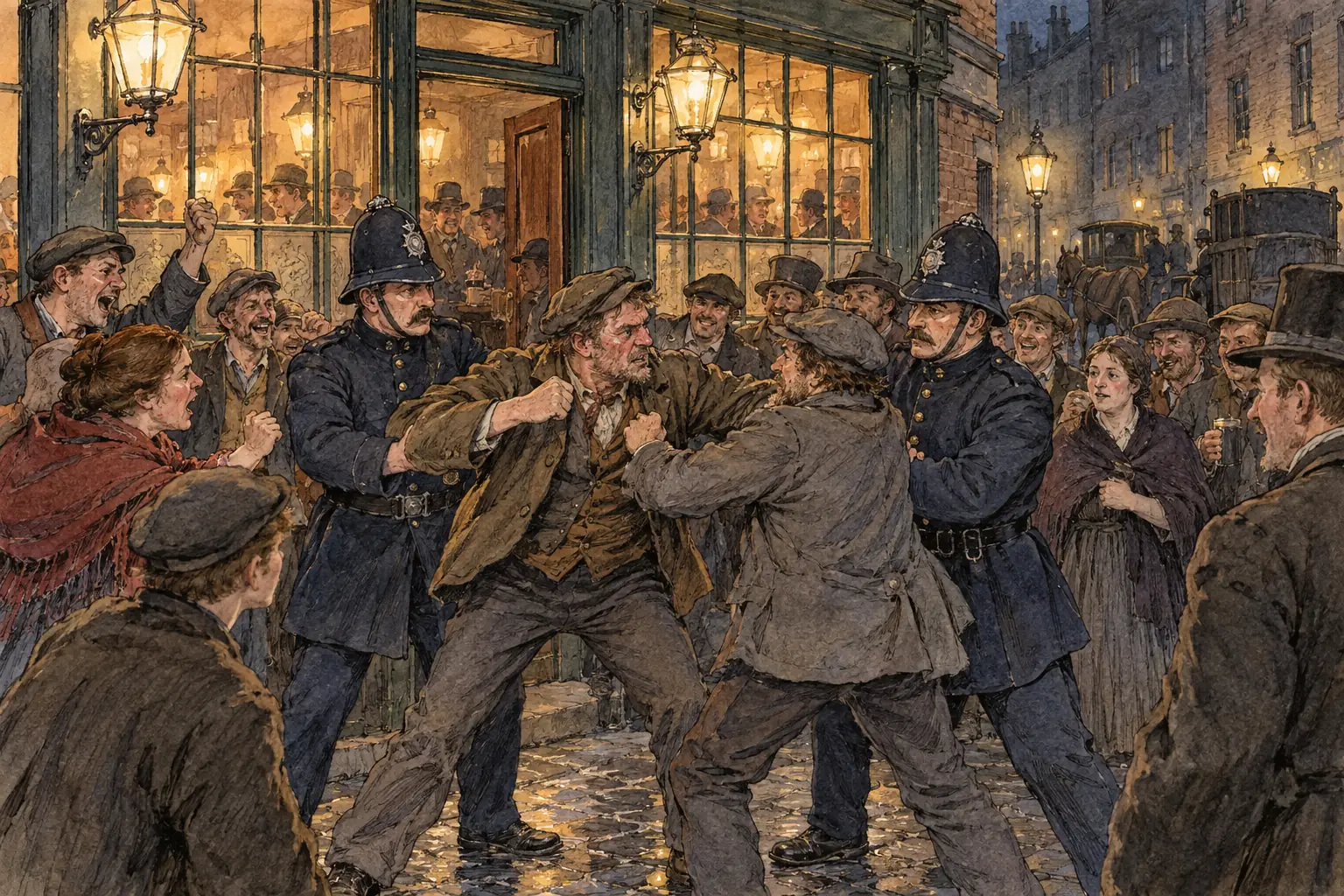
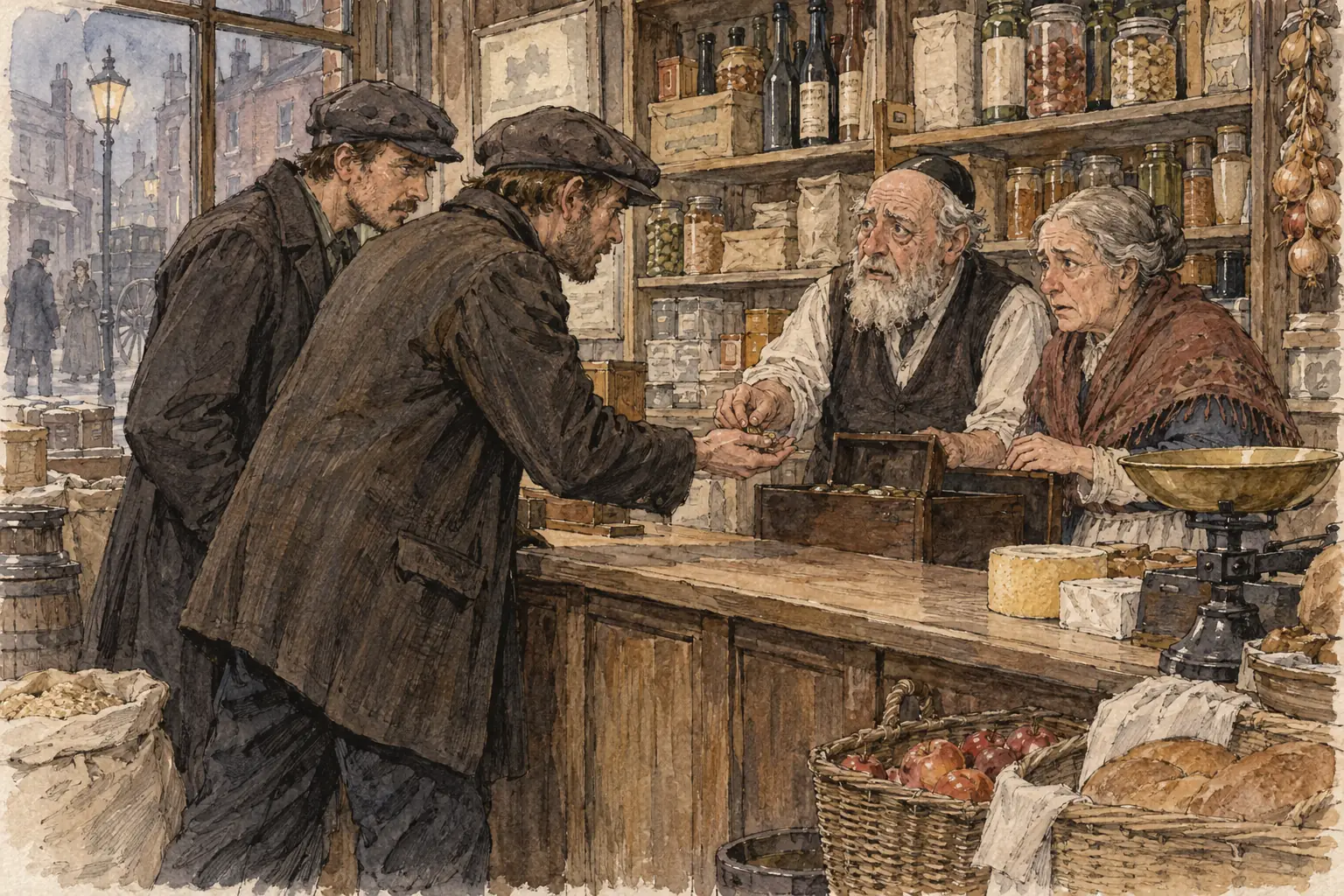
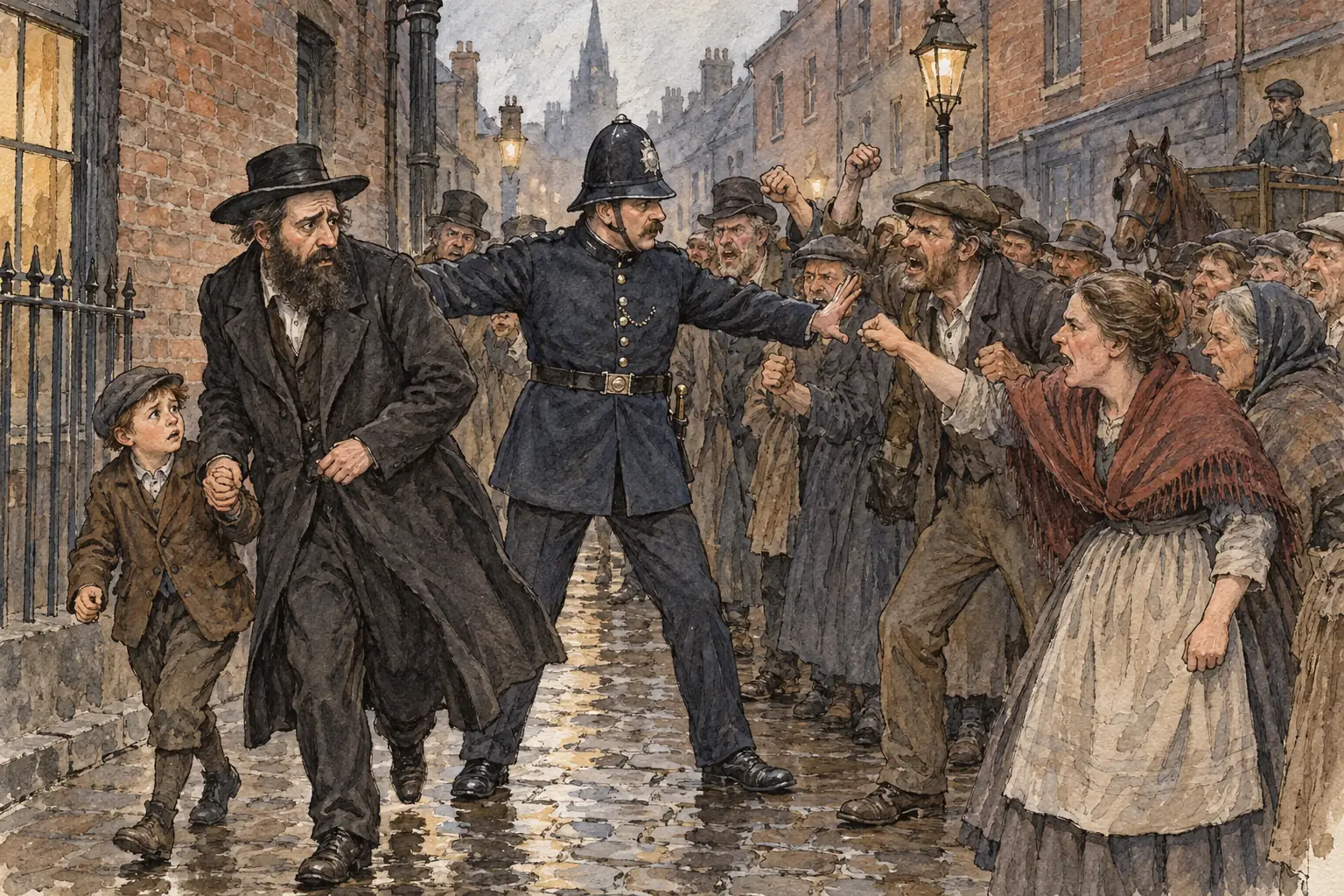
Whitechapel's police dealt with a wide array of offences fuelled by poverty and vice, from everyday disorder to organised crime. These issues, combined with limited resources, made thorough enforcement challenging and contributed to high-profile unsolved cases.
Prevalent crimes and disorders
- Alcohol-related incidents - Frequent brawls, fights, and public disturbances arose from the numerous pubs and gin houses, creating daily demands on police time.
- Prostitution and associated risks - Widespread street work and brothels, driven by economic hardship, led to public order problems and increased vulnerability to violence, though the practice itself was legal.
- Gang activities - Groups such as the Bessarabian Tigers and Odessa Gang, often composed of Eastern European immigrants, ran protection rackets targeting Jewish businesses, using intimidation to silence victims.
- Youth and petty crime - Street gangs engaged in pickpocketing and muggings, exploiting dimly lit areas for quick thefts.
- Social and political unrest - Demonstrations by anarchists or socialists could escalate into violence, as seen in protests against unemployment and sweatshop exploitation; ethnic tensions also sparked attacks on Jewish residents.
Broader implications for policing effectiveness
H Division's officers were frequently overstretched, unable to investigate every incident deeply due to the volume of crime and social challenges. Success often depended on individual persistence and building local knowledge, yet the environment's demands highlighted the constraints of Victorian-era policing, as evidenced by unresolved mysteries like the Jack the Ripper murders.